18 Budget-Friendly Foods to Buy Now as Food Costs Climb


Have you ever looked at your grocery bill and felt a bit stressed? I’ve felt the same way. I love good food but also want to save money, so I have learned some ways to eat well without spending too much.
In this article, I will share 18 cheap foods that can help you make tasty meals that don’t cost a lot. Before we start, I want to say that I use these tips in my own life.
I have seen that using these simple, low-cost foods has helped me save money while still enjoying good taste and good health. If you want more ideas for cheap meals, take a look at my post about budget meal ideas!
What are your favorite low-cost foods? Do you have any ideas for eating well on a budget? I’d love to hear your thoughts in the comments!
Beans: The Protein-Packed Penny-Saver

Beans are a big help for eating on a budget. They cost about $1-$2 per pound for dried beans or $0.50-$1 per can. Beans have a lot of protein and fiber, so they are healthy and filling. You can use them in soups, stews, salads, and as a protein in vegetarian meals.
I like to buy dried beans and cook a lot at once, but canned beans work well for fast meals too. They are a great way to add protein to your diet without spending a lot.
Noodles: The Quick and Easy Option

Noodles are very helpful on busy nights. They cost about $1-$2 per pound, cook fast, and go well with many sauces and vegetables. You can use them in pasta, soups, stir-fries, and casseroles.
I like to keep a few kinds ready for quick meals. Noodles work as a base for many cheap dishes.
Soups: The Comforting Money-Saver

Soups are perfect for using up leftover veggies and stretching your grocery budget. You can find canned soups for around $1-$3, or make them at home for even less. They’re easily customizable with various ingredients like vegetables, beans, and grains.
I enjoy making big batches of homemade soup and freezing portions for quick meals later. Soups are comforting, filling, and can be incredibly cost-effective, especially when made at home.
Eggs: The Incredible, Edible Budget-Saver

Eggs are a real kitchen hero. They cost about $2-$3 for a dozen, are full of protein, and can be used in many ways. You can scramble them, make omelets, frittatas, or bake with them.
I often make a quick omelet for breakfast or put a fried egg on leftover rice for an easy dinner. When you have eggs in your fridge, you always have a fast and low-cost meal ready.
Potatoes: The Filling, Flexible Favorite

Potatoes are like a blank canvas for meals. At around $0.50-$1 per pound, they’re filling, cheap, and adaptable to many dishes. You can mash them, bake them, roast them, or use them in soups and stews.
They’re delicious mashed with a bit of butter or roasted with herbs. Potatoes are a budget-friendly staple that can bulk up any meal and keep you satisfied.
Rice: The Global Grain

Rice is a staple in many cultures for good reason. Costing about $0.70-$1 per pound, it’s affordable, filling, and pairs well with just about anything. It’s great in stir-fries, as a side dish, in soups, or as a base for bowls.
I often use it as a foundation for stir-fries or mix it with beans for a simple, protein-packed meal. Rice is a fantastic way to stretch your food budget further.
Tortillas: The Wrap-It-Up Wonder
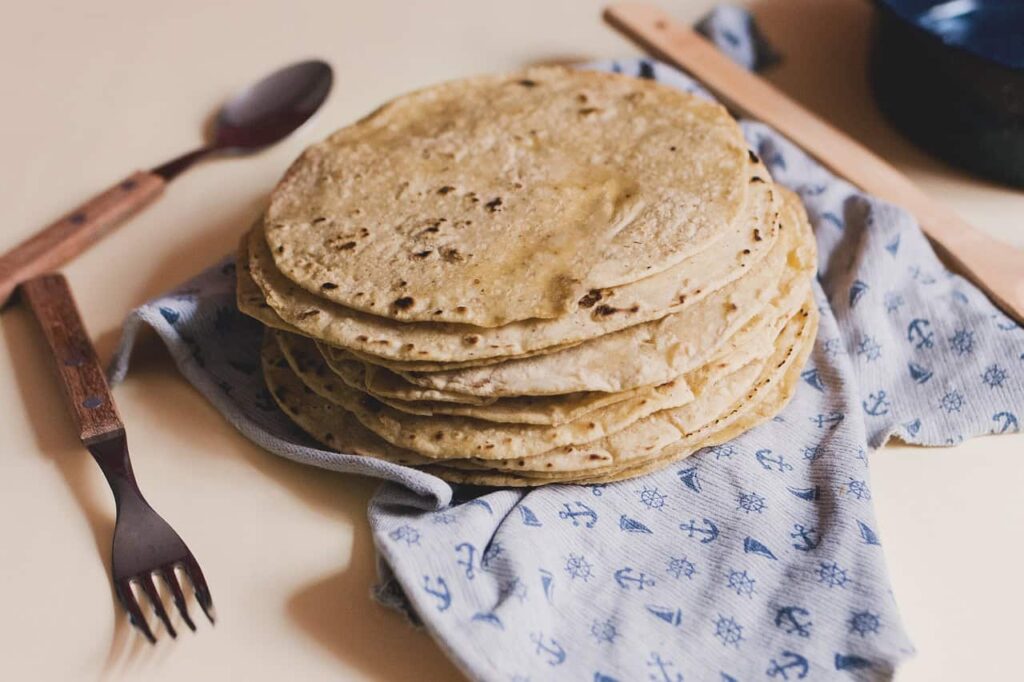
Tortillas can be used in many ways. They cost around $1 to $3 per pack, making them a cheap option to make different meals. You can make tacos, wraps, quesadillas, or even use them to make pizzas.
They work well for wrapping leftover food or making fast quesadillas. I also use them to make simple pizzas at home. If you keep a pack of tortillas in your kitchen, you will always have an easy meal ready to go.
 If you like what you are reading, then click like and subscribe to my newsletter. We share tips to waste less time and money.
Simple Bread: The Everyday Essential
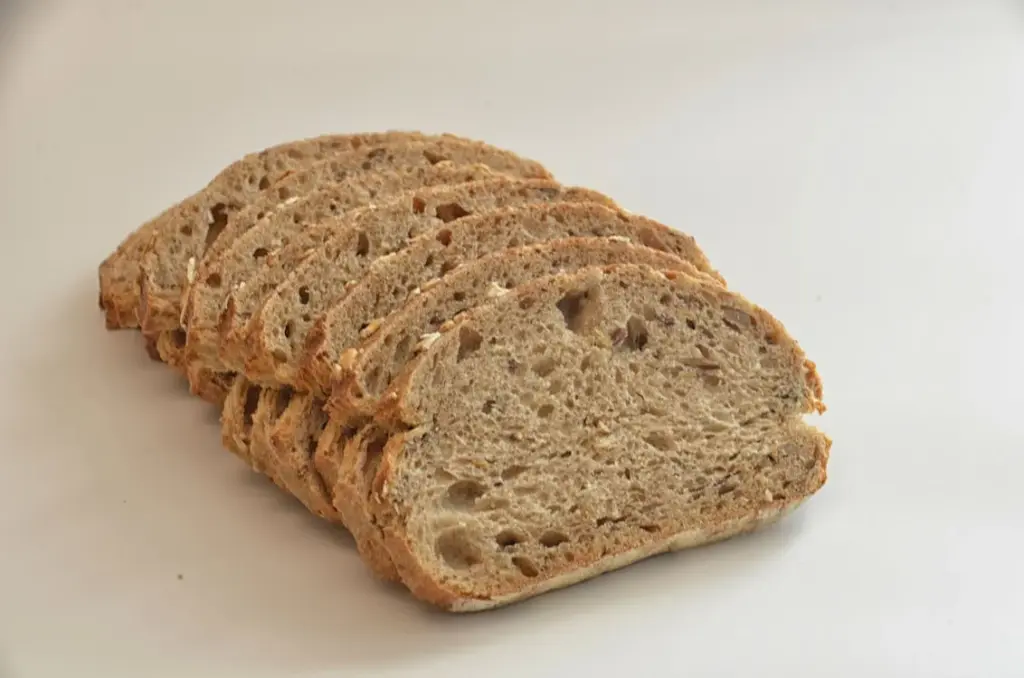
A loaf of simple bread can go a long way. Costing around $1-$3 per loaf, it’s perfect for sandwiches, toast, and as a side with soups and salads.
It’s also great for soaking up soup or making French toast for a special breakfast. Bread is a staple that can help make your meals more filling and satisfying without costing much.
Oatmeal: The Hearty Breakfast Bargain

Oatmeal is my go-to for a cheap, filling breakfast. At about $1-$2 per pound, it’s a great value. It’s not just for breakfast either, you can use it in baking or even as a base for savory dishes.
I like to jazz it up with different toppings like fruit, nuts, or a spoonful of peanut butter. It’s a great way to start your day on a budget.
Carrots: The Crunchy, Colorful Veggie
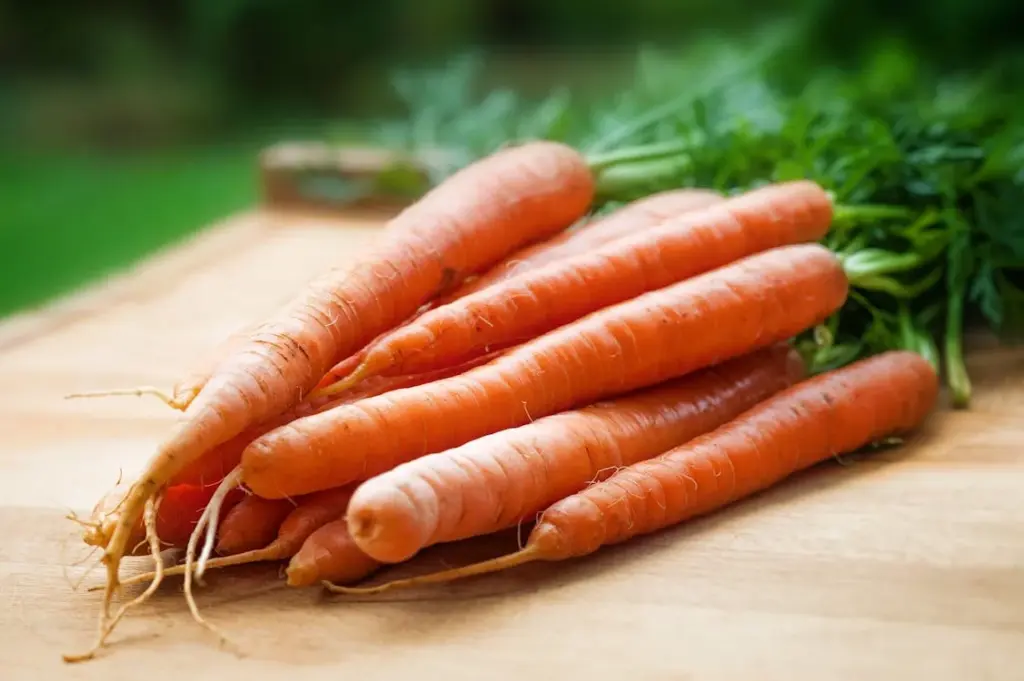
Carrots are cheap, nutritious, and last a long time in the fridge. At about $0.80-$1 per pound, they’re a great value. You can eat them raw as snacks, roast them, steam them, or use them in soups and stews.
I enjoy snacking on them raw or roasting them with a bit of olive oil and herbs. They’re a great way to add color, nutrition, and crunch to your meals without spending much.
Cabbage: The Crispy, Crunchy Bargain

Cabbage is often ignored, but it is very cheap and useful. It costs about $0.50 to $0.70 per pound, making it a great deal. You can add it to salads, stir-fries, soups, or eat it as a side dish.
I like to use it in slaws, stir-fries, or even as a low-carb wrap for fillings. It is an affordable way to make your meals bigger and healthier.
Apples: The Fruity Favorite
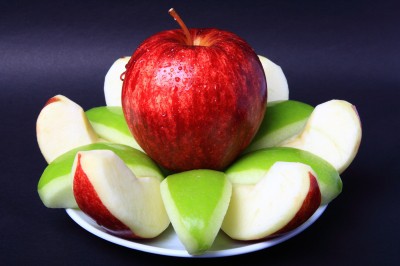
Apples are a great affordable fruit option. At about $1-$2 per pound, they’re reasonably priced and versatile. You can eat them raw as snacks, bake them, or use them in salads and desserts.
They’re perfect for snacking, but also great in salads or baked for a simple dessert. Apples are a tasty way to satisfy your sweet tooth without breaking the bank.
Bananas: The Grab-and-Go Fruit
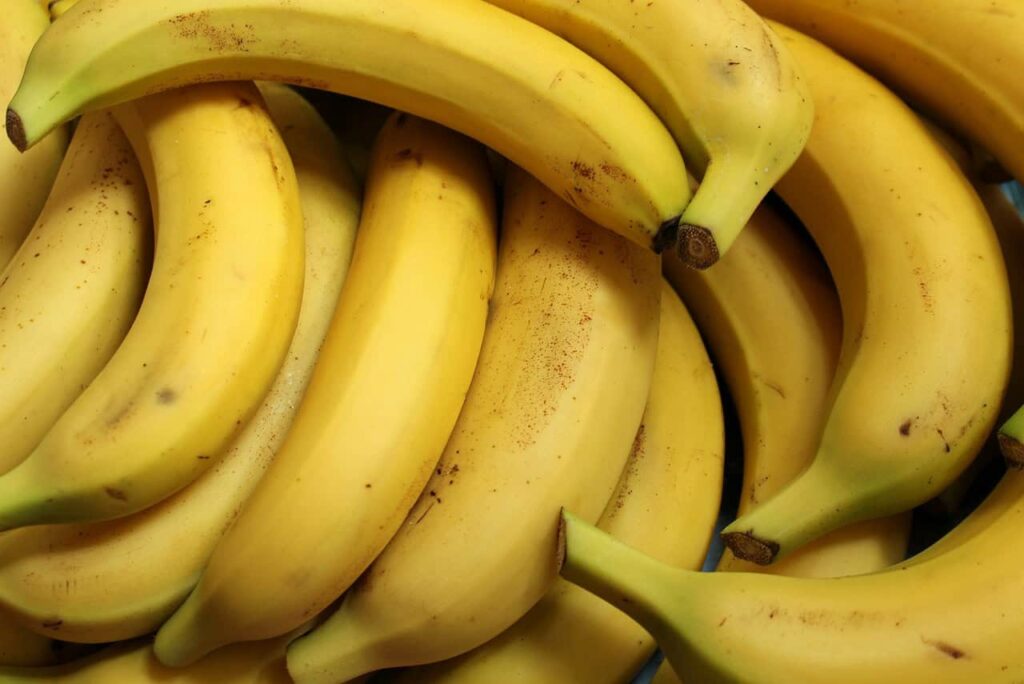
Bananas are probably the cheapest fruit out there, costing around $0.50-$0.60 per pound. You can eat them raw as snacks, use them in baking, or add them to smoothies.
They’re great for quick snacks or adding natural sweetness to oatmeal or smoothies. With bananas, you can have an affordable, nutritious snack anytime.
Canned Tuna: The Protein in a Can

Canned tuna is a budget-friendly way to add protein to your meals. At about $1-$2 per can, it’s an affordable protein source. It’s great in salads, sandwiches, casseroles, and pasta dishes.
I like mixing it with a bit of mayo for a quick sandwich filling or adding it to pasta dishes. It’s a convenient and affordable way to boost the protein content of your meals.
If you like what you are reading, then click like and subscribe to my newsletter. We share tips to waste less time and money.
18. Frozen Vegetables: The Convenient Choice
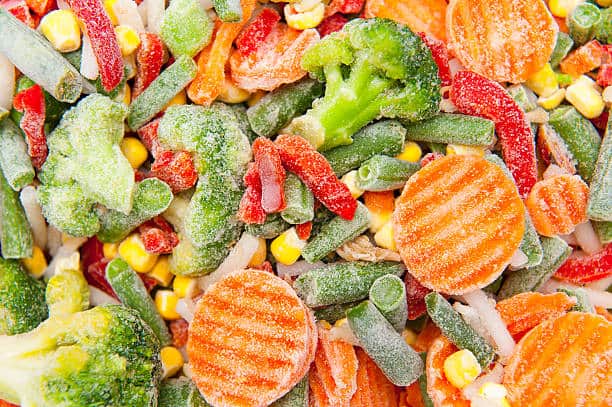
Frozen vegetables are very helpful. They usually cost about $1-$2 per pound, often less than fresh ones, and stay good for a long time. They work great in stir-fries, soups, casseroles, and as side dishes.
I always have some bags in my freezer for quick meal additions.
They make it simple to have vegetables ready without needing to worry about them going bad.
Chicken: The Versatile Protein
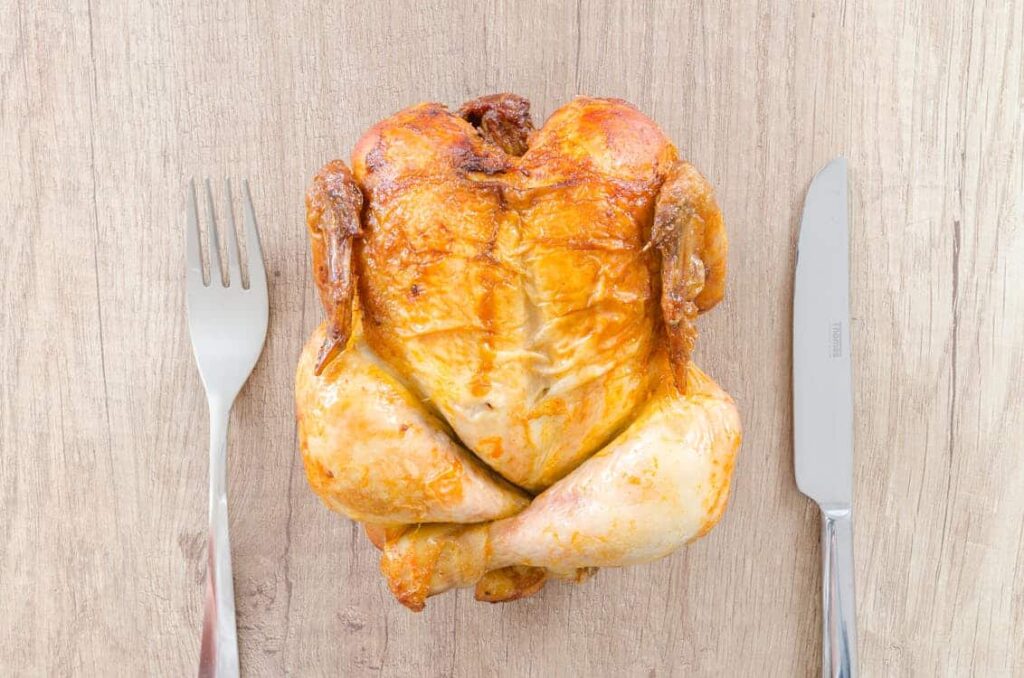
Meat can be expensive, but chicken is usually cheaper. Whole chickens cost about $1-$2 per pound, and whole chicken breasts go for $3-$4 per pound. Chicken is good for stir-fries, casseroles, soups, and salads.
I often use ground chicken in spaghetti sauce to keep costs low. Buying whole chickens and cutting them up yourself can save even more cash.
Chicken can be used in many different dishes, so it is a smart pick for people who want to save money on meat.
Lentils: The Protein-Packed Powerhouse
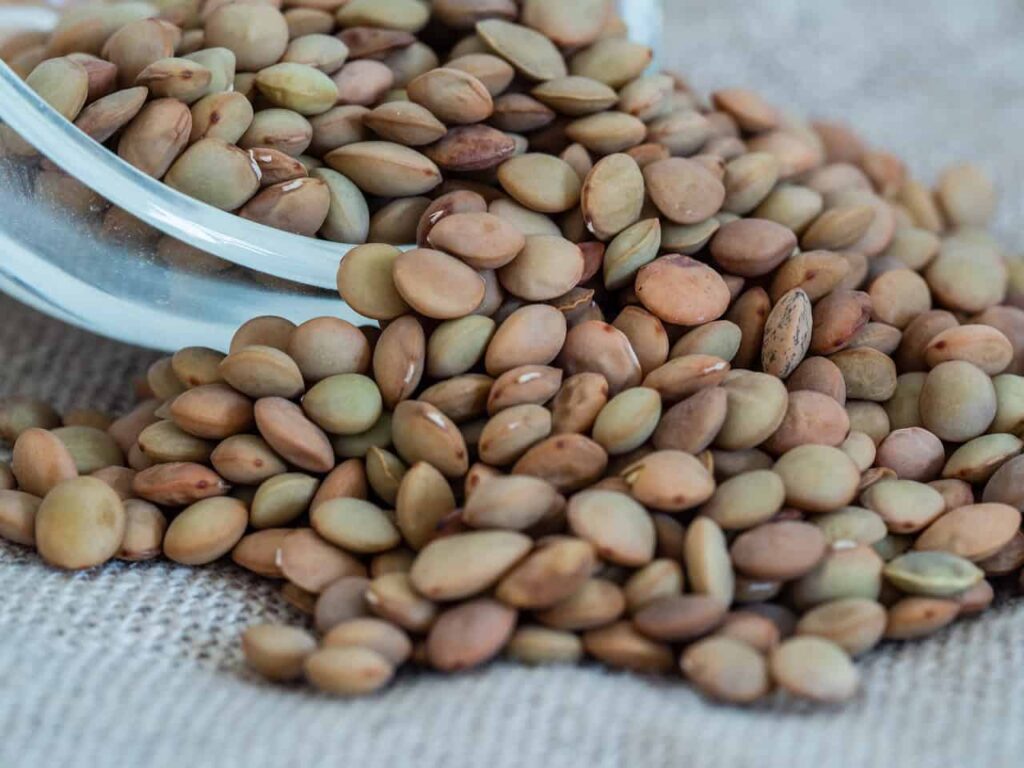
Lentils are a fantastic budget food. At about $1-$2 per pound, they’re cheap, full of protein and fiber, and cook quickly. They’re great in soups, stews, salads, and as a meat substitute in various recipes.
I often use them in soups or as a meat substitute in tacos. Lentils are a great way to add nutrition to your meals without spending much money.
Canned Tomatoes: The Pantry Staple
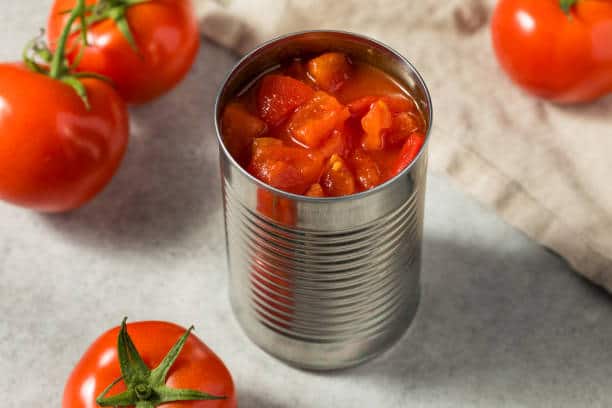
Canned tomatoes are a staple in my kitchen. At about $1 per can, they are a cheap way to make many dishes taste better. They are key for sauces, soups, stews, and casseroles.
They work well for quick pasta sauces or for adding taste to soups and stews. Having a few cans ready means you can always make a tasty, low-cost meal.
Let’s Eat Smart and Save

Eating well on a budget is not about cutting back but using creativity and smart decisions. These 18 low-cost foods provide many ways to make tasty, healthy meals that won’t cost much.
Keep in mind, good shopping and meal planning work well with cheaper ingredients. It’s fine to spend more now and then on expensive items, but sticking to these flexible basics can lower your grocery costs a lot.
Try a few of these budget-friendly choices and see how they fit your needs. You may be surprised at how much money you save without losing taste or health.
If you like what you just read, then subscribe to my newsletter.