18 Facts Showing Why Poverty Is More Expensive


The saying “It’s expensive to be poor” might sound strange, but it shows a tough truth many Americans face today. Think about paying higher interest rates, paying more for food, or dealing with costly car repairs because of things you can’t control.
For a lot of people, these problems create a cycle that keeps them trapped in poverty. This is worrying because the risks are big. Without help, the gap between rich and poor grows bigger, making it harder for people to escape the money traps in our economic system.
In this article, we will look at the reasons behind this hard truth, why being poor costs so much, and show real examples of life with low income. You will learn about the system problems that keep these costs high and find out what can be done to lower them.
Have you ever asked yourself why it’s so hard for some people to move forward, even when they work very hard?
Lack of Access to Affordable Banking

Access to affordable financial services is something many people assume is easy, but for low-income individuals, even having a bank account can be expensive. Many banks charge high fees for low balances or missed payments, which hit hardest those who live paycheck to paycheck.
Because of this, many poor people have no bank account or only limited access to banking, turning instead to check-cashing places that charge very high fees just to get their own money.
These places often take a large cut, sometimes as much as 10% just to cash a paycheck. For someone earning $1,000 a month, that means losing $100 right away. That money could instead pay for food, bills, or be saved.
Grocery Store Price Gaps

It’s no secret that living in a low-income neighborhood often means dealing with “food deserts.” These are areas where there are no full-service grocery stores nearby, just convenience stores and small markets that sell unhealthy, overpriced food options.
When fresh produce and healthy food are unavailable, families end up buying more processed foods, which are often cheaper but have long-term health costs.
Even in neighborhoods that do have access to a grocery store, the cost per item can be significantly higher compared to wealthier areas. Bulk buying is often not an option for low-income households due to the initial cost, and they end up buying smaller, costlier quantities.
This means spending more money over time just to keep the kitchen stocked.
Healthcare Accessibility and Costs

Healthcare is another area where being poor shows its high costs clearly. For people without insurance, even simple medical care can be too expensive. Many low-income people delay going to the doctor because they worry about the cost, which can turn small health problems into big, costly ones.
For those who do get medical help, the expenses for copays, medicines, and follow-up visits can grow very fast. Preventive care, like regular checkups and early treatment, often isn’t possible, causing higher costs later.
Poor health not only lowers life quality but also leads to more missed work, less output, and sometimes losing a job, all adding to the cost of being poor.
The High Costs of Low-Cost Housing

Housing is often one of the biggest challenges for people living on limited income. Cheap housing might sound like a good deal, but it often means low-quality conditions, which can lead to extra expenses.
Many affordable rental units come with structural problems like faulty plumbing, inefficient insulation, or broken heating systems. These issues don’t just make daily life uncomfortable, they lead to increased utility bills and frequent repair costs that landlords might not cover.
Also, low-income housing is often far away from urban centers or areas with high job availability. This translates to increased transportation costs, both in terms of money and time.
When affordable housing is located miles away from work, public services, or grocery stores, residents spend a disproportionate amount of their resources simply commuting or paying for gas.
Payday Loans and Predatory Lending

For people without savings or credit, sudden expenses can cause big money problems. The only choice might be getting a payday loan or other costly loans.
These loans give quick cash but come with very high costs. Interest rates can reach 400% a year. If a borrower can’t pay back right away, they get stuck in debt, paying much more than they borrowed.
These lenders often go to low-income areas where banks are hard to find. When people need money fast for car repairs, medical bills, or rent, it feels like they must take the loan to survive, but it usually makes their situation worse.
The Burden of Bad Credit

Many financial opportunities hinge on having good credit, but building and maintaining a solid score is hard when money is tight. Without good credit, individuals face higher interest rates on loans or get shut out of traditional forms of borrowing altogether.
This often forces them toward high-cost options like payday loans or subprime car loans, which come with sky-high interest rates and unfavorable terms. Poor credit affects other areas of life too.
Finding a decent place to rent or landing a good job becomes harder, piling on more obstacles to getting ahead financially.
High Cost of Transportation

For people without steady transportation, getting to work, school, or even the store can be very hard. Public transit may seem like a cheap choice, but in many cities, it doesn’t run on time or does not reach places where jobs are located.
Waiting for buses, missing connections, or facing delays also costs money. Every hour spent traveling is time lost for work or family duties.
If someone needs a car to get around, owning one on a tight budget brings many costs, such as car payments, insurance (which can be more expensive for people with bad credit), gas, upkeep, and sudden repairs.
One unexpected car fix can easily ruin a budget, pushing a person deeper into debt or making them take out loans with high interest.
The Quality vs. Cost Tradeoff
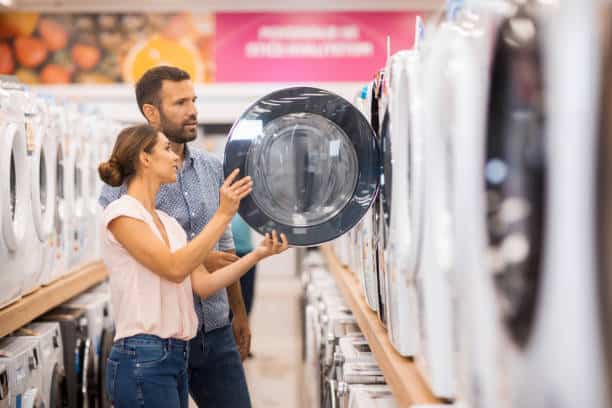
Buying inexpensive items to save money in the short term often leads to higher long-term costs. For instance, a low-cost appliance like a washing machine or refrigerator may seem like a great deal, but these products often break down faster and require more maintenance.
This means more frequent replacements, repairs, and in some cases, even higher energy bills due to inefficient functioning.
Clothing is another example. Cheaper options may need replacing sooner, especially if they’re washed frequently. Paying for something of higher quality upfront could be more economical, but for many people living paycheck to paycheck, this isn’t an option.
The result is an endless cycle of purchasing low-cost, low-quality items that ultimately cost more.
Limited Educational Opportunities

Education is often seen as the way out of poverty, but many people still cannot get it. Public schools in poor areas often do not have enough resources, good teachers, or after-school programs.
This means students in these schools get a lower-quality education, which limits their chances of going to college or getting good jobs later. College costs are even higher. Even when low-income students receive scholarships or financial help, they still have to pay for things like books, housing, and other fees.
Many take out student loans, which can cause large debts that are hard to repay without a well-paying job after finishing school.
The Challenge of Savings and Emergency Funds

One of the most significant costs of being poor is the inability to save money. Without savings, any emergency, like a medical bill, car repair, or unexpected job loss can create a financial crisis.
For someone without a cushion, even a small setback can lead to missed payments, penalties, and a snowball effect of mounting debt. Low-income households also often lack access to savings vehicles like retirement accounts, employer-based savings programs, or even basic savings accounts.
The fees that come with low-balance accounts discourage saving, which makes it even harder to break out of the cycle of poverty.
Costlier Access to Food Assistance Programs
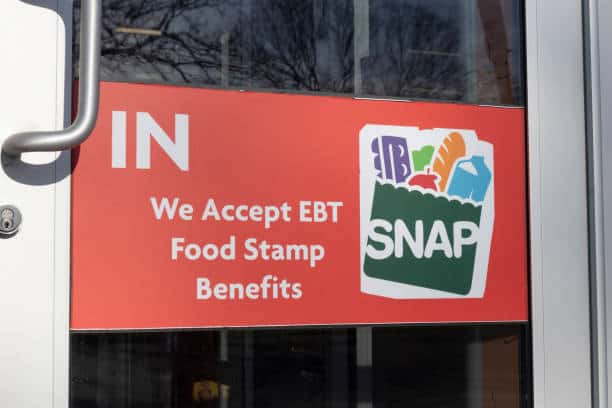
Food help programs like SNAP (Supplemental Nutrition Assistance Program) aim to reduce some food cost worries, but getting help from them is not always easy. The rules to qualify can be hard to understand, and the help given often isn’t enough to feed a family for the whole month.
Many people run out of food aid money before the month ends and have to spend money they don’t have on groceries. There are also mental challenges linked to using food help programs.
Many people feel ashamed when they use government aid, which can lead to feelings of shame and being left out by others. This extra stress can hurt mental health and overall life quality, making it tougher to handle daily costs well.
Incarceration and Legal Costs

Low-income individuals are more likely to be arrested and face harsher sentences, which brings significant financial costs. Bail can be too high for poor individuals to afford, meaning they spend time in jail awaiting trial, time that could be spent working or caring for their families.
Even minor infractions can result in fees that quickly add up. When someone can’t pay these fines, they might face even more severe consequences, such as additional jail time or losing their driver’s license, which makes it even harder to maintain employment.
Hiring an attorney is also prohibitively expensive, and those relying on public defenders may not get the attention their case requires due to the high volume of clients.
The financial and social consequences of even a minor criminal record can be far-reaching, like loss of employment and having trouble getting housing which continues the cycle of poverty.
Higher Costs Due to Inconsistent Work Hours

People with low incomes often have work hours that change a lot, especially in jobs like retail or food service. Bosses might change shifts at the last moment, deciding work times based on how busy the business is.
This unpredictability can cause money problems: finding childcare quickly can cost more, missing better-paying work chances, or working several jobs just to cover bills.
Not having steady hours makes it very hard to plan for the future, causing extra worry and uncertainty that make money problems worse.
Renting Appliances and Furniture

For people who can’t afford to buy essential appliances or furniture outright, rent-to-own programs can seem like a decent option. The reality, though, is that these contracts often mean paying two to three times the retail price by the end.
A simple refrigerator rented over a year can end up costing as much as a high-end model bought upfront. This means families already struggling financially pay significantly more for basics, just because they can’t afford the upfront price.
Utility Bill Burdens

Low-income families often live in poorly insulated apartments or houses, causing much higher utility bills, especially during very hot or cold weather. These homes usually have old, inefficient heating and cooling systems that cost a lot to use.
Keeping the house warm in winter or cool in summer can take up a big part of a tight budget, making families choose between comfort and important needs like food and medicine.
Help programs for utility bills are not always easy to find or qualify for, so many end up paying very high prices just to stay comfortable.
Digital Divide and Cost of Connectivity

Having internet access is almost essential in today’s world, for everything like getting education and getting jobs. But high-speed internet is expensive, and 43% of low-income households don’t have home broadband services. Instead, they rely on public Wi-Fi or prepaid mobile data, both of which come with significant limitations.
Without reliable internet, tasks like applying for jobs, accessing online learning resources, or even managing household bills become difficult, adding further barriers to economic stability.
For children in school, lacking internet access means falling behind in class or missing important assignments, yet another way the cost of being poor impacts future opportunities.
 If you like what you are reading, then click like and subscribe to my newsletter. We share tips to waste less time and money.
Childcare Costs

For parents who work, finding affordable childcare is very important but hard to get. Good daycare is often too expensive, so many low-income parents choose cheaper, unlicensed places that might not be safe or caring for their kids.
This causes two problems: parents worry about their child’s safety, and the lack of good childcare can harm the child’s growth and learning.
Also, most affordable childcare centers open only at certain times, which don’t match parents’ unusual work hours. This makes parents miss work or pay more for care during odd hours. This mix of uncertain childcare and changing work times can cause loss of pay or even losing a job.
Insurance Premiums

Whether it is health, home, or car insurance, people with less money often pay more for coverage. In low-income neighborhoods, car insurance rates can be higher even if the driver has a good record.
For health insurance, those with less income might not get plans through their job and have to deal with the complicated health market, where they often choose plans with high costs and low benefits.
Renters may find renter’s insurance too expensive, even though it usually costs less than other types. Without it, something like a fire or theft can cause a big loss and undo any small financial progress they have made.
Let’s Break the Cycle

The cost of being poor is not just about making hard choices; it’s about dealing with a system that works against you at every step. Things like high-interest loans, expensive utility bills, or few chances for good education become walls that keep people stuck in poverty.
Knowing these problems is the first step to breaking them down. It’s time for leaders, communities, and all of us to change the rules that put an unfair load on those who struggle the most.
If we try to cut these hidden costs through real policy changes, better community help, and more understanding, we can open the door to a fairer future.
Together, we can build a world where money worries do not hold people back, and everyone has a chance at stability.
If you like what you just read, then subscribe to my newsletter.
- When Saving Money Costs You More: 12 Times Frugality Backfires
- Are You Actually Lower Middle Class? 28 Clues Someone is Lower Middle Class
AI was used for light editing, formatting, and readability. But a human (me!) wrote and edited this.