20 Grocery Products With Hidden Chemicals You Should Know About


Walking through a grocery store can feel confusing. Many products say they are healthy, tasty, and easy to use, but lots contain hidden chemicals that reduce their nutrition. For families wanting real good food, these so-called healthy choices can bring serious health problems.
Recent studies show that more than 60% of packaged foods in the U.S. have added chemicals. Many of these, like fake preservatives and man-made flavors, don’t help health and may cause long-term health problems.
Eating these foods often can lead to tiredness, weight gain, and more exposure to harmful substances. In this article, we will show 20 common grocery items that have more additives than good nutrients.
Which everyday foods do you think might be full of extra additives? Keep reading to find out the truth, you may be surprised!
Microwave Popcorn
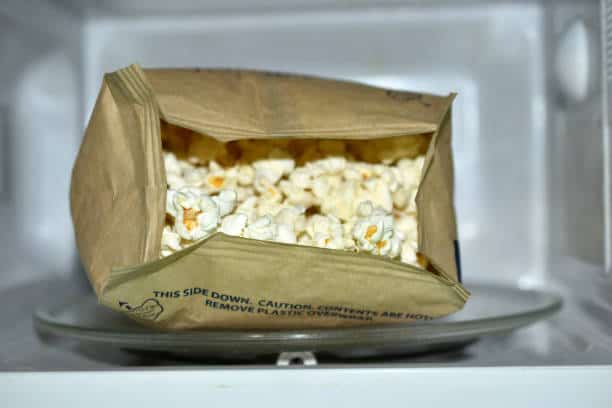
Recent studies show that eating microwave popcorn is linked to much higher amounts of PFAS chemicals in the blood. Microwave popcorn may be an easy snack, but the chemicals inside can cause more harm than good.
The buttery taste usually comes from man-made substances, some of which can cause breathing problems if breathed in too much. Even the popcorn kernels are often covered with fake colors and flavors.
These extra ingredients are not needed and can add harmful chemicals to your food. Along with the high salt content, this snack is not a good choice to eat often. Making popcorn at home using hot air is a much healthier option.
Frozen Dinners
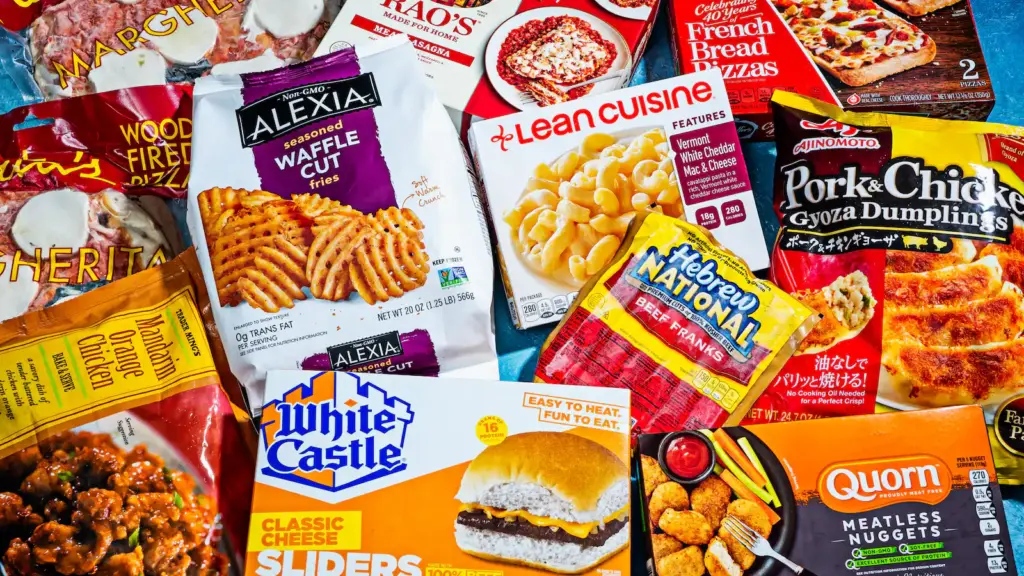
Frozen dinners are easy to use but often have too many added chemicals. Artificial flavors and preservatives fill the ingredient lists, helping the meals last long and taste the same every time. Many dinners also have fake colors to look more appealing, hiding the lack of real ingredients.
The salt level in these meals is a big worry. They usually contain a lot of salt to cover up bland or heavily processed parts. Because they have little fiber and protein, they don’t often offer the balanced nutrition needed for a filling meal.
Cooking your own meals ahead and freezing them can save time while keeping good quality.
Diet Sodas
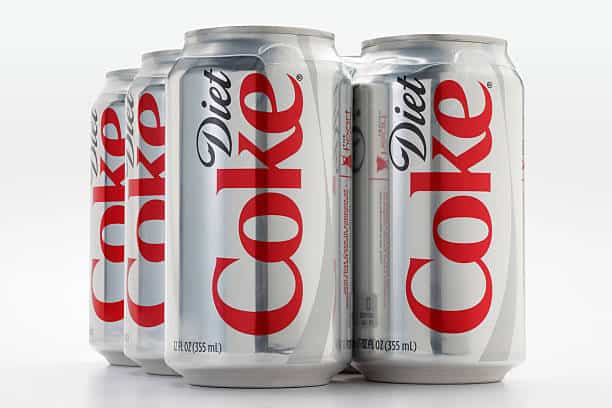
Diet sodas may promise fewer calories, but their chemical content can make them an unhealthy choice. Artificial sweeteners like aspartame or sucralose are commonly used, raising concerns about long-term health impacts.
Coloring agents and preservatives are also present in these beverages, further reducing their appeal. While diet sodas may seem like a better option than sugary drinks, their lack of nutrients and potential risks make them less beneficial.
Switching to flavored water with real fruit or herbal teas can be a refreshing alternative. These options offer natural flavors without the chemical overload, supporting better hydration and health.
Sugary Breakfast Cereals

Many cereals look like a good start to the day, but their ingredient lists tell a different story. Lots contain artificial flavors, colors, and sweeteners that do no good for your body. The sugar in them often goes beyond what you should eat in a day, leaving little space for real nutrients.
Instead of giving you energy in the morning, these cereals might cause a sugar crash by mid-morning, making you feel tired and cranky. They also often miss important fibers and proteins that help keep your energy steady.
Picking oatmeal or granola made with natural ingredients can be a smarter choice. These options avoid extra additives and offer real nutrition that keeps you full longer. Making your own mixes lets you control the sweetness and add fruits and nuts for variety.
Flavored Yogurts

Flavored yogurts might look like a nutritious snack, but most are loaded with sugar and synthetic flavors. These additives can turn what should be a healthful dairy product into a dessert in disguise.
The fruit pieces in flavored yogurts are often soaked in syrup, making them far from a fresh addition. This raises the sugar content without contributing any meaningful nutrients. Also, artificial colors are often added to enhance appearance, making these products less natural than they appear.
Switching to plain yogurt is a healthier alternative. You can sweeten it naturally with fresh fruit, honey, or a sprinkle of cinnamon. This way, you enjoy the creamy texture and nutritional benefits of yogurt without the unnecessary chemicals.
Processed Meats

Processed meats like hot dogs, bacon, and deli slices are easy to use but contain many chemicals. They often have preservatives such as nitrates and nitrites to make them last longer, but these may cause health problems.
Flavor boosters and artificial smoke are also added to cover up the lack of natural ingredients. These meats usually have a lot of salt, which is not good for people trying to reduce their salt intake.
Fresh, unprocessed meat or plant-based proteins like beans and lentils can be better choices. They do not have harmful chemicals and provide important vitamins and minerals without extra salt. Cooking with whole foods helps you eat healthier overall.
Instant Noodles
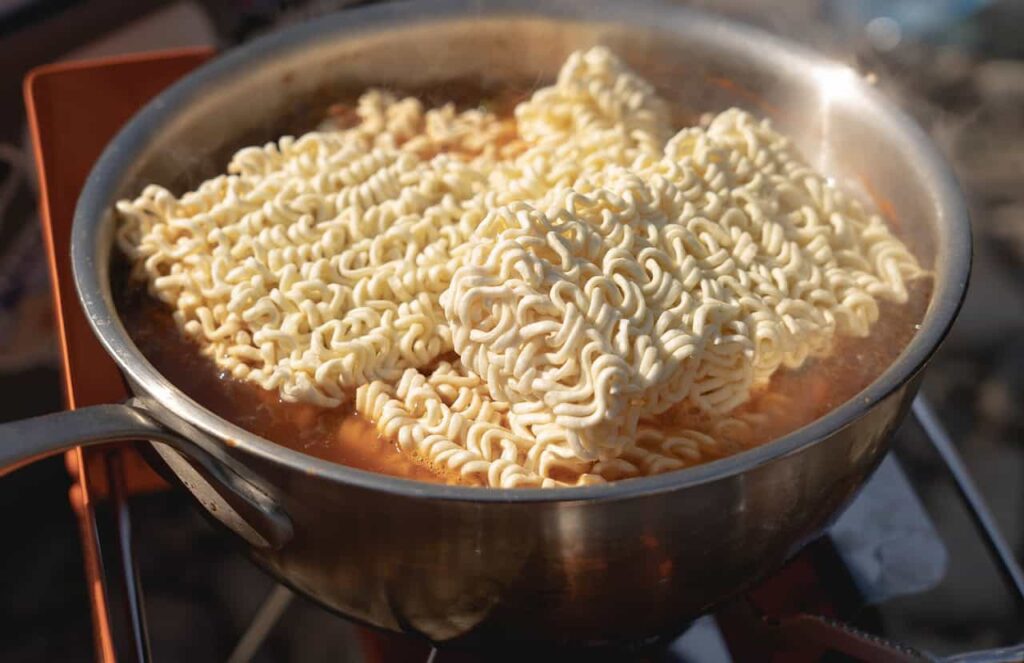
Instant noodles are a staple for many due to their affordability and convenience, but their nutritional profile leaves much to be desired. These noodles are often fried in palm oil before packaging, making them high in unhealthy fats.
Beyond their lack of nutrients, instant noodles often contain monosodium glutamate (MSG), a flavor enhancer speculated to link to various health concerns. The synthetic ingredients work together to create a dish that is low in protein, fiber, and vitamins.
Opting for whole-grain noodles and adding fresh vegetables and lean proteins is a smarter choice. You can season with herbs, spices, and low-sodium broths to achieve a flavorful, nutritious meal that satisfies without sacrificing health.
 If you like what you are reading, then click like and subscribe to my newsletter. We share tips to waste less time and money.
Energy Bars
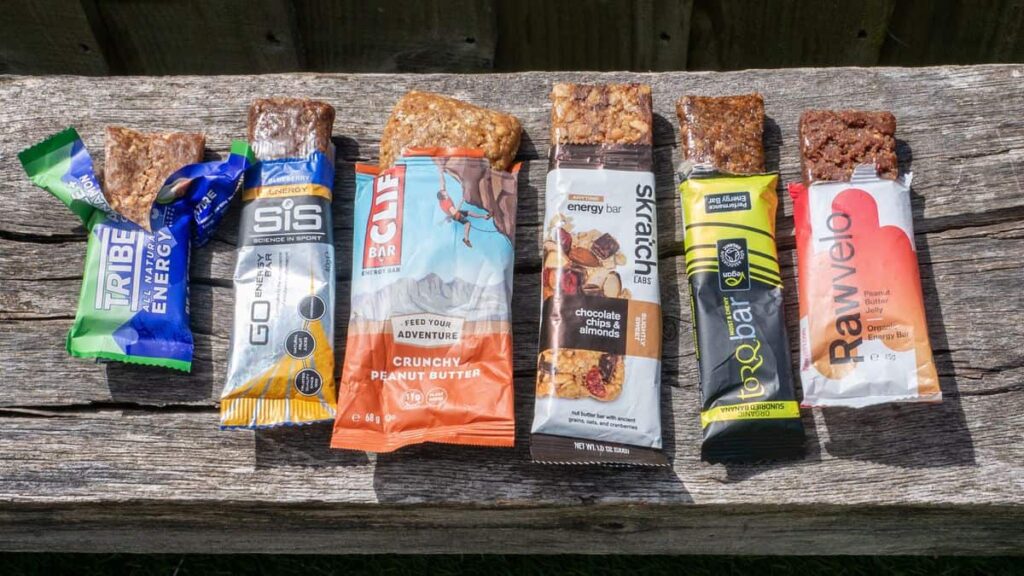
Energy bars might look like a healthy snack, but many are more like candy bars than good food. These bars often have a lot of sugar, fake sweeteners, and chemicals to make them taste better and last longer.
They use artificial flavors and processed proteins, which take away the natural health benefits these bars could have. Many brands use cheap, low-quality ingredients to save money, making them less healthy.
Making energy bars at home is a great choice. By using nuts, seeds, oats, and natural sweeteners, you can make snacks that give steady energy and real nutrition. This way, you can also choose flavors you like.
Canned Soups

Canned soups may seem like a comforting, convenient choice, but they often come with a hefty dose of chemicals. High sodium levels are common, used to preserve the product and enhance flavor.
Many soups also contain artificial colors and flavor enhancers to make up for the lack of fresh ingredients. The thick, creamy textures in certain soups are frequently achieved with synthetic thickeners. These additives, while effective, contribute little to the nutritional value of the meal.
Preparing soups at home with fresh vegetables, herbs, and lean proteins can be a healthier and more satisfying alternative. By making larger batches and freezing portions, you can enjoy the convenience of ready-to-eat meals without compromising quality.
Fruit Snacks
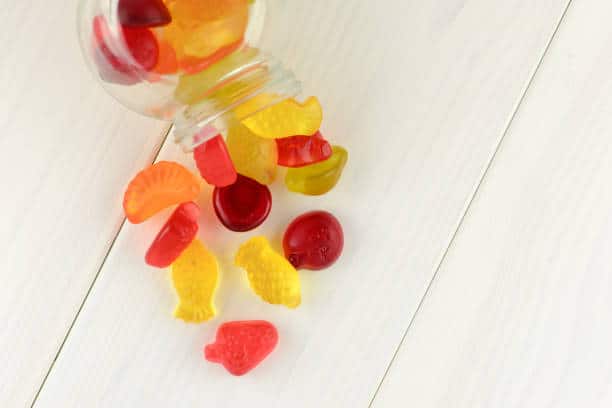
Fruit snacks seem like a healthy choice, especially for children, but they mostly contain sugar and artificial flavors. Many brands add fake colors to make them look bright, which do not help with nutrition.
These snacks can cause a quick rise in blood sugar and have very little fiber, protein, or vitamins. Their chewy feel often comes from gelatin or other fillers that do not have any nutrition.
Fresh fruit is a better pick, giving natural sweetness, vitamins, and fiber without any extra ingredients. Cutting fruit into pieces or making fruit salads can be just as easy and bring real health benefits.
Crackers with Artificial Flavors
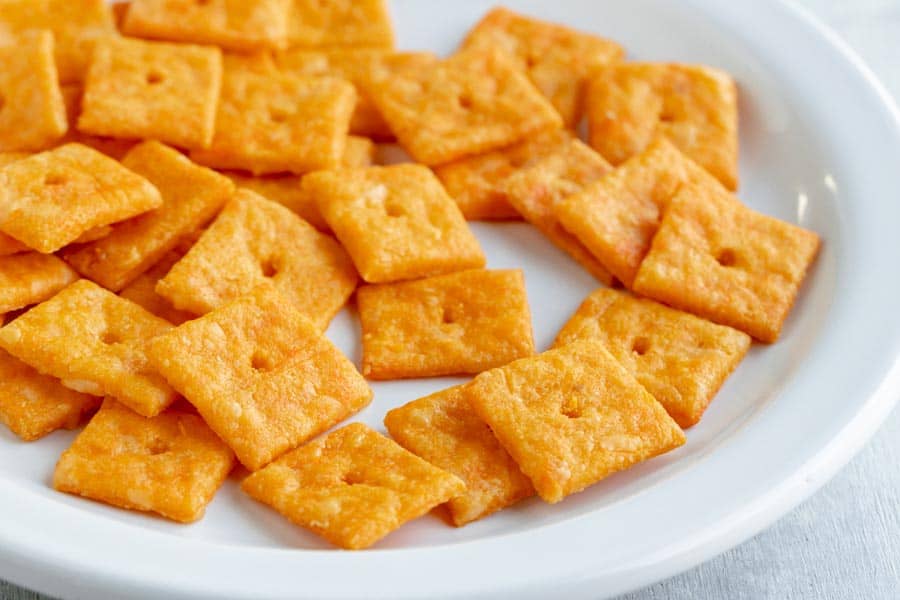
Many crackers that boast bold flavors owe their appeal to artificial additives. Seasoning blends are often made with synthetic flavor enhancers and preservatives rather than natural ingredients. These crackers frequently contain refined flours, offering little in terms of nutrients.
Despite their crunchy texture, these snacks can be deceptively high in sodium. The combination of artificial flavors and minimal nutritional value makes them a poor choice for regular consumption. Their convenience shouldn’t outweigh their lack of benefits.
Opting for whole-grain crackers with simple ingredients can elevate your snacking game. Pairing them with natural toppings like avocado or hummus can provide additional nutrition while satisfying your cravings.
If you like what you are reading, then click like and subscribe to my newsletter. We share tips to waste less time and money.
Powdered Drink Mixes
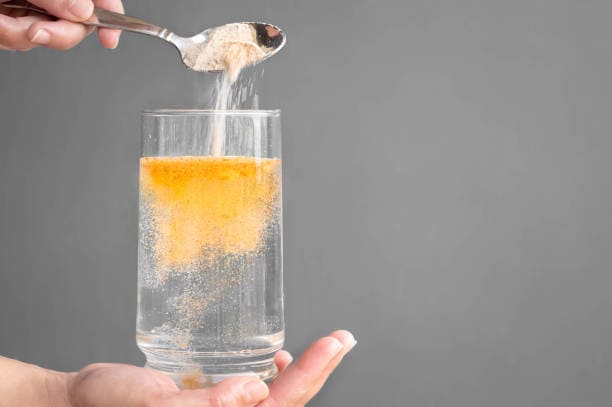
Powdered drink mixes usually have a mix of fake ingredients to copy fruity tastes. They use many artificial colors and sweeteners, with almost no real fruit inside.
Preservatives are added to keep them fresh for a long time but do not help your health. Drinking these often can cause you to take in too much sugar, even in drinks marked “sugar-free.”
The artificial sweeteners in these drinks often cause worry about possible health risks, especially if used a lot. Their bright colors and strong flavors hide the fact that they have little real nutrition, giving you only empty calories.
Shelf-Stable Coffee Creamers

Shelf-stable coffee creamers may seem like a convenient way to add flavor to your morning brew, but they are often full of artificial ingredients. Hydrogenated oils, used to mimic the creaminess of real dairy, introduce unhealthy trans fats.
Many creamers also include preservatives and stabilizers to extend shelf life, which can detract from their natural appeal. While they may improve the flavor of your coffee, their lack of real nutritional value is a concern.
Switching to milk or plant-based alternatives like almond or oat milk can provide a more natural option. These choices often contain fewer additives and align better with a healthy lifestyle, enhancing your coffee without unnecessary chemicals.
Pre-Packaged Smoothies

Pre-packaged smoothies often say they are healthy, but a closer look shows a different picture. These drinks usually have a lot of added sugars, fake flavors, and preservatives to keep their taste and feel.
They might have some fruit inside, but it is small compared to the many chemical extras. Many ready-made smoothies do not have the same fiber and nutrients as whole fruits. The high sugar level can lead to quick energy rises and drops, so they are not the best for steady energy.
The fake ingredients also reduce the real good effects you expect from a smoothie. Making your smoothies at home with fresh fruits, vegetables, and natural liquids is a much better option.
Bottled Salad Dressings
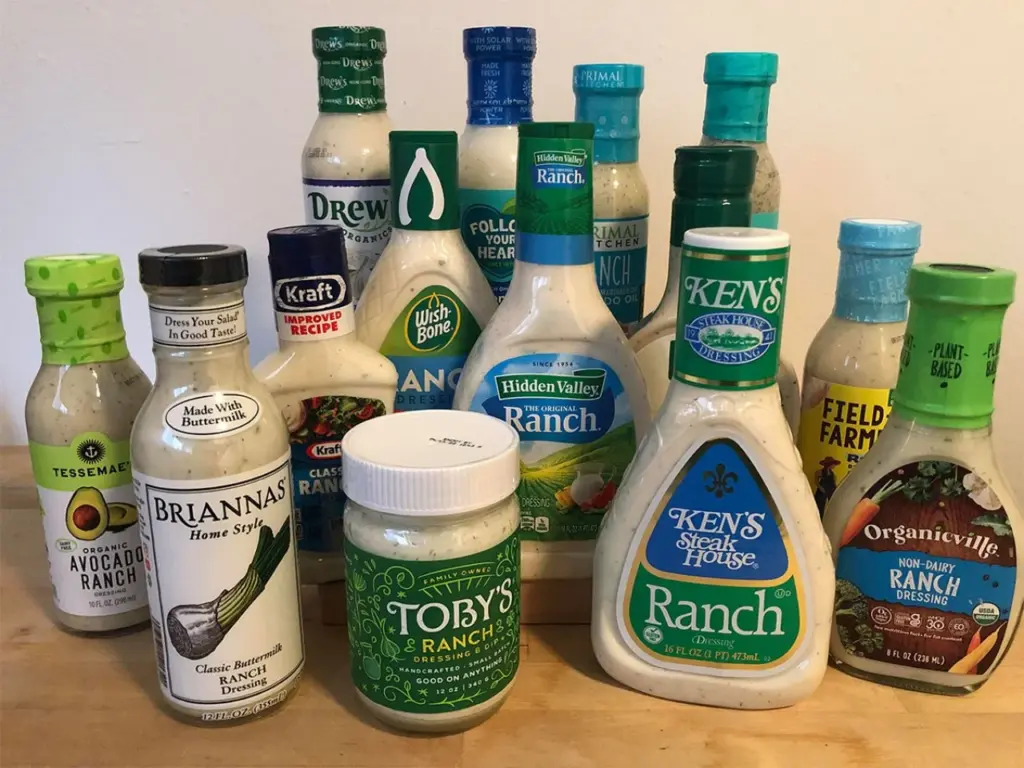
According to recent reports, many dressings found in the grocery store use color additives linked to health harms, like titanium dioxide, which can damage DNA. Bottled salad dressings often contain more chemicals than fresh ingredients.
Preservatives, artificial flavors, and stabilizers are added to ensure long shelf lives and consistent textures. Many dressings are also high in sugar and sodium, diminishing their nutritional profile.
The oils used in these products are often highly processed, stripping away beneficial nutrients. Even options labeled as “light” or “low-fat” can be misleading, relying on thickeners and artificial sweeteners to maintain taste and texture.
Instant Rice Mixes
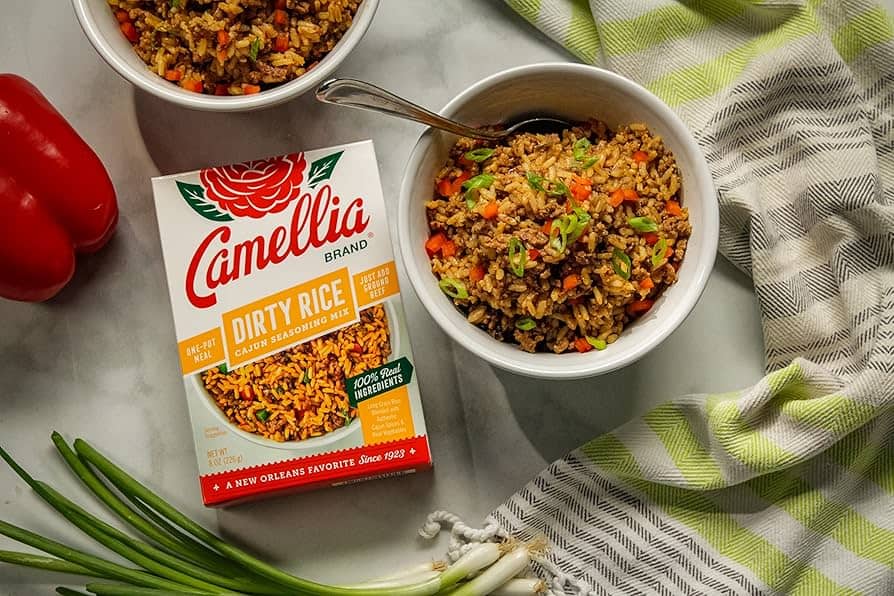
Instant rice mixes are an easy option for busy evenings, yet they usually contain many chemicals. Ready-made versions depend on fake flavors and preservatives to get their unique taste.
These mixes often have high salt content to cover up the dullness of heavily processed parts. Along with artificial colors and additives, they give more ease but less real nutrition.
Making plain rice and adding fresh herbs, spices, and vegetables creates a healthier and tastier side dish. This choice gives more nutrition without losing flavor or convenience.
Candy-Coated Nuts
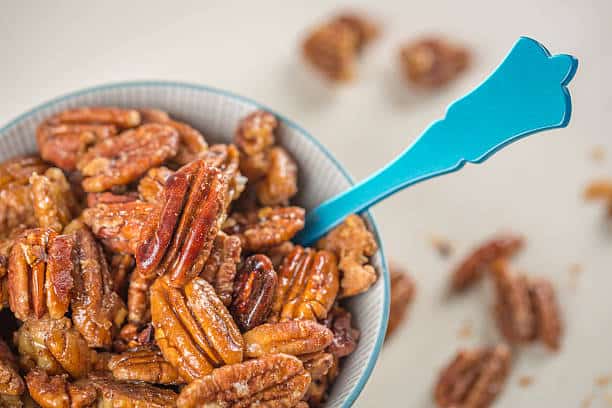
Candy-coated nuts turn a healthy snack into a sugar-laden treat. These products often contain artificial colors, flavors, and preservatives to achieve their glossy finishes and sweet taste. The added sugar and coating diminish the nutritional benefits of the nuts themselves.
While nuts are naturally rich in healthy fats and protein, the sugary shell significantly increases calorie content without adding nutrients. Regularly consuming candy-coated nuts can lead to sugar crashes and reduced enjoyment of the natural flavors of the nuts.
Opting for plain or lightly salted nuts provides a more beneficial way to enjoy this healthy food. Pairing them with dried fruits can offer natural sweetness without the drawbacks of candy coatings.
Boxed Pancake Mixes
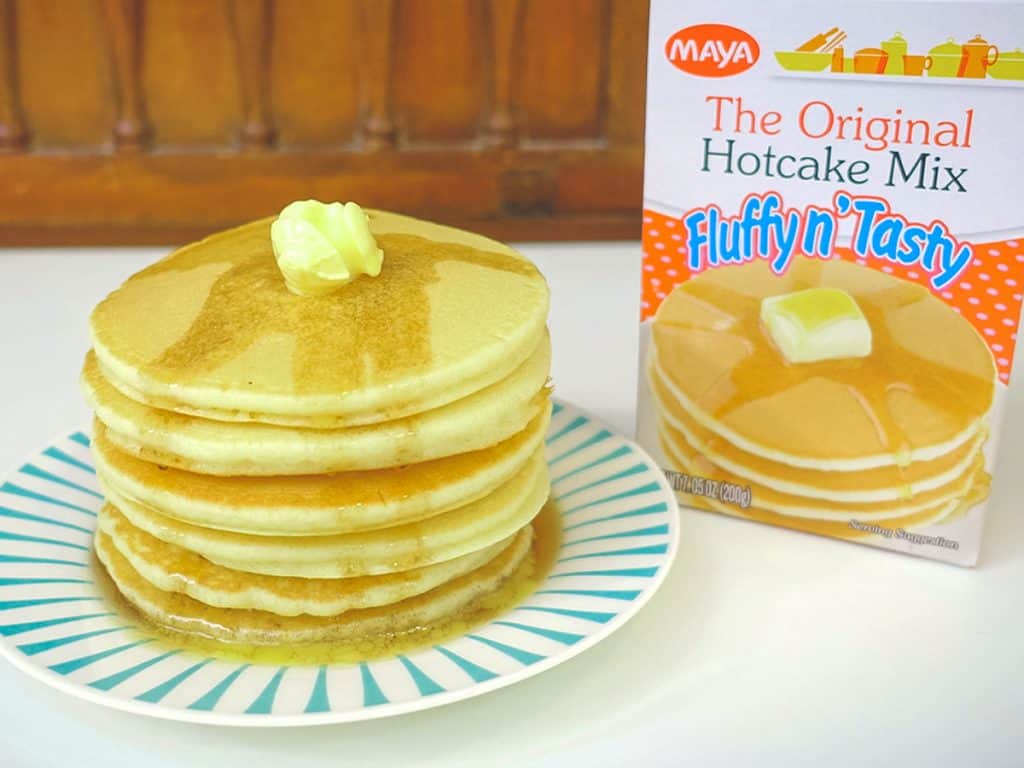
Boxed pancake mixes look easy to use, but their ingredients often show a different picture. They usually have refined flours that lose nutrients and artificial rising agents.
These mixes often miss the fiber and protein needed to keep you full and full of energy all morning. Adding sweet syrups turns the meal into a sugary treat instead of a healthy breakfast.
Making pancakes at home using whole-grain flours and fresh ingredients is a smarter choice. This way gives better nutrition, longer-lasting energy, and tastier pancakes without extra chemicals.
Imitation Crab Meat
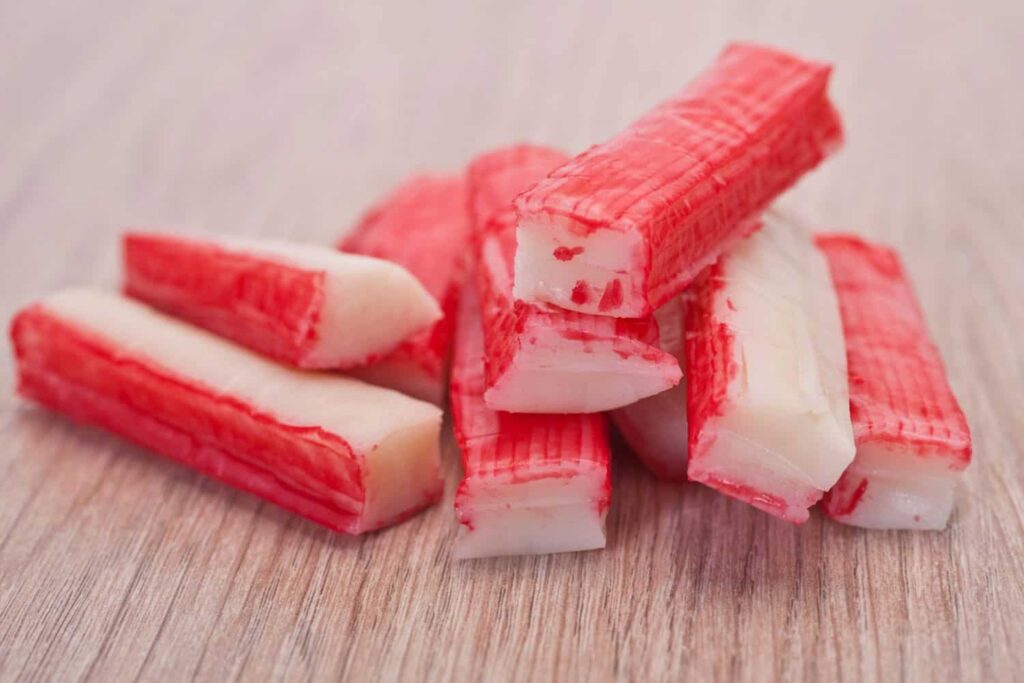
Imitation crab meat, commonly used in sushi and salads, contains a blend of fish paste and artificial ingredients. Known as surimi, it is flavored and colored to resemble real crab, relying heavily on additives for its taste and appearance.
While convenient and affordable, imitation crab is low in protein compared to real crab. It often contains added sugars, starches, and flavor enhancers, which further reduce its nutritional value.
Choosing fresh or canned crab offers a more natural and nutrient-dense alternative. This ensures your meals provide the rich flavor and health benefits associated with real crab.
Vegetable Chips
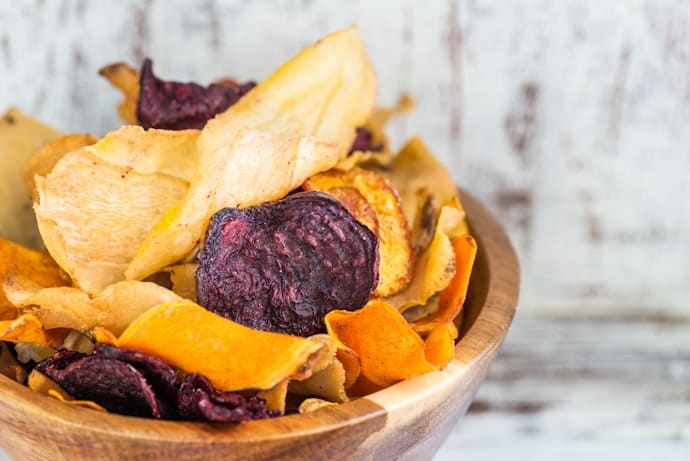
Vegetable chips might look like a healthy snack, but they often are not. Many brands cook these chips in bad oils and add fake flavors to copy savory tastes. The process takes away much of the vegetable’s fiber and nutrients, leaving only empty calories.
These chips usually have a lot of salt and artificial additives to make them taste better and last longer. The bright colors on the package don’t match the small amount of real nutrition inside.
Choosing raw vegetables with a homemade dip or baked vegetable crisps gives a truly healthy choice. This way, you keep the natural benefits while still enjoying a crunchy snack.
Healthy Choices, Healthier Lives

Understanding what you put in your grocery cart is important for keeping your health and well-being safe. This list shows how many items have chemicals instead of healthy nutrients.
The good part? Picking whole, natural foods can boost your energy, mood, and overall health a lot. You don’t need to feel overwhelmed to take charge of your eating habits.
Begin with a few easy changes, such as choosing plain yogurt instead of flavored kinds or making your own salad dressings.
If you like what you just read, then subscribe to my newsletter.
- 13 Really Healthy Foods That Most People Refuse To Eat
- Could Food Shortages Be Coming? 20 Items to Stock Up While You still Can
AI was used for light editing, formatting, and readability. But a human (me!) wrote and edited this.