20 Lazy Household Routines Costing You More Than You Think


Home habits look harmless, but tiny daily actions can slowly drain our money. It’s odd how energy, water, and convenience costs build up, often unseen until we check. Easy fixes can put more cash in your pocket each month.
A recent study shows yearly energy costs hit $5,159 per person, a number that can fall a lot with a few habit shifts. Other hidden costs, like throwaway items, also cut into budgets, raising daily bills more than needed.
This article points out common habits that waste money and gives tips to save at home without losing comfort. You’ll see which small changes help your wallet most and how they lead to cheaper living.
What daily home habit costs you the most? Post your guess in the comments and keep reading to check!
Turning Up the Thermostat Instead of Layering Up

Dress for the season to stay comfortable without changing the thermostat. Put on warm layers in winter and light clothes in summer to live well without heating or cooling your home.
This saves energy and cuts use of air systems. Many do not see how well seasonal clothes work. Layers in cold times and light outfits in hot times make your home greener.
Small shifts like these aid comfort and save money.
Ignoring Small Drafts and Air Leaks
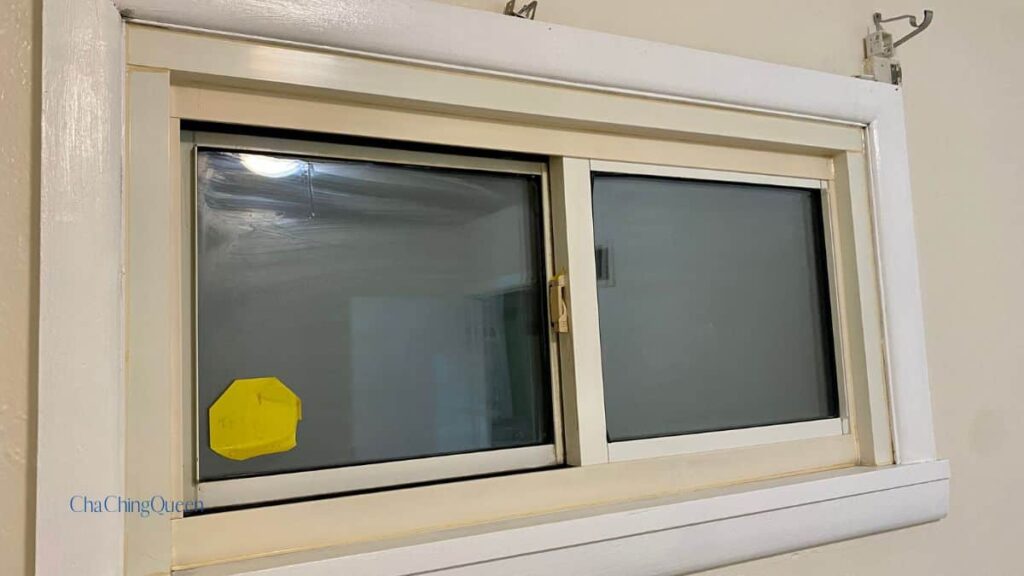
Small drafts in windows, doors, and even outlets can contribute to energy loss. Identifying and sealing these leaks keeps your home insulated and prevents temperature fluctuations.
Weatherstripping and outlet covers offer inexpensive solutions that help retain heat in winter and cool air in summer. These minor adjustments are often overlooked but can make a significant difference.
A well-sealed home reduces strain on HVAC systems, leading to lower energy bills and increased comfort. This approach is easy to implement and maintains home efficiency year-round.
Single-Use Household Products

Single-use items like paper towels, disposable wipes, and plastic wraps add up fast. Swap them for reusable options, such as cloth towels, washable rags, and silicone wraps, to cut waste and save cash.
These items need a small start-up cost but pay back later. Using reusable products helps the planet too. Homes make less trash and spend less, which aids green living without losing ease.
This easy switch brings lasting gains for money and Earth.
Using Traditional Lights Instead of LED for Decorations

Many households use standard string lights for holiday decorations, which consume more energy. LED string lights offer a lower-cost alternative, using less electricity and lasting longer. Switching to LEDs for seasonal decor reduces energy bills without sacrificing festive cheer.
LEDs produce less heat and are more durable, making them safer for extended use. By choosing energy-efficient decorations, households can enjoy celebrations while keeping costs low. This small adjustment allows for festive ambiance with minimal environmental impact.
 If you like what you are reading, then click like and subscribe to my newsletter. We share tips to waste less time and money.
Not Using Ceiling Fans Properly

Ceiling fans offer a cheap way to control indoor temperatures, but many people do not use them enough. In summer, run fans counterclockwise for a cooling effect. In winter, set fans clockwise to push down warm air. Change fan direction by season to cut HVAC use.
This easy habit makes a home more energy-efficient. Smart ceiling fan use lowers heating and cooling needs, which saves money. Good fan habits keep comfort high in a low-cost, green household.
Relying on Bottled Water

Buying bottled water regularly can become a significant expense. Investing in a water filter and reusable bottles provides a cheaper and more sustainable option. Filters ensure clean, safe drinking water at a fraction of the cost of bottled water.
In addition to saving money, using reusable bottles cuts down on plastic waste. Households benefit financially and environmentally, with clean drinking water available anytime. This habit offers both convenience and long-term cost savings.
Ignoring Routine Lawn and Garden Maintenance

Neglecting lawn and garden upkeep leads to higher water and repair costs. Regularly trimming plants and adjusting watering schedules according to weather prevents overwatering. Mulching and using rain barrels to collect water reduces dependency on municipal water supplies.
These practices improve garden health and reduce utility costs. By maintaining outdoor spaces, households keep their landscapes thriving without overspending on water.
Sustainable gardening supports both budget and environment, yielding beautiful results.
Leaving Lights On in Empty Rooms

Leaving lights on in unused rooms can seem harmless, but it results in higher electricity bills. Every hour a light is left on adds up over time. This cost might feel invisible, but addressing it can reduce waste.
Energy-efficient LED bulbs last longer than traditional ones and require less electricity. By turning off lights in empty rooms and choosing LEDs, households can save on both energy and bulb replacements, which also supports sustainable practices.
In developed countries, 5-10% of household electricity powers appliances and electronics in standby mode. Unplugging devices or using power strips prevents unnecessary energy use, helping households save on costs.
This approach to managing electricity helps create a lower-energy, cost-efficient home.
Ignoring Temperature Settings on the Thermostat

Many homes keep heat too high in winter or air conditioning too low in summer. This raises energy use. Programmable thermostats set to good levels cut family energy costs a lot.
These changes keep homes comfortable and bills low. Insulation helps control temperature too.
Seal windows, doors, and gaps well to trap warm or cool air. This cuts the need to run heat or AC all the time. These steps lower energy bills and boost home comfort for a long time.
Forgetting to Cancel Unused Subscriptions

It’s easy to forget about subscriptions for streaming, magazines, or other services that are rarely used. Monthly fees might seem small but can add up if left unchecked. The average consumer spends about $219 a month on unused subscriptions.
Regularly reviewing subscriptions and canceling those no longer needed can quickly free up funds. This review allows families to allocate money toward more valuable uses without compromising enjoyment or lifestyle.
Tracking subscriptions also prevents accidental renewals. Setting reminders to review and update subscriptions every few months keeps costs in check and ensures each subscription truly adds value.
Always Choosing Name Brands Over Generics

Buying name-brand items can hurt your budget since many store brands match their quality. Store brands give the same trust and taste for less money. Check product quality and read reviews to help families pick smart options that guard their cash.
This habit builds savings while keeping quality and daily needs strong. In time, picking store brands for food, cleaners, and home goods cuts costs a lot. These easy switches free up money without big changes to life.
Running Half-Loads of Laundry or Dishes

Running partial laundry loads leads to higher water and electricity use. Common appliances like washing machines, dishwashers, and dryers can be major energy drains. Limiting use to full loads and opting for energy-efficient cycles can lower electricity bills.
For example, washing clothes in cold water and air-drying where possible cuts down energy use. These small shifts can result in measurable cost savings over time. In the kitchen, appliances like ovens and microwaves also consume considerable energy.
Being mindful of their use and exploring alternatives, like stovetop cooking or air frying, can further reduce energy costs. Managing appliance use leads to savings and a smaller environmental footprint.
Leaving the Water Running Longer Than Needed

Water bills can be another drain on household budgets, especially with unchecked water use. Simple adjustments, such as turning off the tap while brushing teeth or installing low-flow showerheads, can reduce water consumption.
These minor changes help save water and lower monthly bills. Also, fixing leaks promptly prevents wasted water. Even small drips add up over time, resulting in higher bills and unnecessary resource waste.
By staying on top of water use and fixing issues quickly, households can manage costs effectively.
Skipping Budgeting for Small Home Expenses

Budgeting builds a key habit for good money control. Track spending and set limits to take charge of cash and cut costs. This brings steady finances, helps hit savings targets, and covers surprise bills.
A budgeting app or spreadsheet makes it simple. Track where money goes, make changes when needed, and match spending to goals. This smart method creates better money health.
Buying Instead of DIYing Simple Household Products

Adopting a DIY approach can help households save money on everyday items. For example, homemade cleaning solutions, personal care products, and basic repairs offer cost-effective alternatives to store-bought versions.
These solutions require simple ingredients, are often safer for the environment, and reduce household expenses. Exploring homemade options also builds self-sufficiency and creativity.
By learning to make or repair items instead of buying new, families develop skills that support long-term savings and resourcefulness.
Grocery Shopping Without a Plan

Creating a meal plan and shopping list before grocery trips prevents impulse buys and food waste. Planning ahead allows families to focus on essentials, reducing the likelihood of overspending.
Buying in bulk for commonly used items and looking for sales also supports budget-friendly shopping. Also, comparing prices at different stores or using apps to find deals helps keep grocery costs low.
These habits lead to savings without compromising the quality or variety of meals.
Dining Out Instead of Cooking at Home

Eating out often adds up to high costs fast. Cooking at home saves money and gives better food choices. Households can cut spending by limiting restaurant trips and still have fun treats now and then.
Home cooking stays easy. Basic healthy recipes cost less and taste good compared to eating out. They make meals cheap and good for health.
Driving Solo Instead of Carpooling

Transportation expenses, including gas and vehicle maintenance, can strain a budget. Carpooling with others or using public transit provides a practical way to cut these costs. Carpooling saves on fuel and reduces wear on vehicles, extending their lifespan.
Using public transportation where available can further reduce costs and environmental impact. For longer trips, planning ahead for the best fares supports budget-friendly travel, making transportation more manageable.
If you like what you are reading, then click like and subscribe to my newsletter. We share tips to waste less time and money.
Ignoring Routine Maintenance on Appliances
Routine maintenance on household systems and appliances can prevent costly breakdowns. Cleaning filters, checking for leaks, and scheduling regular HVAC servicing ensures efficient operation and extends their lifespan. This approach helps avoid unexpected repair bills.
Proactive maintenance is often simple and saves money in the long run. By prioritizing upkeep, households can avoid emergency repairs and enjoy better appliance performance over time.
Using Standard Curtains Instead of Insulated Ones
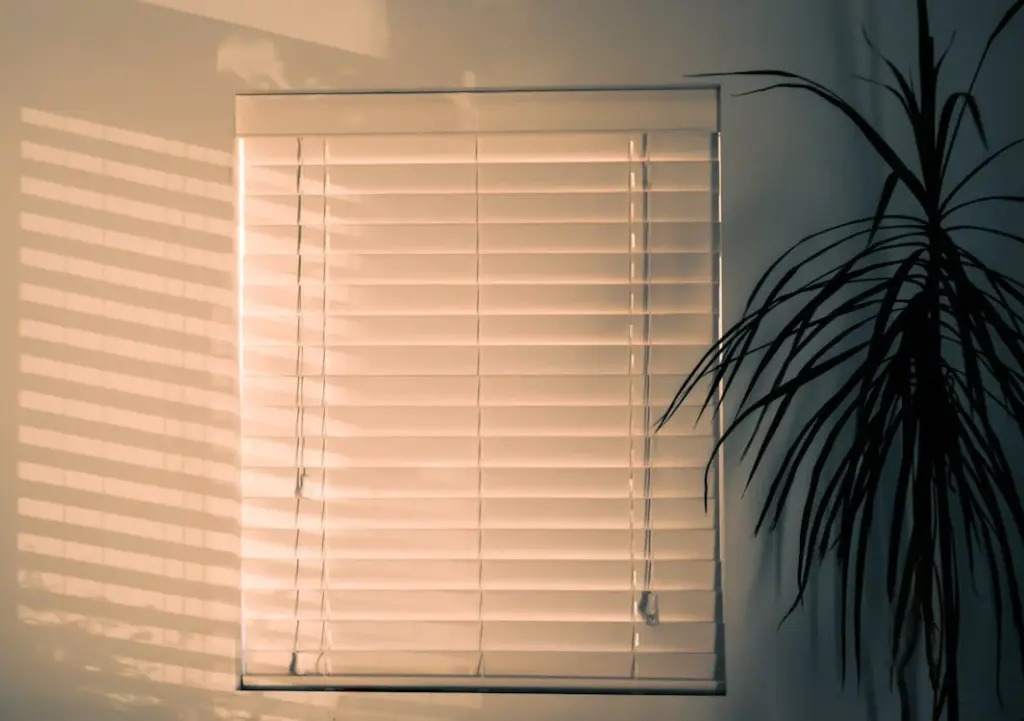
Traditional blinds or curtains give poor protection from outside heat and cold. Energy-saving window covers, such as thermal curtains or cellular shades, keep indoor temperatures steady and cut heating and cooling bills.
These easy setups boost comfort and lower energy use. Close shades on hot days and open them on cold days for clear results.
This method builds a natural barrier that reduces work on HVAC systems and trims monthly bills. In the long run, energy-saving covers provide a smart fix for high energy costs.
Your Path to Smarter Savings at Home

It’s simple to pick up home habits that seem minor but cut monthly bills a lot. Switch to LED lights or control heating to save cash each month.
These changes build into true savings over time. The best part is they keep your comfort and ease intact. Try one or two today.
Once these habits stick in your daily life, your bills will drop, and you’ll feel good about a home that saves money.
If you like what you just read, then subscribe to my newsletter.