20 Ways Inflation Could Benefit You


Rising prices are often viewed as a burden, adding pressure to household budgets and making everyday essentials more costly. Most people focus on the immediate struggles like higher grocery bills, increasing rent, and steep gas prices.
While these concerns are legitimate, there is another perspective that often goes unnoticed. When managed well, inflation can actually bring advantages to individuals, businesses, and the wider economy.
According to a study by the International Monetary Fund (IMF) , low and stable inflation encourages economic activity by prompting consumers to buy sooner, anticipating that prices will rise in the future.
In this article, we will explore 20 surprising ways that rising prices can work to your benefit. You’ll discover how inflation can alleviate debt burdens, boost asset values, and even inspire smarter investment decisions.
What do you think about the positive side of rising prices? How have you adjusted to inflation in your everyday life? Share your thoughts in the comments.
Encourages Immediate Spending and Investment
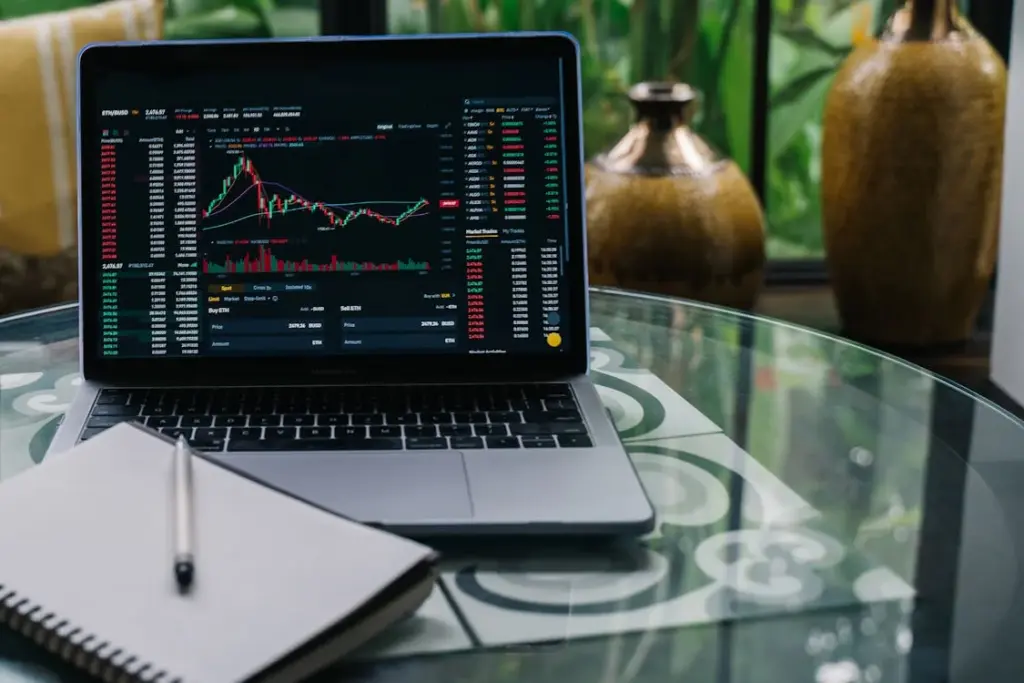
When prices are expected to rise, people are more likely to make purchases sooner rather than later. This increase in spending helps boost economic activity as businesses see higher demand for their products and services.
As a result, companies may expand operations, hire more workers, and invest in innovations to meet growing needs. Investors may also allocate funds to stocks, real estate, or other appreciating assets to preserve and grow wealth.
This cycle of spending and investing helps maintain economic momentum and reduces the risk of stagnation.
Encourages Real Estate Investment

Real estate often gains appeal during inflation because property values and rental income usually increase alongside rising prices. Investors frequently consider real estate a dependable store of value, particularly when other assets lose purchasing power.
Owning property can provide passive income through rentals while appreciating over time, delivering both financial stability and growth. Many also see real estate as a hedge against inflation, offering long-term security.
Increasing property values can boost wealth and open up opportunities for future investments.
Promotes Investment in Inflation-Protected Securities

Periods of rising prices highlight the importance of protecting savings against inflation. Many investors turn to inflation-protected securities, such as Treasury Inflation-Protected Securities (TIPS), which are designed to preserve purchasing power.
These investments adjust with inflation, offering a safe and steady option during uncertain economic times. Allocating funds to these types of assets can help secure wealth while taking advantage of inflation-driven market changes.
Choosing inflation-protected options often reduces risk and provides confidence during rising costs.
Increases Asset Values

Rising prices often lead to higher values for tangible assets like real estate, commodities, and collectibles. Property owners, for example, may see their home values appreciate, which can increase personal wealth and borrowing power.
Investors holding gold or other commodities may also benefit from rising prices as these assets tend to retain or increase their value during inflationary periods. This trend provides a financial cushion and an opportunity to leverage assets for future investments.
Asset appreciation supports both individual wealth and broader economic stability.
Reduces Real Value of Debt

Inflation can ease the burden of debt by lowering its real value over time. For borrowers, especially those with fixed-rate loans, the amount they owe remains the same while their income may rise due to inflation.
As wages increase, repaying loans becomes more manageable, effectively reducing the financial strain. This makes inflation beneficial for homeowners, businesses, and governments carrying long-term debt.
It can also encourage borrowing for investments that generate returns, further contributing to economic activity.
Promotes Wage Growth
Inflation can prompt employers to raise wages to keep pace with rising living costs. Workers may receive salary increases that enhance their purchasing power, helping them maintain their standard of living.
Wage growth also strengthens consumer confidence, promoting spending and benefiting businesses. In competitive job markets, companies frequently offer higher pay to attract and retain skilled workers, fostering opportunities for career growth.
Increasing wages supports a healthier economy by distributing income more evenly and reinforcing household stability.
Stimulates Economic Growth

Moderate inflation can motivate businesses to produce more goods and services to meet rising demand. This expansion leads to job creation, increased revenue, and stronger economic growth.
Higher prices often push companies to innovate, improve efficiency, and explore new markets to stay competitive. Economic growth supported by inflation can lead to infrastructure improvements and higher public spending, which further benefit society.
A growing economy also attracts investment, creating a cycle of prosperity and development.
Motivates Personal Financial Planning

Inflation often prompts individuals to reevaluate their budgets and spending habits. Rising costs encourage people to prioritize needs over wants, track expenses, and look for ways to save.
Developing these habits can lead to stronger financial discipline and better long-term money management. Many start focusing on building emergency funds and cutting unnecessary spending, which creates a more stable financial foundation.
Being proactive about personal finances during periods of inflation can lead to smarter decisions that build lasting security.
Strengthens Negotiation Skills

Rising prices often encourage people to become more assertive when negotiating salaries, contracts, and purchases. Employees may push for higher wages to keep up with inflation, while businesses renegotiate supplier agreements to manage costs.
Consumers also learn to bargain for better deals on goods and services, leading to improved financial outcomes. These skills can have lasting benefits, helping individuals and businesses secure fair terms even after inflation stabilizes.
Developing confidence in negotiations often leads to stronger financial positions and better value in everyday transactions.
 If you like what you are reading, then click like and subscribe to my newsletter. We share tips to waste less time and money.
Reduces Unemployment

Inflation can lead to higher production and service demands, requiring businesses to hire more workers. Increased employment opportunities provide income for households, which boosts spending and further stimulates the economy.
A lower unemployment rate often creates more competition among employers, resulting in better wages and benefits for workers. As businesses expand to meet consumer demand, job creation spreads across various sectors.
Lower unemployment strengthens the labor market and reduces reliance on social assistance programs.
Enhances Business Profitability

Businesses often benefit from rising prices, as they can charge more for their products and services. Higher revenues allow companies to reinvest in operations, expand their reach, and improve product offerings.
Increased profits may also lead to job growth and better employee compensation, creating positive ripple effects. Profitable businesses contribute more to tax revenues, enabling governments to fund public programs and infrastructure projects.
This cycle of profitability and reinvestment fosters economic resilience and long-term growth.
Promotes Side Hustles and Extra Income Streams

Inflation often inspires people to seek additional income sources, such as freelancing, side hustles, and online businesses. Rising costs create a stronger motivation to diversify earnings, providing extra financial security.
Many turn hobbies or skills into profitable ventures, boosting their income while pursuing personal interests. Building multiple income streams can reduce dependence on a single job and protect against economic uncertainty.
This shift also encourages creativity, entrepreneurship, and long-term wealth-building strategies.
Encourages Stock Market Investment

Inflation often motivates investors to pursue higher returns in the stock market. Many companies increase prices during inflation, resulting in higher revenues and potentially improved stock performance.
Investors may view stocks as a means to outpace inflation and safeguard their money’s value. Businesses that thrive in inflationary conditions tend to draw more attention, fueling market growth. Investing in stocks can offer long-term gains, even amid rising prices.
Encourages Efficient Resource Allocation

Rising prices often prompt businesses and consumers to use resources more efficiently. Companies may adopt cost-saving technologies, streamline operations, and reduce waste to control expenses.
Consumers might prioritize essential purchases, seek affordable alternatives, or adopt energy-saving practices. This focus on efficiency leads to smarter decision-making and better use of resources across industries.
Over time, improved resource management supports sustainability and reduces reliance on scarce materials.
Encourages Innovation

Rising prices often push businesses to develop better products and services. Higher costs can motivate companies to find creative solutions, improve efficiency, and adopt new technologies.
This drive for innovation not only helps businesses stay competitive but also benefits consumers with improved options and features. Industries facing inflationary pressures tend to focus on delivering greater value, which can lead to breakthroughs in design, performance, and sustainability.
As businesses innovate, customers gain access to higher-quality products that offer better long-term value.
Stimulates Demand for Durable Goods

Inflation often leads consumers to focus on purchasing items that hold value over time. Durable goods like appliances, furniture, and vehicles become popular choices because they offer long-term utility.
Instead of spending on short-lived products, many people prioritize quality and longevity, which helps reduce waste and unnecessary expenses. This shift in buying habits supports industries that produce durable goods, encouraging sustainable production practices.
Making purchases with long-term benefits can lead to better financial decisions and cost savings.
Encourages Frugality and Minimalism
Higher prices often prompt people to rethink spending habits, leading to more mindful consumption. Many adopt minimalist lifestyles, focusing on needs rather than wants, which reduces waste and unnecessary expenses.
Shifting toward frugality often creates long-term savings and promotes sustainable habits. People also discover the value of repurposing, repairing, and sharing resources instead of constantly buying new items.
These changes not only help stretch budgets but also support a more intentional and fulfilling way of living.
Increases Government Revenue
Higher prices often lead to greater tax revenue, especially through sales taxes and income adjustments. Governments can use this additional funding to invest in infrastructure, healthcare, education, and public programs.
Increased spending on public services can boost economic activity and improve quality of life. These investments also create jobs and stimulate local economies, providing widespread benefits.
Rising government revenue can strengthen social safety nets and fund long-term development projects.
Promotes Energy Efficiency

Higher energy costs often encourage individuals and businesses to adopt energy-efficient technologies and practices. Consumers may invest in energy-saving appliances, solar panels, and fuel-efficient vehicles to reduce long-term expenses.
Businesses also focus on reducing energy waste and optimizing operations to cut costs. These changes lead to greater sustainability, helping the environment while saving money.
Rising energy prices often drive innovation in renewable energy, making clean energy solutions more accessible and affordable.
Supports Small Business Growth

Inflation can create opportunities for small businesses to offer cost-effective products and services. Consumers may seek alternatives to high-priced goods, which allows smaller companies to compete and attract new customers.
Rising prices also push entrepreneurs to adapt quickly, leading to creative solutions and niche markets. This environment often fosters growth and diversification, benefiting local economies.
Small businesses can thrive by offering value-driven options that meet changing consumer needs.
Inflation’s Hidden Advantages

Inflation is often seen as a financial hurdle, but it can also create unexpected opportunities for growth and stability. Rising prices encourage smarter spending, promote investments, and drive innovation across industries.
It pushes individuals to improve financial planning and businesses to adapt, leading to long-term benefits. Understanding these advantages helps turn economic challenges into opportunities for progress and security.
Recognizing inflation’s potential can empower better decisions and create pathways for financial success.
If you like what you just read, then subscribe to my newsletter.
- Feeling the Squeeze? 23 Reasons Inflation Is Hitting Harder Than Ever
- Achieve Financial Freedom: 20 Habits You Can Start Today
- Afraid Of Inflation? 20 Things Unaffected by Rising Prices
AI was used for light editing, formatting, and readability. But a human (me!) wrote and edited this.