2026 BMW iX3 review: 400-mile electric SUV for real life
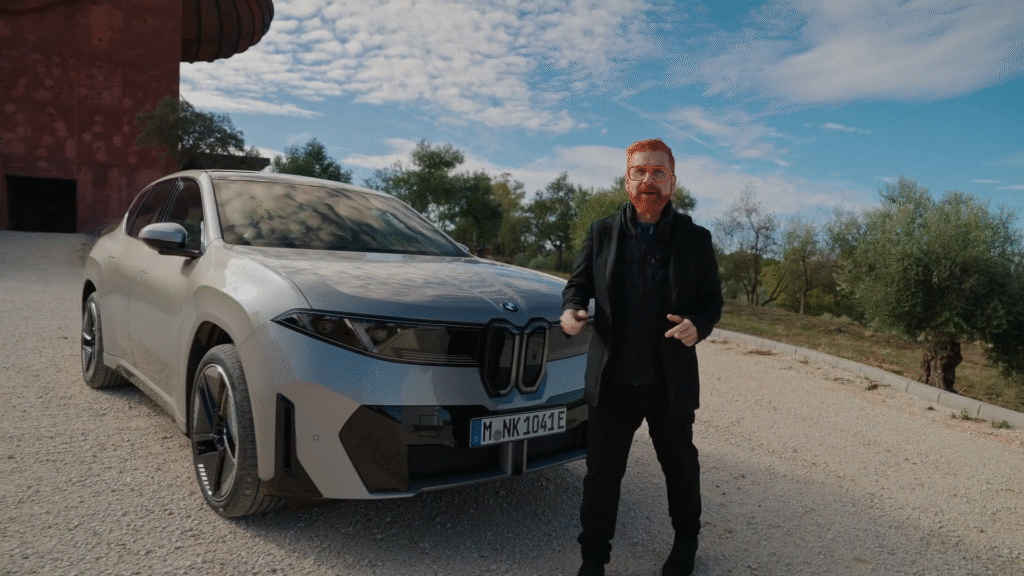
Electric vehicles are now the center of the automotive conversation, not the sideshow. The 2026 BMW iX3 arrives as the first production Neue Klasse electric SUV, offering an estimated 400-mile EPA range, dual-motor all-wheel drive, and ultra-fast 800-volt charging. It drops directly into the core of the electric SUV market with the sort of numbers that matter in real life.
BMW’s estimated 400 miles of U.S. range, and nearly 500 miles on WLTP depending on configuration, goes straight at long-range EV anxiety. For families, commuters, and road-trip regulars, the difference between 260 miles and 400 miles is no longer theory. It shapes how often you stop, how far you go, and whether you keep your schedule intact.
The iX3 is also BMW’s first true software-led vehicle. It uses four central computing clusters, over-the-air updates, and a completely redesigned electrical architecture. Instead of adding tech on top of an old platform, BMW rebuilt the digital foundation so future automated driving and connected services can be layered in over time.
All of this enters a U.S. market where new-car prices remain high, used-car prices refuse to fall quickly, and buyers are increasingly fatigued by expensive monthly payments. A luxury electric SUV that promises strong range, credible efficiency, and long-term updateability becomes more than an indulgence. It becomes a strategy.
Consumer behavior makes this clear. When buyers walk away from cars, it’s usually because pricing, technology, efficiency, or usability feels wrong. The iX3’s entire purpose is to satisfy all four categories at once.
How does it compare to rivals?
The iX3 squares up against the Tesla Model Y, Mercedes EQC, Audi Q4 e-tron, Cadillac Optiq, and Porsche Macan Electric. On paper, the BMW punches hard: roughly 463 horsepower, dual-motor all-wheel drive, and a 0 to 60 time under five seconds. That’s proper sport-sedan performance wrapped in a family-friendly shell capable of hauling a dog and four teenagers who smell like they lost a fight with a gym bag.
Charging speed is where the Neue Klasse platform really flexes. The iX3’s 800-volt electrical system and up to 400 kW charging enable a roughly 175-mile refill in about ten minutes when plugged into a capable DC fast charger. That’s the sort of stop-and-go convenience that makes electric vehicles finally competitive with petrol road-tripping.
Efficiency is equally impressive. Real-world European tests show the iX3 achieving or surpassing WLTP figures, making it one of the more efficient midsize electric SUVs of its size. The regenerative braking system handles about 95 percent of stopping, even during performance driving. One-pedal driving feels natural and makes daily commuting laughably simple.
Inside, BMW avoids the extremes. Tesla leans toward digital minimalism; Mercedes toward plush isolation. The iX3 splits the difference with clean exterior lines, illuminated vertical kidney elements, and a cabin that balances modern digital design with physical controls where they still matter. It feels premium without becoming a tablet showroom.
Cargo space sits at roughly 18.4 cubic feet behind the second row and about 61.8 cubic feet with seats folded. A small two-cubic-foot front trunk adds extra storage for cables or a very disciplined beagle. For a 15.5-foot SUV, the numbers are entirely competitive.
Who is this for, and who should skip it?
The 2026 BMW iX3 suits buyers who want a refined, premium electric SUV that still behaves like a proper BMW. You want confident handling, crisp steering, a composed ride, and a cabin that feels driver-centric rather than gadget-obsessed. You also want a vehicle capable of daily family use without checking a charging map every hour.
Tech-forward buyers will appreciate the software-defined platform, the long-term update path, advanced driver-assistance systems, and bidirectional charging capability. Fast charging performance is among the best in its class, and the vehicle is designed to benefit from improvements to grid technology over the next decade.
Practicality remains a strong suit. Adult-friendly second-row seating, a dog-ready cargo area, and intuitive controls make the iX3 feel familiar rather than experimental. It bridges the gap between traditional BMW X3 shoppers and early EV adopters.
Who should skip it?
Anyone watching monthly payments closely. With a starting price near sixty thousand dollars in the United States, the iX3 sits in premium territory. Insurance and tax conditions vary widely, and regions with unreliable public charging may make plug-in hybrids or efficient petrol SUVs more rational choices.
Buyers who depend heavily on federal or state EV incentives may also find timing essential. In markets where incentives have vanished or charging networks remain patchy, the real-world ownership equation shifts quickly.
What is the long-term significance?
The iX3 is significant not just as a single model but as BMW’s first public demonstration of its Neue Klasse strategy. Over the next two years, BMW plans roughly forty new or updated vehicles built on the same software and battery foundations. The iX3 is the first domino.
It also marks a turning point in EV capability. Ten-minute charging sessions delivering nearly 200 miles of added range change the psychology of electric-vehicle ownership. Range anxiety becomes range management. The iX3 transitions EVs from “acceptable compromise” to “better solution.”
The broader shift lies in how BMW is treating hardware and software. Features increasingly live in code rather than physical components. Cars gain functions over time, adapt to new regulations, and support new services. This model positions BMW for a future where digital revenue, connected services, and long-term updateability define how cars hold value.
In the midst of global EV competition, economic uncertainty, and shifting consumer expectations, the iX3 lands as a confident, well-executed answer. It is familiar enough for long-time BMW loyalists, modern enough for tech-focused buyers, and practical enough for families. It behaves like a real car, not a rolling prototype.
If you want a luxury electric SUV that blends long range, fast charging, strong dynamics, and everyday usability, the iX3 stands out as one of the most convincing options arriving for 2026.