2026 Honda Pilot, The Family Tool That Quietly Wins
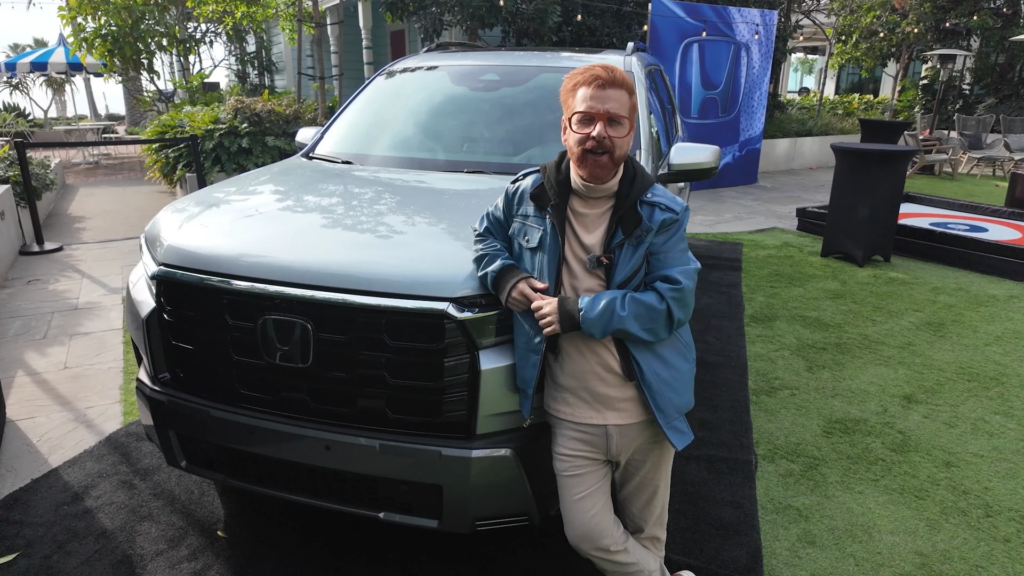
If you’re anything like me, bright, busy, and slightly skeptical about automotive marketing noise, you’ve probably noticed a shift in family vehicles. For a long while, SUVs chased headlines. Bigger horsepower numbers. Flashier screens. Drift mode. But here’s the rub: most families don’t spend their lives on twisty mountain roads or drag strips. They spend them in school drop-offs, traffic jams, grocery runs, and quiet Sunday escapes. And frankly, the majority of vehicles marketed as “family SUVs” feel more like status symbols than partners in daily life.
That’s why the 2026 Honda Pilot matters. It’s not chasing headline figures or social-media-friendly specs. It’s quietly doing what most families actually need: being reliable, reassuring, intuitive, and unobtrusive. In a moment when automotive complexity is skyrocketing, and buyers are more overwhelmed than ever, the Pilot’s unflashy focus on everyday function feels almost revolutionary.
Honda’s design philosophy has shifted, not toward the bells and whistles that win headlines, but toward the kind of calm usability that wins long-term trust. That matters because the modern household doesn’t need another gadget wrapped in sheet metal; it requires a partner that orchestrates your weeks with less effort, not more.
In 2026, as cars pile on gimmicks that often serve marketing more than utility, this Pilot feels like a much-needed counterpoint. It reminds us that the value of a vehicle isn’t measured in peak torque or animated light shows, but in how seamlessly it fits into your life.
How does it compare to rivals or alternatives?
When you place the 2026 Honda Pilot alongside its contemporaries, vehicles like the Toyota Highlander, Hyundai Palisade, Kia Telluride, and Subaru Ascent, the differences are subtle, but meaningful. Others in the segment often pursue style, infotainment, or platform-sharing with sportier derivatives. That’s fine if that’s your priority. But these qualities don’t always translate into better everyday experiences.
Take visibility, for example. Many SUVs in this class rely heavily on cameras, sensors, or digital overlays to compensate for thick pillars or aggressive rooflines. They feel high-tech, sure, but they also insert a layer of abstraction between the driver and the road. The Pilot takes a different tack. Its thin A-pillars, low cowl, and generous mirror surfaces mean you see more with your own eyes before software ever has to step in. This isn’t just a design quirk; it’s a safety philosophy rooted in honesty rather than spectacle. You don’t feel like you’re being monitored; you feel informed.
Similarly, driver-assist systems in the Pilot behave like capable adults, not courtroom actors. They intervene gently, communicate clearly, and yield control back to you without the conflicted tone so many rivals adopt. Steering feels predictable, braking is smooth, and the car doesn’t hijack mundane tasks with jerky corrections that leave you wondering whether the vehicle is helping you or policing you. In contrast, some competitors’ safety suites, while comprehensive, can feel overzealous or intrusive during routine driving.
In terms of performance, the Pilot isn’t aiming to dethrone sport-oriented SUVs. Its acceleration is linear and composed, the power delivery never demanding your attention, and the ride comfort prioritizes serenity. Other vehicles might serve up sharper throttle responses or more aggressive tuning, but the Pilot’s temperament aligns with the priorities of most families: calm, predictable, and unflustered.
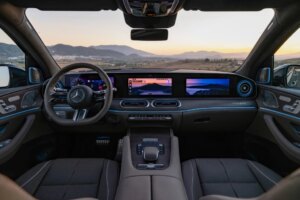
Inside, many rivals clutter digital interfaces with layers of menus and animated flourishes. The Pilot, by contrast, keeps physical controls where you expect them, with logical screen layouts that don’t require a manual to operate. This results in an experience that feels less like adapting to technology and more like technology adapting to you.
The third row, too, is a practical reality, not a marketing afterthought. Unlike some competitors, where the third row is an occasional seat best reserved for children, the Pilot’s back seats can accommodate adults for more than fleeting moments. It’s a subtle distinction, but one that fundamentally changes how you use the space. Load-in moments, whether kids, friends, or gear, feel less like logistics and more like routine.
Cargo capacity reinforces this practical utility. The space is wide, low, and usable without contortions or strategy. Dogs, strollers, groceries, weekend bags, they all fit without drama. Some rivals focus on headline cubic-foot figures, but the Pilot’s real-world dimensions translate more clearly to load-in ease.
In short, while competitors add value through spectacle or spectacle-adjacent features, the Pilot adds it through steadiness and utility. If you want flash, there are plenty of choices. But if what you want is a vehicle that blends into your life and makes it easier, the Pilot has a clear claim to that space.
Who is this for, and who should skip it?
The 2026 Honda Pilot is designed for people who spend most of their time in the real world, not on automotive toy-trails or enthusiast forums. It’s for families juggling school runs, work commutes, errands, weekends away, and occasional cross-country trips. It’s for people who appreciate predictability over headline horsepower, and function over flamboyance.
If you find yourself nodding along at the idea of a vehicle that quietly integrates into your daily rhythm rather than seeking your attention at every turn, this Pilot is speaking directly to you. It’s tailored to those who value ease of use, intuitive interfaces, thoughtful ergonomics, and a vehicle that behaves predictably in the situations that matter most: traffic, school zones, parking structures, and long highway runs.
That said, it’s not for everyone. If your automotive priorities tilt toward excitement, dramatic styling, or sportscar-like dynamics in your family SUV, the Pilot won’t deliver that thrill. Its performance is more than capable, but not showy. If you’re inclined toward the visceral, sharper turn-in, buzzy acceleration, and aggressive chassis tuning, there are vehicles in the segment that will better satisfy those appetites.
Likewise, tech-theatre enthusiasts who prioritize splashy digital displays, augmented reality overlays, or animated menus might find the Pilot’s no-nonsense interface too subdued. This SUV is functionality over flash. It doesn’t mean it’s behind the curve; it means it chooses usefulness over spectacle.
The Pilot’s temperament also suits long-term ownership. It’s optimized for the thousandth errand rather than the first test drive. That’s a crucial distinction. Some vehicles feel great on day one and less grounded on day 300. The Pilot feels designed from the outset to integrate into routines, making repetitive tasks less taxing and everyday driving less eventful in the best possible way.
What is the long-term significance?
In a world where vehicles are becoming increasingly complex, with software layers, advanced graphics, digital assistants, and more, the Pilot’s philosophy feels almost contrarian. But that contrarianism might be its strength.
Honda has built a reputation for reliability and resale value that few competitors can match; over the long haul, that translates into cost-of-ownership advantages that matter to practical buyers. While some rivals chase short-term headlines with bold tech or styling, the Pilot’s emphasis on fundamentals positions it as a vehicle built for the long haul: dependable, understandable, and unflappable.
Safety, too, plays into this long-term narrative. Systems that intervene respectfully, without overstepping, breed confidence. Drivers who trust their vehicle are less fatigued and less anxious during daily drives. Predictable handling and clear visibility reduce cognitive load, which, over thousands of hours behind the wheel, matters far more than a few extra horses or a flashy infotainment screen.
The Pilot’s third-row usability and cargo practicality also contribute to its long-term appeal. Many SUVs advertise seating for “up to eight,” but fall short when adults must actually occupy those seats for more than a few minutes. Not so here. This distinction converts occasional utility into genuine flexibility, an essential factor for growing families or those who balance people and gear.
And while the Pilot doesn’t chase the latest gimmicks, its tech suite doesn’t feel outdated. Infotainment is responsive, integrates smartphones cleanly, and avoids burying essential features behind confusing menus. It’s a balanced approach that respects your time and intelligence.
Ultimately, the Pilot’s long-term significance lies in its utility. Vehicles that reduce friction, in terms of visibility, safety, ergonomics, and daily usability, may age better than those built around novelty. Trends come and go. Basics endure. That’s the quiet strength of the Pilot.
Calm, reflective closing
The 2026 Honda Pilot isn’t the kind of SUV that makes headlines with dramatic figures or eye-catching gimmicks. It doesn’t try to dominate car-show floors or social feeds. Instead, it quietly integrates into life in a way that’s increasingly rare: reliable, intuitive, and unobtrusive.
For families and practical owners who value vehicles that just work, without commanding attention, this Pilot is a breath of fresh air. It’s the sort of SUV that earns trust not through hype, but by disappearing into your day-to-day routine, supporting you without drama. And in a world of automotive excess, that might be the most desirable trait of all.