2027 Subaru Forester Wilderness Hybrid Brings Efficiency Off-Road
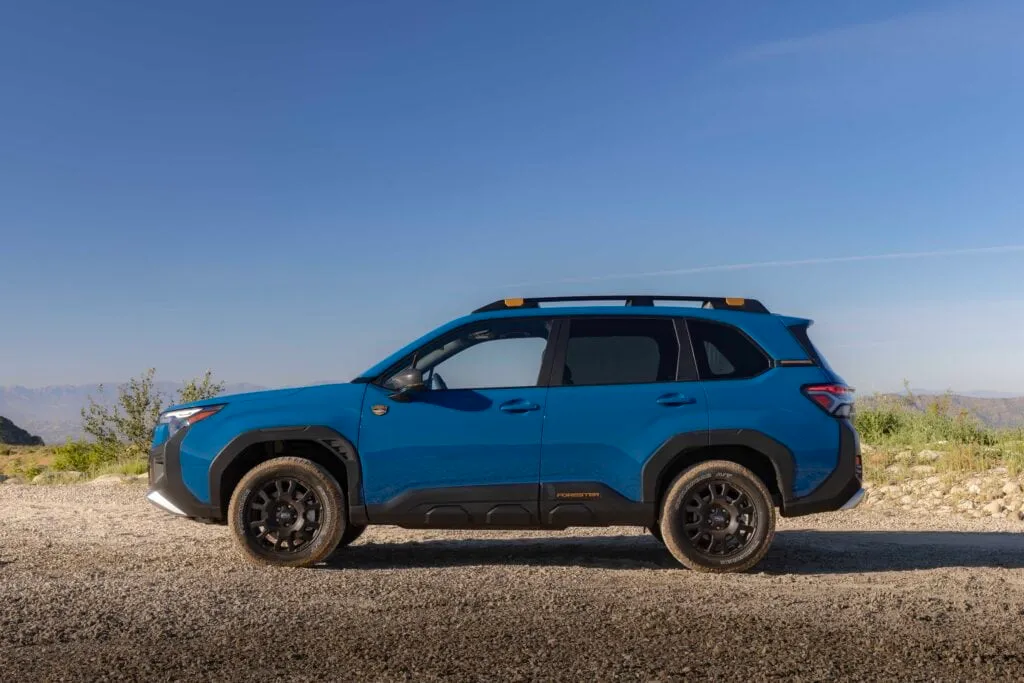
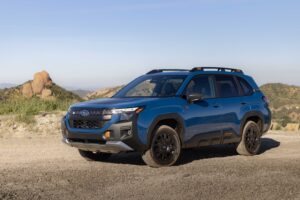
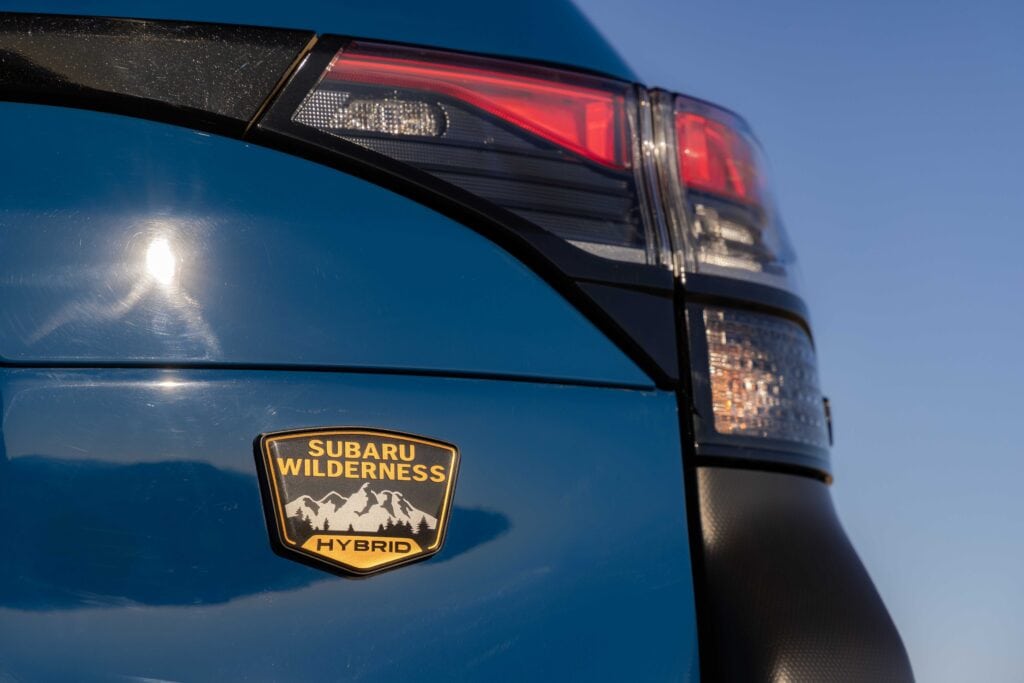
Subaru just revealed the first-ever Wilderness model with a hybrid powertrain. The 2027 Subaru Forester Wilderness Hybrid pairs the rugged gear that made the badge popular with a next-generation hybrid system promising up to 25 percent better fuel economy. It debuted at the 2026 New York International Auto Show and arrives late in 2026.
This move feels timely as more families look for SUVs that handle weekend adventures without constant fuel stops. Subaru kept the go-anywhere basics intact while adding efficiency that could change how people think about the Wilderness lineup.
The company built its reputation on practical all-wheel-drive vehicles that work in everyday life and on dirt roads. Now it is extending that same thinking to hybrids.
You may also enjoy this: EV Sales Slow Down, Hybrids Surge: What that means for you
What Makes the 2027 Subaru Forester Wilderness Hybrid Different
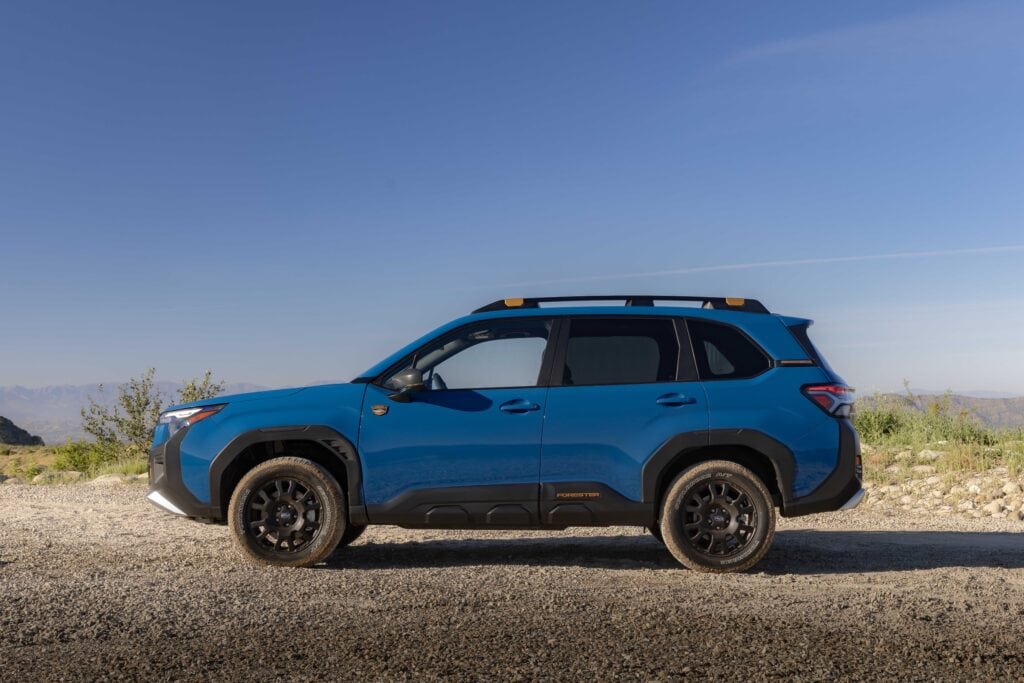
The Forester Wilderness Hybrid uses the same 2.5-liter hybrid engine found in the standard Forester Hybrid. It teams up with electric motors and a high-capacity lithium-ion battery for a combined 194 total system horsepower. That’s a nice step up from the 180 horsepower in the gas-only Wilderness version.
Subaru kept the mechanical all-wheel drive with its direct connection between front and rear axles. Many hybrid rivals rely on electronic systems that can feel less predictable when traction gets tricky. Subaru also tuned the suspension for both on-road comfort and off-road control so the vehicle does not feel harsh when you are just running errands.
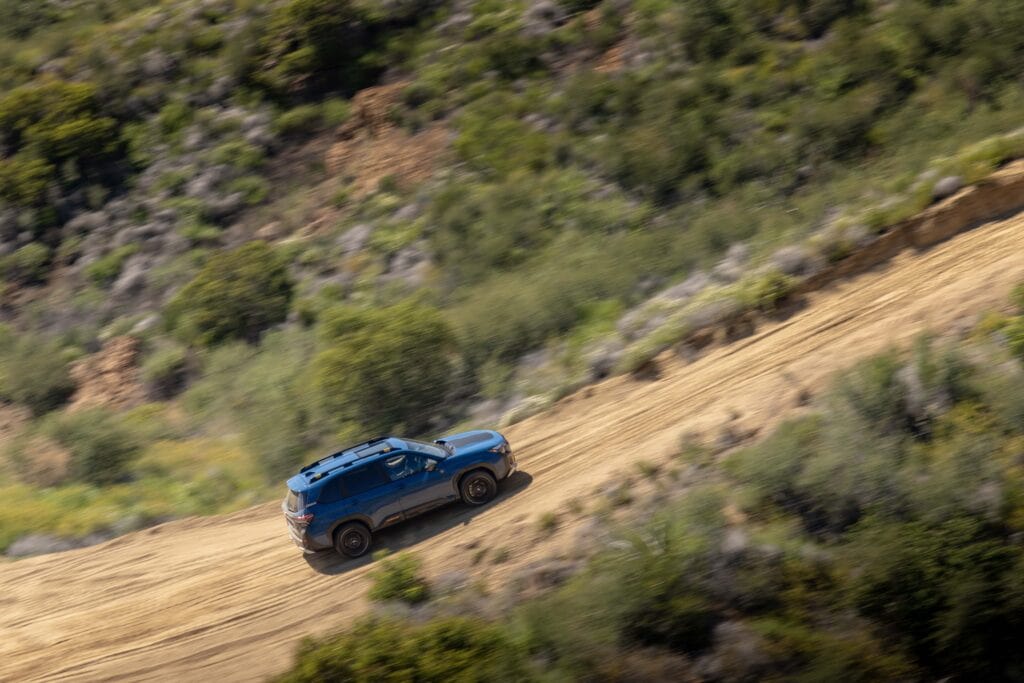
Ground clearance stays at 9.3 inches thanks to longer coil springs and revised shock absorbers. The approach angle measures 23.5 degrees, breakover 20.6 degrees, and departure 25.5 degrees. All those numbers beat the standard Forester Hybrid. X-Mode with dual mode settings for Snow/Dirt and Deep Snow/Mud plus hill descent control remain standard.
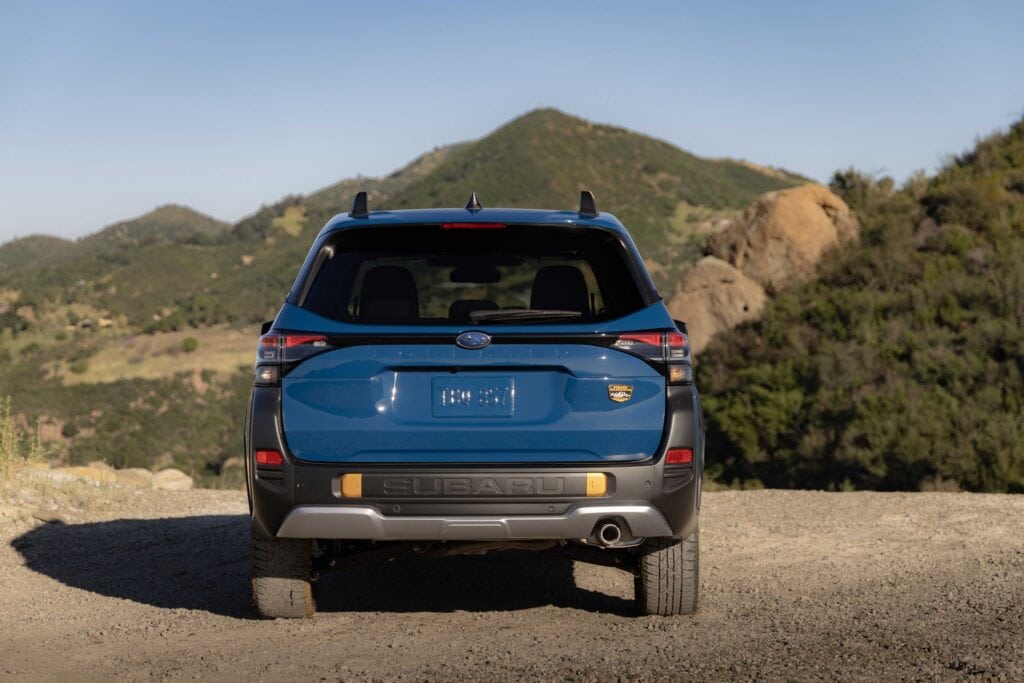
Larger all-terrain Yokohama Geolandar tires ride on 17-inch matte black wheels exclusive to the Wilderness trim. Raised ladder-type roof rails can handle an 800-pound static load so you can still carry kayaks or bikes without worry. Cargo space measures 27.5 cubic feet behind the rear seats and expands to more than 69 cubic feet with them folded. That matches up with the gas version so you don’t lose out on cargo room with the hybrid.
Inside you will find weather-resistant gray textured StarTex upholstery that cleans easily after muddy outings. All-weather mats and a cargo protector come standard. The cabin adds sound-absorbing materials and structural adhesives for a quieter ride whether you are on pavement or gravel.
You may also enjoy this: Top 5 Three-Row Hybrid SUVs to Save on Gas
Technology That Fits Daily Life and Weekend Trips
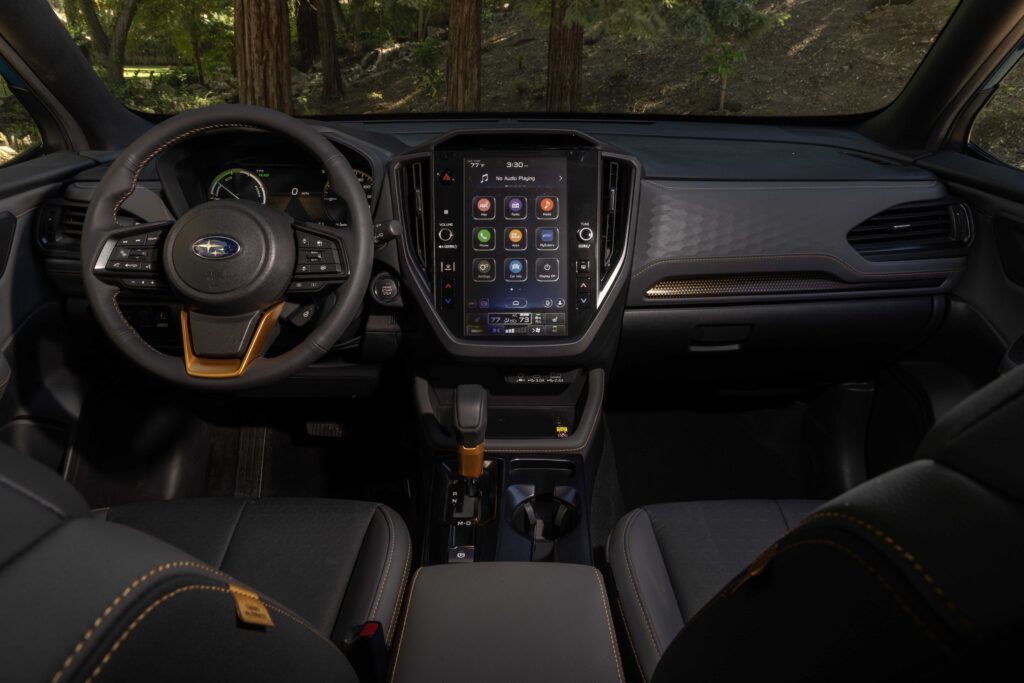
There’s a 12.3-inch digital instrument cluster and an 11.6-inch tablet-style touchscreen handles infotainment with wireless Apple CarPlay and Android Auto. An 11-speaker Harman Kardon audio system is available.
Subaru’s EyeSight driver assist technology is standard. It includes automatic emergency braking, lane keep assist, blind-spot detection, rear cross-traffic alert, lane change assist, and advanced adaptive cruise control with lane centering. These features prove useful whether you are navigating city traffic during the week or on an off-road weekend adventure.
Why This Matters for Subaru Right Now
Subaru built the Wilderness trim to give buyers more capability without going hardcore into off-roading. The gas versions proved popular with people who wanted extra ground clearance and tougher tires but still needed something comfortable for daily use.
The up to 25 percent better fuel efficiency for the hybrid could make a meaningful difference on road trips or when gas prices climb. It also positions Subaru better against rivals that already offer hybrid power in their adventure-oriented trims.
The timing lines up with growing interest in vehicles that mix efficiency and versatility. Families who camp, hike, or simply drive on snowy roads want options that do not force tough trade-offs. Subaru is showing it can evolve the Wilderness idea without losing what made it appealing in the first place.
You may also enjoy this: 2027 Kia Telluride Hybrid: More Space, Better MPG
How It Stacks Up in the Segment
Other compact SUVs offer hybrid power and some light off-road tweaks, but few match the mechanical all-wheel-drive approach Subaru uses. The Toyota RAV4 Woodland and Honda CR-V TrailSport bring useful ground clearance and all-terrain tires yet they rely more on electronic traction aids.
The Forester Wilderness Hybrid keeps the traditional mechanical connection that many longtime Subaru fans appreciate especially in slippery conditions. Its higher clearance and better approach angles give it a slight edge for actual trail use compared with many crossovers that wear rugged-looking cladding but stay mostly pavement-oriented.
You may also enjoy this: Practical Car Features That Save You Time and Money
Who Should Watch for This One
This model suits active families or couples who regularly mix highway commuting with dirt-road weekends. Think of loading bikes on the roof rails for a Saturday ride then heading home on wet roads without second-guessing traction. Or packing the cargo area for a weekend camping trip and still getting decent mileage on the drive there and back.
People who already like the current Forester Wilderness but wish it sipped less fuel will find this version interesting. It keeps the practical interior and safety features while adding the hybrid benefits.
Buyers who prioritize maximum off-road performance might still look at larger or more specialized rigs. Those who mainly want luxury or the absolute best highway fuel economy could explore other hybrid options. But for the sweet spot of real capability, everyday comfort, and better efficiency the 2027 Subaru Forester Wilderness Hybrid looks promising.
You may also enjoy this: Why Hybrids Are Suddenly the Smarter Choice Over EVs in 2026