21 Common Shopping Mistakes That Drain Your Wallet


Every time you go to the supermarket, you might spend more than you think. Usual habits like shopping without a list or buying in-store deals can add up to your grocery bill and make budgeting tough.
Research shows Americans waste up to $1,500 a year on food they do not eat. This shows how simple grocery trips can empty your wallet if you lack care. With higher prices and small budgets, knowing how to skip these expensive errors matters a lot.
This article covers top supermarket mistakes and gives real tips to save cash.
Ready to pay less on your next supermarket run? Let’s go and take charge of your grocery costs!
Ignoring Weekly Sales
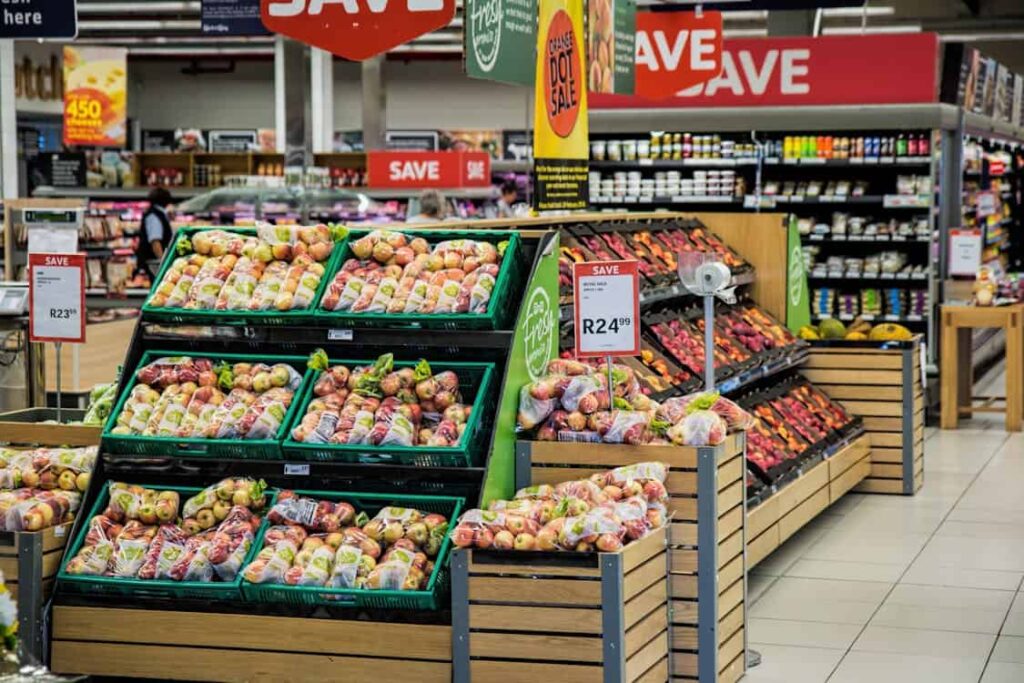
Supermarkets change sales each week, and skipping these deals wastes a lot of money. Paying full price for items that often go on sale can empty your grocery budget fast.
Spend a few minutes checking weekly ads or store apps to spot items to buy in bulk or plan meals around. Add sale items to your meal plans to save a big amount of money.
For example, if chicken is on sale, make several chicken-based meals that week. Use these sales to cut your total grocery costs a lot without losing variety or quality.
Buying Name Brands

Brand loyalty can be costly. While some name-brand products are worth the extra price, many store brands are just as good and often come from the same manufacturers. Supermarkets mark up well-known brands significantly, relying on consumers’ assumptions that higher prices equal better quality.
Testing out store brands can reveal that you’re getting comparable products for less money. Over time, switching to generic items where quality isn’t compromised can shave a large amount off your total grocery bill, especially on everyday staples like pasta, bread, or canned goods.
Going to the Store Hungry

Shopping on an empty stomach leads to overspending. Hunger makes all items seem better, so you pick up extra snacks, processed foods, or quick buys not on your list. These sudden purchases raise your total and usually do not fit your meal plans.
Eat a bit first to stop this. A full appetite gives you control over cart choices, so you follow your list and skip costly treats that wreck your budget.
Shopping Without a List

Walking into a supermarket without a list is like going into a battle without a plan. You’re likely to grab items you don’t need or forget essentials, leading to another trip. Writing down what you need in advance keeps you focused and prevents impulse purchases.
It also helps you stick to a budget because you’re only buying what’s necessary. Making a habit of writing a list before leaving home also saves time. Instead of wandering through aisles trying to remember what you need, you’re in and out quickly, avoiding distractions and extra costs.
The organization that a list provides keeps your shopping experience streamlined and budget-friendly.
Falling for Marketing Tricks
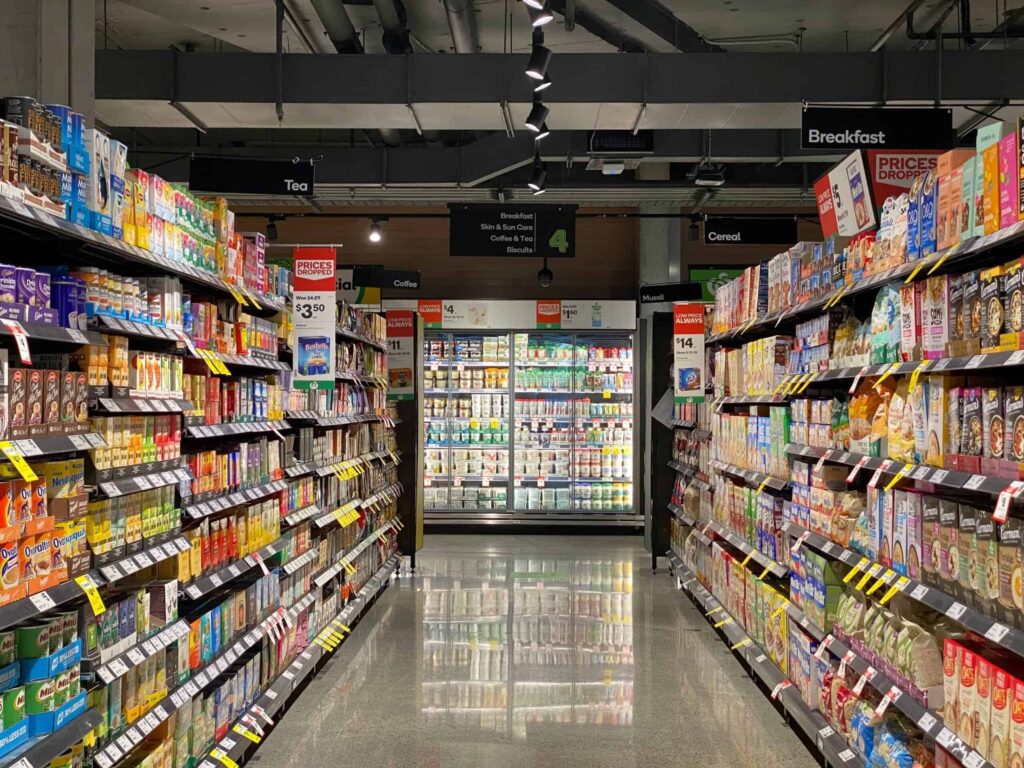
Supermarkets are designed to encourage spending. End caps, the displays at the end of aisles, often feature high-profit items rather than deals. Stores also place essentials like milk and bread at the back so you have to walk past tempting products to get to them.
Being aware of these tactics helps you stay focused. Stick to your list and avoid impulse buys, especially at checkout where candy, magazines, and other last-minute temptations are strategically placed. Awareness of these marketing tricks gives you more control over your spending.
Paying for Premium Organic

Organic products often cost much more than regular ones, and it pays to buy organic for some items but not others.
The Environmental Working Group’s “Clean Fifteen” and “Dirty Dozen” lists show which produce has low and high pesticide levels, so you can spend on organic wisely.
Pick times to buy organic and save a lot without harming health. Buy organic for key items like strawberries or spinach, and get regular for the rest.
Not Comparing Unit Prices

Many shoppers look only at the price tag without considering the unit price, which can lead to overspending. Unit prices show the cost per ounce, pound, or liter and can help you make more informed decisions. Often, larger quantities have a lower unit price, even if the total cost is higher.
Comparing unit prices allows you to see which product offers the best value, helping you get more for your money. This simple habit can lead to substantial savings over time, especially on pantry staples that you buy frequently.
Ignoring Frozen Foods
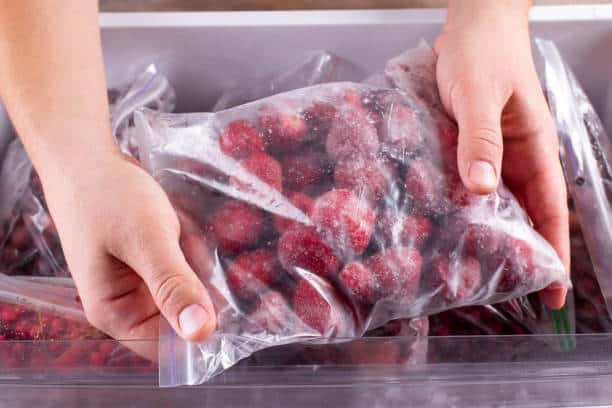
Frozen fruits and vegetables match the nutrition of fresh ones, but they cost a lot less. Pick frozen instead of fresh to cut costs and keep quality, mainly for produce not in season.
Add frozen produce to your meals to stay in budget and get good nutrition. Frozen foods last longer, so you waste less and save more over time.
Throwing Away Food

Food waste is a major source of lost money for many families. Throwing out spoiled produce, expired dairy, or forgotten leftovers adds up over time. Planning your meals and buying only what you need can help reduce waste and save money.
Using up leftovers and getting creative with ingredients on the verge of expiring also helps minimize waste. Not only does this practice stretch your grocery budget, but it also encourages you to make the most of what you have, leading to less frequent trips to the supermarket.
Buying Pre-Packaged Produce
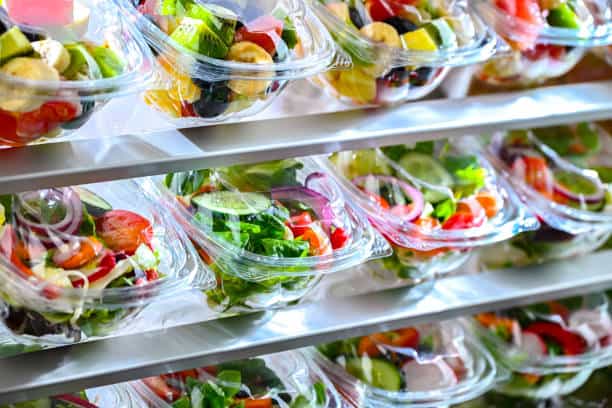
Convenience can come with a hefty price tag. Pre-sliced fruits, chopped vegetables, and bagged salads are significantly more expensive than their whole counterparts. While it might save time to buy produce that’s ready to eat, it’s a cost that adds up quickly over time.
Opting for whole produce and preparing it at home is an easy way to cut down on grocery costs. The few minutes it takes to slice your own vegetables or fruit can translate to substantial savings, especially for frequent shoppers.
Overlooking Bulk Purchases

Bulk bins give great value, mainly for non-perishable items like rice, beans, and nuts. The first cost looks higher, but buying in bulk cuts the price per unit and saves cash over time.
Many shoppers pass by bulk items to pick easy options, which costs more in the end. Buy plenty of items you use often in bulk to cut your total grocery bills a lot.
Bulk shopping saves cash only if you use what you get, so pick items with long shelf life or ones you use a lot.
Buying Convenience Foods

Pre-packaged or single-serve items, such as individual snack packs or frozen meals, might save time, but they’re often more expensive than buying in larger quantities and preparing your food. Convenience foods come with a markup that reflects the added cost of packaging and preparation.
Instead of buying individual portions, consider buying larger packages and dividing them into smaller servings at home. This small effort can lead to substantial savings over time, particularly if you regularly purchase convenience snacks or meals for work or school.
 If you like what you are reading, then click like and subscribe to my newsletter. We share tips to waste less time and money.
Skipping Loyalty Programs

Many stores have loyalty plans that give discounts, deals, and cash back on buys. Skipping these plans means you lose easy savings that anyone can get with a quick sign-up.
Most plans cost nothing and join fast. They bring weekly cuts, points on buys, or custom coupons. These perks add up to real savings each shopping trip, so sign up and check deals first.
Failing to Meal Plan

Meal planning is one of the most effective ways to save money on groceries. When you know exactly what meals you’re going to make for the week, it becomes easier to avoid unnecessary purchases.
Without a plan, you may find yourself buying items that don’t get used or making last-minute trips for missing ingredients. Setting aside time each week to create a meal plan can help you streamline your shopping, stick to your budget, and reduce the amount of food that goes to waste.
It also makes cooking at home more convenient since you’ll already have everything you need on hand.
Using Grocery Delivery Services Too Often

Grocery delivery services are handy, but they add fees and raise prices on some items. Using them often leads to extra costs you can skip by going to the store.
Delivery helps at times, but doing it all the time boosts your grocery bill. Going in person lets you grab store deals and skip fees or higher prices.
If you like what you are reading, then click like and subscribe to my newsletter. We share tips to waste less time and money.
Buying Non-Grocery Items at the Supermarket

Supermarkets often carry non-grocery items like toiletries, cleaning supplies, and paper products, but these items are usually more expensive than what you’d find at discount stores or online retailers. While it’s convenient to grab everything in one trip, this convenience comes at a price.
It’s smarter to purchase non-food items separately at stores known for their lower prices. This strategy ensures you’re not overpaying for essentials like soap, shampoo, or laundry detergent.
Buying Items Just Because They’re on Sale

Sales can tempt you, but buying stuff just because it’s on sale can cause overspending. You might think you save cash, but if the item wasn’t needed or planned, it’s still extra cost.
To skip this trap, buy sale items on your list or that you use often. Stick to a budget and plan buys with care to use sales without raising your grocery bill.
Shopping with Credit Instead of Cash

Using a credit card makes it easier to overspend. When you pay with cash, you have a physical limit, which can help curb unnecessary purchases. Swiping a card, on the other hand, allows you to exceed your budget without immediate consequences.
By setting a cash limit for your grocery trips, you’re more likely to stick to your budget and avoid impulse buys. If you do use a credit card, be mindful of your spending and ensure you can pay off the balance in full each month to avoid interest charges.
Overbuying Perishable Items

Buying too many items that spoil fast, like fresh produce or dairy, leads to waste and lost money. You often guess wrong about how much fresh food your home needs, but buy just what you will use to cut waste.
Plan meals with food already at home and get small amounts of items that spoil fast. This makes sure all food gets used up before it goes bad, so you shop less and save cash.
Not Shopping Around

Sticking to one store out of convenience might cost you more money. Different supermarkets offer different prices on the same items, and some stores have better deals on specific categories of groceries like produce, meat, or household goods.
Taking the time to compare prices at various stores can help you find the best deals and get more for your money. Even if it means visiting two different stores for your weekly shop, the savings can be worth the extra effort.
Failing to Use Coupons

Coupons, digital and paper types, bring big savings when used right. Many buyers skip coupons. They see the savings as too small. But over time, those discounts build up.
Pair coupons with store sales or deals for larger savings. Most supermarket apps now offer digital coupons. This makes it simple to find and use discounts on your buys.
Take Control of Your Grocery Spending

Grocery store visits do not need to empty your wallet every time. Use smart shopping tips such as making a list, buying weekly sale items, and skipping ready-to-eat foods. This way, you save money and still get good quality and choices.
Plan your buys and pick with care to shop better, cut waste, and drop extra costs. Begin with one or two changes, and see the savings grow fast.
These easy steps give you more cash for important things, plus some left to enjoy now and then.
If you like what you just read, then subscribe to my newsletter.