23 Costly Mistakes to Avoid When Paying Down Debt


Paying off debt is a big step, but it’s not always easy to stay on track. Many people make simple mistakes that slow the process and add financial stress. Avoiding basic credit card errors is key to reaching financial freedom.
According to recent reports, the average American household with credit card debt carries over $5,700. Without a solid plan, it’s easy to feel overwhelmed. But by spotting your errors, you can change your plan and get quicker results.
In this article, you’ll learn about 23 common debt payoff mistakes, how to avoid them, and practical tips to keep you going. We’ll help you build a clear path to pay off your debt while keeping financial stability.
Which of these mistakes have you made in your debt repayment? Share in the comments or read on to learn how to fix them.
Ignoring High-Interest Debt

Lots of people treat all debts the same way. This mistake slows their payoff plans. Credit card debt grows fast with high interest if you do not pay it first.
Skip paying these debts first, and interest piles up too much. That makes it tough to make progress. Pay high-interest debts first. Call this the “avalanche” method.
This plan lets you hit the costliest debts first. You save cash over time. Let these debts sit, and they get bigger. Your money stress grows, and other debts stay hard to clear.
Taking on New Debt

It’s easy to fall into the trap of taking on new debt while trying to pay off old debts. Be it a new credit card, loan, or even financing a purchase, adding new debt can derail your repayment plan. The goal is to reduce your debt, not add more, so taking on new obligations can set you back.
If you’re serious about paying off your debt, avoid any new credit applications or financing offers until you’ve cleared your existing balances. This might require delaying certain purchases or adjusting your lifestyle, but it’s crucial for staying focused on your goal.
New debt can feel manageable in the short term, but it often snowballs into a larger problem over time.
Failing to Build an Emergency Fund

44% of Americans can’t pay an unexpected $1,000 expense from savings. This leaves them vulnerable to unexpected expenses, which can lead to more borrowing when an emergency arises.
Without a safety net, you may have to rely on credit cards or loans, adding to your existing debt. Building a small emergency fund, even while paying off debt, can prevent this scenario. Set aside a few hundred dollars to cover minor emergencies.
This will give you peace of mind and keep you on track with your debt repayment plan. It’s tempting to throw every dollar at your debt, but a little cushion can help you avoid setbacks.
Failing to Create a Budget

One big mistake is skipping a budget. No budget makes it tough to track where money goes, so you may spend too much. A budget lets you set aside cash for paying debt and makes sure you do not spend more than you make.
It gives a clear picture of your money and keeps your goals in line. Tracking income and spending may seem boring, but it keeps you on track.
You may think you know your spending, but no real plan lets you miss or ignore some costs. A full budget shows overspending spots and points to cuts.
Not Setting Clear Goals

Without clear goals, it’s easy to lose motivation and stray from your debt repayment plan. A vague intention to “pay off debt” is not enough to keep you focused. Setting specific, measurable goals will help you stay motivated and track your progress.
Be it paying off a particular credit card by a certain date or reducing your overall debt by a specific amount, clear goals give you something to work toward. Goals also provide a sense of accomplishment as you reach each milestone, helping to keep your momentum going.
Without them, the process can feel endless and discouraging. Set realistic targets and celebrate small victories along the way to stay motivated on your journey to financial freedom.
Overlooking Debt Consolidation

Some people are unaware that consolidating their debt can simplify repayment and reduce interest rates. Debt consolidation combines multiple debts into a single loan, often with a lower interest rate.
This can make it easier to manage payments and save money on interest. Yet, many fail to consider this option or don’t research it thoroughly enough to find the best deal. While debt consolidation isn’t the right choice for everyone, it can be a valuable tool if used correctly.
It’s essential to understand the terms of the consolidation loan and ensure that you’re not simply extending your repayment period without addressing the underlying issue. For those who struggle to keep track of multiple payments, consolidation can provide relief and streamline the process.
Using Debt Settlement Companies

Many debt settlement companies promise fast solutions, but they often make things worse. These companies say they will talk to creditors for you, but they charge high fees and do not keep their promises.
This can put you in a bad money spot, with more debt and hurt credit. Skip debt settlement companies and talk to your creditors yourself.
Many creditors will agree to payment plans or lower rates if you contact them soon and tell the truth. This way skips high fees and keeps your credit score safe.
Not Refinancing High-Interest Loans

Refinancing is an option many people overlook when dealing with high-interest loans. Interest rates have a significant impact on how much you end up paying over the life of a loan.
By refinancing at a lower rate, you could reduce your monthly payments or shorten the loan term, saving you money in the long run. Failing to refinance could mean paying thousands more than necessary.
Even a slight reduction in your interest rate can make a big difference over time. Investigate refinancing options, especially for mortgages, car loans, or student loans, to potentially reduce your overall debt burden.
Failing to Plan for Irregular Expenses

Unexpected expenses can derail even the most well-planned debt repayment strategy. Irregular costs, such as car repairs, medical bills, or home maintenance, often catch people off guard.
Without planning for these expenses, you might end up using credit to cover the costs, increasing your debt. Setting aside a small fund for irregular expenses can help protect your progress.
Even if it’s just a few hundred dollars, having this cushion will keep you from backsliding into debt. It’s important to recognize that these costs are inevitable and plan accordingly to stay on track.
Neglecting to Adjust Payments as Income Increases

As your income rises, boost your debt payments to match. Many keep the same payments after a raise or promotion. They miss a chance to clear debt quicker.
Not changing payments drags out your payoff time. Use extra income on debt to speed things up.
This cuts total interest paid and brings financial freedom faster. Tiny changes in payments yield big gains over time.
Being Impatient

Debt repayment can feel slow and frustrating, especially when you’re not seeing immediate results. Many people lose patience and give up on their plan, feeling like they’ll never get ahead.
Impatience can cause poor decisions, like skipping payments or impulsive purchases, delaying your progress. It’s important to remember that paying off debt is a marathon, not a sprint.
Staying patient and consistent will eventually lead to success. Celebrate small wins and remind yourself that each payment brings you closer to your goal. Impatience can be one of your biggest obstacles, so focus on the long-term benefits of financial freedom.
 If you like what you are reading, then click like and subscribe to my newsletter. We share tips to waste less time and money.
Failing to Review Your Progress

Another mistake people make is failing to review their progress regularly. Without regular check-ins, it’s easy to lose sight of your goals and make costly mistakes. Reviewing your progress allows you to see how far you’ve come, adjust your plan if needed, and stay motivated.
Set a regular schedule to review your finances, be it weekly or monthly. This habit will keep you accountable and help you identify any areas where you can improve. Staying aware of your progress is key to staying on track and avoiding any surprises.
Underestimating the Emotional Impact

Financial stress is a significant factor for Americans, with about 73% of people ranking money as their number one source of stress. Debt isn’t just a financial issue, it can take a significant emotional toll as well.
Stress, anxiety, and frustration are common emotions when dealing with debt, and many people underestimate how these feelings can affect their progress. Ignoring the emotional side of debt can lead to burnout or impulsive decisions, which can set you back.
It’s important to acknowledge the emotional impact of debt and find ways to cope with it. Be it seeking support from friends and family or practicing stress-relief techniques, managing your emotions is just as important as managing your finances.
By addressing the emotional side of debt, you’ll be better equipped to stay committed to your repayment plan.
Letting Debt Affect Your Relationships

Debt can hurt personal ties, mainly when money stress changes your talks. Many let debt problems grow, which starts fights or hard feelings.
Skipping the feelings debt causes in your ties makes things bad, and adds extra strain. Talk open with family and friends about your money state. It matters a lot.
Tell them your aims and steps ahead, to cut stress and get help. Good ties keep you on track and push you to end debt.
If you like what you are reading, then click like and subscribe to my newsletter. We share tips to waste less time and money.
Ignoring Credit Scores While Paying Off Debt

Focusing solely on debt repayment while ignoring your credit score can be a costly mistake. Your credit score plays a critical role in determining the interest rates you’ll receive on future loans.
Many people assume that paying off debt automatically improves their credit score, but it’s not always that simple. It’s important to monitor your credit score and understand the factors that influence it, such as payment history and credit utilization.
By keeping an eye on your score, you can avoid surprises and take steps to improve it alongside paying off your debt.
Using Emotional Spending to Cope with Stress

Debt can cause stress. Many people spend money to deal with it. Emotional spending on small treats or big buys can hurt your progress. Retail therapy gives short relief but adds more money stress over time.
Spot emotional triggers for spending to keep your debt goals on track. Use better ways to handle stress like exercise, meditation, or chats with friends.
End the emotional spending cycle to build lasting money stability.
Overlooking Tax Implications of Debt Forgiveness

Debt forgiveness might seem like a relief, but it can come with tax consequences. Many people don’t realize that forgiven debt is often considered taxable income. This means that when your debt is forgiven, you could face a higher tax bill than expected, catching you off guard.
It’s important to understand the tax implications before agreeing to any debt forgiveness plan. Consult a tax professional to determine how this will affect your overall financial situation.
Planning ahead will help you avoid an unexpected tax burden that could undermine your progress.
Allowing Debt to Prevent Investing

Some people avoid investing until they’re completely debt-free, which can delay wealth-building opportunities. While paying off debt is essential, it’s also important to consider long-term financial growth.
Delaying investments, especially in retirement accounts, can mean missing out on compound interest and other benefits. It’s possible to balance debt repayment with investing, especially if your debt carries a low interest rate.
Consider allocating a small portion of your budget toward investments while focusing on your debt. This strategy ensures that you’re working toward both immediate and long-term financial goals.
Neglecting to Freeze or Close Old Credit Accounts

Keeping old credit accounts open with no plan can lead to temptation. Some people keep old credit cards for emergencies but use them for buys they do not need.
Open unused accounts can expose you to fraud or identity theft. This makes it hard to track your money. If you do not need a credit account, freeze or close it.
This cuts the risk of new debt and makes money management simple. Act now on your credit accounts to stop old spending habits.
Not Celebrating Milestones
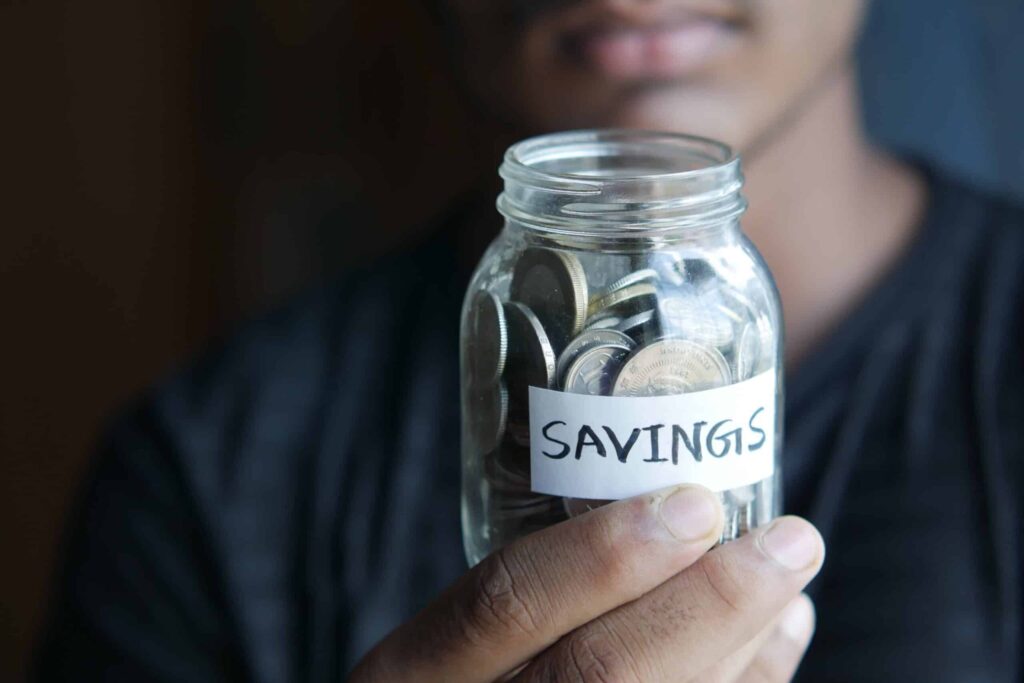
Debt repayment can be a long, tedious process, and many people forget to celebrate small victories. Failing to recognize your progress can lead to burnout or loss of motivation. Celebrating milestones, even small ones, can keep you motivated and help you stay on track.
Take time to acknowledge your achievements, such as paying off a specific debt or reaching a savings goal. Rewarding yourself in meaningful but budget-friendly ways can make the journey more enjoyable.
Celebrating progress reminds you that each step brings you closer to financial freedom.
Not Reviewing Loan Terms Regularly
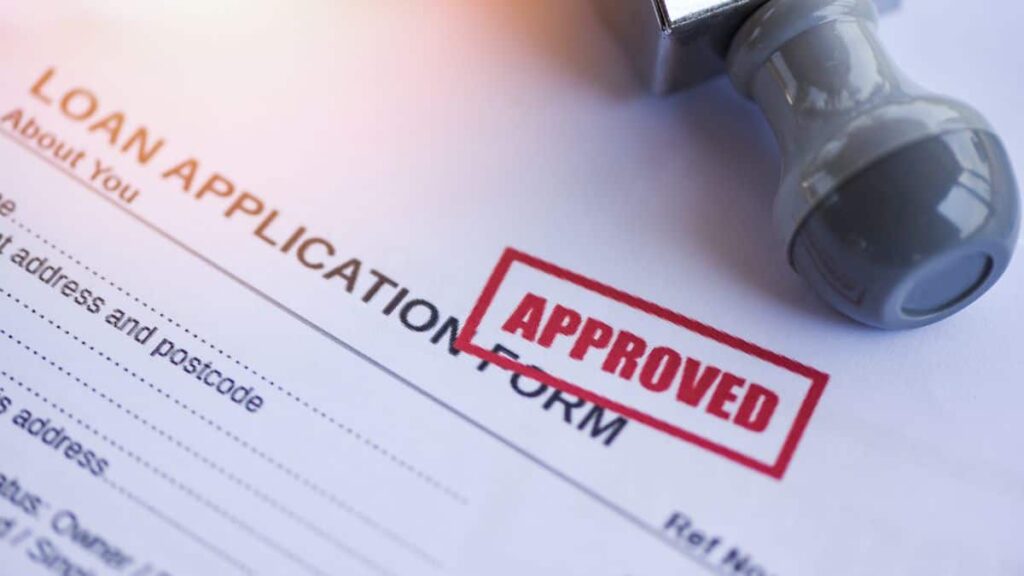
Lots of people get loans without knowing all the terms. They do not check them again. Loan terms change how long you stay in debt and how much interest you pay.
You can miss chances to refinance or get better terms if you skip checking loan papers now and then. Check your loan details often, above all when money matters shift.
This lets you spot ways to save cash or end debt sooner. Know your loan terms to skip extra costs and lost chances.
Not Tracking Interest Accrual

Many people make payments without understanding how much interest they’re accumulating each month. Failing to track interest can lead to frustration as it feels like the debt isn’t shrinking.
Knowing how interest affects your balance can motivate you to pay off your debt more strategically. Tracking interest gives you a clearer picture of your financial situation. It shows where your money is going and highlights the importance of reducing principal balances quickly.
By focusing on how interest is impacting your debt, you can make smarter financial decisions and pay it off faster.
Ignoring Financial Education

Debt often comes from poor money knowledge, but many skip steps to build it. Without grasping basics like budgets, interest, and loan rules, smart choices get hard.
Skipping money learning causes repeat errors and long debt. Time spent on personal finance can boost your pay-back plan a lot.
Many tools exist, like books and online classes, to make you money-smart. More knowledge helps you dodge debt pits and handle cash well.
Taking Your Step Toward Debt Freedom

Paying off debt needs time and work, but you can skip common mistakes to move faster. Track your spending, save for emergencies, and check your plan often to win.
Mark each win, like clearing a credit card or reaching a savings target, with a celebration. Stay patient and on track to keep going strong against the rest of your debt.
Consistency matters most. The path looks long, but every payment brings you nearer to financial freedom. Push on, you can do it!
If you like what you just read, then subscribe to my newsletter.