23 Crucial Things to Stock Up on Before They Run Out


As a landlord for more than 20 years, I’ve seen many small problems and big emergencies in lots of homes. One thing I’ve learned is that being ready really helps.
That’s why I made this list of 23 must-have items for every home. These aren’t just random things; they are useful tools to help you deal with everyday problems and sudden situations easily.
You may think some items are not needed, but each one has a clear use. They aren’t for the worst-case events, but to make your daily life smoother and help you fix common home issues without worry.
Having these will save you time, lower stress, and even save money over time. Think of it as a ‘just-in-case’ kit for your home that gives you peace knowing you can handle what comes up.
Now, let’s look at the list and find out what every prepared home should have!
Multi-Tool or Swiss Army Knife
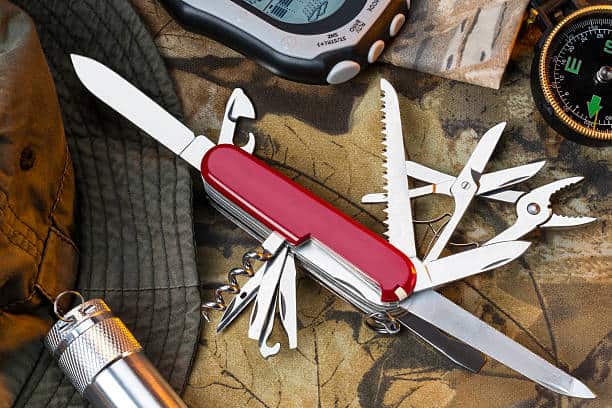
A good multi-tool or Swiss Army knife is like carrying a small toolbox in your pocket. It can help you handle many little jobs at home, like opening packages, tightening loose screws, cutting string, and more.
Choose one with different tools that fit your needs. Keep it in an easy-to-reach place like a kitchen drawer. You’ll be surprised at how often you use it once it’s nearby.
Fire Extinguisher
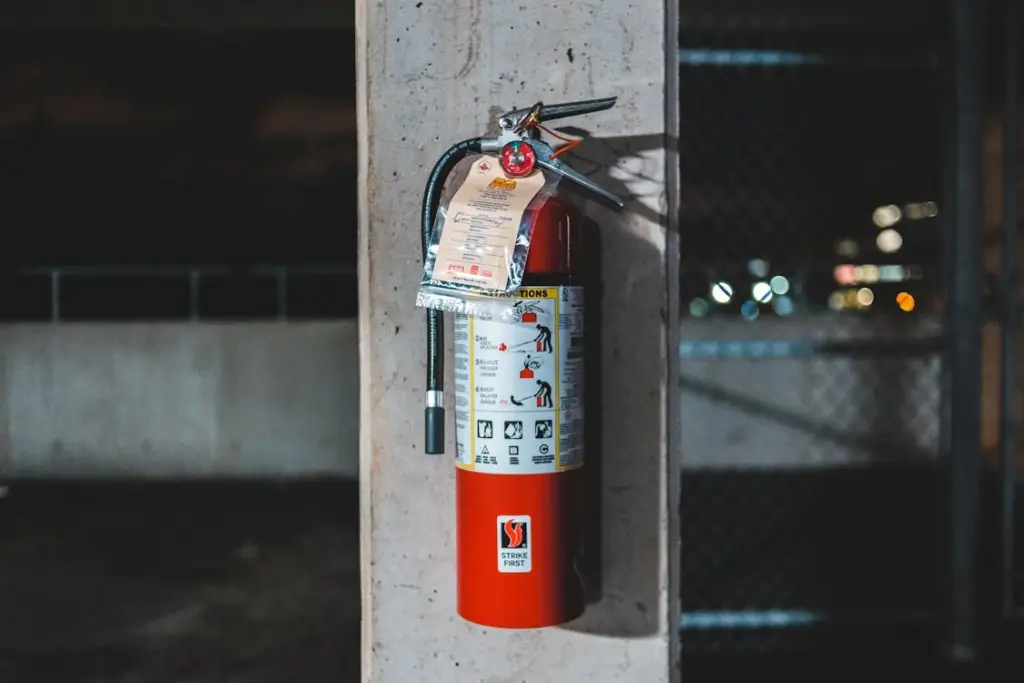
Kitchen fires can escalate quickly, but a fire extinguisher can stop them in their tracks. Keep one in or near your kitchen, and learn how to use it properly.
Make sure all adults in your household know its location and how to operate it. Check the pressure gauge regularly to ensure it’s still functional.
Remember, a fire extinguisher is for small, contained fires only, if the fire is spreading, evacuate immediately and call the fire department.
Non-Perishable Food and Water Supply
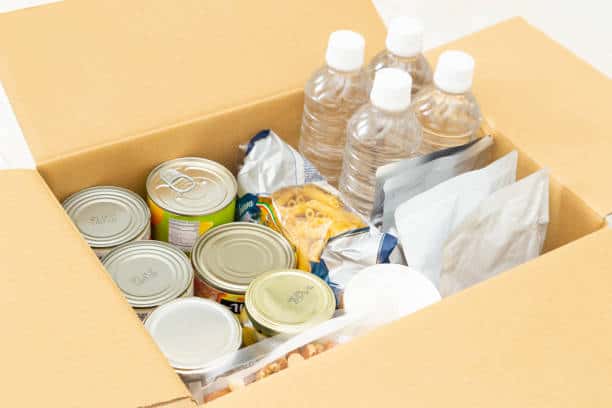
Keeping extra non-perishable food and water ready helps you handle emergencies like bad weather or power cuts. Try to have enough for three days for each person.
Pick foods that don’t need cooking and that your family likes to eat. Use older items first and add new ones often to keep them fresh.
Make sure you have a manual can opener! For water, keep one gallon per person each day. Store your supplies in a cool, dry spot and check expiration dates now and then.
First-Aid Kit

A well-stocked first-aid kit is a must-have for every home. It allows you to quickly address minor injuries without rushing to the doctor for every small cut or scrape.
Your kit should include bandages, antiseptic wipes, pain relievers, and any specific items your family might need. Place it in an easy-to-reach spot and make sure everyone in your household knows where to find it.
Remember to check it periodically and replace any items that have expired or been used up.
Flashlight with Extra Batteries
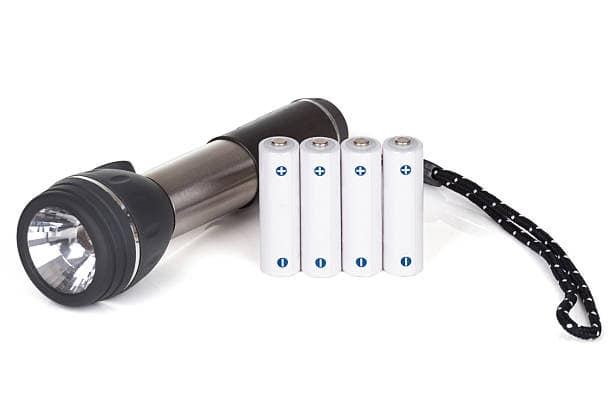
Power cuts can occur anytime, leaving you without light. A good flashlight is very helpful in these moments. Keep one where you can reach it easily, such as a kitchen drawer or next to your bed.
Remember to keep extra batteries close by, so your flashlight is ready when you need it.
You might also want a rechargeable flashlight or one with strong LED bulbs for more ease.
Smoke and Carbon Monoxide Detectors

These small devices play a huge role in keeping your home safe. They act as silent guardians, alerting you to the presence of smoke or the odorless but deadly carbon monoxide gas.
Install smoke detectors on every level of your home, especially near bedrooms. Put carbon monoxide detectors near sleeping areas and any fuel-burning appliances.
Test these devices monthly and replace the batteries at least once a year. These simple actions could save your life.
Basic Tool Kit

A simple tool kit helps you fix small problems and do home projects without needing a expert every time. Keep important tools like a hammer, flathead and Phillips screwdrivers, pliers, a tape measure, and an adjustable wrench.
Add some supplies for hanging pictures, and you are ready for most basic jobs at home. Keeping these tools in one box keeps them neat and easy to find when you want them.
 If you like what you are reading, then click like and subscribe to my newsletter. We share tips to waste less time and money.
Important Documents Organizer

Keeping your important documents organized and easily accessible can save you time and stress in many situations. Get a file box or accordion folder for items like birth certificates, passports, insurance policies, and medical records.
Consider making digital copies as a backup. Store the organizer in a secure, easy-to-remember spot, and make sure other family members know its location too. Update it regularly as new documents come in or old ones expire.
Surge Protectors

Electrical surges can quickly damage your costly electronics. Keep your devices safe by using good surge protectors. Use them on important things like computers, TVs, and gaming consoles.
Keep in mind that surge protectors wear out over time. Change them every few years or after a strong electrical spike. Choose ones with lights that tell you when they stop working.
Spending a little on surge protectors can help you avoid spending a lot on broken electronics.
Sewing Kit
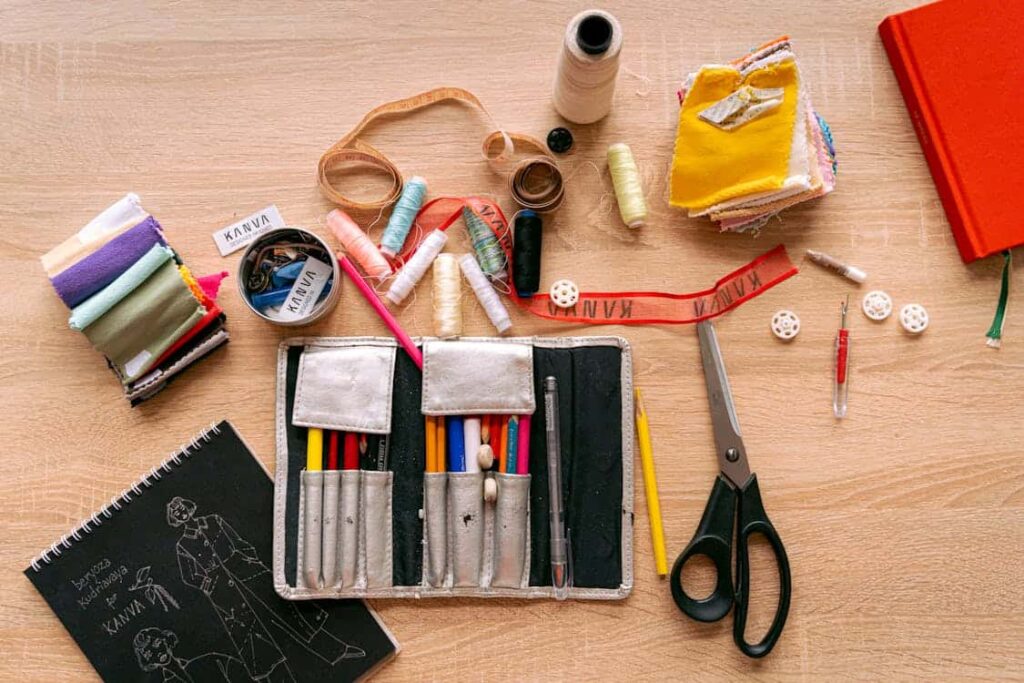
A basic sewing kit can save you time and money on simple clothing repairs. Stock it with different colors of thread, needles, scissors, and spare buttons.
Learn how to sew on a button and mend small tears, these are easy skills that come in handy often. Keep your sewing kit in an easily accessible place, like a drawer in your bedroom or living room.
You’ll be surprised how often you reach for it to fix a fallen hem or reattach a button, extending the life of your clothes.
Natural Cleaning Solutions

Keeping your home clean does not need strong chemicals. Keep some natural cleaners like baking soda, vinegar, and lemon juice ready.
These items work well, cost little, and are safe for many surfaces. Make sure you have spray bottles, soft cloths, and scrub brushes to use with these natural cleaners.
These green choices make your home shiny clean while being safer for you and the planet.
Ladder

A sturdy ladder is essential for various home maintenance tasks. Choose one that’s tall enough to reach your ceilings comfortably.
Look for a model with non-slip feet and a weight capacity that suits your needs. Store it in a dry place where it won’t get damaged.
Always follow safety guidelines when using your ladder, have someone spot you if you’re going up high. A good ladder makes changing light bulbs, painting, or cleaning gutters much safer and easier.
Flash Drive or Cloud Backup for Important Files
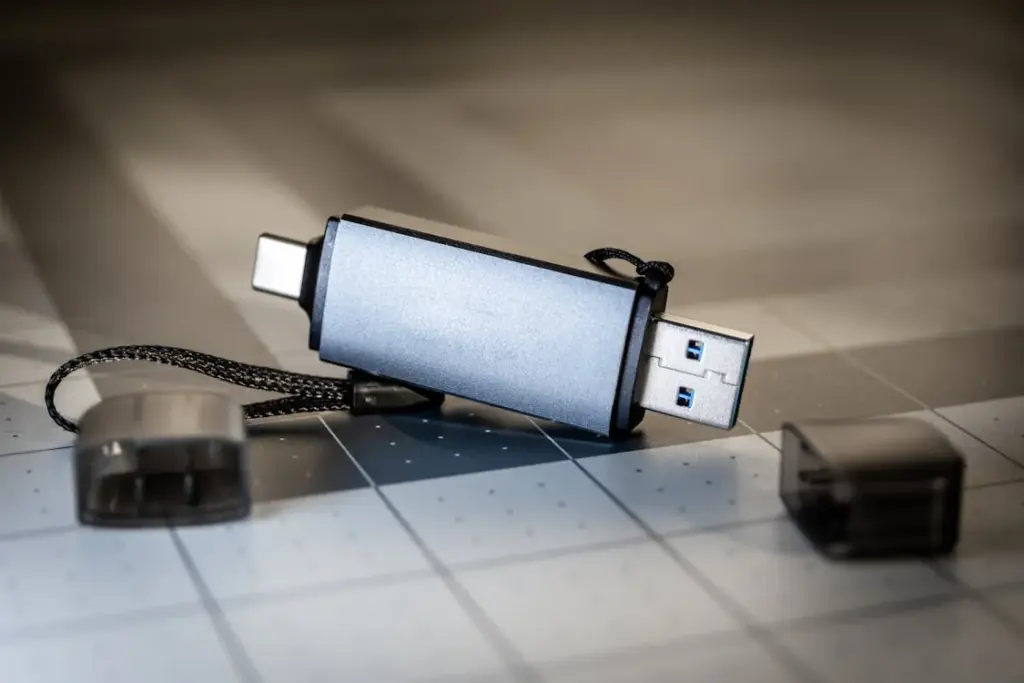
In today’s digital age, keeping your important files and special photos safe is very important. Make a habit of backing up your data using a flash drive or an online storage service. Pick a schedule that fits your routine, like every week or every month, and follow it.
Save important papers, family pictures, and any other files you don’t want to lose. For added safety, you can use both a flash drive and online storage. This will help you keep your important digital data safe, even if your computer stops working or breaks.
Fireproof and Waterproof Safe
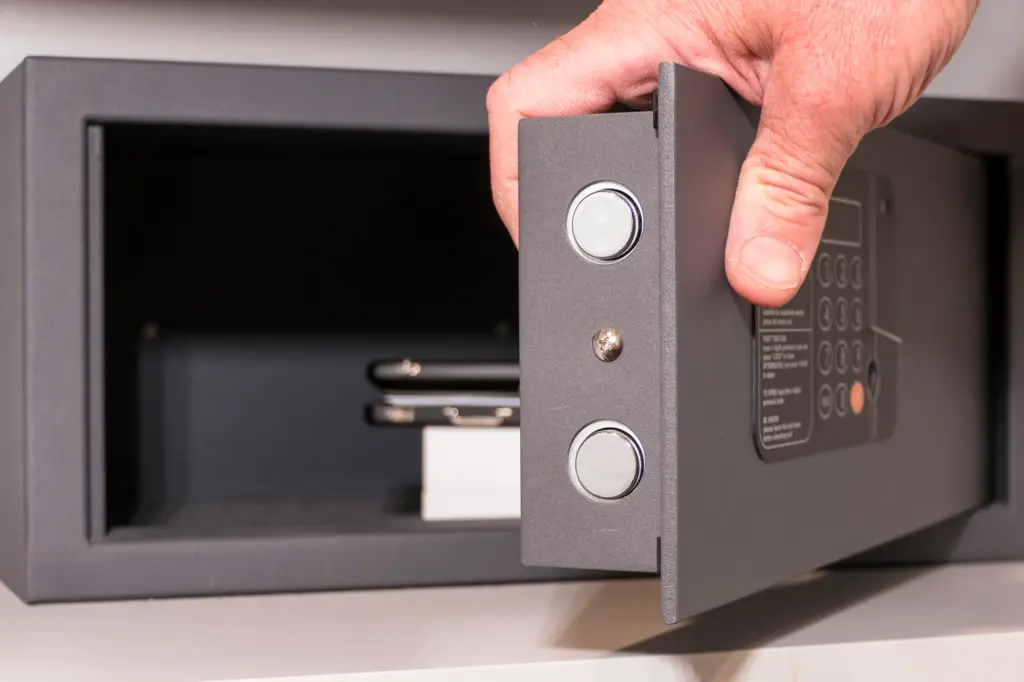
Some items are irreplaceable and need extra protection. A fireproof and waterproof safe provides a secure spot for valuable documents, jewelry, and small heirlooms.
Look for a safe that’s rated to withstand high temperatures and water damage. Place it in a discreet location in your home, away areas prone to flooding.
Make sure it’s heavy enough that it can’t be easily carried away. Remember the combination or keep the key in a secure, memorable place, and ensure a trusted family member knows how to access it too.
Portable Phone Charger (Power Bank)
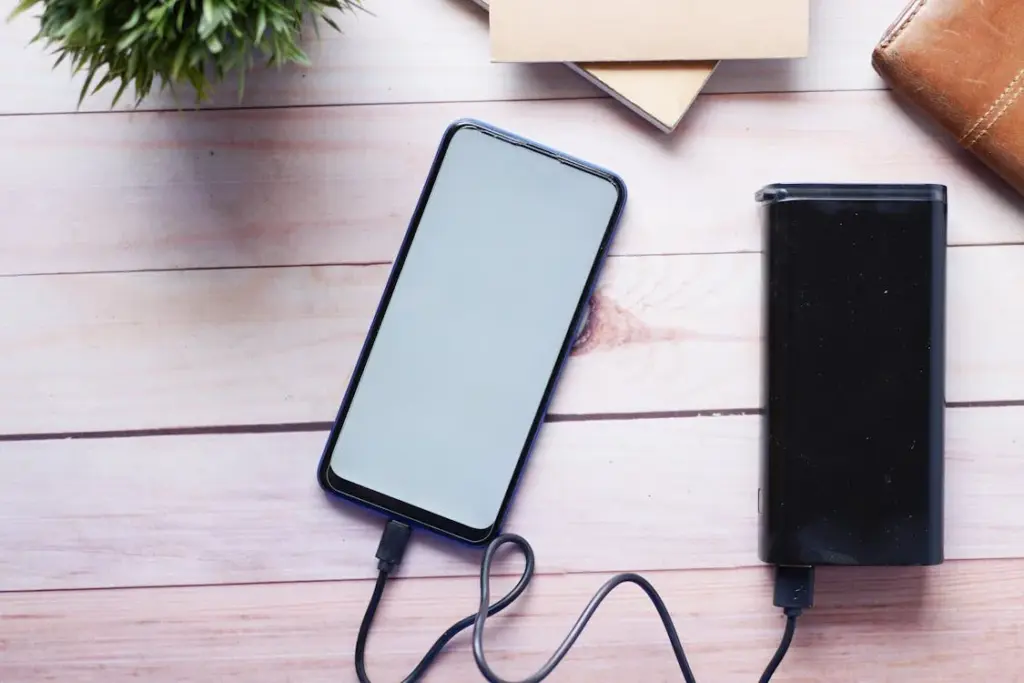
In today’s connected world, a dead phone battery can make you feel stuck. A portable phone charger makes sure you can always give your devices more power.
Pick one that can charge your phone all the way at least once. Keep it full and ready to use anytime.
Throw it in your bag when you head out, you never know when you might need extra power. It is very useful during power cuts or emergencies when you must stay connected.
Emergency Radio (Battery-Operated or Solar)

When the power goes out and cell networks are down, an emergency radio becomes your lifeline to the outside world. Look for a model that’s battery-operated or has a hand crank for power.
Many also come with built-in flashlights or USB ports for charging phones. Keep it in an easily accessible place and make sure everyone in the family knows how to use it.
Test it regularly and keep spare batteries on hand. This little device can provide crucial updates during severe weather or other emergencies.
Reusable Water Bottles

Drinking enough water is key for daily health and very important in emergencies. Keep some reusable water bottles filled and easy to grab. Pick strong bottles that don’t leak or break easily. Wash them often to stop germs from growing. Keep one in your car, one at work, and a few at home.
They are useful every day, not just in emergencies. Using reusable bottles helps cut down plastic waste and saves money on buying bottled water.
If you like what you are reading, then click like and subscribe to my newsletter. We share tips to waste less time and money.
Prescription and Over-the-Counter Medications

Running out of necessary medications can be more than just inconvenient, it can be dangerous. Keep a supply of any prescription medications you or your family members take regularly.
Check with your doctor about getting an extra supply for emergencies. Don’t forget over-the-counter basics like pain relievers, allergy medicine, and any other remedies your family uses often.
Store all medications in a cool, dry place and check expiration dates regularly. A well-stocked medicine cabinet can save you late-night trips to the pharmacy and ensure you’re prepared for minor illnesses or injuries.
Duct Tape
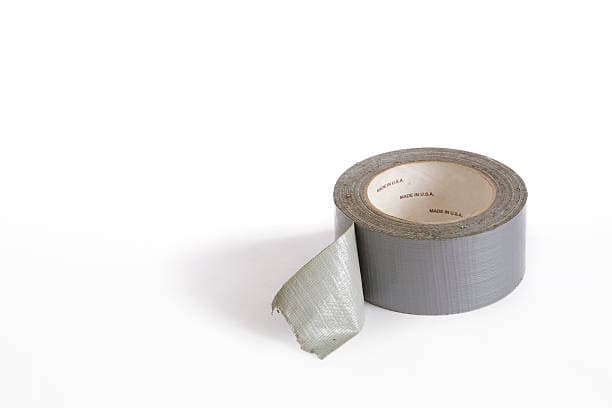
Duct tape is the best tool for quick fixes. Its strong stickiness and toughness make it helpful for many temporary fixes. Use it to stop a leak, cover a broken window, or even make emergency bandages.
Keep one or two rolls in your toolbox and another with your emergency gear. Choose good-quality tape that sticks well in different situations.
Though it is not a long-term answer for most issues, duct tape can often serve as a useful temporary fix until you can do proper repairs.
Candles and Matches

During extended power outages, candles can provide much-needed light when your flashlight batteries run low. Choose long-burning candles and keep them stored with waterproof matches or a lighter.
Place candles in sturdy holders to prevent them tipping over. Never leave burning candles unattended and keep them away from flammable materials.
While they’re not suitable for all situations, candles can create a calm atmosphere during outages and conserve your battery-powered light sources.
Personal Hygiene Items (Toothbrush, Soap, etc.)
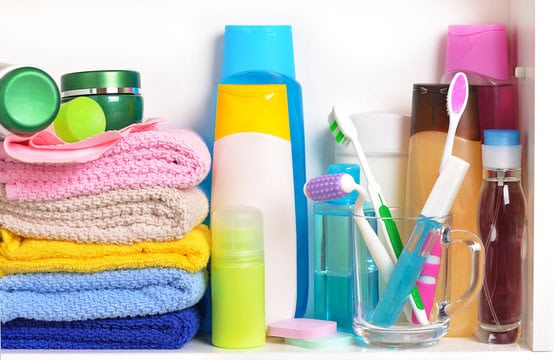
Keeping good personal hygiene is key to staying healthy and comfortable, especially when you stay home for a long time or face emergencies. Make sure to have basic items like toothbrushes, toothpaste, soap, shampoo, and deodorant ready.
Remember to include products like feminine hygiene items or any special things your family needs. Keep a small “hygiene kit” with your emergency gear, separate from your daily use items. Change these supplies regularly to keep them fresh.
Good hygiene habits help stop sickness and make you feel better, even during hard times.
Cash Stash

In our digital world, it’s easy to rely solely on cards and digital payments. But cash is king in many emergency situations. Keep a small amount of cash hidden in a safe place at home.
Include a mix of small and large bills. This emergency fund can be a lifesaver if ATMs are down or stores can’t process card payments.
Just remember to swap out the bills occasionally to prevent them deteriorating. A little cash on hand provides peace of mind and flexibility in unexpected situations.
Battery-Operated Fan or Heater
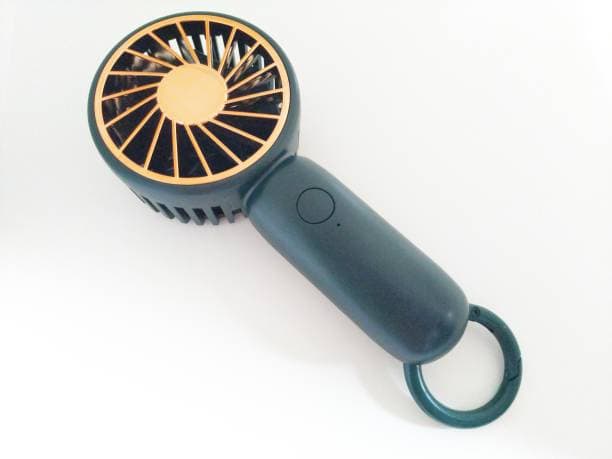
Very hot or cold temperatures can be hard to handle and may cause harm. A battery-powered fan can help cool you on warm days, and a small portable heater can warm a room when it is cold.
Choose models that save energy and have long battery life. Check them often and have extra batteries ready.
These devices can greatly improve your comfort during power cuts or if your main heating or cooling stops working.
Wrapping Up

Here it is, 23 important things that can really help in your home. These things let you deal with daily problems and get ready for surprises. You don’t have to buy them all right now.
Being ready doesn’t mean you think bad things will happen. It means you are set to handle anything life brings. When you have these basics, you can stay calm during small emergencies and regular troubles.
Keep safe, be ready, and feel calm knowing you can handle whatever happens!
If you like what you just read, then subscribe to my newsletter.
- 20 Things Frugal Millionaires Refuse to Buy, Despite Having Money (With Video)
- Food Shortages Ahead? 20 Items You Should Buy Now
AI was used for light editing, formatting, and readability. But a human (me!) wrote and edited this.