23 Things to Never Store in Your Garage to Keep Your Home Safe

Most homeowners think their garage is a great place to store things. It looks like the perfect spot to keep stuff that won’t fit inside the house, such as old furniture, seasonal items, and things we might use someday.
But storing many things there can cause damage, safety problems, and waste. The garage has tough conditions that many people do not notice. The temperature changes a lot during the year, humidity goes up and down, and pests often come in looking for a place to hide.
These problems are not only bad for your stored items but can also put your family at risk. Knowing what should stay in the garage and what should not will help keep your valuable things safe and your home more secure.
This guide shows 23 common items that should be kept somewhere else. We will suggest safer places to keep things, warn about dangerous chemicals, show which food might go bad, and highlight items that need better care.
Making smart choices about storage now will save money, protect your belongings, and make your home safer for everyone.
Upholstered Items
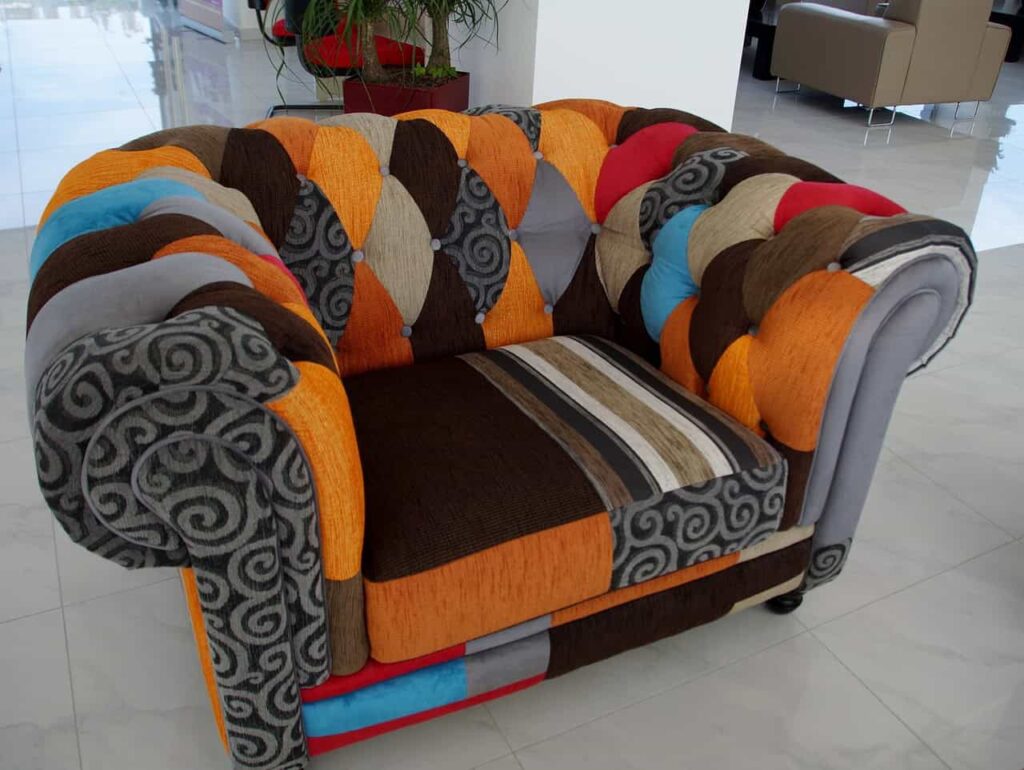
Fabric furniture holds moisture, causing mold and damage to the material. Cushions and padding can become safe places for bugs and small animals. Keep upholstered furniture in places with steady temperature and good airflow.
Use covers made of breathable fabric to keep dust away. Lift furniture off the floor using suitable blocks or risers.
Seasonal Clothing

Clothing requires stable environments to maintain quality and prevent pest damage. Garage storage exposes fabrics to moisture, mildew, and insects. Store seasonal clothes in vacuum-sealed bags inside bedroom closets or under beds.
Clean all items thoroughly before storage. Use cedar blocks or lavender sachets as natural pest deterrents.
Medications and Personal Care Products

Medical items need careful temperature control to work well. Heat or cold can change their chemicals and make them unsafe. Keep medicine in a special cabinet, not in the kitchen or bathroom, to avoid damp air.
Check expiration dates often. Always keep medicine in the original box or bottle with the label easy to read.
Canned and Non-Perishable Food

Food storage demands consistent temperatures to remain safe and edible. Heat makes canned foods expand and spoil, while temperature changes affect food quality. Keep all food items in a dedicated pantry or kitchen cabinet.
Organize items rotation dates and check regularly for signs of damage. Store in airtight containers to maintain freshness and prevent pest problems.
Wine and Alcohol

Wine and spirits need special care to keep their quality. Changes in temperature can spoil the taste and may make bottles leak or break. Set up a storage area in a cool, dark part of your home.
Store bottles with corks lying down and keep the temperature steady. For valuable bottles, think about using a wine fridge.
Cardboard Boxes

Cardboard attracts moisture and provides perfect shelter for pests. Boxes deteriorate quickly in garage conditions and can spread dampness to their contents. Replace cardboard with sturdy plastic containers that seal tightly.
Label containers clearly and stack them efficiently on shelves. Choose clear bins to easily identify contents without opening.
Paint and Paint Supplies
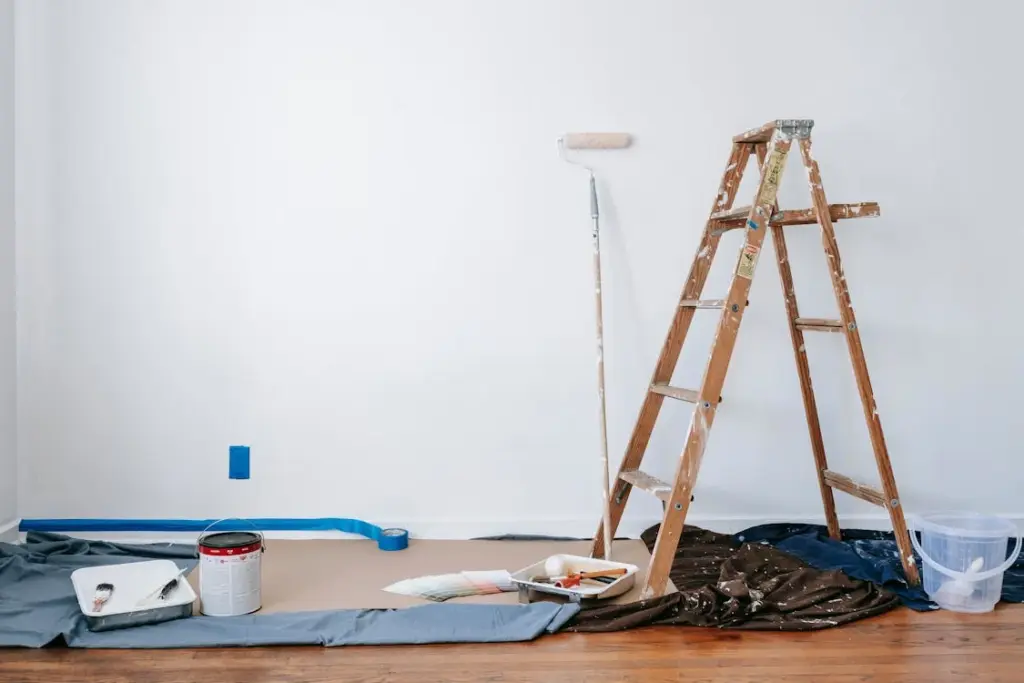
Paint needs steady temperatures to stay good and useful. Very cold weather makes paint split and turn into chunks, and hot weather makes it spoil faster and raises the chance of fire. Keeping paint in a basement or utility room is better because the temperature stays about the same.
Put paint cans right side up on strong shelves, and write the room and date used on each can so it is easy to know what is inside. It is helpful to move leftover paint into small jars to use up less room and stop wasting paint.
Gasoline and Flammable Liquids
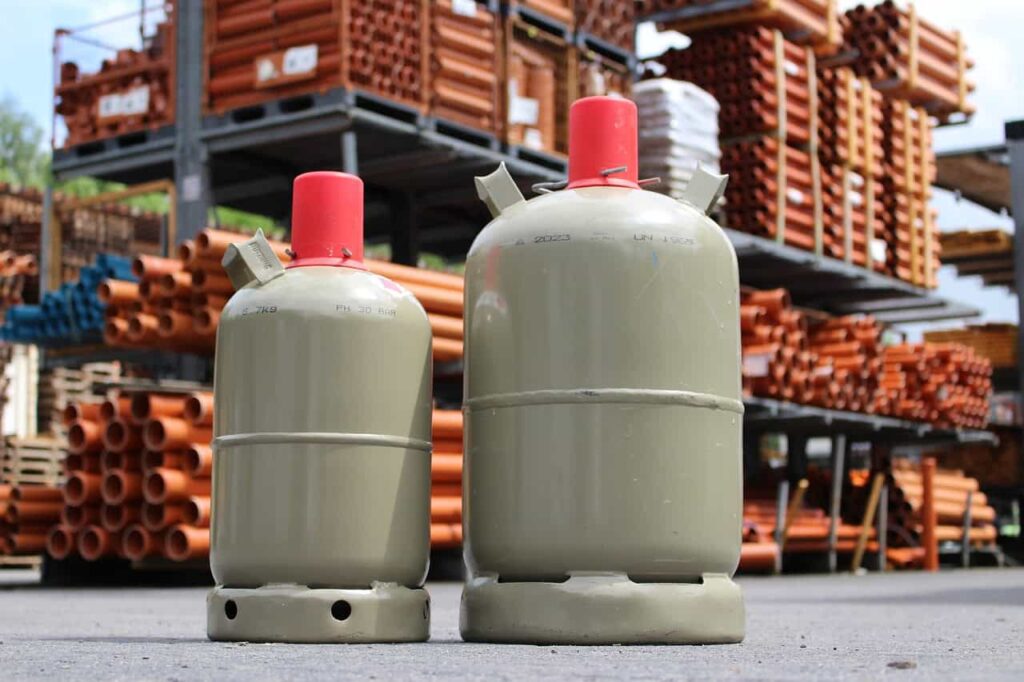
Gasoline fumes accumulate in enclosed spaces and create serious fire hazards. Temperature changes cause these liquids to expand and contract, increasing the risk of container failure. Store minimal amounts in approved safety containers in a separate outdoor shed.
Keep containers sealed tightly and marked clearly with contents and date. Check local regulations for specific storage requirements in your area.
Important Documents and Photos

Papers and photos need to be safe from water and big changes in temperature. Garages are not good places because they can make paper twist, pictures lose color, and records break down. It is safer to keep these things in a filing cabinet or a strong box inside the house.
Put papers in special folders that do not harm them, and keep photos in strong containers made for long storage. Store everything in a room that stays the same temperature and is not too damp.
Electronics and Old Devices

Electronic components suffer permanent damage in uncontrolled environments. Moisture leads to circuit board corrosion, while temperature swings can crack internal parts. Store electronics in closets or cabinets inside your home, away from heat sources.
Use anti-static bags for extra protection and keep original packaging when possible. Consider recycling old devices instead of storing them indefinitely.
Wooden Furniture

Wood does not do well with moisture and temperature changes common in many garages. These conditions can make it warp, crack, and attract insects that harm wood. Keep wooden furniture in rooms inside your house where the temperature and humidity stay steady.
Clean and polish items before storing to keep their finish. Use furniture covers to stop dust but still let air flow.
Firewood

Storing firewood in your garage creates an open invitation to termites, carpenter ants, and other wood-boring insects. These pests establish colonies in the wood stack and eventually move into your home’s structure.
Stack firewood outdoors at least 20 feet away from your house on a raised platform. Use a waterproof cover that extends over the top while leaving the sides open for airflow. Maintain a regular rotation schedule to use older wood first and limit bug infestations.
Pet Food and Birdseed
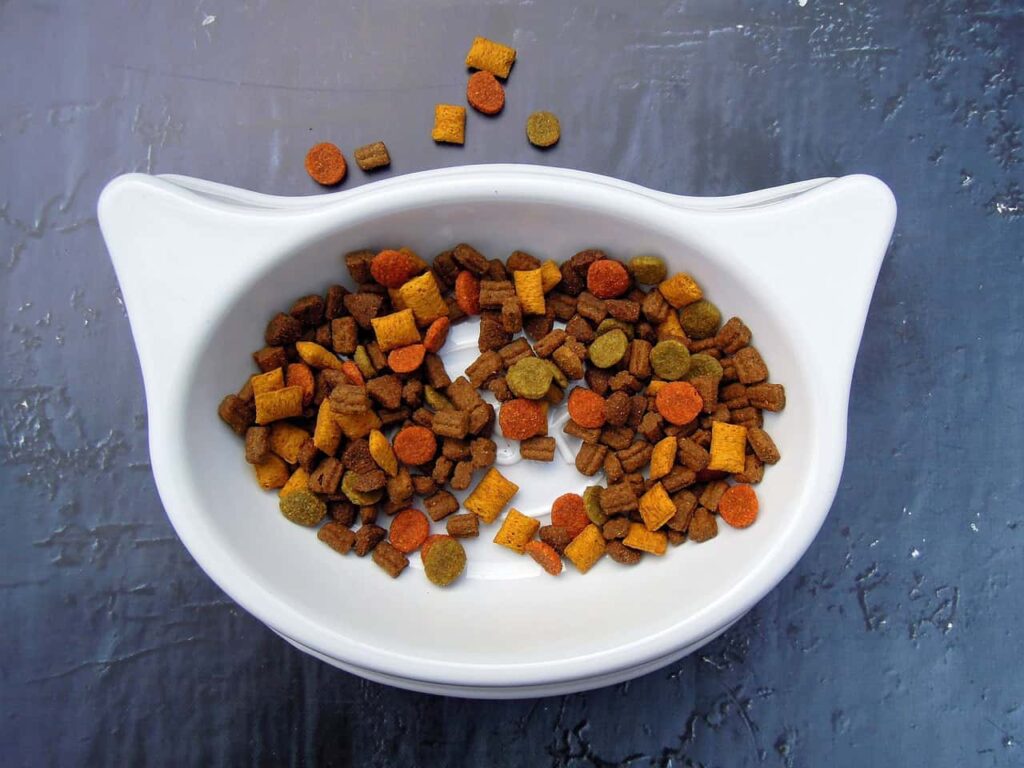
Pet food and birdseed have nutrients that attract rats, bugs, and other unwanted visitors. The smell passes through small cracks, bringing pests into your garage and then into your home.
Keep these items inside your house in closed plastic or metal containers. Clean the containers well before adding new food to stop mold from growing. You might want to buy smaller amounts to keep the food fresh and save space.
Pesticides and Lawn Chemicals
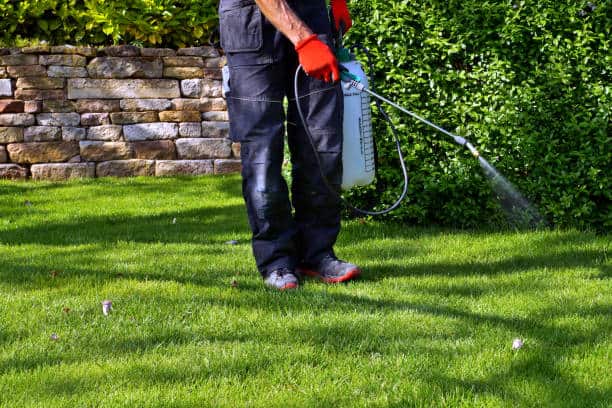
Chemical products require careful storage to prevent accidents and maintain effectiveness. Garage heat accelerates chemical breakdown and creates toxic fumes in enclosed spaces. Store these products in a locked, well-ventilated outdoor shed with proper shelving.
Keep original labels intact and materials in their original containers. Dispose expired products through local hazardous waste programs.
Musical Instruments

Musical instruments do not do well with changes in humidity and temperature. Wood bends, metal rusts, and strings can stretch or snap in garage spaces. Keep instruments in proper cases inside rooms with stable climate.
Use humidifiers made for instruments to keep good moisture levels. Clean and check instruments often before storing them for a long time.
Cleaning Supplies

Cleaning products contain chemicals that become unstable in extreme temperatures. Products may lose effectiveness, create dangerous fumes, or leak in garage conditions. Store cleaning supplies in a dedicated cabinet or closet inside your home.
Keep products upright in their original containers with clear labels. Ensure proper ventilation in storage areas and separate incompatible products.
Fabric Items

Fabric absorbs moisture and odors quickly in garage environments. Materials become breeding grounds for mildew, attract moths, and provide nesting materials for mice. Store clothing, blankets, and other textiles in vacuum-sealed bags or plastic containers with tight-fitting lids.
Add moisture absorbers to storage containers and inspect items regularly. Keep seasonal clothes in bedroom closets or under-bed storage containers.
 If you like what you are reading, then click like and subscribe to my newsletter. We share tips to waste less time and money.
Leather Items

Leather needs steady moisture and temperature to stay in good condition. Keeping leather in a garage can make it crack, grow mold, or turn stiff and break. Put leather items in cotton bags or open containers inside rooms where the air and warmth stay the same.
Use leather cream before putting items away so they stay soft. Do not place leather near things that blow hot air or next to heaters.
Paper Products

Books, magazines, and paper items deteriorate rapidly in garage environments. Pages yellow, bindings break down, and moisture leads to permanent damage. Store reading materials on interior shelves or in sealed containers inside your home.
Use bookends to keep items upright and prevent warping. Organize materials categorically for easy access and regular rotation.
If you like what you are reading, then click like and subscribe to my newsletter. We share tips to waste less time and money.
Artwork and Framed Pictures
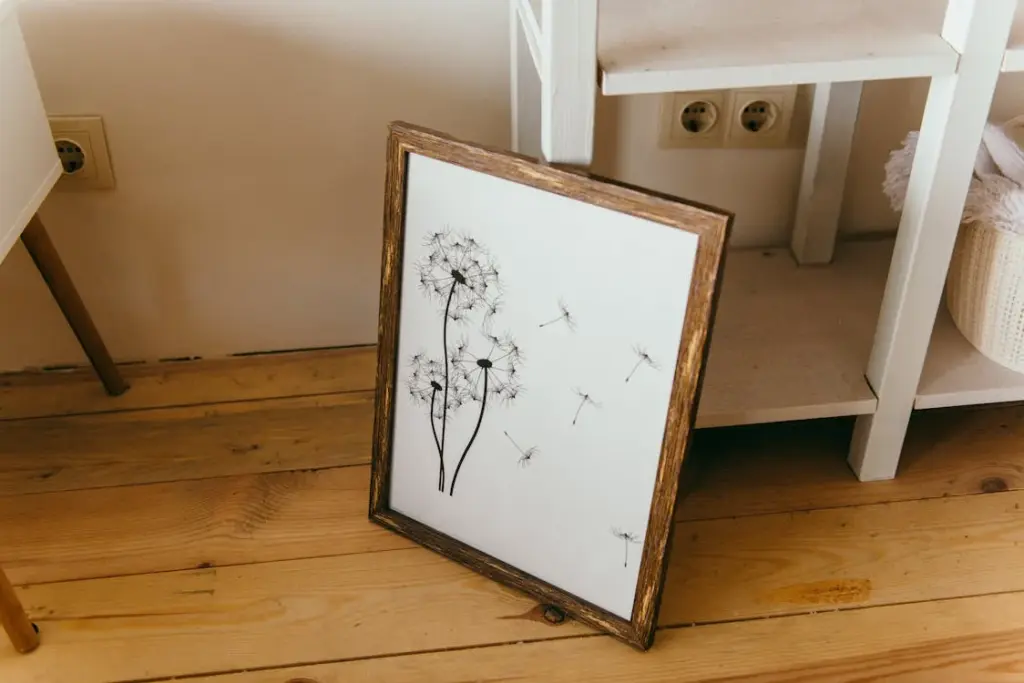
Art supplies can get damaged by changes in heat and dampness. Canvas can get bigger or smaller, paint may break, and frames can bend in a garage. Keep art in rooms where the air and heat stay steady, standing up straight to avoid dents.
Put acid-free paper between each frame when stacking them. Keep the room at the same heat and moisture to protect the artwork.
Batteries

Temperature extremes significantly impact battery performance and safety. Cold reduces power output while heat speeds up chemical breakdown inside batteries. Store batteries in a cool, dry drawer or cabinet inside your home at room temperature.
Keep batteries in their original packaging or a plastic container. Check stored batteries every six months for signs of leakage or damage.
Unused Tires
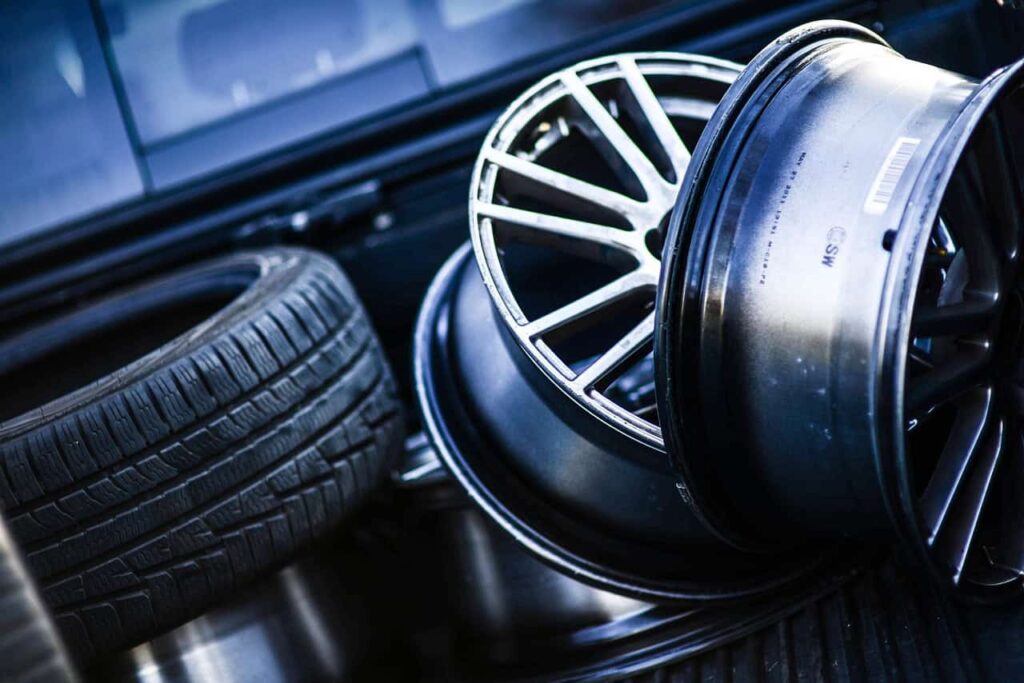
Tire rubber wears out when temperatures change and when tires sit on concrete floors. Sunlight and ozone make tires age faster, cutting their lifespan. Keep tires in bags or covers, and place them up on racks.
Check the air pressure even during storage. Wash tires well before putting them away to help keep the rubber safe.
Fertilizers
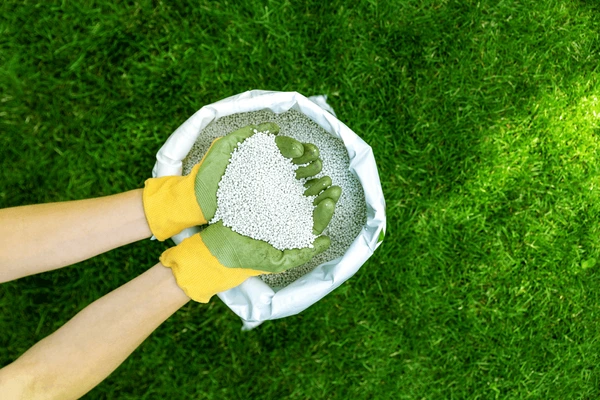
Fertilizer chemicals become unstable in high temperatures and humidity. These products often react with other stored chemicals, creating dangerous situations. Store fertilizers in sealed containers inside a separate storage shed with good airflow.
Keep products in their original packaging with readable instructions. Organize products last-in-first-out to ensure proper rotation.
Making Your Garage Work Better
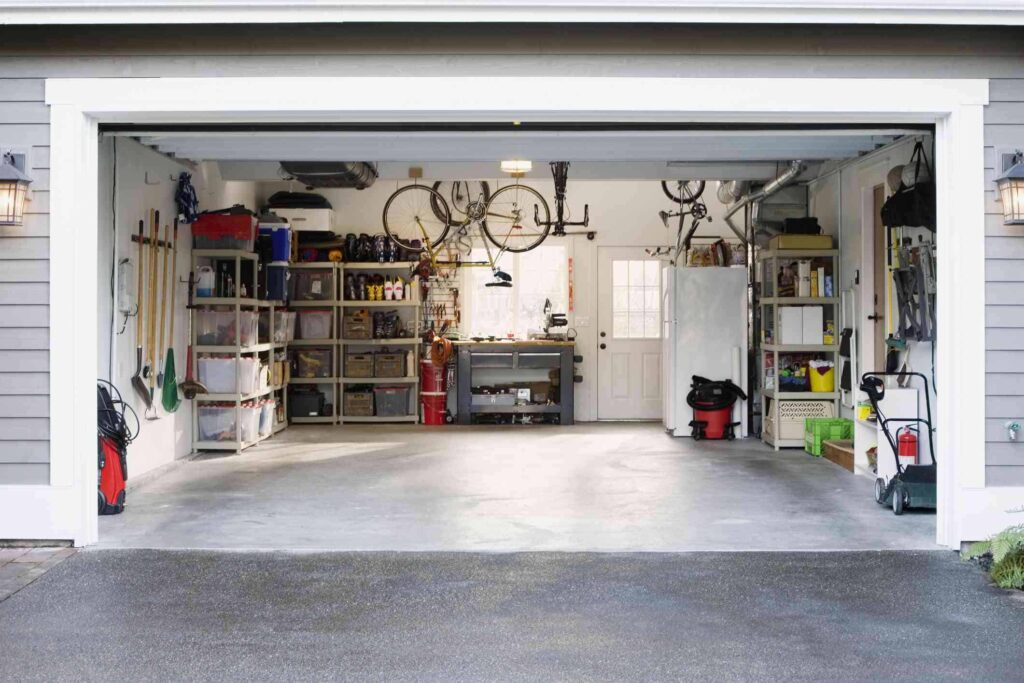
Your garage works best as a special place for your cars, tools, and outdoor gear. Good storage helps keep your things safe and protects your family too. This week, take some time to look over your garage storage; you will probably find some items that should be moved inside your house or stored properly outside.
An organized garage makes your home work better and keeps your important things in good condition. Begin by moving one type of item at a time to the right spot. Think about adding shelves, cabinets, or a storage shed to make better spaces for your stuff.
Cleaning and organizing your garage often will keep it useful and safe all year long.
If you like what you just read, then subscribe to my newsletter.
- Refrigeration Mistakes: 28 Foods You Shouldn’t Store in the Fridge
- Stop! 23 Things You Should Never Keep in Your Bathroom
AI was used for light editing, formatting, and readability. But a human (me!) wrote and edited this.