23 Vital Human Strengths That AI Will Never Match


You might see that artificial intelligence (AI) is everywhere now, changing how we work, talk, and even think. As technology grows very fast, many jobs are changing, and some tasks are done by machines.
It’s normal to ask what this means for future work and the skills that really matter.
Even with all these changes, some skills cannot be copied by any machine. These are the talents based on human connection, creativity, and good judgment, things that make us special.
In this article, we look at 23 important skills that will last a long time, even as AI keeps growing. Each skill shows human strengths that machines cannot match.
Which skills do you think will matter most in the future? Did we miss any important skills? Tell us in the comments!
Ethical and Moral Judgment

Ethical judgment means making choices based on what is right, what matters most, and the common good. This ability is very important in fields like medicine, law, and leadership, where decisions can affect many people.
AI can offer facts or ideas, but it cannot grasp the moral meaning of a choice or think about how it affects people. Humans add kindness, fairness, and a feeling of duty that help guide good judgment in ways machines never can.
Teaching and Mentoring

Teaching is more than sharing knowledge, it’s about connecting with others, understanding their needs, and inspiring growth. Mentors and educators provide guidance, encouragement, and a personal touch that technology cannot replace.
While AI tools can assist in learning, they cannot adapt to every student’s unique challenges or celebrate their successes. Teaching is a human-driven process that shapes minds and builds confidence for a lifetime.
Relationship Building

Building strong relationships needs time, care, and true understanding. It involves building trust, showing kindness, and making bonds that are deeper than simple talk. This skill is important in jobs like leading teams, selling products, and growing communities.
Machines can aid in communication, but they cannot copy the warmth and insight that make human bonds special. The power to connect well is a key part of being human.
Emotional Intelligence (EQ)

Emotional intelligence is all about understanding and managing emotions, both your own and those of others. It involves recognizing feelings, showing empathy, and building meaningful relationships.
This skill is essential for resolving conflicts, motivating teams, and fostering trust in any setting. While AI can analyze data, it cannot interpret facial expressions, tone of voice, or body language in the same way humans can.
Emotional intelligence creates connections that are deeply human and irreplaceable.
21 Careers That AI Won’t Replace Anytime Soon
Critical Thinking and Problem-Solving

Critical thinking is about analyzing situations, weighing options, and making sound decisions. It’s a skill that shines when facing challenges with no clear solutions. Problem-solving requires creativity and adaptability, qualities that go beyond what algorithms can achieve.
Machines might process information quickly, but they lack the ability to consider context, nuance, or unpredictable factors. Humans bring judgment and insight that make critical thinking invaluable in both personal and professional settings.
Creativity and Original Thought

Creativity is the light that brings new ideas, fresh solutions, and unique pieces of art. It grows from imagination, life experiences, and the skill to think in ways that go beyond the usual.
AI can copy styles or make content using patterns, but it can’t make something completely new. People have the gift to invent, inspire, and change the world with creativity, making it a lasting gift.
Humor and Wit

Humor is a uniquely human way of finding joy, breaking tension, and connecting with others. It relies on timing, cultural awareness, and the ability to read a room. Comedians and storytellers use humor to entertain, build rapport, and create shared experiences.
While AI can mimic jokes, it doesn’t truly understand the nuances or context behind them. Humor is a powerful tool that strengthens relationships and adds lightness to life.
 If you like what you are reading, then click like and subscribe to my newsletter. We share tips to waste less time and money.
Adaptability in New Situations

Adaptability means being able to change easily and feel sure in new situations. This skill is very important in a world that keeps changing. It helps when changing jobs or dealing with sudden problems.
People can quickly rethink what matters, change plans, and come up with new ideas to keep going. Machines can do tasks well, but they cannot change when things are not clear. Adaptability helps people do well in any condition.
Conflict Resolution

Resolving conflict involves listening, understanding different perspectives, and finding solutions that work for everyone involved. It’s a skill that requires empathy, patience, and strong communication.
AI might offer suggestions, but it cannot navigate the emotions or subtleties of human disagreements. People excel in finding common ground and restoring harmony, making conflict resolution a vital skill in both personal and professional relationships.
Hands-On Craftsmanship

Craftsmanship is the art of creating with skill, precision, and care. Be it woodworking, tailoring, or sculpting, it embodies a human touch that machines cannot replicate. Each piece tells a story, showcasing the effort and creativity of its maker.
While technology can facilitate mass production, it fails to capture the authenticity and uniqueness inherent in handmade work. Craftsmanship preserves the human spirit in every creation.
Parenting and Caregiving

Parenting and caregiving are based on love, patience, and feeling with others. These jobs are more than just doing tasks; they also mean giving comfort, help, and care. Caregivers give a feeling of safety and closeness that no machine can match.
Though technology can help with watching or reminders, it cannot give the kindness or warmth of real human contact. Parenting and caregiving are still very important for building emotional health.
Public Speaking and Persuasion
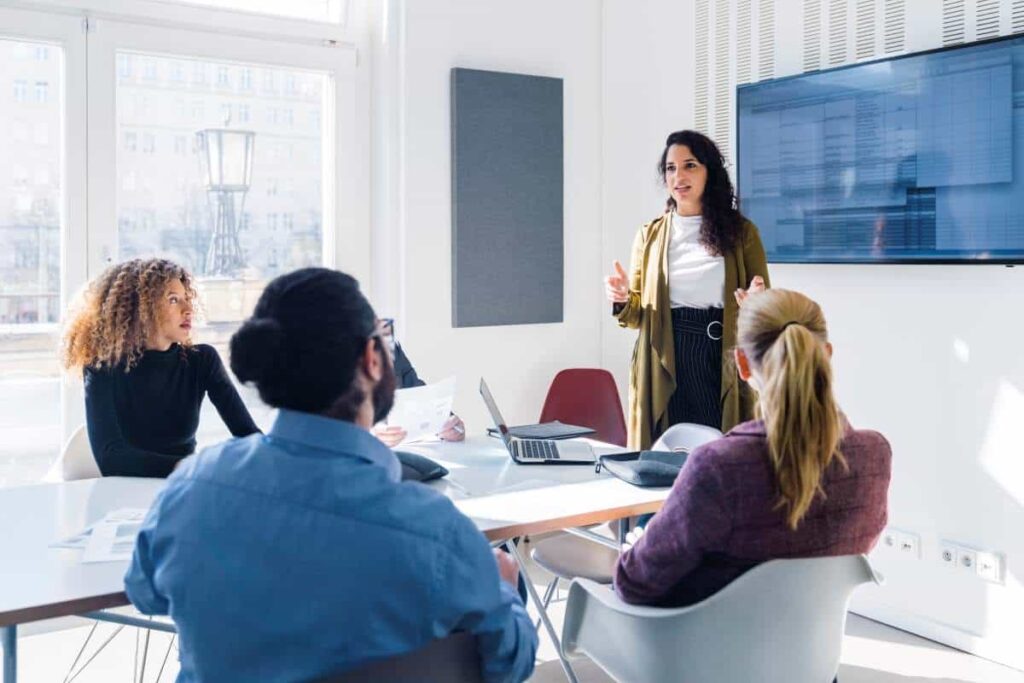
Public speaking is the art of delivering messages that inspire, inform, or motivate others. It requires confidence, emotional awareness, and the ability to connect with an audience. Great speakers adjust their delivery in real-time, responding to the energy and reactions of their listeners.
AI can generate content or assist in preparation, but it cannot replicate the human ability to inspire action through words. Public speaking remains a skill that moves people and drives change.
Leadership and Vision

Leadership means inspiring, guiding, and encouraging others to work together toward a shared goal. It needs understanding feelings, making good choices, and building trust with the team.
Leaders offer clear goals and meaning, balancing plans with knowing what people need and what they do well. AI can look at patterns or give ideas, but it cannot create the strong bond or shared goal that great leaders build.
Leadership is a special human skill that helps move progress and new ideas forward.
Storytelling and Narrative Building

Storytelling is the art of conveying ideas, emotions, and experiences through compelling narratives. It helps people connect, understand complex topics, and remember key messages.
Stories resonate because they tap into human emotions and shared experiences in a way that facts alone cannot achieve. While AI can generate text, it cannot craft a story with the same depth, creativity, or emotional resonance.
Storytelling will always play a central role in culture, communication, and education.
Risk Assessment and Judgment

Risk assessment means looking at possible results and making choices that balance chances and safety. It needs good judgment, experience, and clear thinking when things are unsure.
AI can work out chances or run tests, but it can’t judge feelings or moral values. Human insight and experience make risk assessment a key skill for handling tough decisions.
If you like what you are reading, then click like and subscribe to my newsletter. We share tips to waste less time and money.
Cultural Understanding and Sensitivity

Cultural understanding is about recognizing and respecting the beliefs, traditions, and values of others. It helps bridge differences, build connections, and promote collaboration in diverse environments.
Machines can process cultural data, but they lack the ability to fully grasp the context or depth of human traditions. Cultural sensitivity requires empathy, awareness, and a willingness to learn, making it an invaluable skill in a globalized world.
Physical Dexterity and Coordination
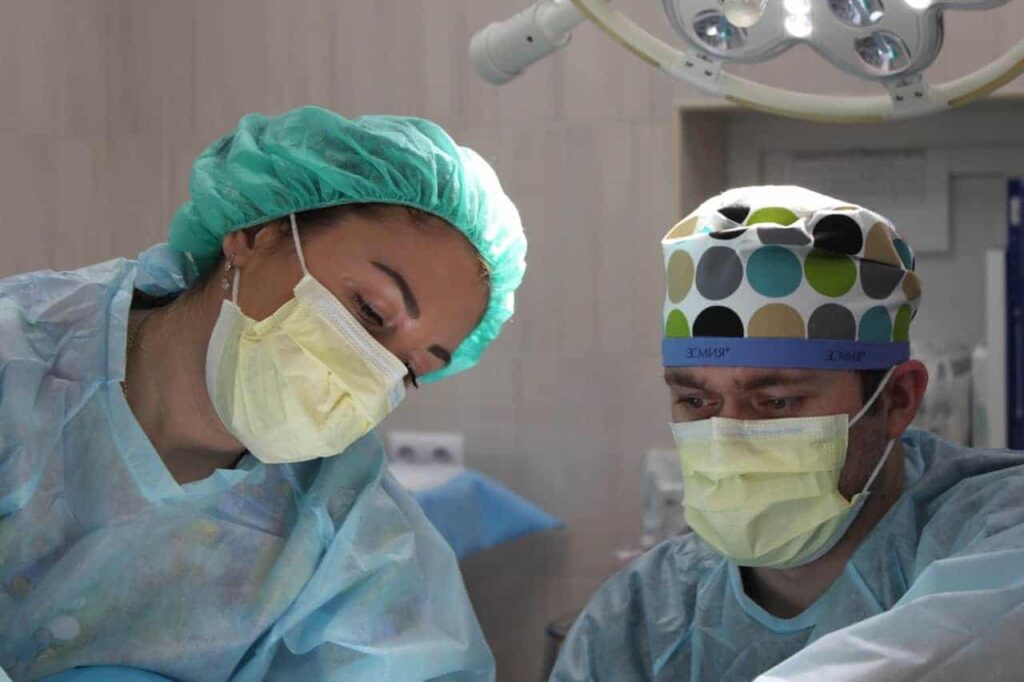
Physical dexterity means making careful movements, being well-coordinated, and using hands skillfully, things machines cannot do completely. Jobs like surgery, acting, and sports need skill, practice, and quick thinking.
Robots can help with some work, but they cannot copy the smoothness or feeling of human actions. Physical dexterity shows the special skills of the human body in both work and fun.
Environmental Awareness and Stewardship

Caring for the environment involves understanding its complexities and acting responsibly to protect it. This skill combines knowledge, ethical reasoning, and a deep connection to nature that machines cannot possess.
While AI can assist in monitoring environmental data, it takes human commitment to advocate for change and lead conservation efforts. Environmental stewardship relies on our collective efforts to preserve the planet for future generations.
Visionary Thinking

Visionary thinking means dreaming about what could be, making big goals, and encouraging others to reach them. It needs creativity, strong will, and the skill to look past the present time.
AI can check patterns or guess results, but it cannot picture a future made by human hopes and wishes. Visionary thinkers help change things by going beyond limits and sparking new ideas.
Hospitality and Human Interaction

Hospitality is about creating welcoming environments and making others feel valued. It goes beyond service to include personal touches, warmth, and genuine care for people’s needs.
Machines can automate processes, but they cannot replicate the sincerity of a smile or the comfort of a thoughtful gesture. Human interaction is the heart of hospitality, making it a timeless skill in both personal and professional settings.
Negotiation Skills

Negotiation means understanding different views, gaining trust, and finding answers that help all people involved. It is about being clear and kind at the same time to make deals in tough moments.
Machines can give facts or plans, but they cannot feel emotions or change how they act right away. Good negotiators use personal links and feelings to get results.
Negotiation is a skill for people that helps build bonds and solve problems.
Artistic Expression

Artistic expression is a form of creativity that reflects emotions, culture, and individuality. Through painting, music, writing, and other mediums, artists convey ideas and beauty in ways that machines cannot replicate.
While AI can produce art-like creations, it lacks the intentionality and personal connection of human-made works. Artistic expression gives voice to feelings, inspires change, and preserves the essence of human experience across generations.
Empathy and Compassion

Empathy means being able to know and feel what another person is going through, while compassion means doing something to help. These traits help make relationships stronger and bring people together in both personal and work life.
Machines can’t really feel or react to emotions, no matter how much they improve. Empathy and compassion create a closer bond and kindness that are very important for people to connect.
The Enduring Value of Human Skills

In a world where technology changes fast, the special qualities people have can’t be copied. Skills based on kindness, creativity, and understanding feelings will always be different, guiding how we connect and create.
These skills go beyond numbers or formulas and affect how we lead, encourage, and form communities. Even if AI helps with some tasks, it cannot copy the heart and gut feelings behind what people do.
Cherishing and growing these key skills keeps humans at the heart of progress. The future might be different, but these important talents will always matter.
If you like what you just read, then subscribe to my newsletter.
- Boomers Were Right! 20 Times Boomers Showed Us They Knew Better
- 25 Basic Home Maintenance Skills Younger Generations Don’t Know How to Do Anymore
AI was used for light editing, formatting, and readability. But a human (me!) wrote and edited this.