24 Aging Myths You Should Stop Believing

Have you ever thought about what is true and what is just a story about getting older? There are many ideas about aging that people share, making it hard to know what is right.
Some say getting older means moving slower, losing freedom, or having memory problems, but is that true? These usual thoughts can make getting older seem more scary than it really is.
In fact, many of these ideas are not correct. Getting older does not always mean bad health, being alone, or losing meaning in life. With the right attitude and habits, you can stay active, healthy, and involved even in later years.
In this article, we will talk about 24 common wrong ideas about aging and show why they are not true. Knowing the facts can help you feel sure about getting older and make good choices that lead to a happy, independent life.
Have you heard any of these wrong ideas about aging? What is one thing about getting older that made you stop and think? Share your thoughts in the comments!
You Can’t Learn New Skills as You Age

The ability to learn does not go away as you get older. Your brain can still change and make new links all through life, called neuroplasticity.
It might mean starting to play an instrument, learning a new language, or trying a new hobby. Doing new things helps keep your mind sharp. Learning also builds confidence and gives chances to meet new people. Getting older should not stop you from growing.
Older Adults Need Less Sleep

The need for sleep does not get less as we grow older, but how we sleep can be different. People over 65 still need 7 to 8 hours of sleep each night to feel rested and stay healthy. Problems like trouble sleeping or waking up often happen a lot but can be avoided.
Keeping a regular bedtime, cutting back on caffeine, and making the bedroom cozy can help improve sleep. If issues continue, a doctor’s advice can find the cause.
Seniors Should Avoid Technology

Technology is not just for young people. Many older adults use devices and apps to keep in touch, get healthcare, and enjoy their hobbies. Video calls, online lessons, and fitness trackers are some tools that improve everyday life.
Learning to use technology can seem hard at first, but many options, such as local classes or online guides, can make it easy. Using technology helps keep communication and fun within reach.
Memory Loss Is Inevitable with Age

While occasional forgetfulness is common, significant memory loss is not guaranteed as you age. Conditions like dementia are not a normal part of getting older and often have specific causes that can be addressed.
Staying mentally active through reading, puzzles, or learning new skills helps keep the brain sharp. Social interaction and physical activity also support cognitive health.
Regular check-ups can identify and manage any concerns early, making memory problems less likely.
Older Adults Should Avoid Exercise to Prevent Injury

Keeping active is one of the best ways to stay strong, balanced, and healthy as you get older. Exercise lowers the chance of falls and long-term illnesses like heart disease and diabetes. Doing activities like walking, swimming, or yoga helps keep joints flexible and muscles strong.
Even light strength exercises can make bones stronger and reduce the chance of broken bones. Talking to a doctor can help create an exercise plan that fits each person’s needs.
Aging Means Constant Physical Pain
Chronic pain is not an inevitable part of getting older. Many age-related aches and pains stem from treatable conditions like arthritis or poor posture. Regular physical activity, a healthy diet, and proper hydration often reduce discomfort.
Physical therapy and other treatments can address specific issues, while mindfulness practices, such as meditation, may help with pain management. Proactive care plays a significant role in preventing and reducing physical discomfort.
Aging Always Leads to Depression

Getting older does not mean losing emotional well-being. Though aging can bring some problems, it is still possible to keep a positive attitude and good mental health.
Keeping in touch with others, doing hobbies, and staying active are important for emotional strength. Help from professionals is there for people who feel sad or lonely for a long time.
Aging can be a time of happiness and growth when mental health is cared for.
Metabolism Stops Completely After a Certain Age
Metabolism naturally slows as part of the aging process, but it does not stop entirely. Regular physical activity and a balanced diet help maintain a healthy metabolic rate. Strength training is particularly effective in preserving muscle mass, which supports calorie burning.
Drinking plenty of water and eating nutrient-rich foods also contribute to metabolic health. Small, sustainable changes in daily habits can make a significant difference.
You’ll Inevitably Gain Weight as You Age

Weight gain is not an unavoidable part of aging but is often influenced by lifestyle choices. A decrease in physical activity or changes in eating habits can lead to weight gain, but these factors are manageable.
Staying active, eating smaller portions, and focusing on whole foods are practical steps to maintain a healthy weight. Monitoring weight regularly and seeking guidance when needed ensures that this aspect of health stays on track.
Cognitive Decline Starts at 30
As people get older, some thinking skills might slow down a little, but many others stay strong or get better. Word knowledge, solving problems, and understanding feelings often grow over the years.
Doing activities that challenge the mind, like reading, puzzles, and talking with others, helps keep the brain active. Keeping your mind busy helps your brain stay healthy even in later years. Getting older does not always mean losing mental alertness.
You Can’t Improve Heart Health After 60
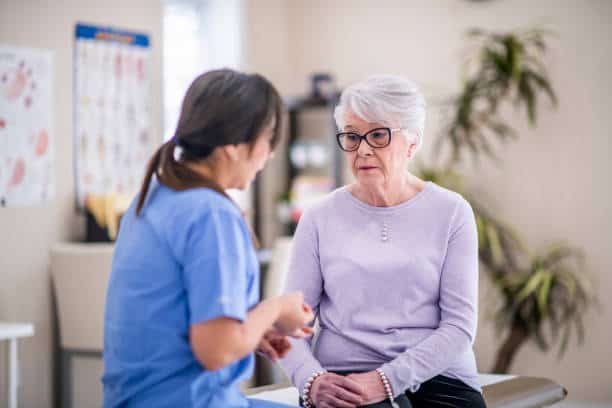
Heart health can improve at any stage of life. Making changes such as exercising regularly, eating a heart-healthy diet, and quitting smoking strengthens the heart. These habits help lower blood pressure, reduce cholesterol, and improve circulation.
Even small adjustments, like walking daily or choosing healthier fats, have significant benefits. A strong heart is always within reach with consistent care.
Hearing Loss Is Unavoidable

Age-related hearing loss is common, but it’s not guaranteed. Protecting ears from loud noises and managing chronic conditions like diabetes and high blood pressure reduces risk. Hearing aids and assistive devices can also improve quality of life.
Regular hearing check-ups allow early detection of hearing changes. Taking steps to protect hearing helps maintain clear communication and social connections.
 If you like what you are reading, then click like and subscribe to my newsletter. We share tips to waste less time and money.
Osteoporosis Only Affects Women

Osteoporosis happens more in women, but it is not just a women’s health problem. Men can get it too, especially as they get older, but it is often not found. Eating enough calcium and vitamin D, and doing exercises that put weight on bones, help keep bones strong.
Getting regular bone density tests can find problems early and help doctors treat them well. Having strong bones is important to stay independent and avoid getting hurt.
If you like what you are reading, then click like and subscribe to my newsletter. We share tips to waste less time and money.
Older Adults Should Eat Less Protein

Protein is essential for maintaining muscle mass and strength, especially as the body naturally loses muscle with age. Eating enough protein supports balance, mobility, and recovery after injuries.
Sources like lean meats, fish, eggs, beans, and dairy are excellent choices for maintaining muscle health. A protein-rich diet also helps prevent frailty, which can lower the risk of falls. Including protein in each meal is a simple way to stay strong and active.
Wrinkles Are Entirely Genetic
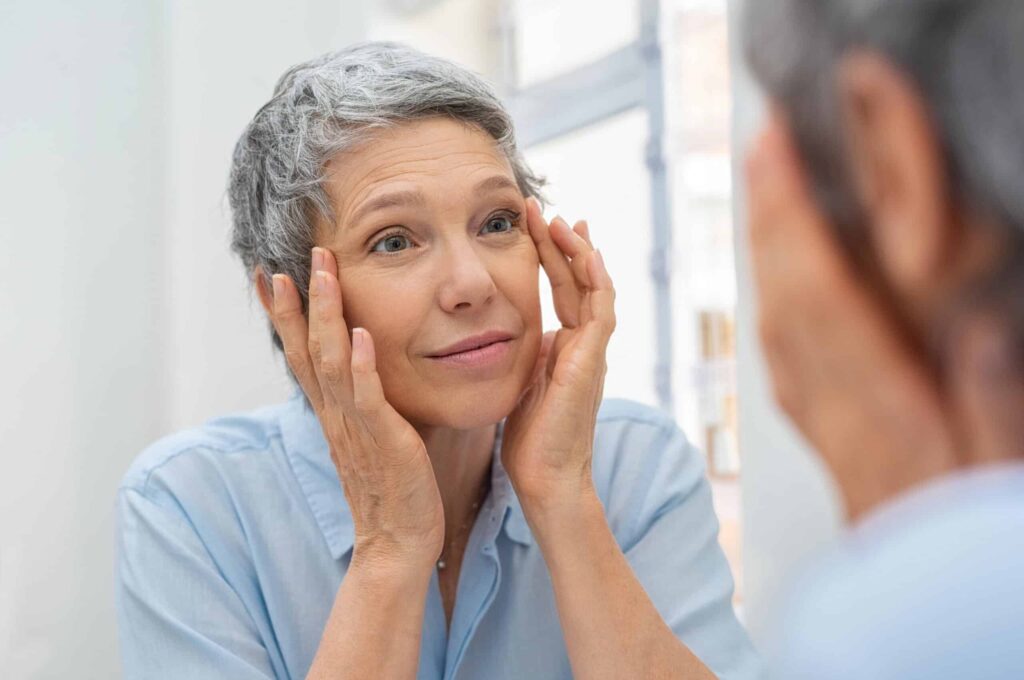
Genes affect how skin gets older, but daily habits matter much more. Sunlight, smoking, bad diet, and not drinking enough water cause early wrinkles. Wearing sunscreen, drinking water, and eating foods with antioxidants help keep skin safe.
Using moisturizers and gentle skin care also keep skin firm. Good habits show clear results in how skin changes with time.
Older People Can’t Drive Safely

Many older adults continue to drive safely for many years. Regular vision checks, proper medication management, and choosing familiar routes help maintain driving safety. Some may prefer driving during daylight or avoiding busy roads, which can make driving more comfortable.
Staying physically active improves reaction time and coordination. Safe driving is possible with mindful adjustments and regular health monitoring.
Skin Care Doesn’t Matter After 50

Skin health is important at every age. Simple daily actions, like applying sunscreen, using moisturizer, and drinking enough water, help keep skin healthy and glowing. Eating foods full of vitamins, such as fruits and vegetables, also helps skin renew itself.
Cleaning skin gently and not using strong or rough products protect its natural layer. Caring for your skin is something to do all life long, and it shows in how your skin looks.
Sex Drive Disappears with Age

Aging does not mean losing interest in intimacy. Many older adults continue to enjoy healthy relationships and fulfilling sex lives. Physical health, emotional connection, and open communication all contribute to intimacy.
Addressing health issues or medication side effects can improve comfort and desire. Staying connected with a partner can enrich relationships at any age.
Vitamins and Supplements Can Stop Aging
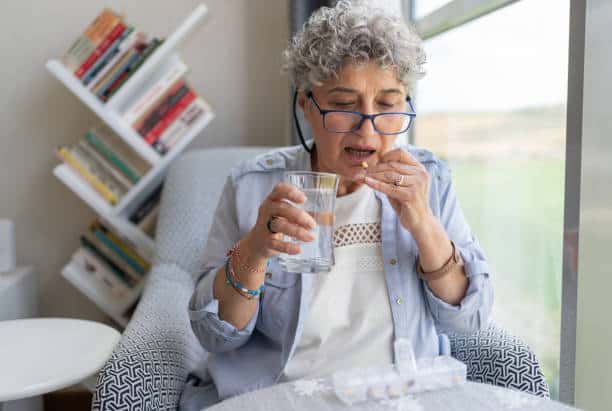
No vitamin or supplement can prevent aging. A balanced diet filled with fruits, vegetables, lean proteins, and whole grains provides the nutrients the body needs. Relying on supplements without medical advice can lead to imbalances or health risks.
Healthy aging comes from overall lifestyle choices rather than quick fixes. Whole foods are the most effective source of lasting health benefits.
Mental Health Declines Uncontrollably with Age

Mental health can stay steady and healthy in older age. Keeping in touch with family and friends, doing fun things, and staying physically active all help keep emotions balanced. Noticing and getting help for issues like anxiety or depression stops them from getting worse.
Many older people grow stronger emotionally as they get older. Feeling good inside is just as important as staying physically healthy.
Seniors Are Unproductive in the Workforce

Older workers bring valuable experience, reliability, and strong problem-solving skills to the workplace. Many industries benefit from the knowledge and mentorship older employees provide.
Lifelong learning and adaptability allow seniors to stay competitive in modern jobs. Flexible work options, such as part-time roles or consulting, offer meaningful ways to stay involved. Age does not diminish professional value or contribution.
All Older Adults End Up in Nursing Homes

Most older adults live on their own or with little help. Many decide to stay in their own homes with help from family, local services, or home care. Assisted living places and aging-in-place programs also offer different care options.
Keeping active and taking care of health lowers the need for full-time care. Many people can stay independent even in their later years.
Aging Means Losing Independence

Growing older does not automatically lead to dependency. Staying physically active, managing health, and using supportive tools allow many seniors to live independently. Simple adjustments, like installing handrails or using mobility aids, can make daily life safer.
Planning for future needs ensures continued self-sufficiency. Many older adults maintain control over their lives for a long time.
It’s Too Late to Quit Smoking or Drinking

Stopping smoking or drinking less alcohol helps your health at any age. Your lungs start to get better soon after you quit smoking, and your heart gets stronger in a few months.
Drinking less alcohol lowers the chance of liver problems, cancer, and other illnesses. Making these changes can help you live longer and feel better every day. It’s always a good time to choose healthier habits.
Embracing the Truth About Aging
Letting go of usual ideas about aging allows a healthier and happier life. Getting older does not mean losing freedom, health, or joy.
By keeping good habits and making smart decisions, it is possible to stay active, interested, and full of energy at any age.
Replacing worry with knowledge builds confidence and feeling good.
The truth is, aging can bring growth, strength, and new chances.
If you like what you just read, then subscribe to my newsletter.
- 25 Unnecessary Expenses That Smart Seniors (Try To) Avoid
- Master Your Retirement: 19 Strategies That Fit Every Lifestyle
AI was used for light editing, formatting, and readability. But a human (me!) wrote and edited this.