24 Habits That Unknowingly Make You Seem Low-Class


Ever noticed how some daily actions make people raise an eyebrow or look down at you? We live in a world where your lunch pick or speech style can lead others to judge your social class fast.
Today, we will list this issue and question some bad ideas. You may find these views common.
A Pew Research Center survey shows 66% of people see big fights between rich and poor in the US. More shocking? 30% call these fights “very strong.”
This article lists 24 actions society tags as “low-class.” We will check why people think that and why it misses the mark. Keep in mind these are just social ideas, not true facts.
Each person’s story differs, and judging by these actions alone stays wrong. I aim to start good talks and cut our own hidden biases.
Tell us your thoughts!
Using Poor Grammar and Slang

People often link “proper” speech to education and class. But language varies, and slang adds depth to cultural identity.
Judging a person’s value by their speech misses the value in different languages. Groups have their own speech styles that work well, even if they break standard grammar.
Focus more on what someone says than how they say it.
Public Arguments

Having heated discussions in public is often seen as classless. But conflict happens, and not everyone has the luxury of private spaces to sort out disagreements.
Some cultures are more expressive and open with their emotions, which can lead to more public displays of disagreement. It’s important to remember that what looks like an argument to one person might be a normal discussion to another.
Excessive Social Media Use
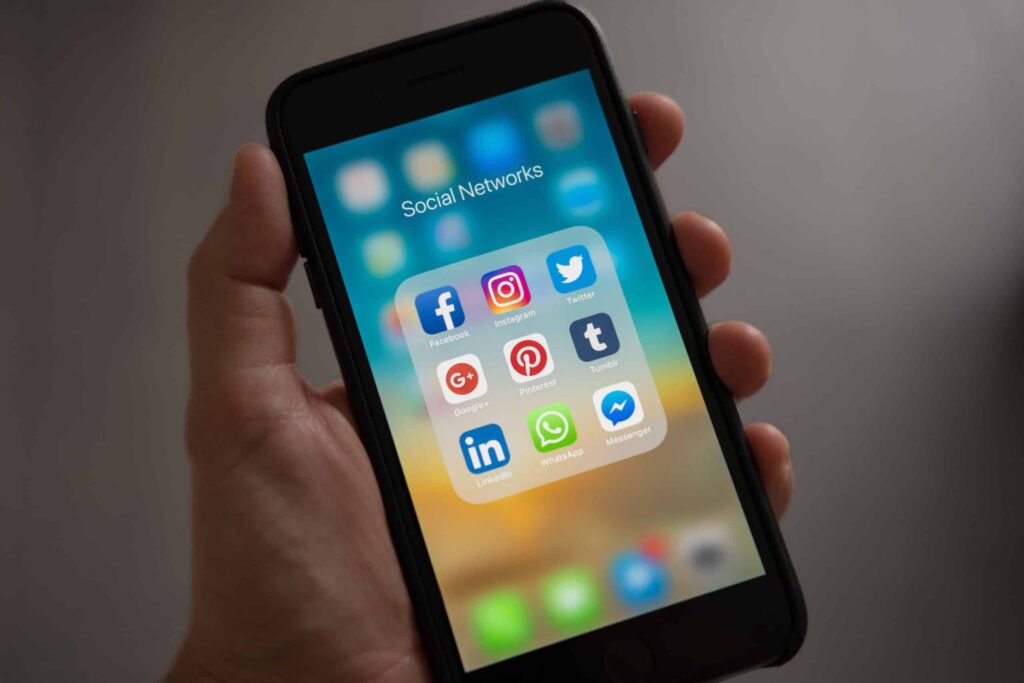
Some view heavy social media use as a waste of time. But for many people, it’s a way to stay connected, build communities, and even make a living.
In today’s digital age, social media can be a powerful tool for networking, learning, and self-expression. Judging someone’s social media habits without understanding their purpose or context can lead to unfair assumptions about their productivity or worth.
Teen Pregnancy

People often link teen pregnancy to low education and bad choices. But the truth is more complex. It includes things like no sex education and hard-to-get healthcare.
Teen parents face many problems. They get harsh judgment that makes life harder. We need to give support and understanding, not criticism. These young parents raise a child while still growing up.
 If you like what you are reading, then click like and subscribe to my newsletter. We share tips to waste less time and money.
Multiple Divorces

Having several divorces is sometimes seen as a sign of instability. But relationships are complicated, and ending an unhealthy marriage can be a brave choice.
People who have been through multiple divorces may have experienced abuse, incompatibility, or simply grown apart from their partners. It takes courage to leave a relationship that isn’t working, regardless of how many times it happens.
Judging someone for their divorce history overlooks the growth and self-awareness that can come from these experiences.
Large Families with Limited Means

Having many children when money is tight is often judged as irresponsible. But family size is a personal choice, influenced by cultural and religious factors.
Some people value large families and find ways to make it work despite financial challenges. Others might have limited access to family planning resources.
It’s important to remember that every family’s situation is unique, and what might seem impractical to one person could be deeply meaningful to another.
Working Minimum Wage Jobs

Some people look down on minimum wage workers. But these workers keep our economy strong. They do key jobs that make society work.
Many in these jobs work very hard. They often hold more than one job to pay bills. It is not fair to judge people by their job or pay.
These jobs need skills, hard work, and strength. They earn respect, not blame.
Dropping Out of School

Leaving school early is often seen as giving up. But for many, it’s a tough choice made due to financial pressures, family responsibilities, or other personal circumstances. Some students might need to work full-time to support their families.
Others might struggle with learning disabilities or mental health issues that make traditional schooling challenging. Dropping out doesn’t mean someone lacks intelligence or ambition, it’s often a complex decision made under difficult circumstances.
Lack of Higher Education

Not having a college degree is sometimes viewed as a barrier to success. But many successful people have found their path without traditional higher education. Some individuals thrive in hands-on learning environments or vocational training programs.
Others might start their own businesses or excel in fields that don’t require formal degrees. It’s important to recognize that there are many paths to success and learning, and college isn’t the right choice for everyone.
Living in Subsidized Housing

People often judge those in public or subsidized housing. But these programs give key help to many families and people.
Residents in subsidized housing come from all kinds of backgrounds. They may work full time, raise kids, or live with disabilities. This housing brings stability and safety to those who could not pay for a home otherwise. It acts as an important tool, not a sign of failure.
Using Public Transportation Regularly

In some places, relying on public transit is seen as a sign of not being able to afford a car. But using public transportation can be a smart, eco-friendly choice, regardless of income.
It can save money on car payments, insurance, and parking. In many urban areas, public transit is more convenient than driving. People who use public transportation regularly are often making a conscious choice that benefits both their wallet and the environment.
Living in Mobile Homes or Trailers

Mobile homes are sometimes associated with poverty. But they can be an affordable housing solution and a lifestyle choice for many people. Some choose mobile homes for their lower cost and maintenance.
Others appreciate the flexibility to move their home if needed. These homes can provide a sense of ownership and community that might otherwise be out of reach. Judging someone’s living situation without understanding their reasons is unfair and short-sighted.
If you like what you are reading, then click like and subscribe to my newsletter. We share tips to waste less time and money.
Lack of Interest in “High Culture”

Skipping art galleries, classical music, or literature can look unsophisticated at times. Cultural tastes differ a lot, and one person’s culture may clash with another’s.
Some find deeper value in folk ways, pop music, or other expressions not called “high culture.” Others lack access to those art types because of their past or schooling.
Living Paycheck to Paycheck

Many people find themselves struggling to make ends meet, with their entire paycheck gone as soon as it arrives. Society often sees this as poor money management, but that’s not always true.
With rising costs of living and wages that don’t keep up, many hardworking individuals end up in this situation through no fault of their own. It’s a tough spot to be in, and it can feel like you’re always one step away from trouble.
The stress of living this way can be overwhelming, and it’s important to remember that many people in this situation are doing their best with the resources they have.
Using Payday Loans

When unexpected expenses pop up, some people turn to payday loans as a quick fix. These loans often come with incredibly high interest rates, trapping borrowers in a cycle of debt.
Society tends to look down on those who use these services, but for many, it’s a last resort when there’s nowhere else to turn. The desperation that leads someone to take out a payday loan is often overlooked.
It’s easy to judge when you’re not in that position, but for those facing a financial emergency with no other options, these loans can seem like the only way out.
Not Having a Savings Account

We’re often told that saving money is crucial, and not having a savings account is seen as irresponsible. But when you’re barely covering your basic needs, saving can feel impossible.
It’s not always about lack of financial planning, sometimes there’s just nothing left to save after paying for necessities. The idea of putting money aside can seem like a luxury when you’re struggling to pay for food, housing, and healthcare.
For many people, the concept of savings is a distant dream rather than a realistic goal.
Buying Lottery Tickets

Purchasing lottery tickets is often viewed as a waste of money and a sign of financial desperation. People who regularly buy lottery tickets are sometimes seen as naive or uneducated about probability.
Yet, for some, buying a lottery ticket represents a small glimmer of hope in otherwise challenging circumstances.The dream of a big win, no matter how unlikely, can provide a brief escape from mental break daily struggles.
It’s important to understand that this behavior isn’t always about financial literacy, but sometimes about holding onto hope.
Wearing Inexpensive or Outdated Clothing

Fashion links to social status, and clothes that lack trend or cost can draw tough views. Not all can buy top brands or match fast shifts.
Some pick ease over looks, and some save cash for key needs. The push to dress right feels strong, but a person’s value does not come from clothes.
Clothes form one tiny piece of us, and judging by outfit skips key parts of character.
Poor Dental Hygiene

A bright, healthy smile is often associated with success and good health. But dental care is incredibly expensive! Many people can’t afford regular check-ups or treatments, let alone cosmetic procedures.
It’s unfair to judge someone’s worth based on their teeth. Dental issues can be painful and embarrassing, and those who struggle with them often feel ashamed and judged.
It’s important to remember that behind every smile (or lack thereof) is a person with their own story and struggles.
Visible Tattoos

Attitudes are changing, but visible tattoos are still sometimes linked to lower social classes. This stereotype ignores the rich history and cultural significance of tattoos in many communities.
For some, tattoos are a form of self-expression or art, while for others they hold deep personal or cultural meaning. Judging someone based on their tattoos overlooks the individuality and personal choice that goes into body art.
It’s a narrow-minded view that fails to appreciate the diversity of human expression.
If you like what you are reading, then click like and subscribe to my newsletter. We share tips to waste less time and money.
Smoking

People link smoking to low education and low income. Addiction is hard, and quitting takes great effort. Some smoke to handle stress or picked up the habit long ago when risks stayed unknown.
Smoking stigma skips nicotine’s strong hold and reasons people start or keep smoking. Judging comes easy, but grasping the full story proves much harder.
Frequenting Fast Food Restaurants

Fast food is often seen as unhealthy and unsophisticated. But for many people, it’s affordable, convenient, and sometimes the only option in areas with limited food choices.
When you’re working long hours or juggling multiple jobs, cooking at home isn’t always possible. Fast food restaurants can offer a quick, budget-friendly meal for families on the go.
It’s important to consider that food choices are often influenced by factors like time, money, and accessibility, rather than just personal preference.
Gambling

Society often views gambling as reckless and addictive. While gambling can indeed be problematic, it’s also a form of entertainment for many people. The stigma ignores the complex reasons why individuals gamble.
For some, it’s a social activity or a way to relieve stress. Others might see it as a potential way out of financial difficulties. Judging someone for gambling without understanding their situation overlooks the nuanced nature of this activity.
Being Loud in Public

Loud actions in public often look rude and uneducated. But cultures set different rules for okay noise levels. What seems too loud to some feels normal to others.
Cultural roots, family training, and hearing problems can shape how loud people talk or act. Think about these points before you judge someone’s character by their noise level.
Excessive Drinking

Heavy drinking is often associated with poor self-control. But alcohol use is complex, influenced by factors like stress, mental health, and social norms.
For some, drinking might be a coping mechanism for dealing with difficult life circumstances. Others might be struggling with addiction, a medical condition that requires understanding and support rather than judgment.
It’s important to look beyond the behavior and consider the underlying causes.
Rethinking Our Perceptions

We’ve checked out these 24 behaviors that society calls “low-class.” These views are stereotypes, not true signs of a person’s character, value, or ability.
Life has many parts, and we all try hard with what we get. Let’s not judge fast. Let’s get to know each other better. A kind, caring society helps all people, no matter their past or situation.
Let’s build each other up, not break each other down. A society that includes all is a strong one.
If you like what you just read, then subscribe to my newsletter.