24 Important Steps to Take Before Downsizing Your Home


Moving to a smaller home can be both exciting and hard, especially when you think about all the changes it brings. Downsizing is not just about picking a smaller place; it means changing how you live to fit new goals.
Did you know that many baby boomers aged 57 and older often choose to move to a smaller, easier-to-manage home as part of their retirement plans? Missing this chance to simplify your life could mean more stress and less money saved.
In this guide, you will learn the key steps to downsize well, starting with looking at what you really need, sorting your stuff, and understanding money matters.
Are you ready to begin your downsizing path in the best way? What will you do to make the change easy? Share your thoughts with us in the comments!
Decide Between Selling or Donating Excess Items

One of the challenges of downsizing is figuring out what to do with your excess belongings. Selling items can help cover moving costs, but donating allows you to give back to the community. Decide what is worth selling versus what should be donated based on condition, value, and sentimental worth.
Research charities that accept specific items such as furniture or electronics. Donating to specialty charities ensures that your items are put to good use and can benefit those in need more directly.
Research New Home Options

When checking out homes, think about the pluses of different types of houses. Condos, townhouses, and smaller single-family homes all have their own good points.
Look into choices that match your budget and way of living, paying attention to things like upkeep, facilities, and the feel of the neighborhood.
Many smaller homes have HOAs. Be sure you know the HOA rules, fees, and limits, since these affect how happy you will be with the home.
Explore Community Resources

Check out local amenities and services near your potential new home. Living close to health services, entertainment options, and grocery stores can significantly affect your comfort and satisfaction in a new place.
Moving to a new area can be isolating at first. Look for communities with clubs, volunteer opportunities, and social events to help you quickly integrate and build a new network.
Set Clear Goals for Downsizing

Consider why you want to downsize. Is it to save money, cut down on housework, or make your life easier? Knowing your main reason will help make the whole process easier and keep you on track when deciding what to keep or get rid of.
Speak with your family about your plans, especially if they feel close to your home. They might offer help and support, which can make this emotional change less hard.
Assess Your Financial Situation

Downsizing has financial implications that go beyond selling your current home. Consult a financial planner to determine the costs associated with selling, buying a new home, and moving. Knowing the financial benefits and burdens will help you make more informed decisions about the type of property you can comfortably afford.
Moving to a smaller home can impact your property taxes, capital gains, and estate planning. It is wise to consult with a tax advisor to fully understand these implications. Some states offer tax incentives for downsizers or retirees, and understanding these can help you maximize your financial benefits.
Inventory and Declutter Your Belongings

Check all your belongings and sort them into groups: important, special, and not needed. Downsizing lets you clear out and keep only things that really matter to you.
Try using the “four-box method”: one box for things to keep, one for giving away, one for selling, and one for throwing out. This step-by-step plan helps you keep going without getting overwhelmed.
Get Professional Help Where Needed

Hiring a real estate agent who specializes in downsizing can be very helpful. They understand the nuances of buying a smaller home and can help you find one that meets your unique needs. Similarly, if decluttering seems overwhelming, consider hiring a professional organizer.
There are companies that specialize in helping older adults downsize, move, and get settled into their new home. These services can reduce stress and ensure the move goes as smoothly as possible.
 If you like what you are reading, then click like and subscribe to my newsletter. We share tips to waste less time and money.
Plan Your Storage Strategy

With less space, efficient storage solutions become vital. Consider downsizing to a home that has built-in storage or plan to purchase multi-purpose furniture. You could also rent a storage unit for items you cannot part with but don’t need every day.
Invest in smart storage options like under-bed storage, wall-mounted shelving, and stackable bins. These solutions will help you make the most out of limited space without creating clutter.
Sort Sentimental Items Carefully

Choosing what to do with sentimental things can be the hardest part of moving to a smaller space. A good way is to keep a few special items that mean the most to you. If it’s too hard to give them up, think about giving these items to family members who might love them.
You might also take pictures or scan items that have meaning but take up a lot of room. This lets you keep the memories without keeping the actual item.
Set Expectations with Family Members

Downsizing can affect family members, especially if the home being left behind has sentimental value to others. Communicate your plans clearly and involve them in decisions where appropriate, such as deciding on what to do with family heirlooms.
Explain the reasoning behind your decisions to downsize, particularly when it comes to heirlooms and sentimental items.
Allow family members to share their thoughts and possibly take some items that mean a lot to them. This approach fosters understanding and emotional support from loved ones during the transition.
If you like what you are reading, then click like and subscribe to my newsletter. We share tips to waste less time and money.
Maximize Comfort in Your New Space

After the move, it’s important to make your new home feel cozy. Add decorations that feel familiar, like favorite artwork or family pictures. Making the place feel like yours helps you adjust and feel more at ease.
Even a small space can feel warm and welcoming. Place your best furniture so the room feels open but still comfortable. Use soft fabrics, warm colors, and natural light to create a pleasant atmosphere.
See this as a chance to design a home that shows who you are in a simple and clear way.
Embrace Minimalism
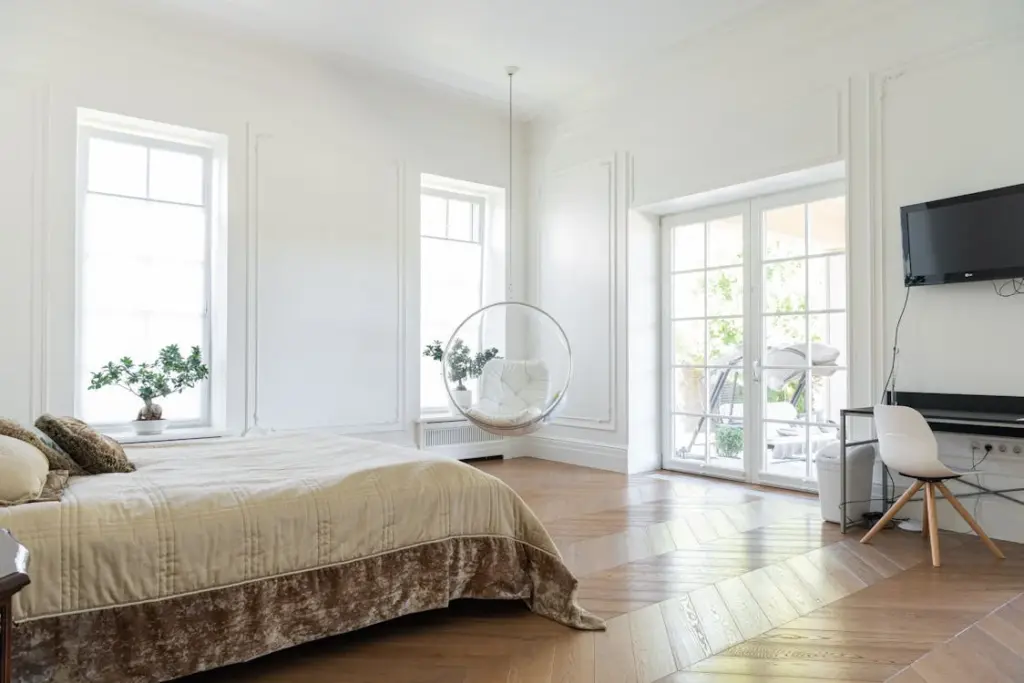
Downsizing often goes hand-in-hand with a more minimalist lifestyle. Try to see this move as a positive change towards decluttering and simplifying your surroundings. You’ll be amazed at how liberating it can feel to let go of things that are weighing you down.
To maintain your minimalist space, consider adopting the “one in, one out” principle. Every time you bring a new item into your home, find something else to get rid of.
This helps maintain a balance and prevents your newly downsized space from becoming cluttered again.
Think About Maintenance Requirements

Downsizing isn’t just about the size of your home; it’s also about reducing maintenance work. Choose a home that doesn’t require constant upkeep, such as yard work or exterior repairs, unless you genuinely enjoy these activities. A property with low-maintenance features will allow you more time to enjoy your hobbies or relax.
Consider properties with an HOA that covers exterior maintenance. This arrangement can help minimize the burden of home repairs and free you up for more enjoyable activities.
Develop a Budget for Your Move

Making a budget for the move is very important. Costs can grow fast with movers, packing items, and any help you might need. Plan your budget well and try to keep to it, leaving some extra money for surprises.
Check and change your insurance plans to fit your new place. A smaller home might need different protection, and updating your plans might save you money.
Look for Social Opportunities in Your New Community

Moving to a new place can feel isolating at first. Look for communities or neighborhoods that encourage social interaction through clubs or activities. Downsizing is also an opportunity to reinvigorate your social life by meeting new people and participating in community events.
Volunteering is a great way to meet people and feel more connected to your community. Even if it’s helping at a local charity, animal shelter, or senior center, volunteering can create a sense of belonging and purpose in your new environment.
Accept That Downsizing is a Process

Know that downsizing won’t be done in just one day. It takes careful choices, and you might feel unsure sometimes. Allow yourself time to feel these things and to enjoy small wins as you move along each step.
Don’t try to do everything all at once. Divide the downsizing into clear parts. Work on one space in your home at a time and be happy with each small win. This will help make the whole process easier and less stressful.
Prepare for Lifestyle Adjustments

Moving to a smaller home means adapting to a different way of living. Get used to the idea of potentially sacrificing space for some activities but also enjoying the freedom from excess belongings. Downsizing is about creating a lifestyle that is more focused on quality rather than quantity.
Start practicing minimalism even before your move. This can involve rethinking the items you need versus those you simply want. Downsizing is the perfect opportunity to adopt a simpler, more fulfilling lifestyle.
Talk to People Who Have Downsized

If you’re unsure about the process, ask your friends or family who have downsized. They can give useful advice and a clear idea of what to expect, making your move easier and less scary.
Besides talking to people you know, try joining online groups or forums about downsizing. These places offer many real stories, helpful tips, and encouragement, which can be very useful if you feel unsure about what’s coming.
Consider Utility Costs

Smaller homes often come with reduced utility costs, but it’s still essential to consider what your new monthly expenses will look like. Research energy-efficient properties or ways to make your new space more efficient. Being mindful of these costs will help keep your financial planning on track.
Consider properties that include energy-efficient windows, appliances, or solar panels. Not only will these features help keep your monthly costs low, but they will also make your new home more environmentally friendly, a significant added benefit.
Plan for the Sale of Your Current Home

Preparing your current home for sale is an important step when downsizing. Be sure to fix any needed repairs, clear out clutter, and consider hiring a professional stager to make your home look attractive to buyers. The easier your selling process goes, the simpler your move will be.
Professional stagers know how to show your home in the best way, which can help it sell faster and for more money. Staging can help more buyers imagine themselves living in your home and make it more inviting.
Enjoy the Benefits of Downsizing

Once you’ve settled into your new home, take a moment to appreciate the benefits. Less cleaning, reduced costs, and a simpler lifestyle are just a few of the many advantages. Enjoy the freedom that comes with a less cluttered life, and look forward to all the opportunities your new living arrangement will bring.
Downsizing can lead to a more relaxed lifestyle with fewer responsibilities. Use your new free time to pick up hobbies, travel, or simply relax without the burden of constant home maintenance. Embrace the change as an opportunity to enrich your life.
Future Proof Your Home

It is important to ensure your new home will still suit your needs as you get older. Think about how your movement or health might change and what changes could keep your home easy and safe to live in for a long time.
Smart home devices, like voice-controlled lights, smart heating, and security alarms, can make daily life easier and keep you safe. These tools are very helpful if you want to stay in your home as you age, adding comfort and simplicity.
Plan for Pets

If you have pets, think about how downsizing will impact them. A smaller space may require more planning in terms of pet areas, and some housing options may have restrictions or extra fees.
Look for homes with nearby parks or dedicated outdoor areas for pets. If you are moving into a condominium or apartment, ensure it has pet-friendly policies that accommodate your furry friend.
Create a Floor Plan for the New Home

Before you move, draw a floor plan to decide where each item will be placed in your new home. This helps stop you from bringing things you don’t need and lets you see how your new place will look.
You can use many online tools and apps to make floor plans and try out different arrangements. This makes planning easier and helps you choose the right furniture for your new space.
Moving Forward with Confidence

Making your home smaller isn’t just about having less space; it’s about opening the way to a simpler, happier life. By planning each step carefully, starting with money matters and then dealing with the feelings of letting go, you prepare yourself for a good change.
With fewer duties, you get more free time, less stress, and a chance to focus on what truly makes you happy. As you go ahead, welcome the chance to build an easier life full of new moments and chances.
When done with care, making your home smaller can bring the calm, comfort, and freedom you need.
If you like what you just read, then subscribe to my newsletter.
- 22 Cheap and Crucial Items You Should Stockpile Today (With Video)
- 10 States the Average Buyer Can Still Afford a House
AI was used for light editing, formatting, and readability. But a human (me!) wrote and edited this.