24 Key Supplies to Keep in Your Emergency Kit for Safety

Emergencies can happen at any moment, often when we don’t expect them. Natural disasters, power cuts, or sudden health problems can come without warning. In these tough times, having the right gear and supplies can help keep things calm instead of chaotic.
An emergency kit is not just a backup plan; it is a way to make sure you and your family have what you need to stay safe and sure during unexpected events. Getting ready helps you handle the situation better and lowers the worry that comes with not knowing what might happen.
A 2021 Wells Fargo survey found most Americans are not ready physically or financially for emergencies. A large 71% said they do not have a clear plan to deal with problems like natural disasters or sudden power outages.
This shows how important it is to increase awareness and get prepared. Putting together an emergency kit is a useful step to close this gap, giving a sense of safety when times are unclear.
This article offers a full guide to making a good emergency kit. Each part explains why you need certain items and gives simple, clear tips to make sure your kit is ready when needed.
Starting now can help you face any emergency with confidence and strength.
Flashlight

A good flashlight is needed to stay safe and find your way during power cuts or emergencies at night. Choose LED flashlights since they save energy and last longer. Waterproof types are a great idea to make sure they work in all kinds of weather.
Carry extra batteries to keep your flashlight working when you need it most. Having a reliable light nearby can make dark, tricky times much easier to handle.
Battery-Powered or Hand-Crank Radio

Staying updated is very important during emergencies, especially when power or internet is not working. A battery-powered or hand-crank radio can give you live news about weather and safety instructions.
Choose radios that have NOAA weather alerts for trustworthy updates. Always have extra batteries or make sure the hand-crank works well. This easy device can keep you linked to important news, helping you make smart choices.
Extra Batteries

Batteries are indispensable for powering essential items like flashlights, radios, and other electronic devices. Store a variety of sizes, such as AA and AAA, to match the needs of your kit’s equipment.
Keep batteries in their original packaging to prevent accidental discharge or short-circuiting. Regularly check the expiration dates and replace old ones to ensure they work when required. A good stock of fresh batteries guarantees that your devices stay functional during emergencies.
Water Supply
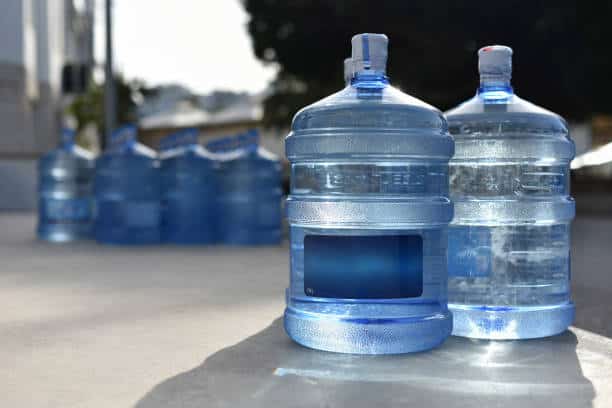
Water is the most important thing in any emergency kit. It is best to keep at least one gallon per person each day for at least three days. This supply is needed for drinking, cooking, and basic cleaning.
Use sealed, food-safe containers to keep water fresh, and change the stored water every six months to keep it good. In emergencies when clean water is hard to find, having saved water helps stop dehydration and keeps everyone well.
Non-Perishable Food

Emergency food should be easy to prepare, require minimal cooking, and have a long shelf life. Canned goods, energy bars, and dried fruits are great options to include.
Aim to store enough food for at least three days per person, and don’t forget to pack a manual can opener for canned items. Keep food supplies in a cool, dry place to extend their shelf life.
An adequate stock of non-perishable food ensures your family stays nourished during difficult times.
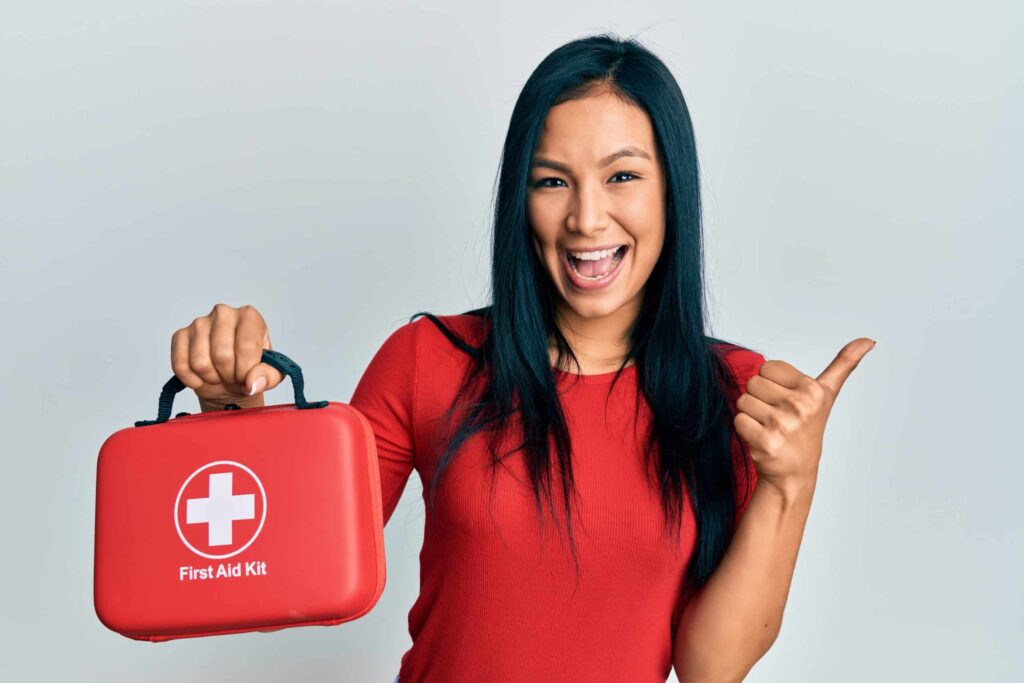
First Aid Kit

A first aid kit is important for treating small cuts and stopping infections. It should have things like bandages, antiseptic wipes, tweezers, tape, and pain medicine you can buy without a prescription.
To be more ready, add any personal medicines and special medical items your family needs. A first aid guide in the kit can help you with basic care steps.
This kit is a key part of any emergency plan and should be checked often to make sure everything is still good to use.
Multi-Tool or Swiss Army Knife
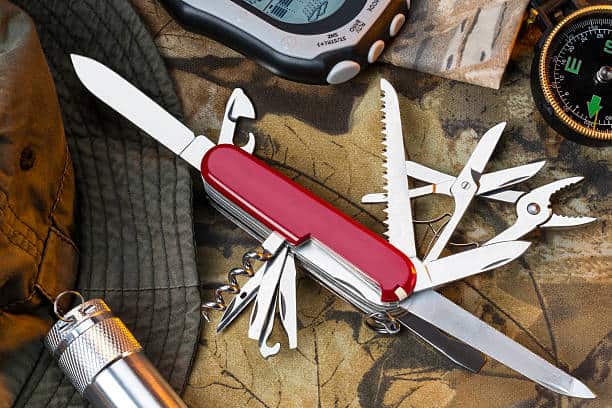
A multi-tool is one of the most versatile items in an emergency kit. These compact tools can include knives, screwdrivers, can openers, and scissors, making them useful for a wide range of tasks. Choose a durable, stainless-steel model that can withstand heavy use.
It is small enough to carry but robust enough to handle various needs. Having a multi-tool available ensures you can address small repairs, prepare food, or handle unexpected challenges with ease.
Emergency Blanket or Sleeping Bag
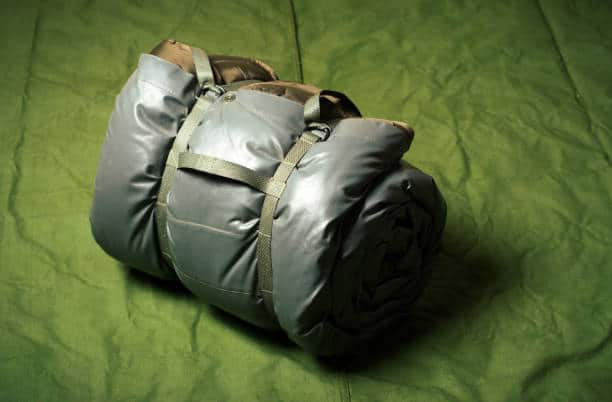
Keeping warm is very important, especially in cold or wet weather. Emergency blankets and sleeping bags are light, small, and made to hold in body heat well.
These items help stop hypothermia and keep you comfortable when you stay outside for a long time. Pick materials that do not soak up water and last a long time.
Having thermal blankets or sleeping bags in your gear gives you the warmth and safety you need in tough weather.
Whistle
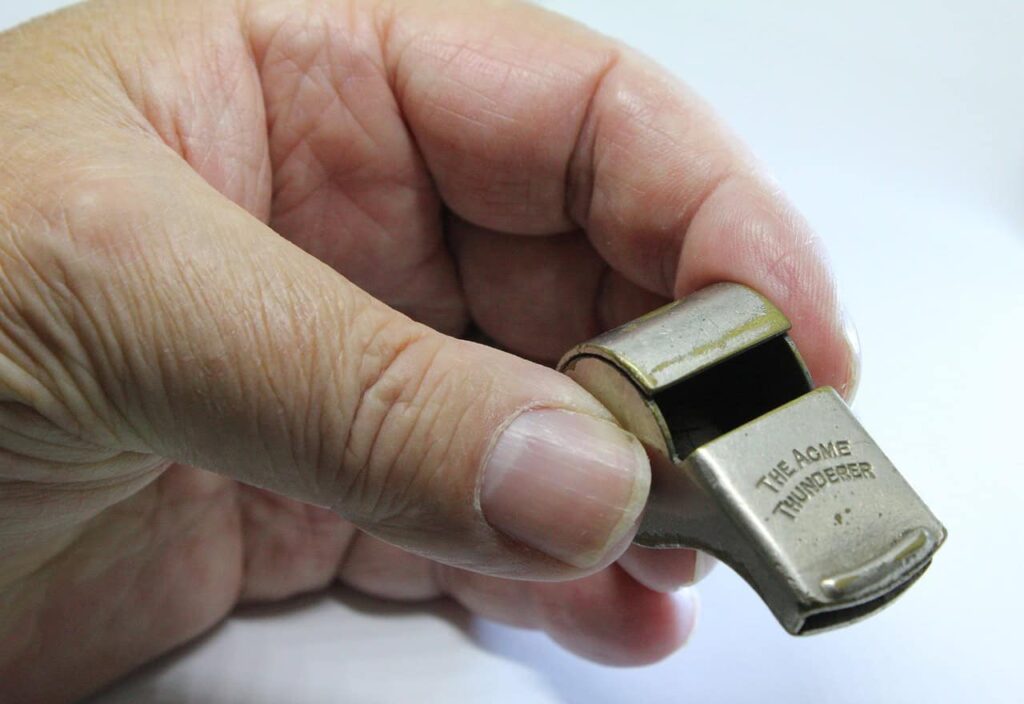
A whistle is a small but powerful tool for signaling for help when in danger or lost. Its sound can travel over long distances, making it more effective than shouting. Attach one to each family member’s emergency kit to ensure everyone has a way to call for help.
Look for whistles with a lanyard or keychain attachment for easy access. This simple item could be life-saving in situations where visibility is low or when immediate assistance is needed.
 If you like what you are reading, then click like and subscribe to my newsletter. We share tips to waste less time and money.
Personal Hygiene Items

Maintaining cleanliness during emergencies is crucial for staying healthy and comfortable. Pack items like toothbrushes, toothpaste, soap, hand sanitizer, and feminine products. Include items specific to individual needs, such as baby wipes or travel-sized deodorants.
Compact and disposable options are ideal for conserving space. Prioritizing hygiene helps prevent illness and keeps everyone feeling refreshed during extended emergencies.
Prescription Medications

For anyone who needs prescription medicine, it is very important to have some in the emergency kit. Try to keep at least a seven-day supply in a labeled container. Keep the medicine in its original box so the instructions and expiration dates can be seen clearly.
Check and change your supply often to keep it fresh and working well. Having these medicines ready makes sure health needs are taken care of, even if you can’t get to a pharmacy.
Glasses or Contact Lenses

If you or a family member uses glasses or contact lenses, pack an extra pair in the emergency kit. Include a case, cleaning solution, and any other accessories needed for proper care. Protect glasses in a sturdy, shock-proof container to prevent damage.
Being able to see clearly is essential for staying safe and performing tasks during emergencies. Ensuring these items are part of your kit helps avoid unnecessary complications.
Local Maps

Having paper maps of your area is very useful if GPS or online maps stop working. Write down important places, like emergency shelters, hospitals, and escape routes, on the maps ahead of time. Keep the maps in a waterproof case so they stay good even when wet.
A good map can lead you to safety or help you find needed supplies. Having maps in your kit makes sure you can find your way, even without electronic devices.
Copies of Important Documents

Keeping copies of essential documents in your emergency kit can save time and prevent complications during critical situations. Include identification, medical records, insurance policies, and any other documents you may need to prove your identity or access important services.
Store them in a waterproof and fireproof pouch to protect against damage. It is wise to have both physical copies and digital backups on a secure device. Being prepared with these documents can streamline processes during emergencies.
Cash

Cash is important for times when electronic payments do not work because of power cuts or machine problems. Small bills and coins are very helpful since they make it easier to buy basic things.
Don’t carry lots of money to lower the chance of losing it. Keep your cash safe in a specific place inside your emergency kit. Having cash ready allows you to pay for surprise needs without using credit or debit cards.
Baby and Pet Supplies
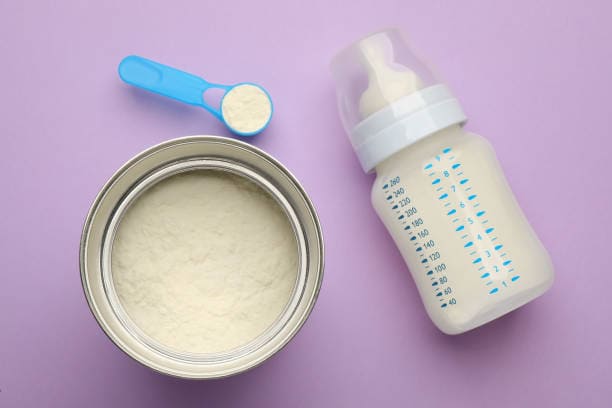
If your family has babies or pets, you should add what they need to your emergency kit. For babies, pack diapers, formula, bottles, and comfort items like a favorite blanket. For pets, bring food, water, a leash, and bags to clean up waste.
Make sure you have enough supplies for at least three days. By adding these important things, you help keep everyone in your family safe and cared for, including the little ones and your pets.
Dust Masks
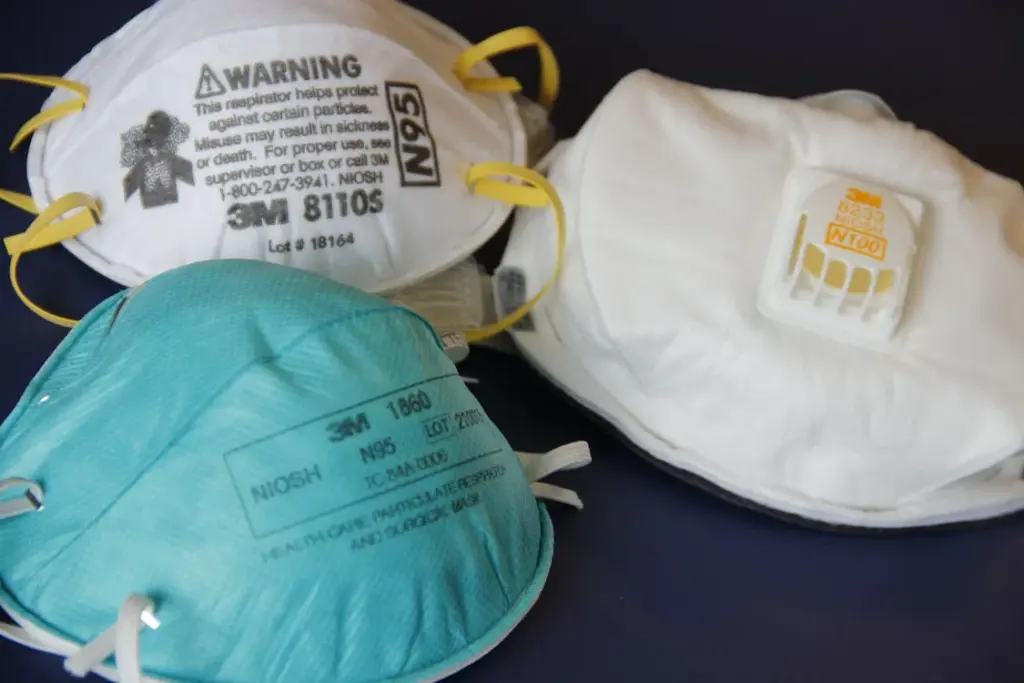
Air quality can deteriorate quickly during natural disasters, fires, or industrial accidents. Dust masks are designed to filter out harmful particles and keep breathing safe. N95 masks are especially effective and provide better protection.
Pack enough masks for each family member and store them in a clean, dry space. Including masks in your kit safeguards against respiratory issues caused by airborne debris or pollutants.
Rope or Paracord
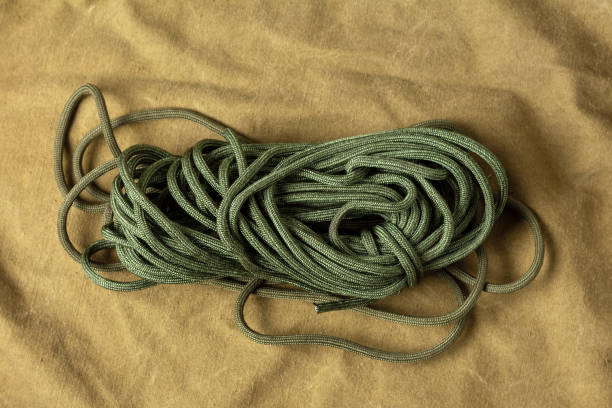
A strong rope or paracord is a useful part of any emergency kit. You can use it to tie things down, make shelters, or help with rescues. Pick a size and strength that works for many tasks, like a 550 paracord.
Keep it rolled up neatly or in a small pouch to save room. This item makes your kit more flexible and ready for many surprise situations.
If you like what you are reading, then click like and subscribe to my newsletter. We share tips to waste less time and money.
Tools for Repair and Maintenance
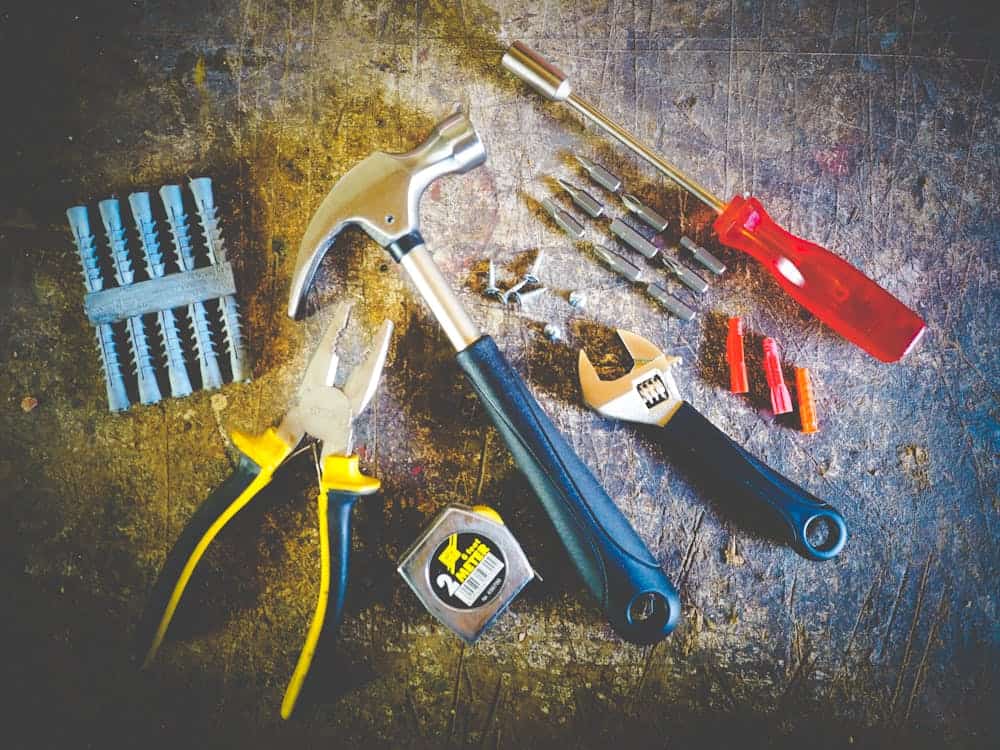
Basic tools, such as wrenches, pliers, and zip ties, are indispensable for quick fixes during emergencies. They allow you to turn off utilities, secure loose items, or perform minor repairs to ensure safety.
Opt for compact, multi-purpose tools to save space in your kit. Pack them in a durable pouch to keep them organized. Having the right tools on hand enables you to address common problems efficiently.
Comfort Items

Emergencies can be hard, especially for kids or people who get very worried. Having things like books, playing cards, or small toys can give a welcome break and comfort. Pick items that are light, strong, and easy to carry.
These things can help keep life feeling normal when situations last a long time. Taking care of both feelings and body needs makes emergencies easier for all.
Emergency Contact List
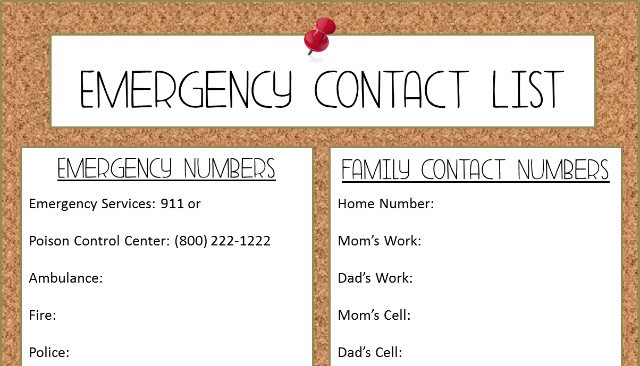
An up-to-date contact list can be invaluable when communication systems are down. Include phone numbers for family, friends, and emergency services, along with any relevant addresses.
Write the information on laminated cards to protect against wear and tear. Store copies in both your emergency kit and on your person for easy access. This ensures you can reach out for help or stay connected with loved ones during emergencies.
Plastic Sheeting and Duct Tape

Plastic sheets and duct tape are useful materials to make barriers against harmful things. Use them to close windows and doors or build temporary shelters. Pick strong, tough types that can handle bad weather.
Pack instructions or try using them before an emergency to make sure you apply them right. Keeping these materials on hand helps you protect your space and stay safe during dangerous times.
Waterproof Matches or Lighter
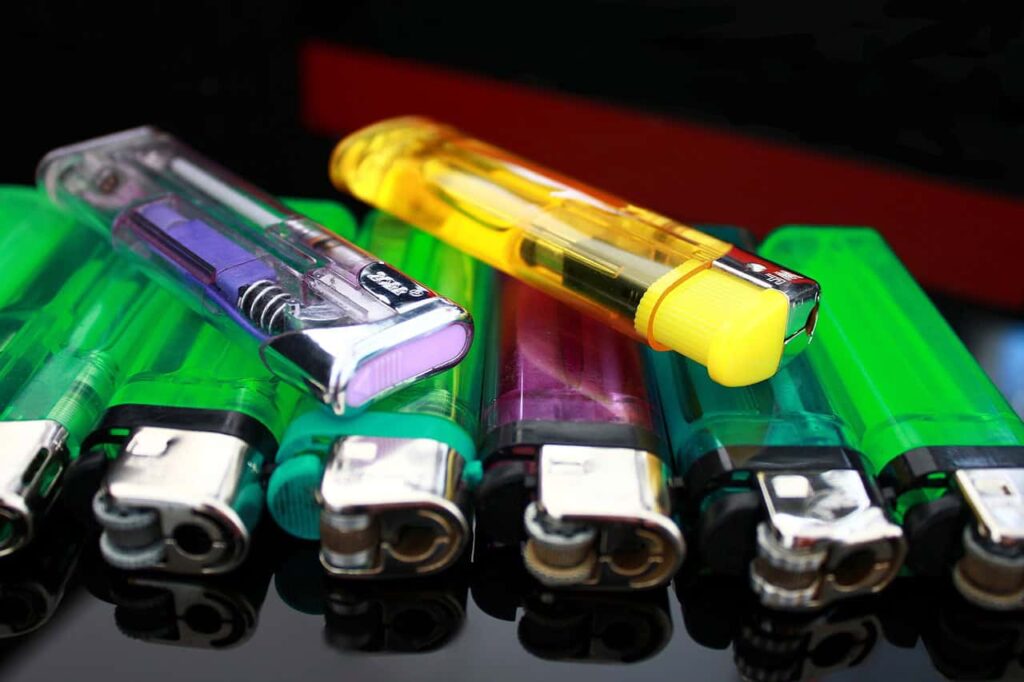
Fire-starting tools are essential for cooking, warmth, or signaling during emergencies. Waterproof matches and lighters are small, portable, and reliable options to include. Store them in a waterproof container to ensure they remain functional.
You may also pack fire starters for added convenience in wet or windy conditions. Ensuring you have the ability to create fire is vital for staying safe and comfortable in emergencies.
Seasonal Clothing

Wearing the right clothes can help a lot in emergencies, especially in bad weather. Bring strong shoes, gloves, and clothes that fit the weather for each family member. Take light rain gear or warm layers depending on the climate.
Keep these items in a waterproof bag to stay dry and ready. Having the right clothes makes sure you stay comfortable and safe in tough situations.
Be Ready, Stay Safe

Getting ready is very important to stay safe during sudden events. A good emergency kit has the things you need to handle problems with confidence.
Spending time to gather needed items can keep your family safe and give you calm during hard times. Checking and refreshing your kit often makes sure it is useful when you need it.
Emergencies can come without warning, but being ready helps you stay calm and strong. Begin putting your kit together today and take an important step toward safety and strength.
If you like what you just read, then subscribe to my newsletter.
- Duct Tape Magic: 22 Unexpected Ways to Fix, Craft, and Save
- Could Food Shortages Be Coming? 20 Items to Stock Up While You still Can
AI was used for light editing, formatting, and readability. But a human (me!) wrote and edited this.