25 Basic Home Maintenance Skills Gen Z and Millennials Are Forgetting


A house is more than a place to live. It’s one of your biggest money commitments. To make it feel like home, it needs care, attention, and steady upkeep. Each small fix and task keeps your home’s value safe. It also makes your space safer and more comfortable.
My time as a landlord and real estate investor for over 20 years taught me what helps property owners succeed. Top homeowners do not just buy houses. They spend time to care for them right.
This key part of owning a home gets less focus now than in the past. Many new owners lack basic skills to care for their places. That leads to problems they could avoid and extra costs.
A recent survey shows 60% of millennials say they can’t fix a leaky faucet. Also, 53% have trouble with basic tile sealing. Even worse, 45% of young renters say upkeep costs stop them from buying homes.
The good news is that these skills do not need special talent or years of training. In this guide, I share 25 key tasks to guard your investment and cut costs over time.
What upkeep tasks do you know well? What issues have you faced as a homeowner? Share your thoughts in the comments!
Safety First

Before you start any home maintenance job, put safety first. Many fixes work well as DIY tasks, but some need pros.
Complex electrical jobs, big plumbing repairs, and structural work call for licensed experts. If a task feels unsure, call a pro to save time and stop accidents.
Maintaining Decks and Patios
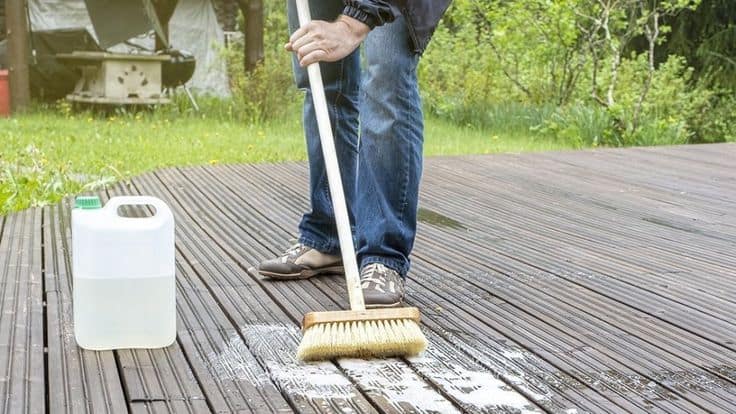
Regular deck care stops rot and makes outdoor spaces last longer. Move all furniture away and sweep the surface clean to clear debris. Wash the deck with the right cleaners, and scrub tough stains with a stiff brush.
Use a pressure washer on the surface with safe pressure levels to protect wood fibers. Put on sealant or stain in thin, even layers along the wood grain. Let each coat dry fully as the product directions say.
Unclogging Drains

Natural drain cleaning methods protect your pipes and the environment. Pour boiling water down the drain as a first step to loosen minor clogs. Create space in the pipe using a plumber’s snake or auger to break up stubborn blockages.
Mix baking soda and vinegar as a natural cleaning solution, allowing it to work for 30 minutes. Flush thoroughly with hot water after cleaning to remove residual debris. Install drain strainers to prevent future clogs.
Resealing Tile and Stone
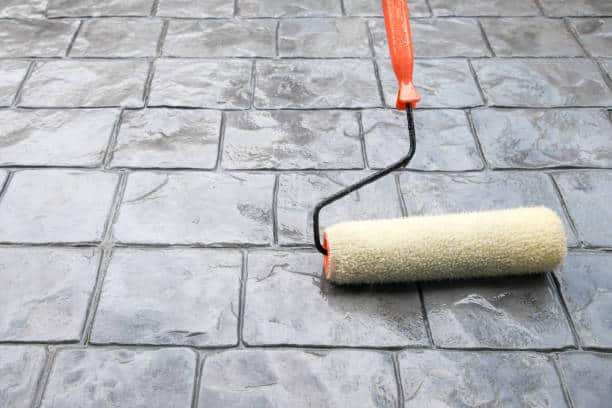
Good seals guard porous surfaces and keep their look. Clean off all dirt and grime with the right cleaners for your tile or stone type. Let surfaces dry fully. Test moisture with plastic sheeting if needed.
Put sealer on small areas with a foam roller or brush for even coverage. Wait the set time between coats. Add two to three layers for best protection. Stay off until the sealer cures fully.
 If you like what you are reading, then click like and subscribe to my newsletter. We share tips to waste less time and money.
Water Heater Maintenance

Regular water heater care improves efficiency and prevents premature failure. Adjust temperature settings to 120 degrees Fahrenheit for optimal performance and safety. Connect a garden hose to the drain valve, directing it to a suitable drainage area.
Open the pressure relief valve annually to ensure proper operation. Drain sediment performing a complete tank flush until water runs clear. Insulate exposed pipes and the tank if located in unconditioned space.
Testing Sump Pumps
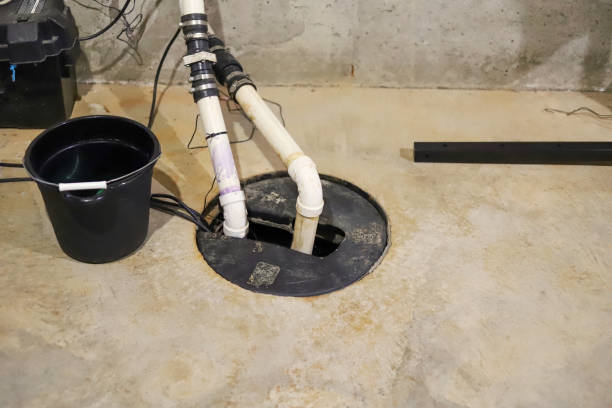
Sump pumps keep basements safe from floods and water damage. Take off the pump cover. Clean junk from the basin with a wet vacuum. Check the float to make sure it moves freely over its full range.
Test the pump. Pour water into the basin until it turns on. Listen for odd sounds while it runs. Those may signal mechanical issues. Add a battery backup to keep it working in power outages.
Installing Tile Backsplashes
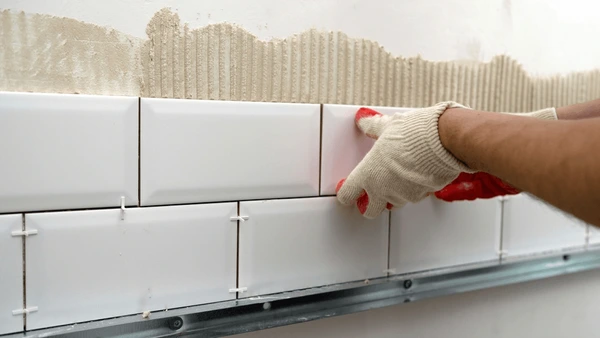
A proper backsplash installation protects walls and adds value to kitchens and bathrooms. Clean wall surfaces thoroughly, removing all grease and grime with appropriate cleaners. Apply tile adhesive in small sections using a notched trowel held at a 45-degree angle.
Place tiles with consistent spacing, inserting plastic spacers between each piece. Let adhesive dry completely before applying grout with a rubber float. Wipe excess grout with a damp sponge and seal after the recommended curing time.
Patching Roof Shingles
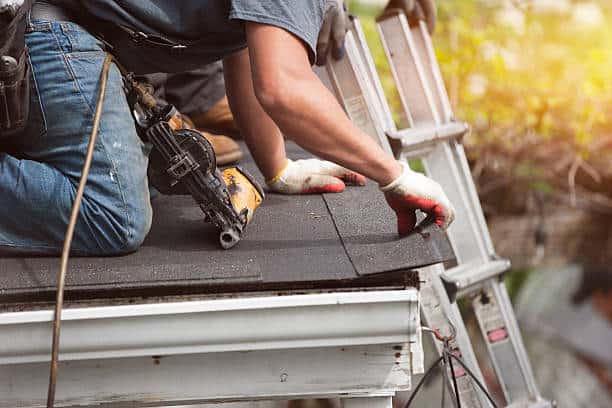
Regular roof care stops leaks and makes shingles last longer. Climb to your roof with a strong extension ladder set on firm ground. Spot bad shingles by checking for curled edges, lost granules, or rips.
Lift bad shingles gently. Break the seal strip glue without ripping. Nail new shingles with four roofing nails above the exposure line. Put roofing cement under shingle edges to guide water flow right.
Understanding Plumbing Controls
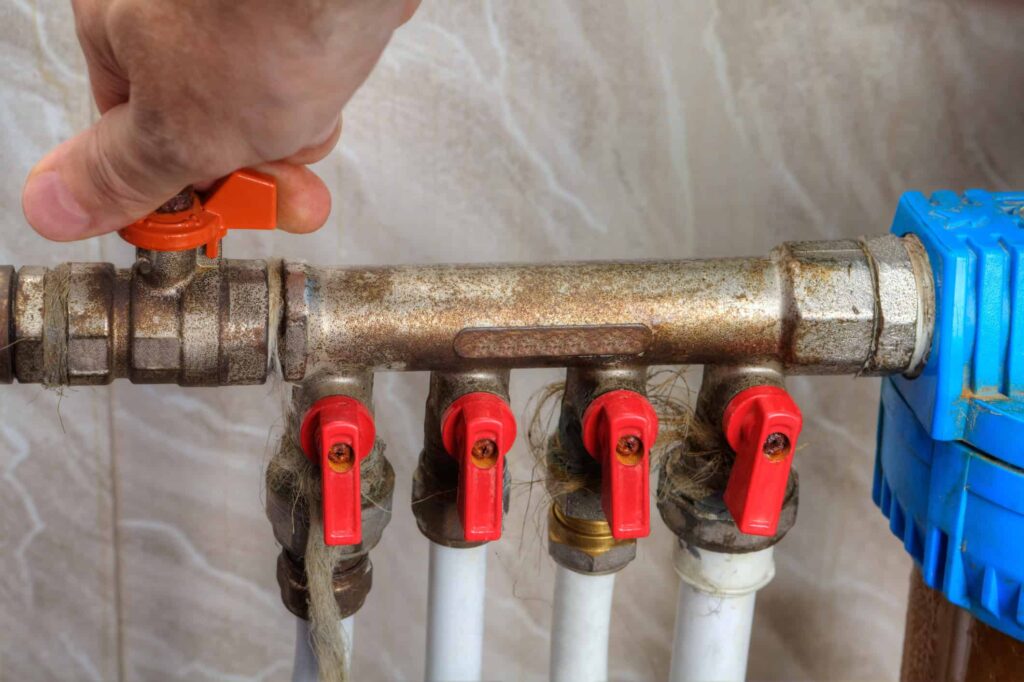
Knowledge of valve locations ensures quick response during plumbing emergencies. Locate your main water shutoff valve marking it with a visible tag or label. Practice turning valves off and on during normal conditions to ensure smooth operation.
Document locations of individual fixture shutoffs throughout your home. Test valve function every six months noting any signs of corrosion or stiffness. Keep basic tools near main shutoffs for emergency access.
Fixing Garbage Disposals
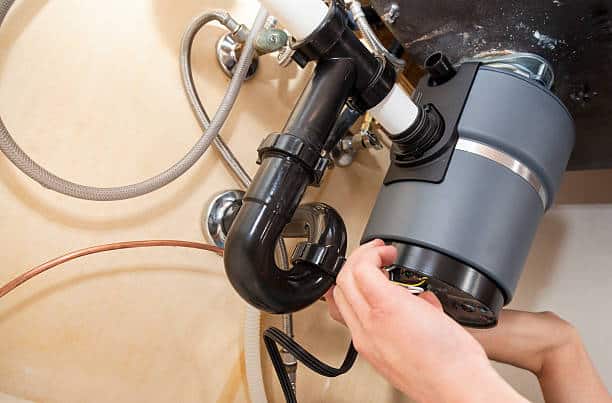
Proper disposal maintenance prevents clogs and extends equipment life. Turn off power at the circuit breaker before attempting any repairs inside the unit. Insert the self-service wrench into the bottom socket rotating it back and forth to free jams.
Clear debris using long-handled tongs removing any visible obstructions. Press the reset button after clearing jams restoring power to the unit. Run cold water during operation keeping blades sharp and clean.
Thermostat Calibration

Good temperature control saves energy and boosts comfort. Put a good thermometer near your thermostat. Wait 15 minutes for the temperature to settle. Check readings on both devices. Note any differences in the numbers shown.
Open thermostat settings. Use the maker’s guide to make changes. Test heat and cool cycles after changes. Make sure temperature works right. Swap batteries each year to keep it running well.
Chimney Maintenance
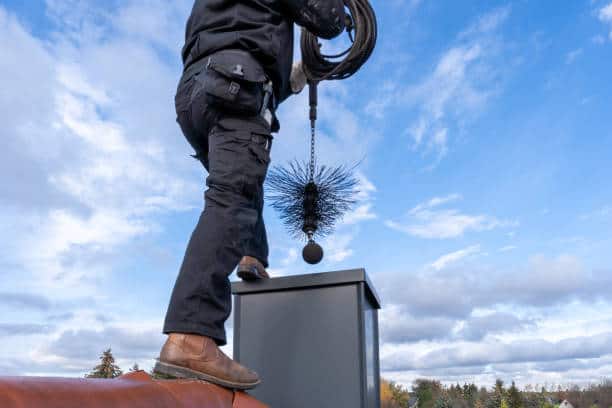
Clean chimneys prevent fires and ensure proper ventilation. Shine a bright flashlight up the flue identifying any obvious blockages or damage. Brush interior surfaces with appropriate chimney brushes removing soot and creosote buildup.
Check the damper mechanism ensuring smooth operation and complete closure. Inspect exterior masonry repairing any loose or damaged mortar joints. Install a chimney cap preventing animal entry and water infiltration.
Water Heater Flushing
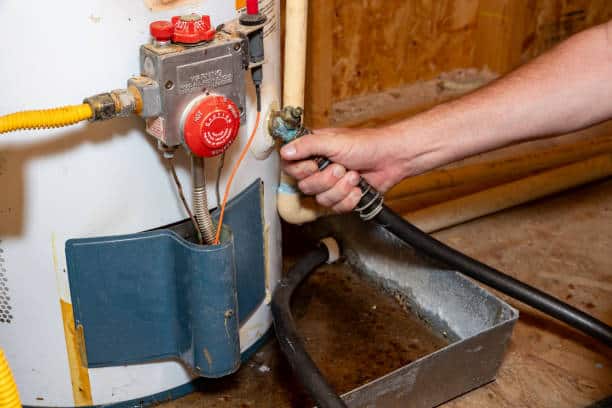
Annual flushing removes sediment, improving heater efficiency. Switch the heater to “pilot” or “vacation” mode allowing water to cool completely. Connect a garden hose to the drain valve directing it to an appropriate drainage area.
Open the pressure relief valve preventing vacuum formation during draining. Flush the tank until water runs clear indicating sediment removal. Refill the tank completely before restoring power to the unit.
Sprinkler System Care
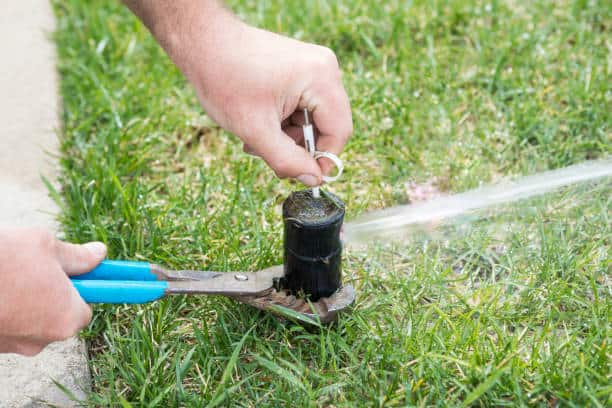
Good sprinkler care saves water and keeps lawns healthy. Set sprinkler heads to cover grass only, not sidewalks or buildings. Clean or change blocked nozzles to keep water flow even.
Set timers to match water needs by season. Check valves and pipes, and fix leaks or breaks right away. Get systems ready for winter to stop freeze damage in cold areas.
Emergency Preparedness

Complete preparation ensures safety during unexpected events. Create detailed emergency plans including evacuation routes and meeting locations. Stock essential supplies storing them in easily accessible locations throughout your home.
Install smoke detectors and carbon monoxide alarms testing them monthly for proper operation. Keep important documents in waterproof containers storing copies in secure digital formats.
Review and update emergency plans annually ensuring all family members understand procedures.
Unclogging and Maintaining Gutters

Clean gutters serve as your home’s first defense against water damage, protecting both the foundation and walls. Start cleaning gutters each spring and fall using a sturdy ladder and thick gloves to remove leaves, twigs, and debris.
Run water through the gutters with a garden hose to check for proper drainage and identify potential leaks or sagging sections. Install gutter guards to reduce debris accumulation and make future maintenance easier.
Remember to position your ladder safely and maintain three points of contact while working at height.
Regrouting and Caulking
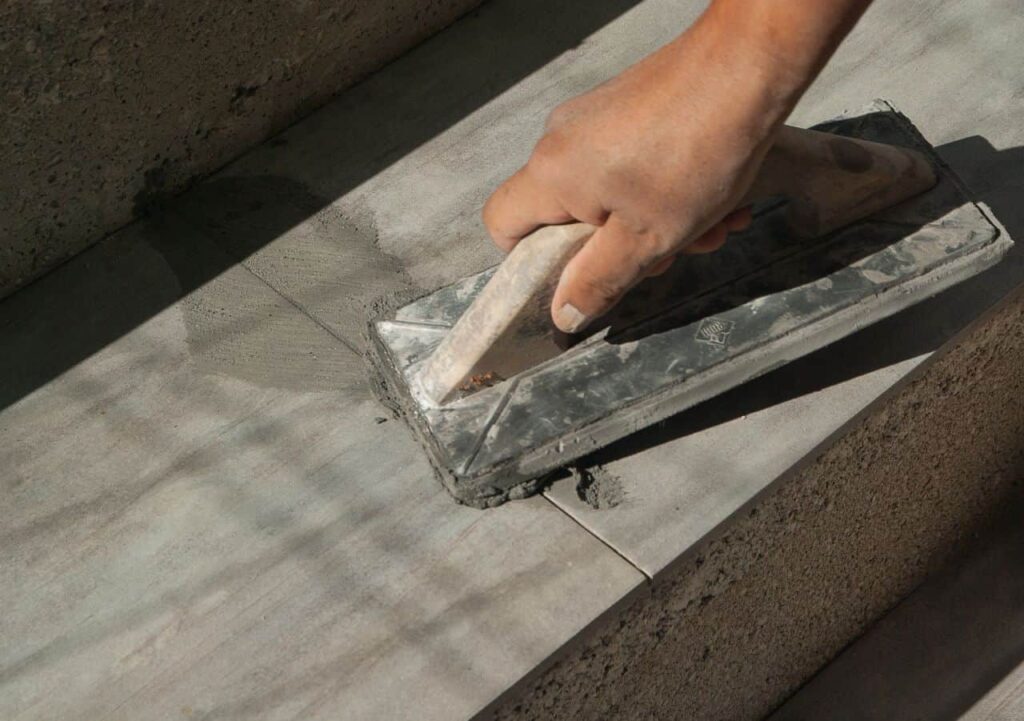
Good grout and caulk care stops water damage behind walls and under floors. Use a grout removal tool to clear bad spots, then clean the area well with a vacuum and damp cloth.
Mix new grout by package directions and spread it even with a rubber float. Work at a diagonal across tile joints. Let the grout set fully before you add sealer to block water and stains.
Wipe off extra grout with a damp sponge and buff the tiles at the end.
Fixing Minor Leaks Under Sinks

Catching and repairing small leaks prevents water damage and keeps utility bills reasonable. Begin leak detection running water through the pipes while examining all connections and joints with a flashlight.
Tighten compression fittings with an adjustable wrench, taking care not to over-tighten and crack the pipes. Apply pipe thread tape to connection points showing signs of seepage. Consider replacing old washers and O-rings in faucet assemblies during repairs.
Keep a close eye on fixed areas during the next few days to ensure the repair holds.
Repairing a Running Toilet
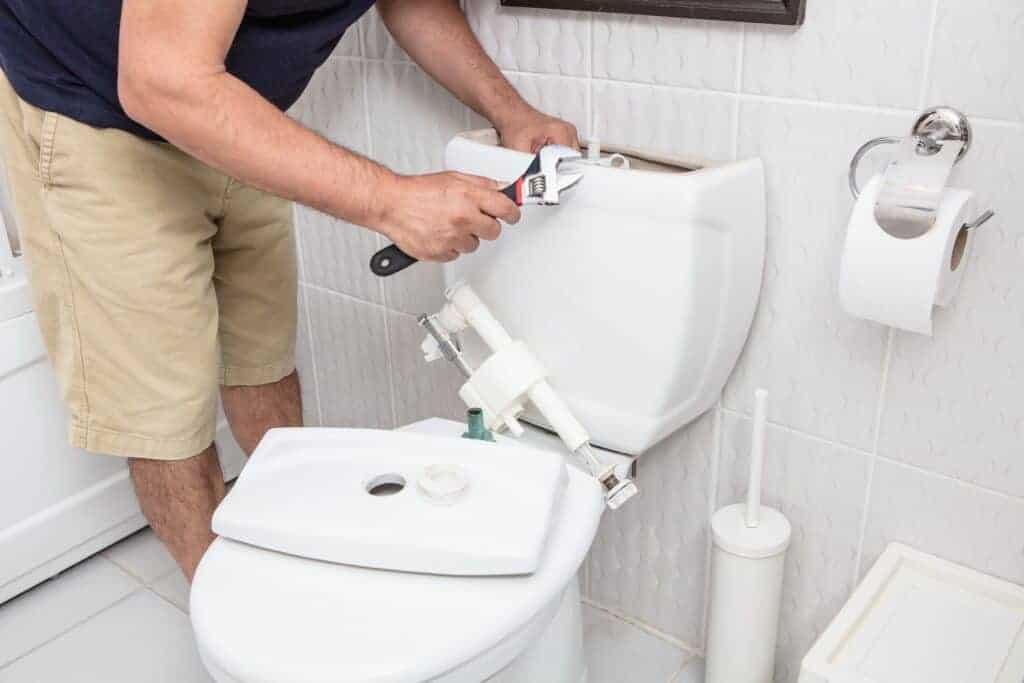
A running toilet wastes hundreds of gallons of water annually and creates unnecessary expense. Remove the tank lid and examine the chain length connecting the flush lever to the flapper, adjusting it if needed.
Check the flapper’s condition and replace it if signs of wear appear. Adjust the float arm or cup to maintain proper water levels in the tank. Test the flush mechanism several times after making adjustments to ensure proper function.
Basic Pest Control
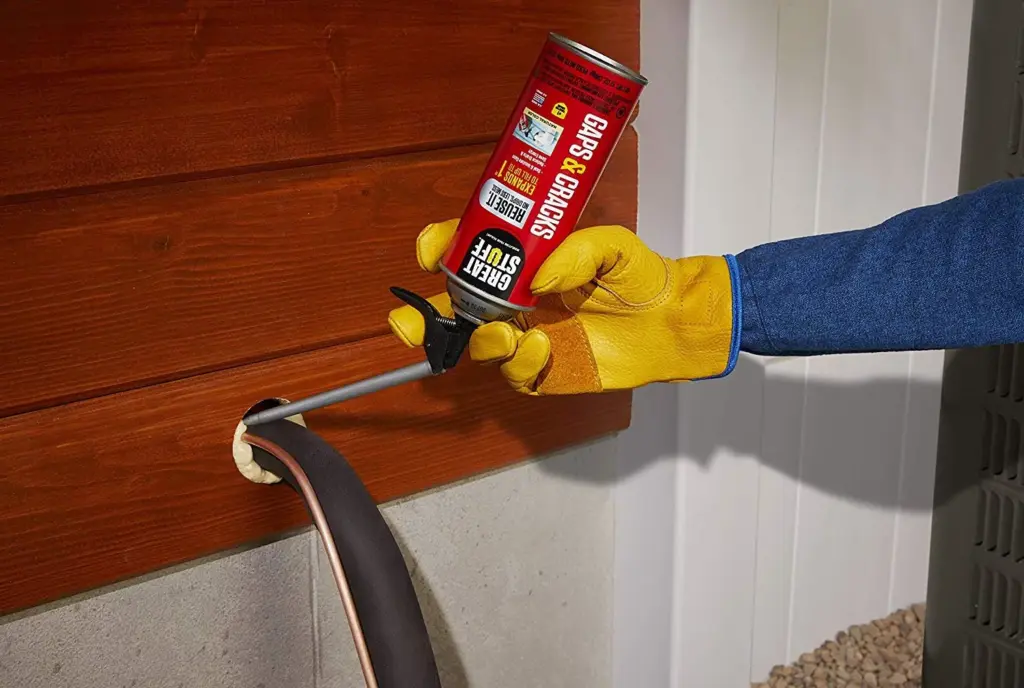
Good pest control begins by finding entry spots on your home’s outside. Close gaps near pipes, vents, and base cracks with steel wool, caulk, or foam.
Keep food in sealed containers and clean kitchen and eating spots well. Put peppermint oil near entry spots. Set traps in key places and check them often.
Regular Appliance Maintenance

Extending appliance life requires consistent attention to cleaning and maintenance schedules. Clean refrigerator coils every six months using a vacuum attachment to remove dust buildup. Inspect washing machine hoses for bulging or cracking, replacing them every five years.
Clean dryer vents annually to prevent fire hazards and maintain efficiency. Run the dishwasher’s cleaning cycle monthly with a machine cleaner to remove mineral deposits and food particles.
Basic Electrical Skills
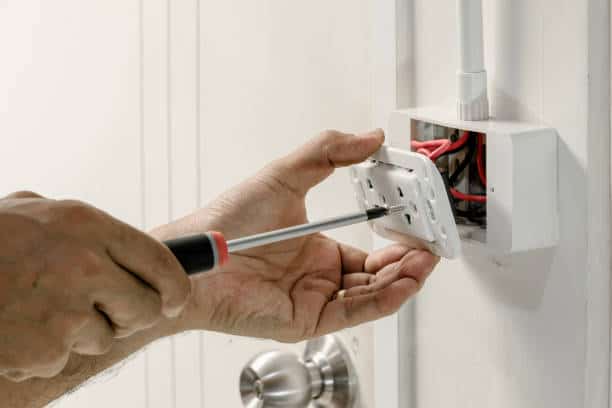
Understanding simple electrical repairs starts with learning proper safety procedures and knowing your limitations. Always turn off power at the circuit breaker before beginning any electrical work.
Test outlets and switches with a voltage detector to confirm power disconnection. Label wires before disconnecting them to ensure proper reconnection. Replace damaged outlets or switches with exact matching replacements rated for the same amperage.
Test the new installation thoroughly before restoring power at the breaker.
If you like what you are reading, then click like and subscribe to my newsletter. We share tips to waste less time and money.
Replacing HVAC Filters
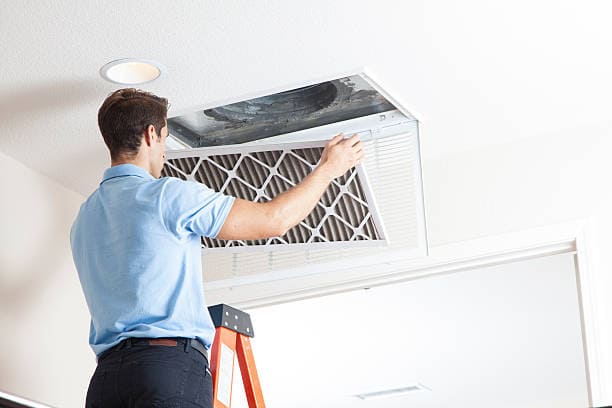
Change HVAC filters often to keep air clean and your system running well in your home. Begin by finding the filter box near the air handler or return duct. Check the size and airflow direction on the old filter before you take it out.
Buy good filters that match your system and help with allergies. Put the new filter in with the airflow arrows pointing the right way. Make sure it fits tight with no gaps on the edges.
Use calendar alerts to look at filters each month. Swap them every 90 days or sooner if they look dirty.
Repairing Screen Doors and Windows
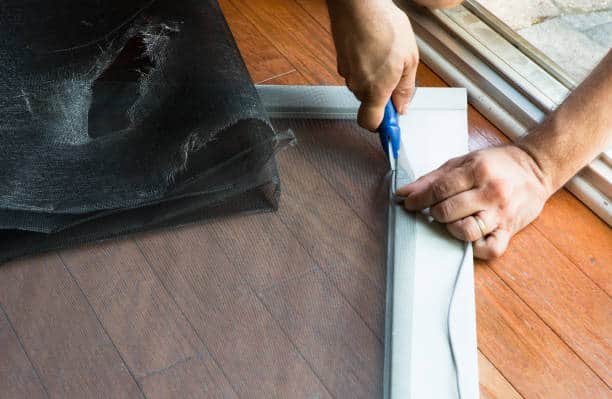
Damaged screens allow insects inside and diminish your home’s appearance. Clear your work area and remove the entire screen frame with care to avoid bending. Cut new screen material slightly larger than the frame, allowing extra material for secure installation.
Press the new screen into the frame groove using a spline roller tool, working slowly around corners to prevent tears. Trim excess screen material with a utility knife, keeping the blade at a shallow angle. Test the screen tension and reinstall the frame, ensuring smooth operation.
Patching Small Drywall Holes
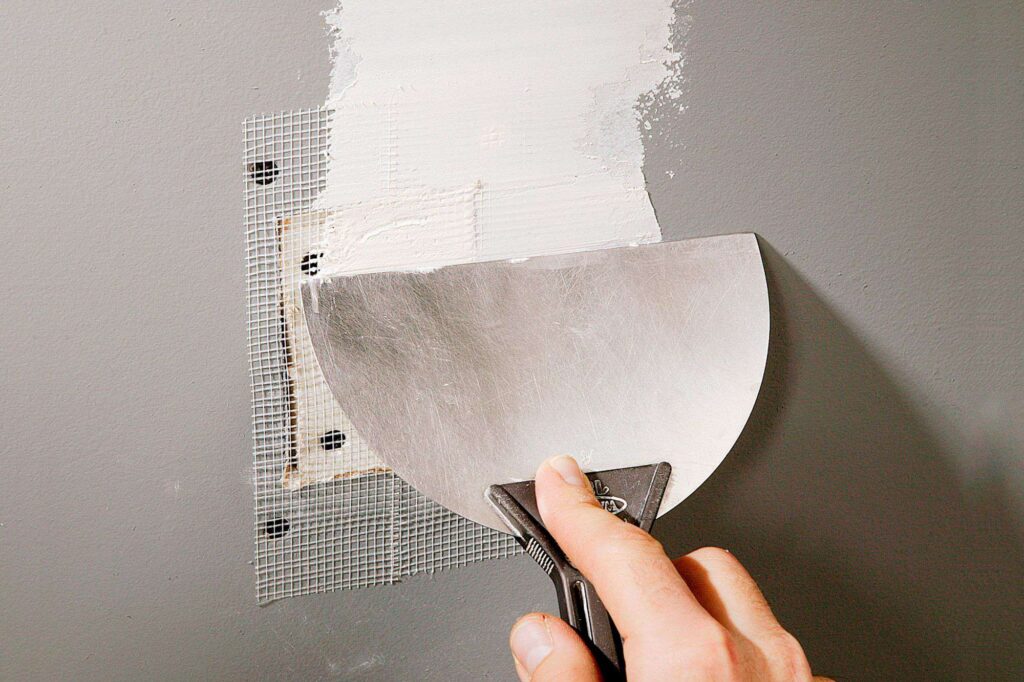
Proper wall repair maintains your home’s appearance and prevents further damage. Clean the damaged area removing loose material and creating a slight depression for the patch. Apply self-adhesive mesh tape over holes larger than a nail head to provide structure.
Spread joint compound over the mesh in thin layers using a wide putty knife, feathering edges outward. Sand between coats with fine-grit sandpaper until the patch blends seamlessly with surrounding wall texture. Paint the entire wall section to ensure color matching.
Replacing Weatherstripping
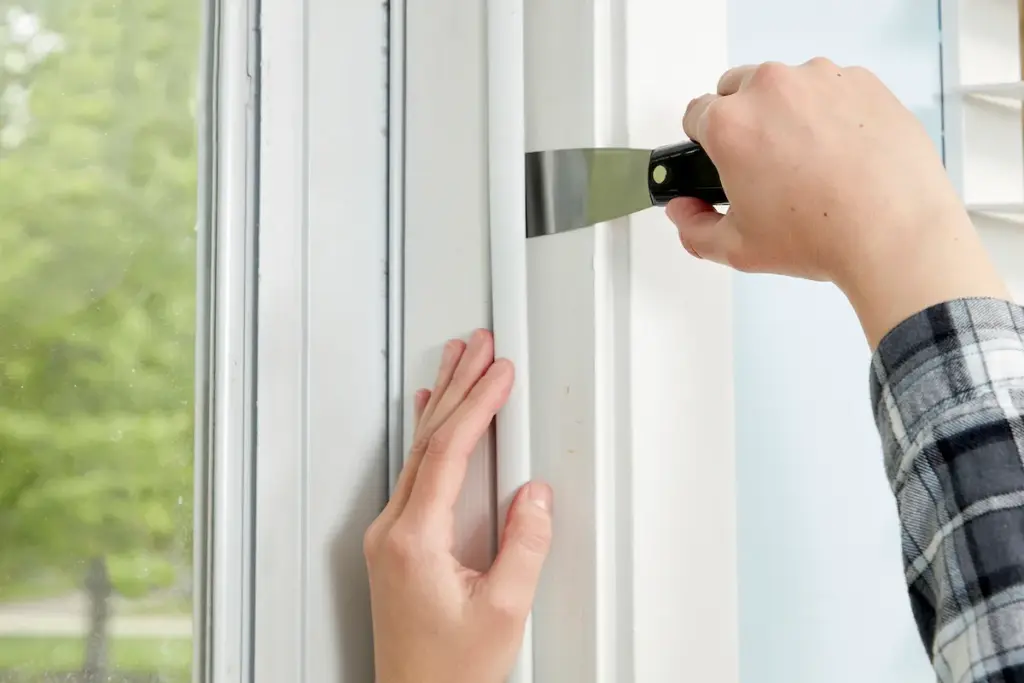
Good weatherstripping blocks drafts and cuts energy bills. Take off old weatherstripping fully. Clean the surface with mineral spirits to remove sticky bits.
Measure door and window gaps with care. Cut new weatherstripping a bit longer than needed. Put in weatherstripping at the top of the frame first. Press sticky strips down hard.
Check the seal by shutting doors and windows slow. Move it if needed. Cut extra parts at a 45-degree angle for neat corners.
Master Your Home

Learning these maintenance skills turns house ownership into real homeownership. Small, regular tasks stop big repair costs and build trust in fixing home problems.
Your home is one of life’s biggest buys. Good care keeps its value rising with time. Pick one skill, learn it well, then try the next.
Keep this guide close. Practice these skills often. Enjoy the joy of fixing your home with your own hands.
If you like what you just read, then subscribe to my newsletter.