25 Features Home Buyers Notice and Avoid Right Away


With more than 24 years as a real estate investor, I have seen many homes have trouble selling. The main reason is that first impressions count more than you may think. When buyers step inside your house, they are not just looking at it, they are picturing their life there.
A recent study by Strutt & Parker showed that 76% of buyers think first impressions are very important when visiting a home in person. Even online, 66% of buyers say the first look matters a lot.
This means your home must look great in photos and in real life. So, what are the things that can make buyers lose interest?
Let’s go over the list and fix these problems before you put your home up for sale. There is also a video at the end of this article.
Lack of Safety Features
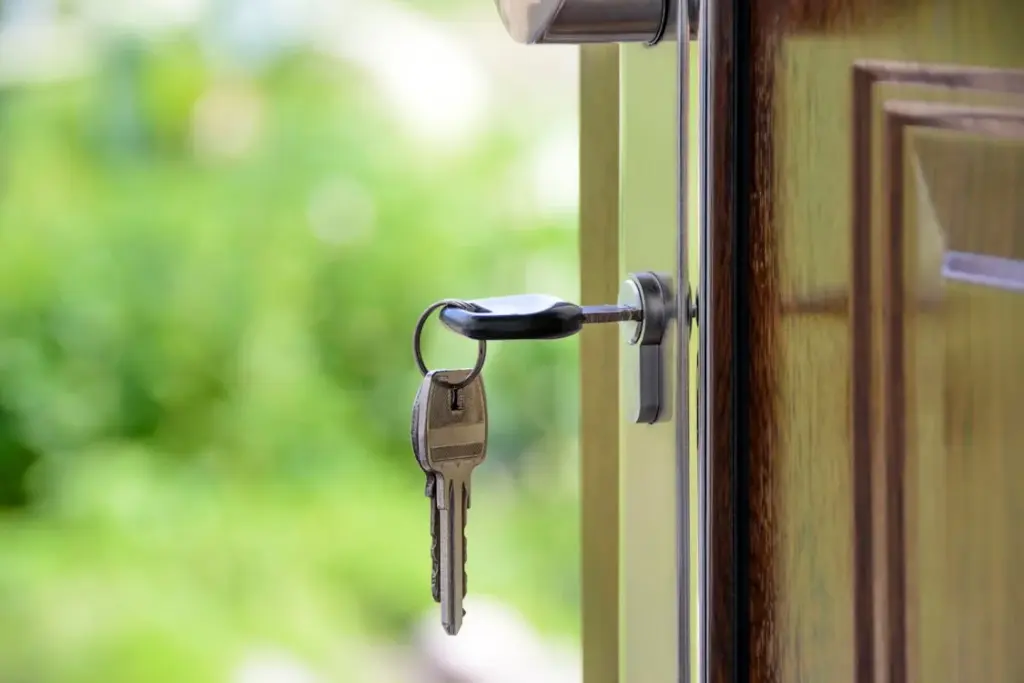
Today, home safety matters a lot to many buyers, with about one-third of Americans ready to pay extra for good security features. Missing basic safety items can cause concern and make buyers think twice.
Put in smoke detectors and carbon monoxide alarms if you don’t have them yet. Make sure all doors and windows have strong, working locks. You might also add outdoor lights to improve security.
These easy improvements not only make your home more attractive to buyers but also give your family comfort while you still live there.
Cluttered Front Porch or Entryway
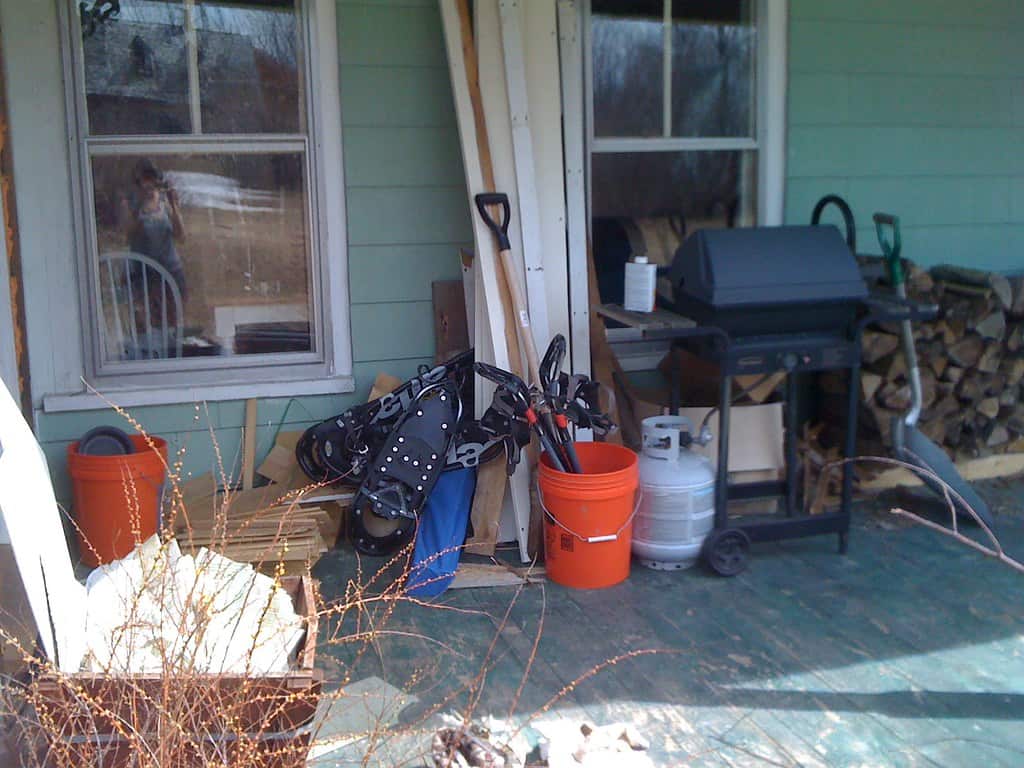
A messy entryway shows a home that is not well kept or organized. Buyers usually find it hard to picture living in a place that feels messy as soon as they walk in.
Remove personal items, holiday decorations, and extra furniture from your front porch or entry area. Make the space neat and inviting so buyers feel welcome and can easily imagine living there.
A plain welcome mat, a nice plant in a pot, and a clean, bright entryway can greatly help make a good first impression.
Worn-Out or Dated Front Door
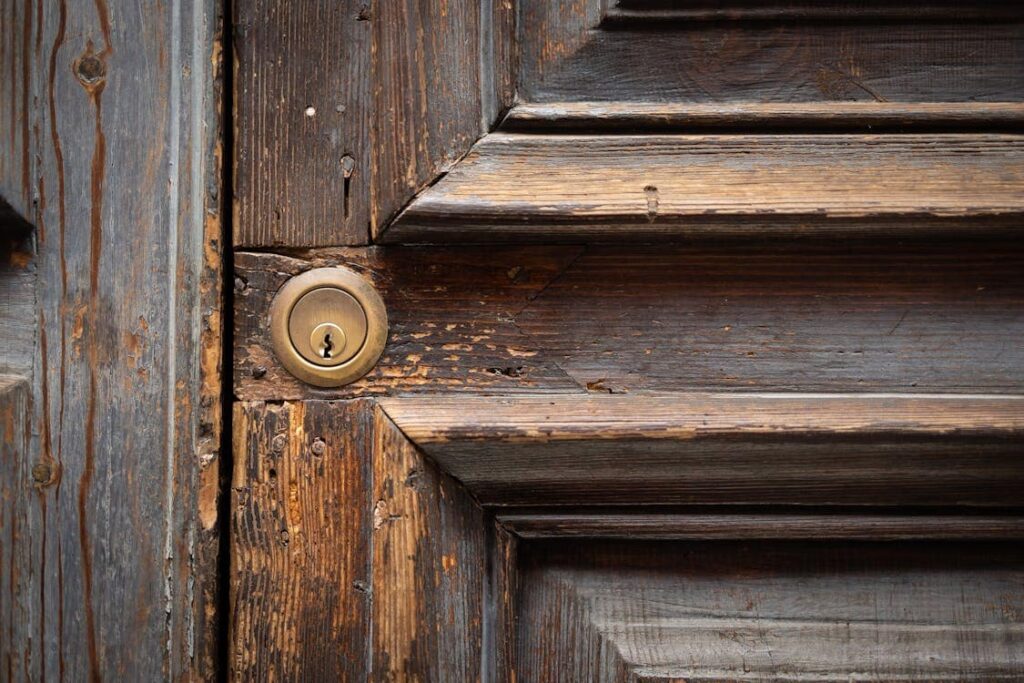
Your front door serves as the focal point of your home’s entrance. A worn-out or outdated door can significantly detract your property’s overall appeal.
In fact, updating your front door can have a surprising effect on your home’s perceived value. Some studies suggest that a new front door could add as much as $24,000 to a home’s perceived value. That’s a significant return on a relatively small investment.
If your budget allows, consider replacing an old door with a new, stylish one. If replacement isn’t an option, a fresh coat of paint and updated hardware can work wonders in refreshing your entryway’s look.
Messy Yard
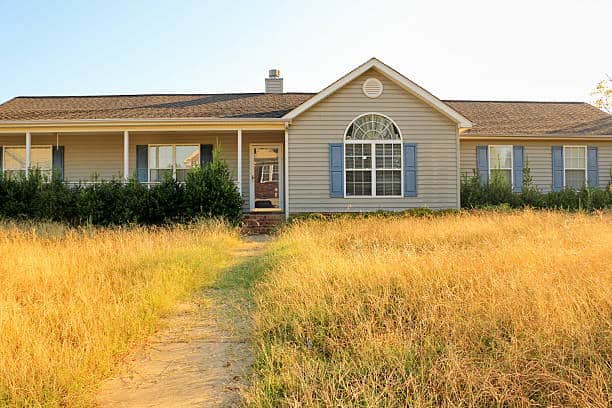
A messy yard sends a clear message to buyers: this home hasn’t been well-maintained. Overgrown lawns, weeds poking through the flower beds, and untidy gardens can make even the most beautiful house look neglected.
The National Association of Realtors reports that 92% of realtors advise sellers to improve curb appeal before listing. This goes to show just how important your yard is in making a great first impression.
To fix this issue, start a regular lawn care routine. Mow the grass, pull or kill weeds, and trim hedges. Add a layer of fresh mulch to garden beds and plant some colorful flowers. These simple steps can dramatically improve your home’s first impression.
Poor Exterior Paint or Siding
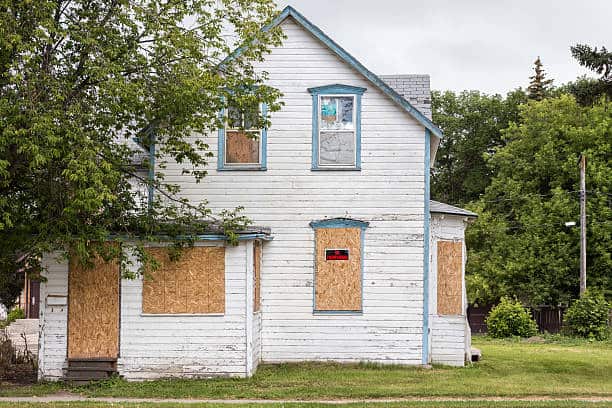
Faded, chipped paint or damaged siding can make your house look old and uncared for, even if the interior is pristine. Buyers often assume that a neglected exterior means a neglected interior. This assumption can lead them to overlook your property entirely.
To address this, consider repainting your home’s exterior. If a full paint job isn’t in the budget, a thorough power washing can work wonders. For damaged siding, repair or replace the affected areas.
These improvements not only enhance your home’s appearance but also signal to buyers that the property has been well-maintained.
Offensive or Strong Odors

Bad smells can quickly turn away buyers, making it hard for them to notice the best parts of your home. Common causes are pet smells, cooking odors, and damp or moldy air.
To fix this, first clean your carpets, furniture, and air vents well. These spots often hold bad smells. Use air purifiers to remove any left-over odors.
On the day someone visits, don’t cook foods with strong smells. Try baking cookies or making coffee instead to give a nice, inviting scent. The aim is to make your home smell fresh and clean, not too strong or fake
Outdated or Damaged Flooring
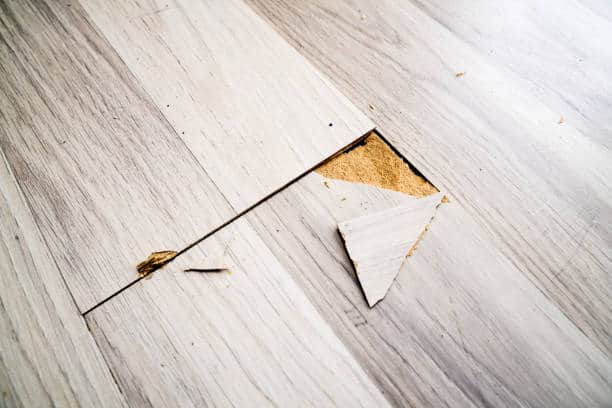
Flooring plays a crucial role in a home’s overall appearance and feel. Worn, stained, or outdated flooring can make your entire home seem tired and less valuable. If your budget allows, consider replacing old carpet or refinishing hardwood floors.
These upgrades can significantly improve your home’s appeal and potentially increase its value. If full replacement isn’t feasible, a professional deep cleaning can make a noticeable difference.
Visible Pest Problems

Signs of pests can make buyers leave fast. No one wants to buy a house with unwanted bugs or animals. Watch for clear signs like mouse droppings, insect nests, or damaged wires and wood.
If you see these, act right away. Begin by cleaning well to remove all signs of pests. Close any holes or gaps around the outside of your home. If the problem does not go away, think about calling a pest control expert.
Dark or Poorly Lit Rooms

Dark rooms feel small, uninviting, and can hide potential flaws in a home. Buyers often prefer bright, airy spaces that feel open and welcoming. To brighten up your home, start opening all curtains and blinds during showings.
Clean your windows inside and out to maximize natural light. Replace old or dim light bulbs with brighter, energy-efficient options. Consider adding lamps to darker corners.
If certain rooms lack natural light, strategically placed mirrors can help reflect and amplify the available light, making spaces feel larger and more inviting.
Outdated Bathroom Fixtures
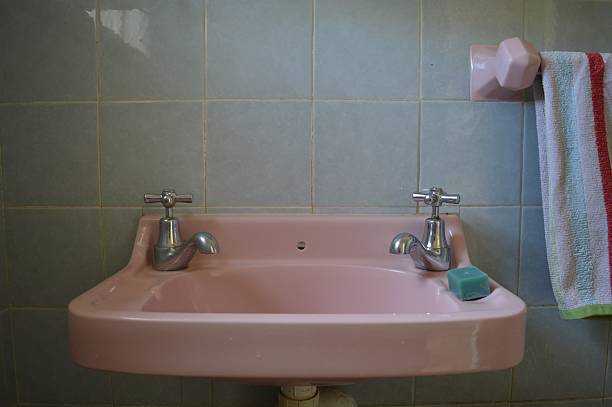
Bathrooms are important when selling a home, and old fixtures can make them look worn out and dull. Old taps, lights, and tiles can make your bathroom seem outdated.
Changing these things can make your bathroom look new and stylish without doing a full remodel. Swap old taps for modern, water-saving ones. Put in new lights to make the room brighter.
If you can spend more, think about changing the sink cabinet or mirror. For tiles, cleaning well and fixing the grout can greatly improve how they look.
Overly Bold or Dark Paint Colors
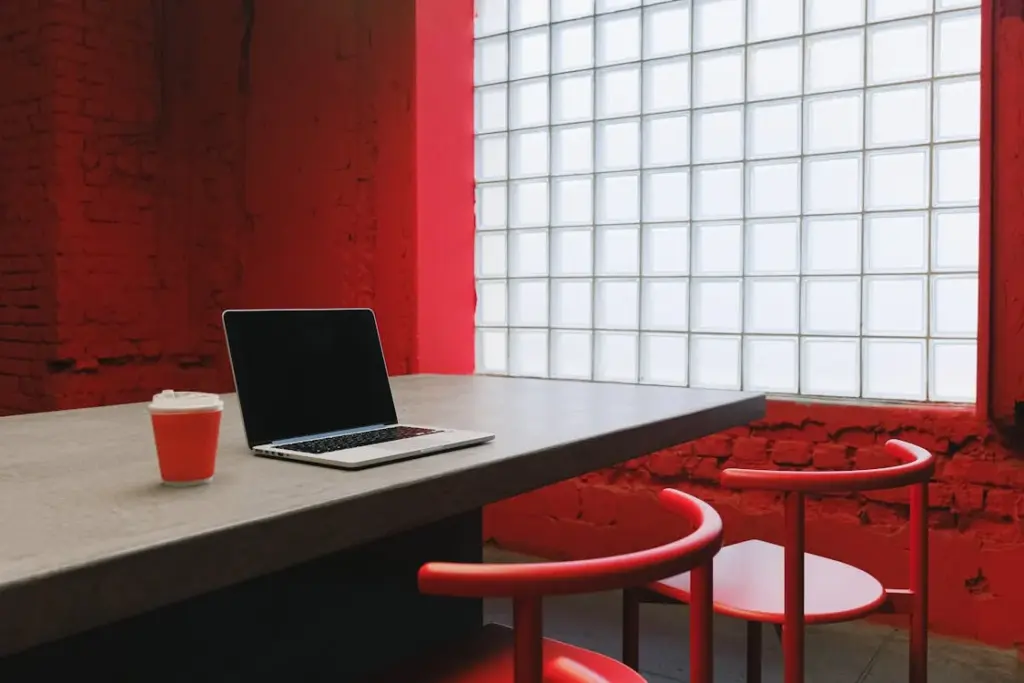
While you might love your fire-engine red dining room or deep purple bedroom, bold paint colors can be a major turn-off for potential buyers. Bright or dark colors can make spaces feel smaller and less inviting. They also make it harder for buyers to imagine their own style in the space.
Interestingly, paint color choices can have a measurable impact on a home’s sale price. One study found that homes with dark red dining rooms sold for $2,031 less than expected, while those with straw yellow kitchens sold for $820 less.
To appeal to a broader range of buyers, repaint walls in neutral tones. Light greys, soft whites, and warm beiges create a blank canvas that allows buyers to imagine their own decor in the space.
 If you like what you are reading, then click like and subscribe to my newsletter. We share tips to waste less time and money.
Cracked Walls or Ceilings
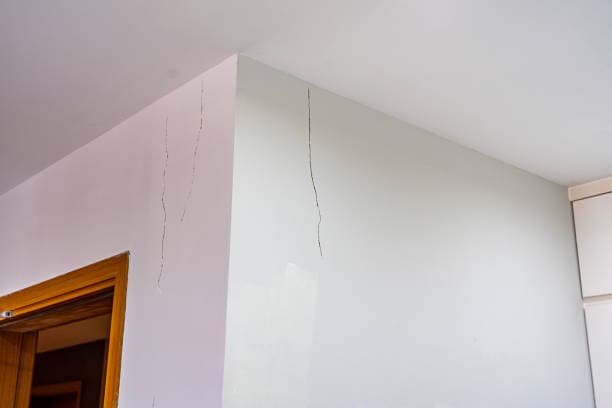
Cracks in walls or ceilings often cause concern for buyers. They may worry about damage or bad upkeep, even if the cracks are just on the surface. Take care of these problems before putting your home up for sale.
For small cracks, use spackling paste to fill them, then sand and repaint the spot. For big or repeat cracks, it’s best to talk to a pro. They can check if there is a deeper problem that needs fixing.
Repairing these cracks makes your home look better and helps buyers feel confident about its strong condition.
Cluttered or Personalized Interior Decor
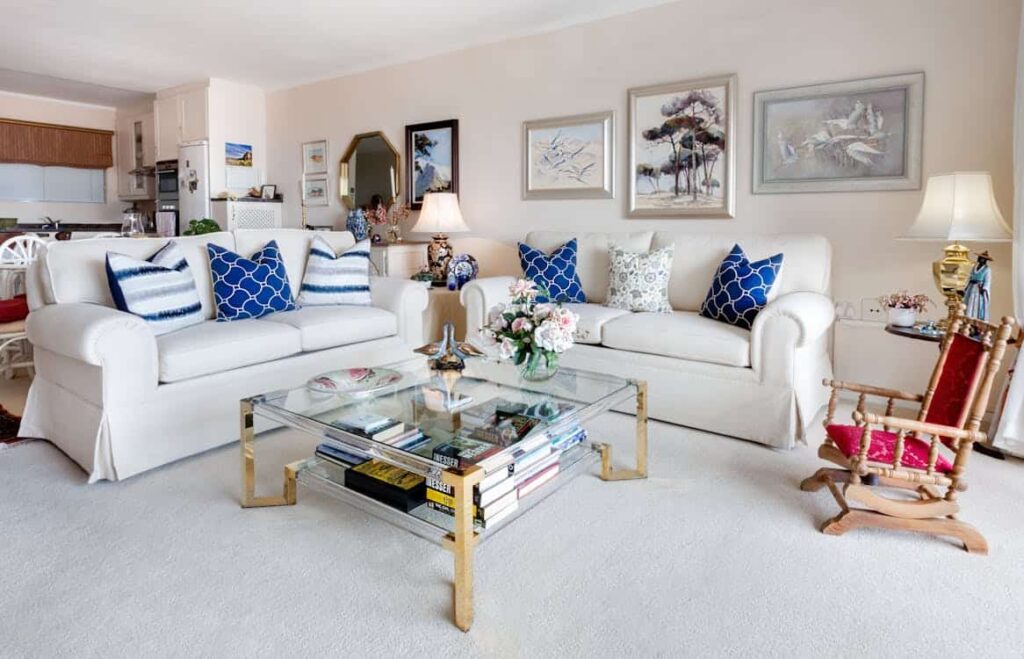
While your collection of family photos and unique decor items might make your house feel like home to you, they can distract potential buyers. Clutter and highly personalized spaces make it difficult for buyers to envision themselves living in the home.
Start by decluttering room by room. Pack away personal items like family photos, children’s artwork, and quirky decorations. Aim for a clean, neutral look that appeals to a wide range of tastes.
This process, known as staging, can help your home sell faster and often for a higher price. Consider renting a storage unit to keep your personal items while your home is on the market.
Presence of Pets or Pet Damage

While you love your pets, not everyone looking to buy your home will feel the same. Pet smells, hair you can see, or any damage from pets can turn buyers away, especially those with allergies or who don’t have pets.
Before showings, clean all carpets and furniture well to get rid of pet smells and hair. Fix any damage pets have made, like scratched floors or chewed wood. Think about having your pets stay with friends or family during showings.
This helps keep pets out of the way and lowers their stress while you sell your home.
Visible Mold or Mildew
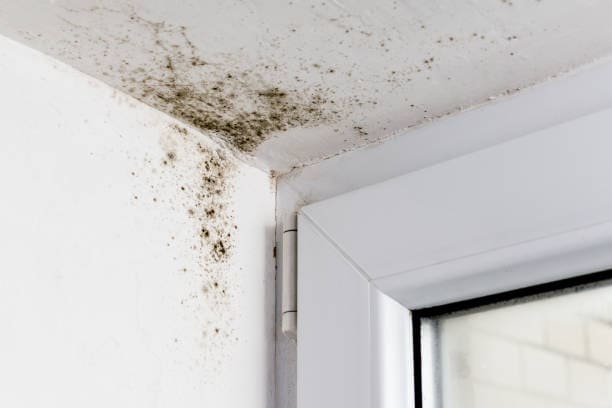
Mold and mildew are serious red flags for buyers, suggesting moisture problems and potential health hazards. These issues can derail a sale quickly, so it’s crucial to address them before listing your home.
Start identifying and fixing the source of moisture causing the mold growth. This step might involve repairing leaky pipes, improving ventilation, or addressing drainage issues around your home’s exterior.
Once you’ve solved the underlying problem, thoroughly clean affected areas using appropriate mold-removal products. Consider using mold-resistant paint in prone areas like bathrooms and basements to prevent future issues.
Poorly Maintained HVAC System

An old or dirty heating, ventilation, and air conditioning (HVAC) system can make buyers worry about repair costs and energy use. Before selling your home, get your HVAC system checked by a professional.
Change air filters and clean air ducts to make the air better and help the system work well. If the system is old, have a professional check how much longer it will last.
You might want to replace an old system, which can be a good selling point for buyers who want to save energy. Keep records of maintenance to show buyers you have cared for the system.
Dirty or Streaky Windows
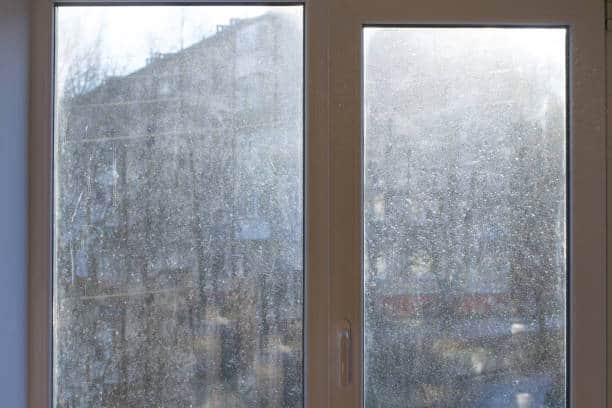
Clean, sparkling windows can make a huge difference in your home’s overall appearance. Dirty or streaky windows not only look unappealing but also block natural light, making your home feel darker and less inviting.
A recent report found that clean windows can increase a home’s perceived value up to 10%. That’s a significant boost for a relatively simple task. Take the time to clean all windows thoroughly, inside and out.
Don’t forget about skylights and glass doors. If you have hard-to-reach windows, consider hiring a professional window cleaning service. The resulting brightness and clarity can dramatically improve your home’s appeal to potential buyers.
Lack of Natural Light
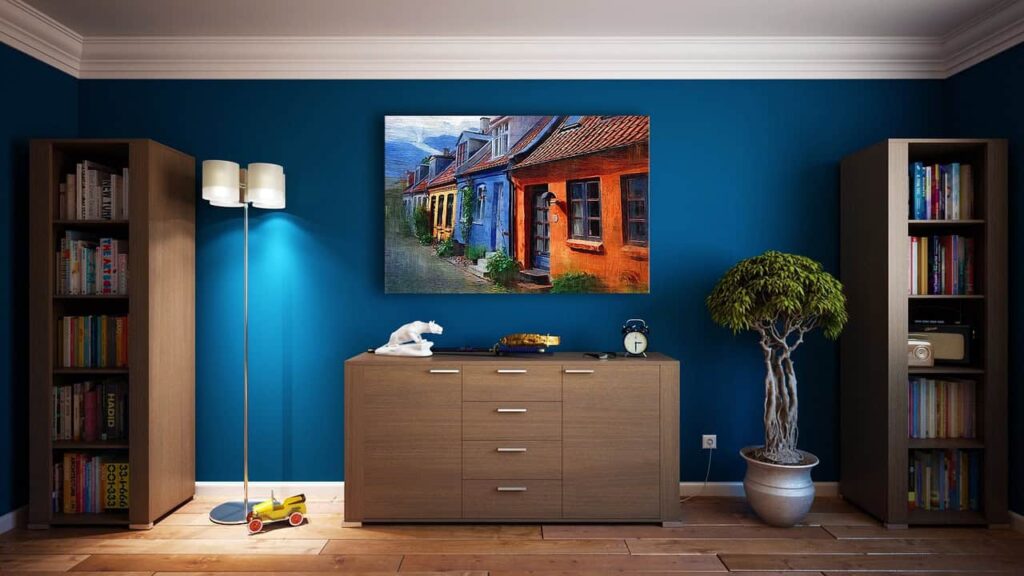
Homes that seem dark and closed can turn away potential buyers. Most people like bright, open spaces that feel friendly and inviting. To let in more natural light, open all curtains and blinds during showings.
Cut back any plants outside that may be blocking the windows. Paint dark walls in light colors to reflect more light.
Put up mirrors in smart spots to spread light and make rooms feel bigger and brighter. For rooms with no windows, think about installing skylights or solar tubes to add more natural light.
If you like what you are reading, then click like and subscribe to my newsletter. We share tips to waste less time and money.
Small or Cramped Spaces
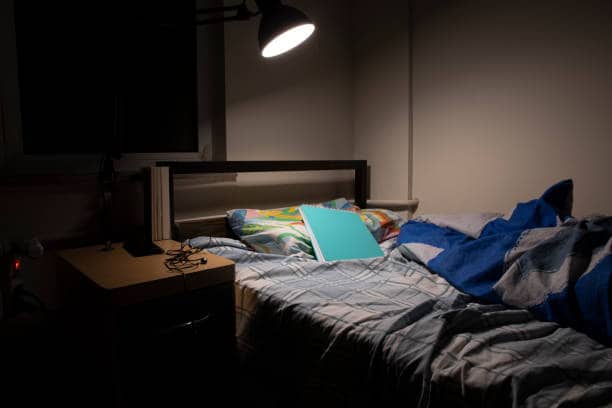
Small rooms can feel cramped and less useful to buyers. Although you can’t increase your house’s size, you can make rooms look bigger and airier.
Begin by taking out extra furniture to free up floor space. Paint walls in light colors to make the space seem more open. Mirrors can also help, especially when placed to reflect light and outdoor views.
Try using furniture that serves more than one purpose to get the most out of small spaces. For example, an ottoman with storage inside or a desk that folds down can add use without crowding the room.
Neglected Neighborhood Appearance

While you can’t control your entire neighborhood, a poorly maintained area can impact buyer perception of your home. Engage with your neighbors to improve the overall community appearance.
Consider organizing a neighborhood clean-up day to tidy common areas. If you have a homeowners’ association, bring up any concerns about neighborhood maintenance at the next meeting.
On your property, focus on maintaining a well-kept lawn and tidy exterior. These efforts can help create a positive first impression of your home and its surroundings.
Overpriced Listing

An expensive home can stop serious buyers before they visit. Many buyers look up homes online carefully before seeing them, and a high price can make them ignore your listing completely.
Look at homes like yours nearby that sold not long ago to understand the market now. Think about your home’s condition, place, and special qualities when choosing your price.
Keep in mind, setting a fair price can bring more attention and maybe even several offers. Talk to a skilled real estate agent to help you pick the best price for your home.
Lack of Storage Space
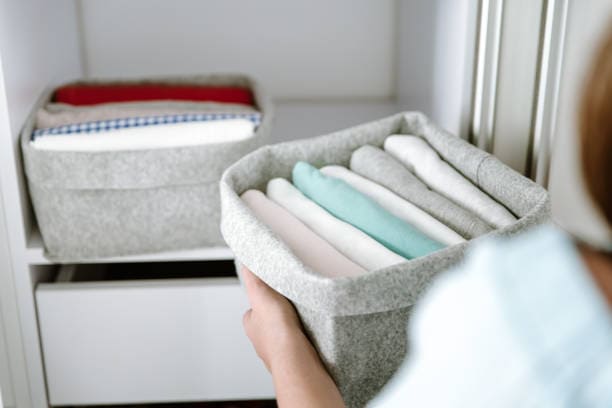
Insufficient storage is a common concern for many homebuyers. They need to envision where they’ll store all their belongings in your home. If your home seems short on storage space, it could turn buyers away.
Start organizing existing closets, cabinets, and other storage areas to maximize their potential. Remove excess items to make these spaces appear larger. Consider adding shelving or storage solutions in underutilized areas.
For example, floating shelves in a bedroom or hooks in a mudroom can add valuable storage without major renovations. If you have a garage or basement, organizing these spaces can also showcase their storage potential to buyers.
Dated or Damaged Roofing

A roof that looks old or damaged is a big worry for buyers because fixing it can be very costly. Roof repairs rank among the most expensive home fixes, and buyers often avoid homes that need roof work right away.
Check your roof for clear signs of damage like missing shingles, dips, or leaks. Remove any debris or moss that makes the roof seem older than it really is. If your roof is close to wearing out, think about getting a professional to check it.
You may choose to replace the roof before selling, which can help attract buyers. At the least, be ready to show buyers an expert report on the roof’s condition.
Outdated Electrical Fixtures or Wiring
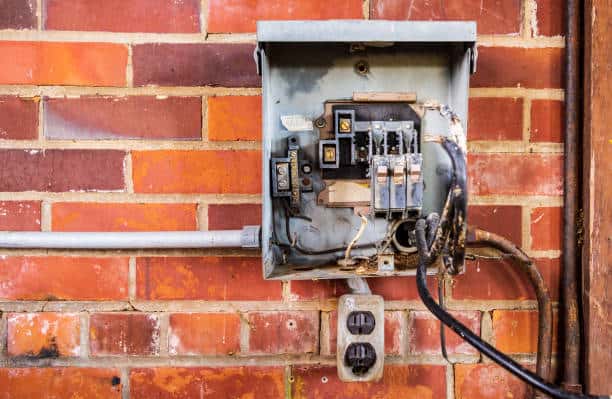
Old wiring or outdated electrical fixtures can be both a safety concern and a sign of needed updates to potential buyers. Start replacing visibly old light switches, outlets, and fixtures with modern options.
If your home still has a fuse box instead of a circuit breaker panel, consider updating it. This upgrade can be a significant selling point for safety-conscious buyers.
If you suspect your home’s wiring might be outdated, have a professional electrician inspect it. They can identify any issues and provide documentation of the inspection to reassure potential buyers.
Unpleasant Noise Levels

Too much noise from traffic, neighbors, or nearby shops can turn buyers away who want a quiet home. You might not control outside noise completely, but you can take steps to reduce it.
Try adding soundproof items like double-glass windows or wall insulation. If you have hard floors, area rugs can help lower noise. Schedule showings at quieter times when you can.
If your home has calm spots, such as a private backyard or a small cozy corner, be sure to point these out to buyers.
Seal the Deal

Selling your home doesn’t need to be hard. With these tips about what buyers look for, you can make your property stand out in the best way.
Remember, small fixes can have a big impact. A fresh coat of paint, clean windows, and a neat yard help create a great first impression. These little things matter more than you might think.
Your home has been part of your life story. Now, it’s time to show it as the start of someone else’s new chapter. With these ideas, you are ready to present your home in the best way and make that important first impression count.
If you like what you just read, then subscribe to my newsletter.
- Stop Ignoring These 22 Dirty Spots! Here’s How to Clean Them Easily
- Unplug These 15 Energy Vampires and Save Hundreds on Your Electric Bill
AI was used for light editing, formatting, and readability. But a human (me!) wrote and edited this.