25 Important Skills Schools Don’t Teach Us


As parents, we want our children to get a good education that gives them the knowledge and skills to do well in life. Still, many of us see that important life skills are left out of regular school lessons.
Although school subjects are important, simple lessons about handling money, keeping healthy, and solving daily problems are often not included. In today’s busy world, these skills matter more than ever.
A recent survey showed that 88% of adults want personal finance lessons in high schools, proving how important useful education is today. Even so, many schools still do not teach these key subjects, so students have to learn by making mistakes.
In this article, we will share 25 key skills that schools often miss but could really help students if taught. These lessons focus on useful knowledge, feelings, and self-growth to get kids ready for real life.
What other skills would you add to this list? Which ones do you think would change a young person’s life the most? Tell us in the comments!
Basic First Aid and CPR
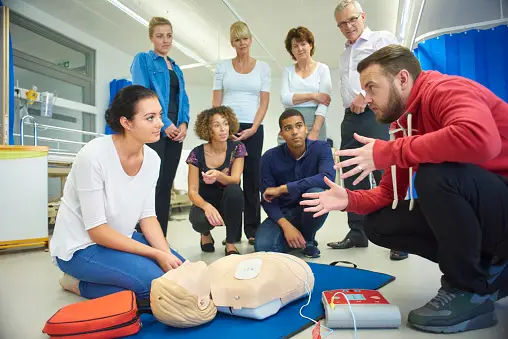
Emergencies can happen at any time, and knowing basic first aid could save a life. Schools should include lessons on how to perform CPR, treat minor wounds, and respond to choking or allergic reactions.
Practical demonstrations and practice sessions could ensure students feel prepared in real-life scenarios. The American Heart Association states that immediate CPR can double or triple survival rates for cardiac arrest victims
Teaching these skills would not only save lives but also boost confidence in handling emergencies. First aid education is a simple yet powerful way to build a safer, more capable society.
Mental Health Awareness

Mental health education is vital to fostering well-rounded individuals who can handle life’s ups and downs. Schools could teach students how to recognize signs of anxiety, depression, or stress, and provide them with healthy coping strategies.
Open conversations about mental health could reduce stigma and encourage students to seek help when needed. Statistics reveal that 1 in 5 adolescents face mental health challenges, yet few receive adequate support.
Introducing mental health resources and teaching self-care techniques could promote emotional well-being. A focus on mental health can empower students to thrive in all aspects of their lives.
Job Application and Interview Skills

As students get ready to start working, it is very important to know how to show themselves in a professional way. Schools can teach students how to write a good resume, make a strong cover letter, and get ready for interviews.
Practice interviews and hands-on activities can help students feel more confident and improve their communication skills. Employers often say that young applicants are not well prepared, showing why these lessons are needed.
Students should also learn workplace manners and the basics of planning their careers. These skills help students find opportunities and get ready for success at work.
Personal Finance

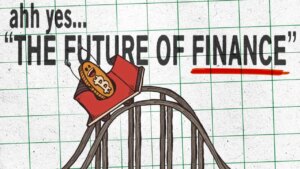
Managing money is one of the most crucial skills for adults, yet it’s rarely taught in schools. Students should learn how to create and stick to a budget, save for future goals, and avoid unnecessary debt.
Understanding the basics of credit, interest rates, and how loans work can help young adults make smarter financial decisions. Schools could also teach about investments, such as stocks and retirement accounts, to give students a head start in building wealth.
Financial literacy programs in schools have been shown to reduce the likelihood of debt and improve overall economic well-being. These lessons are not just about dollars and cents, they empower students to take control of their future.
Taxes and Filing

Learning to handle taxes is an inevitable part of adulthood that many graduates are unprepared for. Schools could teach students how to file a tax return, calculate taxable income, and understand deductions and credits.
Lessons on why taxes are collected and how they fund public services could foster a better understanding of civic responsibility. By breaking down intimidating concepts, students could feel confident managing this yearly task.
With over 50% of Americans relying on professional tax services, many do so out of lack of knowledge rather than necessity. Equipping students with these skills could save them time, money, and frustration. Tax education is an investment in practical independence.
Emotional Intelligence (EQ)

Emotional intelligence plays a major role in personal and professional success. Lessons in recognizing emotions, managing stress, and practicing empathy could make a significant impact on a student’s relationships and mental health.
Schools could integrate activities that teach self-awareness, active listening, and how to navigate conflict calmly. Research from Harvard Business Review shows that individuals with high EQ often perform better in leadership roles and have healthier personal connections.
Teaching students to understand and regulate their emotions could help them handle challenges with resilience. Emotional intelligence isn’t just a skill, it’s a foundation for lifelong success and fulfillment.
Critical Thinking and Media Literacy

In an age of information overload, being able to think critically and evaluate sources is essential. Schools should teach students how to identify credible information, recognize bias, and fact-check what they see online.
These lessons could include analyzing news stories, understanding algorithms, and spotting misinformation. With studies showing that 80% of students struggle to differentiate between real and fake news, the need for media literacy has never been greater.
Educators can empower students to question assumptions and make informed decisions. Critical thinking sharpens minds and safeguards against manipulation in today’s digital world.
Cooking and Meal Planning

Knowing how to cook and plan meals is an essential life skill that helps students maintain a healthy lifestyle and save money. Schools can teach students how to prepare simple dishes, understand nutritional labels, and create balanced meals.
This knowledge encourages independence and reduces reliance on fast food or takeout, which can lead to poor health outcomes. Meal planning also helps students learn how to stretch their budget while minimizing food waste.
Including lessons on grocery shopping, proper storage of ingredients, and basic food safety practices ensures that students are well-prepared to feed themselves and their families effectively.
Home Maintenance and Repairs

Basic home care and repair skills can help students save time and money as they grow into adults. Being able to fix a dripping faucet, change a light bulb, or clear a blocked drain gives students the power to handle small problems on their own.
Schools can offer hands-on classes to teach these useful skills, making sure students feel sure about taking care of their living spaces. Besides repairs, knowing how to look after heating, cooling, and plumbing systems can stop expensive damage.
These lessons give students the knowledge to keep their homes in good shape and avoid extra costs.
Conflict Resolution

Disagreements happen in life, and learning to deal with them in a positive way is very helpful. Teaching students to listen well, speak clearly, and agree on shared ideas can stop problems from growing bigger.
These skills also help students control feelings during fights and build better connections. Schools can use role-play exercises to give students real practice in solving conflicts calmly.
When students learn to solve problems by understanding others and talking, they are more ready to face difficult situations in life and work.
Time Management

Mastering time management can help students balance responsibilities and achieve their goals. Schools can teach students how to prioritize tasks, set realistic deadlines, and avoid procrastination.
Using planners, calendars, or digital tools can help students organize their schedules and stay on track. These skills are crucial for academic success, but they also prepare students for the demands of the workplace.
When students understand how to allocate their time effectively, they can reduce stress and increase productivity.
Basic Legal Knowledge

Knowing some basic law is important for living as an adult. Schools should teach students about their rights and duties as members of society, including things like contracts, tenant rights, and work rules.
This information helps students keep themselves safe and make smart choices. For instance, learning what a lease means or what happens when signing a contract can stop many legal problems.
Giving students this simple legal knowledge helps them face legal situations with confidence
Self-Defense
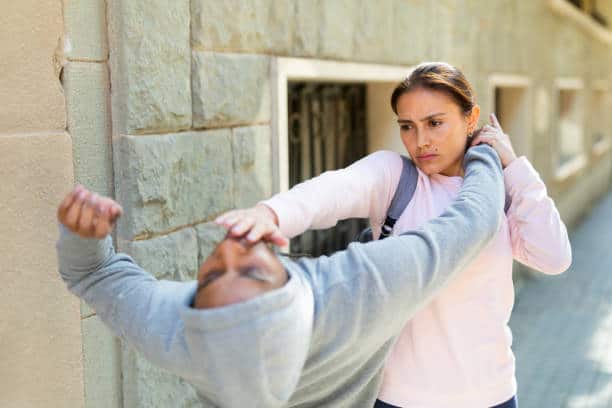
Knowing how to protect oneself is a practical and empowering skill. Schools can teach basic self-defense techniques, situational awareness, and strategies to de-escalate dangerous situations.
Incorporating lessons on personal safety helps students feel confident in their ability to handle emergencies. Understanding how to recognize and avoid potential threats is equally important.
Offering this training equips students with the knowledge and skills to prioritize their safety in everyday life.
Cybersecurity and Online Safety

In today’s digital world, knowing how to stay safe online is very important for all. Schools need to teach students how to keep their personal information private, spot fake emails, and create strong passwords.
Lessons about privacy settings and using social media carefully can also help students protect their online activity. As online dangers keep changing, these skills are needed to avoid identity theft and other risks.
Giving students good knowledge about staying safe on the internet can protect their future and help them use technology in a smart way.
Environmental Responsibility

Understanding the impact of daily actions on the environment is crucial for building a sustainable future. Schools can teach students how to reduce waste, conserve energy, and make eco-friendly choices.
This can include lessons on recycling, composting, and reducing plastic usage. Students can also learn about renewable energy sources and the importance of protecting natural habitats.
By fostering an awareness of environmental issues, schools can inspire students to adopt habits that benefit both their communities and the planet.
 If you like what you are reading, then click like and subscribe to my newsletter. We share tips to waste less time and money.
Car Maintenance

Basic car maintenance knowledge can save students time and money while ensuring their safety. Schools can teach essential skills like checking oil, replacing tires, and understanding dashboard warning lights.
Knowing how to perform routine tasks such as refueling and maintaining tire pressure reduces dependency on mechanics. These lessons can also cover identifying common car problems and understanding when professional help is necessary.
This practical knowledge is invaluable for new drivers and car owners.
Communication and Public Speaking
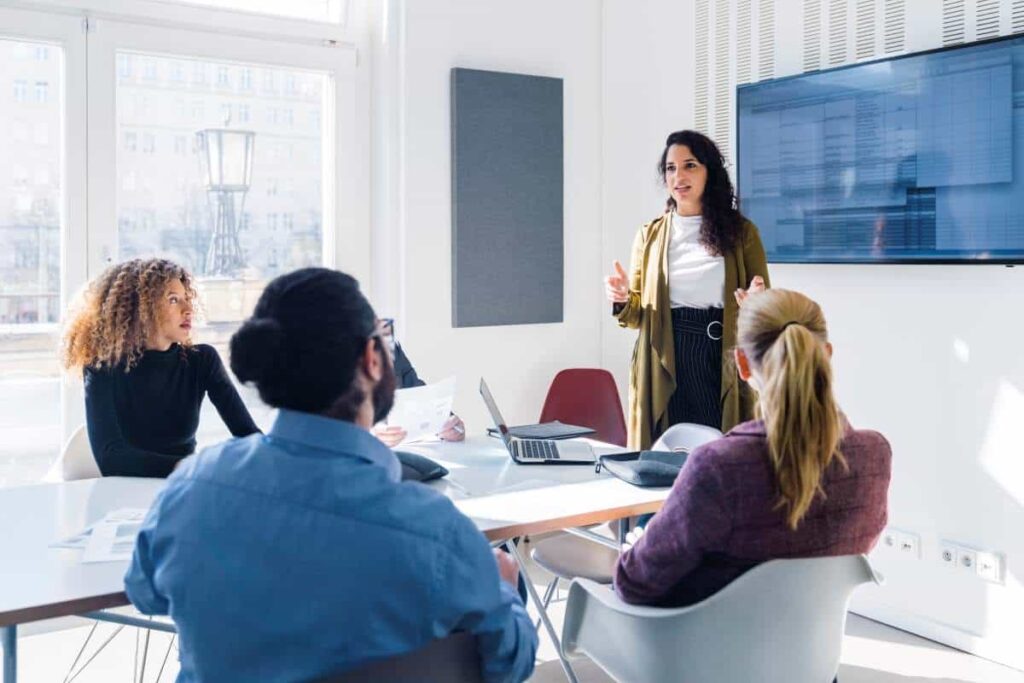
Good communication is one of the most important skills a person can learn. Schools need to teach students how to speak clearly, listen well, and change their tone for different people. Speaking in front of a group is very important because it boosts confidence and helps students do well in school and work.
Classes can include writing speeches, sharing ideas, and handling nervousness. By learning these skills, students get better at sharing their thoughts and connecting with others, which are key for any job or social event.
Stress Management

Stress is a part of life, but knowing how to manage it effectively can make all the difference. Schools should teach students techniques to handle stress, such as mindfulness, deep breathing, and exercise.
Understanding the causes of stress and how it affects the body can also help students recognize when they need to seek help. These lessons can be incorporated into health classes or workshops, giving students the tools to build resilience.
Learning how to manage stress can improve mental health, academic performance, and overall quality of life.
Negotiation Skills

The skill to negotiate well can bring better results in many parts of life, like talking about pay, fixing problems, or buying big items. Schools can show students how to get ready for talks, explain their ideas, and reach solutions that help everyone.
Classes can also teach how to spot tricks and methods that keep things fair. Using these skills in real situations helps students feel sure when standing up for themselves. This learning can help students handle situations clearly and reach their goals without giving up too much.
Civic Responsibility

Understanding the role of a citizen in a democratic society is essential for fostering active participation in the community. Schools can teach students about voting, volunteering, and staying informed about local and national issues.
Lessons on how laws are made and how government functions can help students see how their actions contribute to society. Encouraging students to engage with their communities can instill a sense of responsibility and inspire them to contribute to positive change.
Civic education ensures that students grow into informed and involved members of society.
If you like what you are reading, then click like and subscribe to my newsletter. We share tips to waste less time and money.
Cultural Competence

In today’s connected world, knowing and respecting many cultures is key to building good relationships and lowering bias. Schools can teach students about different customs, beliefs, and views, helping them be open and caring.
Lessons on clear communication across cultures get students ready for global jobs and meetings. Supporting inclusion and cultural understanding helps students work toward a kinder and more linked world.
These lessons improve both personal growth and job chances.
Relationship Skills

Building and maintaining healthy relationships is essential for personal and professional success. Schools can teach students effective communication, conflict resolution, and the importance of setting boundaries.
These skills are applicable to friendships, romantic relationships, and workplace interactions. Role-playing scenarios or group discussions can help students practice these techniques.
Understanding the dynamics of respect, trust, and mutual support creates a foundation for stronger connections. By focusing on these skills, students can develop meaningful and positive relationships throughout life.
Entrepreneurial Skills

The entrepreneurial mindset builds creativity, new ideas, and strength, skills useful in any job. Schools can teach students how to spot chances, make plans, and use resources well. Lessons on budgeting, marketing, and leading can help them turn ideas into action.
Letting students try small projects or work together gives real experience. This knowledge helps students think in new ways and adjust to the changing needs of today’s work world.
Gardening and Growing Food

Growing food teaches students the value of sustainability, patience, and hard work. Schools can provide hands-on experience in planting, tending, and harvesting crops. Lessons on soil preparation, seasonal planting, and pest control create a deeper understanding of nature.
Gardening also promotes healthy eating and reduces dependence on store-bought produce. Teaching this skill helps students build self-reliance while fostering an appreciation for the environment.
Technology Literacy

Giving students useful and important skills helps them handle problems with confidence and flexibility. These lessons are more than just schoolwork; they help young people succeed in all parts of life.
Teaching these key skills builds independence, strength, and a better grasp of the world they live in. Schools play a special role in creating well-prepared, able citizens who can add value to the community.
Focusing on real-life readiness leads to a safer and brighter future for everyone.
Learning Skills for a Better Future

Giving students useful and important skills helps them handle problems with confidence and flexibility. These lessons are more than just schoolwork; they help young people succeed in all parts of life.
Teaching these key skills builds independence, strength, and a better grasp of the world they live in. Schools play a special role in creating well-prepared, able citizens who can add value to the community.
Focusing on real-life readiness leads to a safer and brighter future for everyone.
If you like what you just read, then subscribe to my newsletter.
AI was used for light editing, formatting, and readability. But a human (me!) wrote and edited this.