27 Modern Trends Older Adults Find Hard to Accept
Life changes quickly, and sometimes older generations have a hard time keeping up. You might hear your grandparents or older family members complain about how things are today. It’s not just them being upset, there are real reasons for their frustration with modern life.
A recent study based on the 2021 National Health Interview Survey showed that about 12.2 million adults in the U.S. said they felt unhappy with their lives. The group with the highest unhappiness was those 85 and older.
This article will share 27 things that often trouble older people about life today. We will compare how things were when they were young to how they are now. Let’s look at these reasons and understand where their frustrations come from.
What do you think? Do you agree with these points? Please share your thoughts!
Overreliance on Social Media
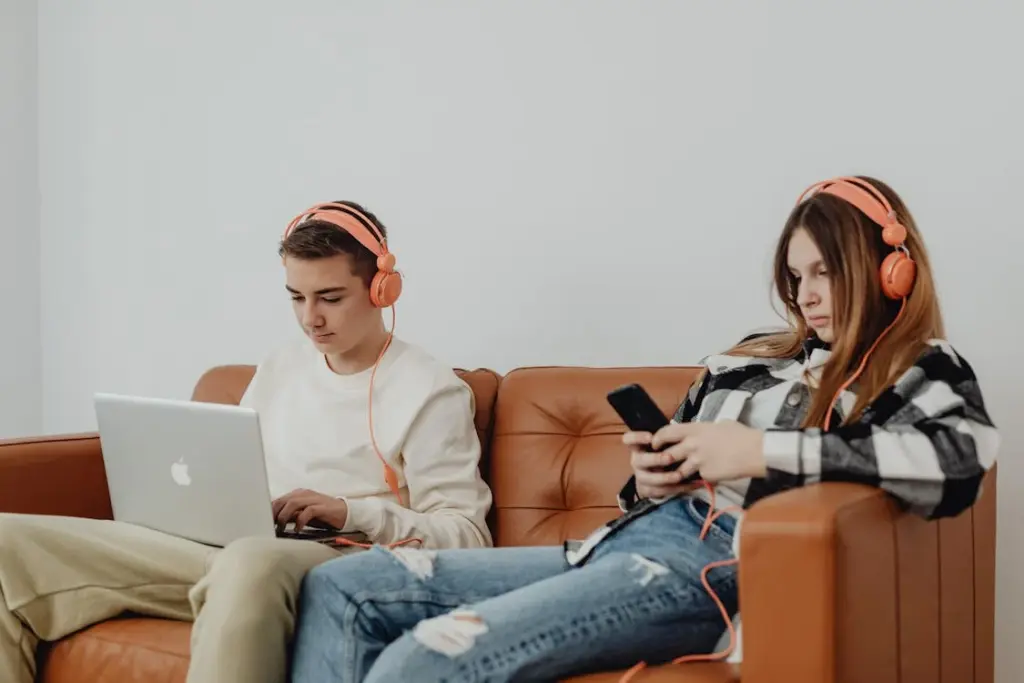
Many older people find social media confusing and think it can’t replace real friendships. They worry that people spend too much time making perfect profiles instead of forming true bonds.
The endless scrolling, liking, and sharing feels shallow to those who care about close, real friendships. Many seniors fear that true human contact is disappearing in the online world.
Political Correctness
Speaking freely has become a minefield for many older people. They worry about offending someone unintentionally, as social norms rapidly change.
This cautiousness can make conversations stressful and less enjoyable. Many seniors long for the days when they could express themselves without fear of backlash.
Overcomplication of Everyday Tasks

Simple tasks today require apps, passwords, and online forms. Banking, shopping, and ordering food have turned into tech problems for many older people.
They miss the ease of using cash and talking to someone in person. Many seniors feel left out because of how much daily life has changed with technology.
Lack of Respect for Elders

The traditional reverence for age and experience seems to be fading. Older people often feel their wisdom and advice go unappreciated or ignored.
This shift stings for those who’ve spent decades accumulating life lessons. Many seniors feel undervalued in a society that appears to adore youth and novelty.
Job Market Challenges for Older Workers

The modern job market often overlooks older workers, preferring young people and tech skills instead of experience. Many older adults feel forced out of their jobs, even though they have years of useful knowledge. It feels like the rules changed suddenly, making them struggle to keep up.
This brings worry and doubt to those who believed their work life was secure.
Decline of In-Person Communication
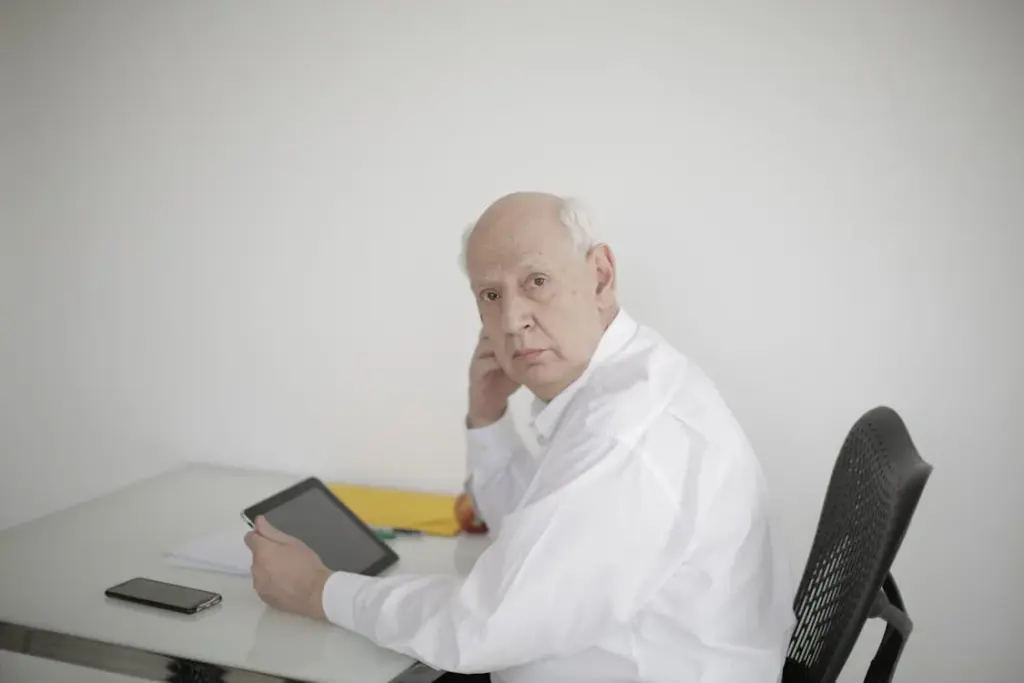
Face-to-face conversations are becoming rare, replaced by texts and emails. For older generations, this shift feels impersonal and cold.
They miss the warmth of a smile and the nuances of body language in communication. Many seniors feel isolated and disconnected in this digital age of interaction.
Decline of Customer Service

Personal, human-focused customer service is fading away. Older people recall a time when fixing problems meant speaking to an actual person. Now, they mostly deal with automated systems and chatbots. This distant way of helping feels useless and upsetting to many seniors.
 If you like what you are reading, then click like and subscribe to my newsletter. We share tips to waste less time and money.
Rise of Disposable Culture

The “throwaway” mentality of modern society troubles many older individuals. They grew up valuing durability and repair over replacement.
The idea of using something briefly and discarding it feels wasteful and wrong. Many seniors worry about the environmental impact of this disposable culture.
Disregard for Privacy

Privacy means something different to older people. They recall a time when personal information was not all over the internet. Sharing life details online seems unsafe and odd to many seniors. They long for the days when personal matters stayed truly private.
Casual Attitudes Toward Work

Today’s relaxed work culture baffles many older individuals. They grew up valuing punctuality, formal dress codes, and clear work-life boundaries.
Flexible hours and casual environments can seem unprofessional to them. Many seniors worry this shift indicates a lack of dedication and respect for the workplace.
Decline of Home-Cooked Meals

The growth of fast food and meal delivery makes many older people sad. They recall family dinners as moments to connect and share.
Not cooking at home anymore feels like losing key skills and close ties. Many seniors fear that the skill and happiness of making food are disappearing.
Decreased Social Etiquette

Many older individuals lament what they see as a decline in manners. They notice less emphasis on courtesies like saying “please” and “thank you.”
Public behavior that was once considered rude now seems commonplace. This shift makes many seniors feel out of place in today’s society.
Decline in Moral Standards

Many older people notice that society’s values are changing. They often feel that respect for traditions and some moral rules is fading.
This loss of values worries those who grew up with different social standards. Many seniors find it hard to accept new views on marriage, family, and how people act in public.
Environmental Neglect

The state of the planet worries many older individuals. They’ve witnessed environmental changes firsthand and feel urgent about protection.
Some find current efforts inadequate, while others see them as overly politicized. Many seniors wish for a balance between progress and preservation in addressing environmental issues.
Overreliance on Technology for Learning

Many older people feel concerned about how technology is changing education. They appreciate traditional ways of learning and are afraid important skills might be lost.
The thought of children mainly using screens to learn makes them uneasy. Most seniors think that learning by doing and talking with others is very important for real understanding.
Lack of Handwriting Skills
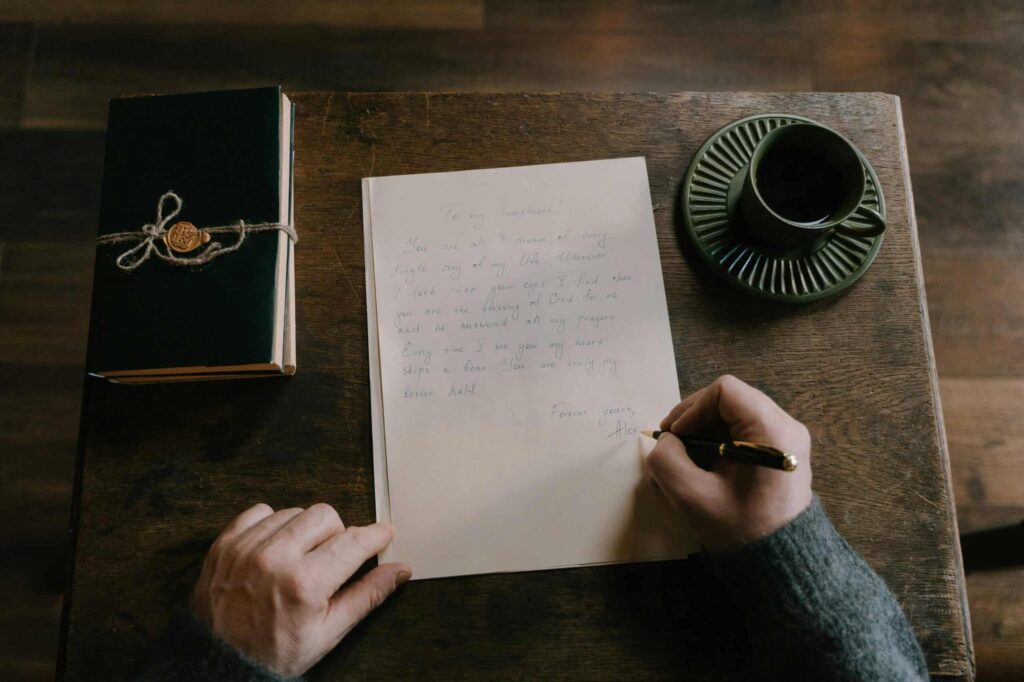
The decline of handwriting in the digital age troubles many older people. They see it as more than just a change in communication methods.
To them, it represents a loss of personal touch and individuality in expression. Many seniors worry future generations might struggle to read historical documents or family heirlooms.
Excessive Screen Time

Many older people feel worried about using devices all the time. They worry it can hurt their body and mind.
Besides health, they also fear that too much screen time can make them feel alone. Many seniors think being stuck with technology is bad for them.
If you like what you are reading, then click like and subscribe to my newsletter. We share tips to waste less time and money.
Erosion of Family Values

Changes in family structures deeply trouble many older people. They often hold traditional views on marriage and family roles.
The rise of diverse family types can feel like a departure from the values they cherish. Many seniors worry about the impact of these changes on children and society.
Disposable Clothing Culture

Fast fashion annoys many older people who recall when clothes were made to last a long time. The habit of buying cheap, trendy clothes and throwing them away soon seems wasteful to them. They are concerned about how this way of shopping affects the environment.
Many seniors view this as a sign of bigger problems in how people buy and use things today.
Pace of Modern Life

Today’s frenetic speed often leaves older people feeling overwhelmed. Everything seems to demand immediate attention and quick decisions.
This rapid tempo clashes with their preference for a more measured approach. Many seniors worry this fast pace leads to stress and prevents people enjoying life’s simple pleasures.
Loss of Skilled Trades

Many older people are worried because fewer young people want skilled trade jobs. They think practical skills like carpentry and fixing machines are very important.
The move to office jobs makes it seem like these important jobs are not needed. Many seniors are afraid the future will have fewer people with hands-on skills.
Unrealistic Standards of Beauty

The obsession with youth and perfection troubles many older individuals. They’ve watched beauty standards become increasingly unrealistic.
This focus on eternal youth feels unnatural and harmful to them. Many seniors worry about the impact of these standards on self-esteem, especially among younger people.
Constant Technology Updates

Fast changes in technology confuse many older people. The need to always update devices and learn new ways can tire them out.
Many seniors feel like they are falling behind and find it hard to keep up with new tech. This ongoing cycle of changes can make them not want to try new technology.
Decline of Physical Fitness

Decreasing levels of physical activity concern many older individuals. They recall childhoods filled with outdoor play, contrasting with today’s indoor lifestyles.
The health implications of this shift worry them greatly. Many seniors struggle to understand the lack of interest in physical activities among younger generations.
Loss of Neighborhood Communities

The way neighborhoods are changing makes many older people feel sad. They remember the close communities they had before. Today’s living setups seem distant and cold to them. Many seniors feel people are losing touch with the places around them.
Complexity of Healthcare Systems

Modern healthcare systems frustrate many older individuals. They find themselves lost in a maze of policies, portals, and medical jargon.
What used to be simple doctor visits now involve a web of specialists and paperwork. Many seniors long for more personal, straightforward healthcare experiences.
Loss of Traditional News Outlets

Many older people feel uneasy about how media is changing. They trusted certain news when they were younger but now find it hard to deal with so much digital information. It can be tough for them to know which news online is true.
A lot of seniors are afraid of false information spreading and the decline of detailed local news.
Bridging the Generation Gap

Looking at these 27 points, it is clear that older people have good reasons to worry about today’s world. Their unhappiness comes from quick changes in technology, social habits, and daily life.
So, next time your grandparents complain about smartphones or online banking, stop for a moment and try to understand their view. We may find that blending old and new ways makes a better life.
In the end, respecting our elders is not about staying in the past but learning from what they have been through as we build the future.
If you like what you just read, then subscribe to my newsletter.
- If You Are Over 50, Stop Eating These 19 Foods (Even Though They Are Delicious)
- Is Your Inheritance at Risk? Why Boomers Are Refusing To Pass Down Their Wealth
AI was used for light editing, formatting, and readability. But a human (me!) wrote and edited this.