29 Favorite Foods You Should Avoid After Turning 70


As we age, our bodies change a lot. These changes impact how we digest food and which nutrients we need. After 70, it gets more key to watch what we eat.
Our metabolism slows. We may move less. Our bodies can struggle to absorb some nutrients. All this means we must pick foods with care.
The Healthy Eating Inde
Right foods help stop or control issues like heart disease, diabetes, and brittle bones. They raise energy and lift health.
This guide shows foods to skip after 70 and better swaps. We cover 29 foods and why they may not suit older adults.
Is your top food on the list? Tell us in the comments!
Too Much Caffeine

A cup of coffee each morning may be your habit, but too much caffeine can create issues as you get older. It can make you anxious, disrupt your sleep, and increase your blood pressure. Caffeine can also mix with certain medicines.
You do not need to quit coffee all at once, but cut back on the amount you drink. Switch to decaf coffee or herbal tea, mainly in the afternoon and evening.
This helps you sleep well at night and stay calm in the day. If you want the heat of a hot drink, pick caffeine-free herbal teas or warm lemon water.
Refined Pasta

White pasta might be a favorite comfort food, but it’s made with refined grains that lack important nutrients. It can cause quick spikes in your blood sugar, which isn’t good for managing your weight or diabetes risk.
Eating too much refined pasta can also lead to feeling hungry again quickly. Instead of white pasta, try whole grain pasta or pasta made of vegetables or legumes.
These options have more fiber and nutrients to keep you feeling full and satisfied. You can also try using spiralized vegetables like zucchini or carrots as a pasta substitute for a low-carb option.
Candy
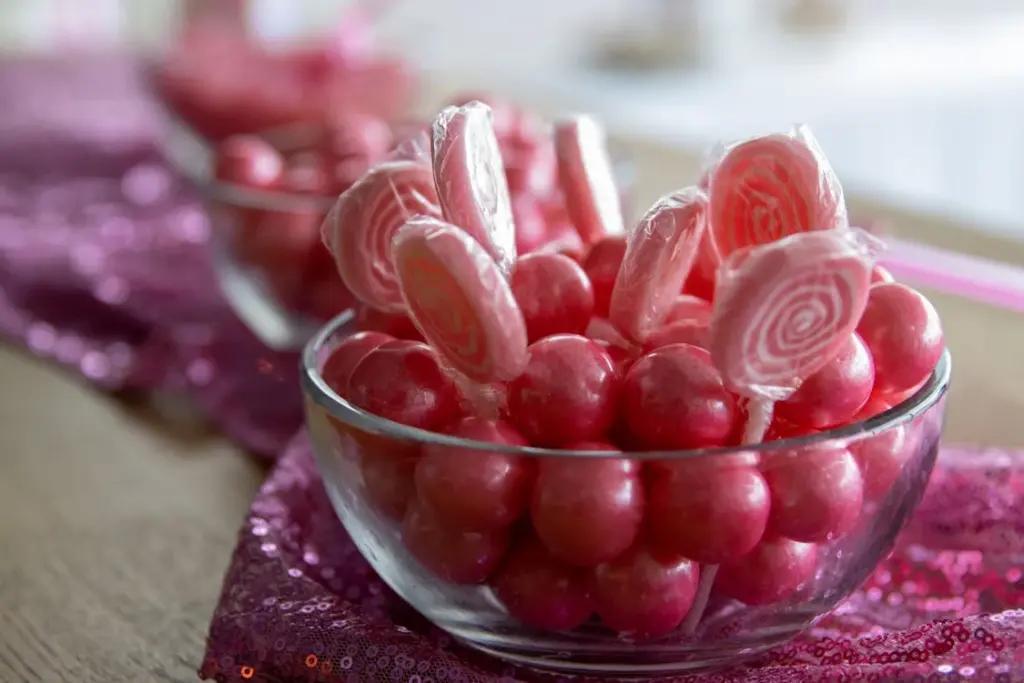
Candy can satisfy your sweet tooth, but it has lots of sugar and empty calories. Too much candy leads to weight gain, tooth decay, and blood sugar issues. It gives none of the nutrients your body needs to stay healthy.
When you crave something sweet, pick a piece of fruit. Berries, apples, or oranges satisfy that craving and provide vitamins and fiber.
For a special treat, try a small piece of dark chocolate. It has less sugar than milk chocolate and contains antioxidants that benefit your health.
Commercial Granola Bars
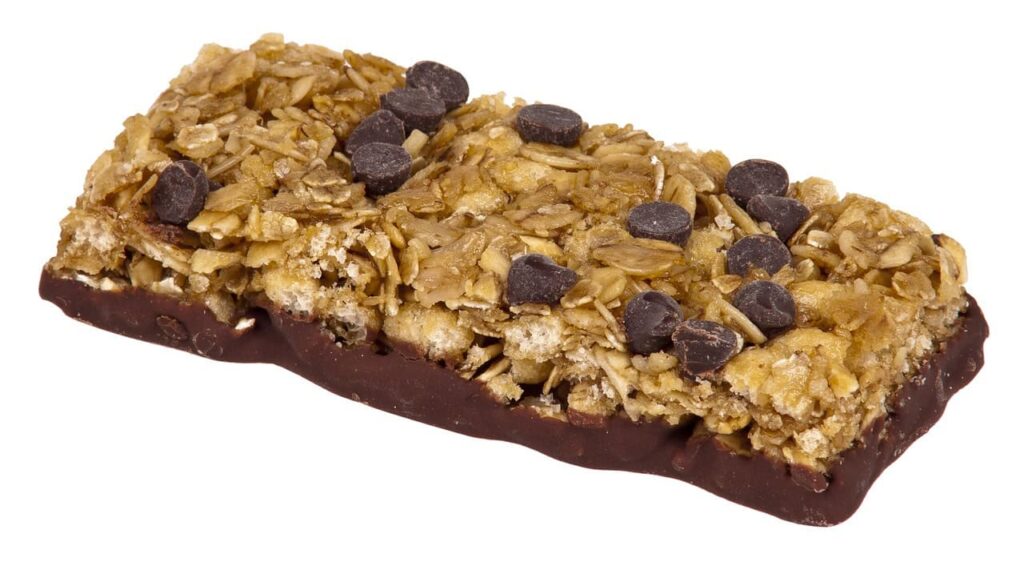
Many store-bought granola bars are marketed as healthy snacks, but they often contain a lot of added sugars and unhealthy fats. They might seem like a good choice, but many are not much better than candy bars.
These bars can be high in calories without providing much nutrition. Instead of buying granola bars, try making your own healthy snacks at home. Mix oats, nuts, and a little honey to make your own granola.
Or, pack a small container of nuts and dried fruit for a quick and healthy snack on the go. These options let you control the ingredients and avoid unnecessary sugars and additives.
Pancakes and Waffles

Traditional pancakes and waffles are made with refined flour and often topped with sugar syrups. This combination can cause quick spikes in your blood sugar and doesn’t provide lasting energy.
They’re also often low in protein and fiber, which are important for older adults. You don’t have to give up pancakes and waffles entirely. Try making them with whole grain flour or oats for more fiber and nutrients.
Top them with fresh fruit or a small amount of pure maple syrup instead of artificial syrups. You can also add some ground flaxseed or nuts to the batter for extra nutrition and healthy fats.
Some Raw Vegetables
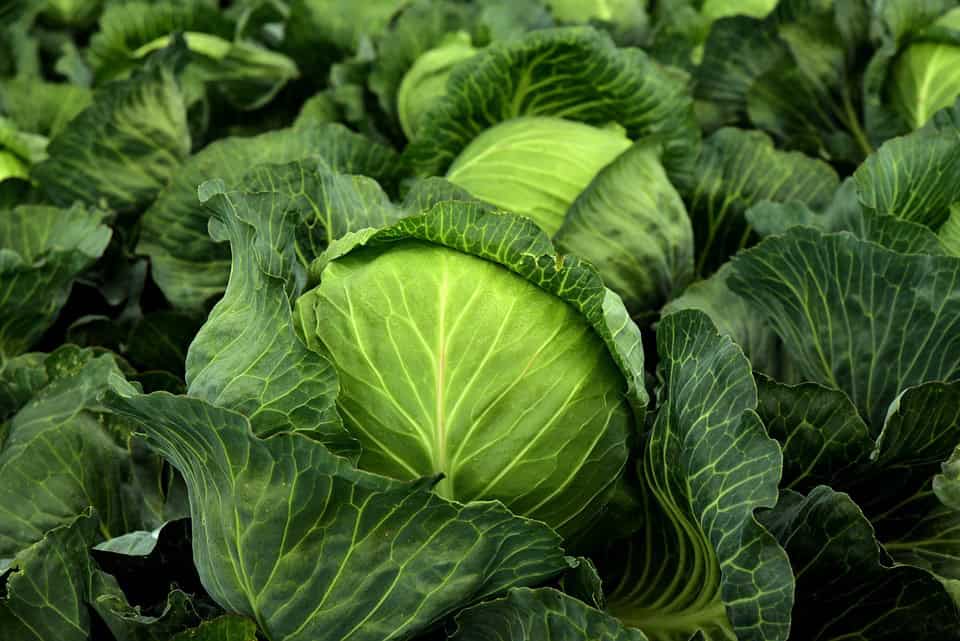
While vegetables are generally healthy, some raw veggies can be hard to digest, especially as you get older. Raw broccoli, cauliflower, and cabbage might cause gas and bloating in some people.
This doesn’t mean you should avoid these nutritious vegetables. Instead, try cooking them lightly. Steaming or roasting these vegetables can make them easier to digest while keeping most of their nutrients.
You can also try eating smaller portions of raw vegetables or chopping them into smaller pieces. Experiment to find what works best for your digestion while still enjoying a variety of healthy vegetables.
Instant Noodles
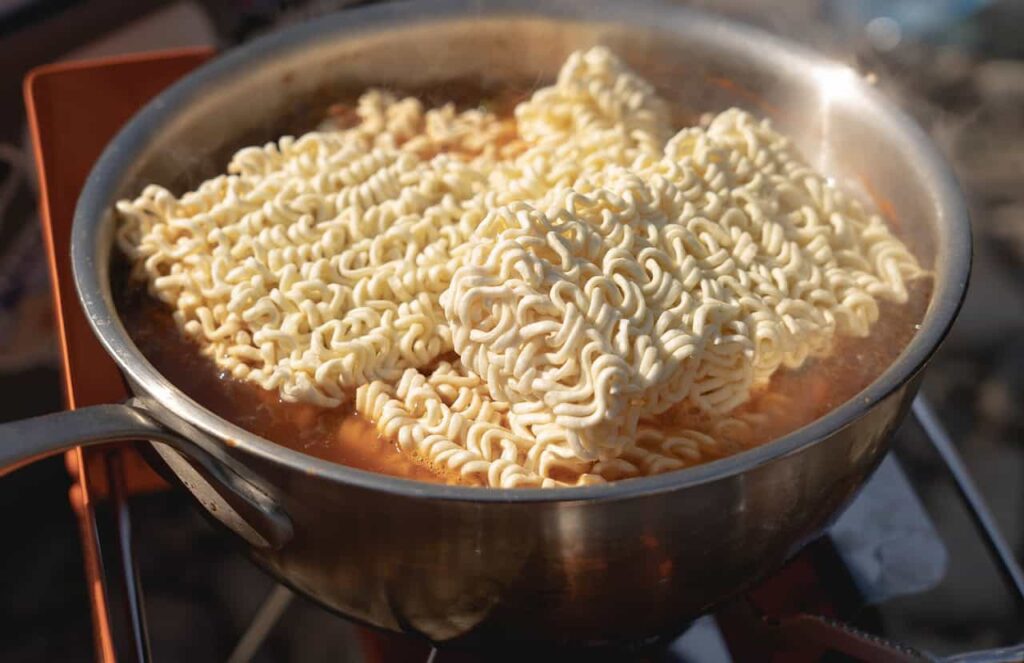
Instant noodles make a fast meal, but they lack health benefits. They pack lots of salt and preservatives yet miss key nutrients.
Regular instant noodle meals can lead to high blood pressure and bad nutrition. Make fast, healthy noodle dishes at home. Pick whole grain noodles or veggie ones from zucchini or carrots.
Add lean protein such as chicken or tofu plus many vegetables. Cook a big batch and store portions in the fridge for easy meals all week.
Artificial Sweeteners
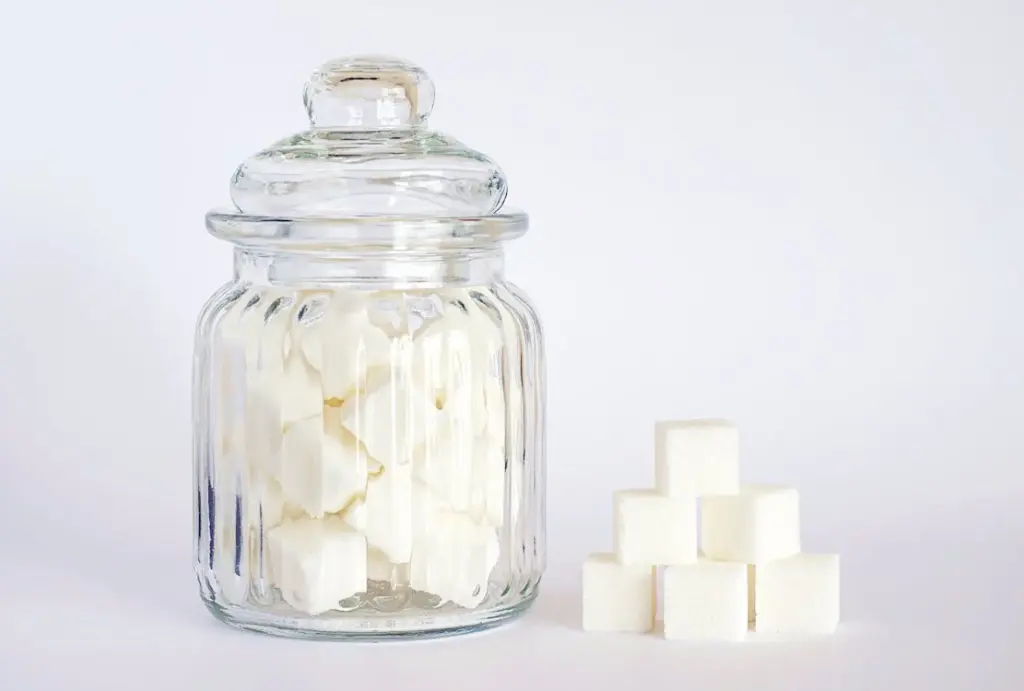
Many people use artificial sweeteners to cut calories, but they might not be the best choice for older adults. Some studies suggest these sweeteners could affect your metabolism and gut health.
They might also increase cravings for sweet foods. Instead of artificial sweeteners, try using small amounts of natural sweeteners. A little honey, maple syrup, or stevia can add sweetness without the potential downsides of artificial options.
You can also try reducing the amount of sweetener you use over time to adjust your taste buds to less sweet flavors.
 If you like what you are reading, then click like and subscribe to my newsletter. We share tips to waste less time and money.
Salted Nuts

Nuts make a healthy snack, but many packaged nuts have lots of salt on them. Too much salt in your diet can raise blood pressure, a big issue for many older adults. Eating many salted nuts can add more sodium to your diet than you think.
Pick unsalted or lightly salted nuts instead. You get the health perks of nuts, such as healthy fats, protein, and fiber, without the extra salt.
If you want the salty taste, add your own herbs or spices to plain nuts. A bit of cinnamon or rosemary adds flavor without sodium.
Fruit Juice

Fruit juice might seem like a healthy drink, but it’s often high in sugar and calories. It also lacks the fiber found in whole fruits.
Drinking too much fruit juice can lead to weight gain and blood sugar spikes. This is especially important to watch if you’re managing diabetes. Instead of drinking fruit juice, eat whole fruits.
You’ll get the same vitamins and minerals, plus the fiber that helps slow down sugar absorption. If you enjoy the taste of juice, try adding a small splash of 100% fruit juice to sparkling water for a refreshing drink with less sugar.
Very Spicy Foods
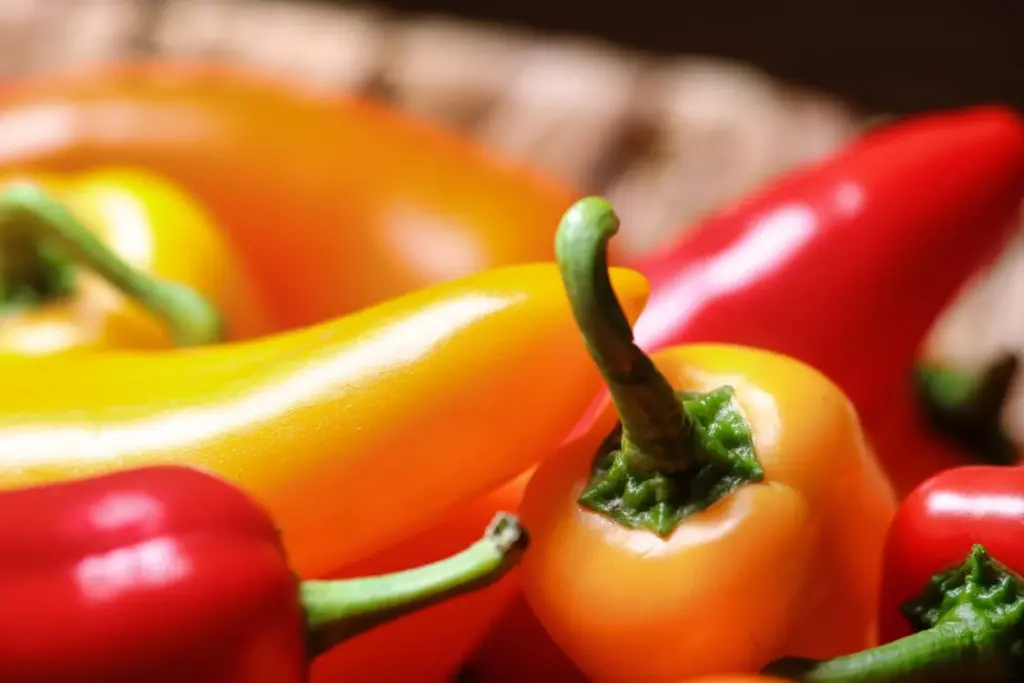
While some people love spicy food, it can cause problems for older adults with sensitive stomachs. Very spicy dishes might lead to heartburn, indigestion, or other digestive issues.
This doesn’t mean you need to eat bland food. You can still enjoy flavorful meals without the burn of very spicy ingredients. Try using milder spices and herbs to add flavor to your meals.
Garlic, ginger, turmeric, and herbs like basil or oregano can make your food tasty without irritating your stomach. Start with small amounts and increase gradually to find the right level of spice for you.
Sweetened Yogurts

Many flavored yogurts have lots of added sugar. Yogurt makes a healthy snack, but sugar in sweet kinds makes it taste like dessert.
High sugar intake causes weight gain and blood sugar problems. Pick plain yogurt without sugar. It packs protein and calcium, key for older people.
Add taste with fresh fruit, a bit of honey, or cinnamon on top. Use plain yogurt in smoothies or swap it for sour cream in cooking.
Corn
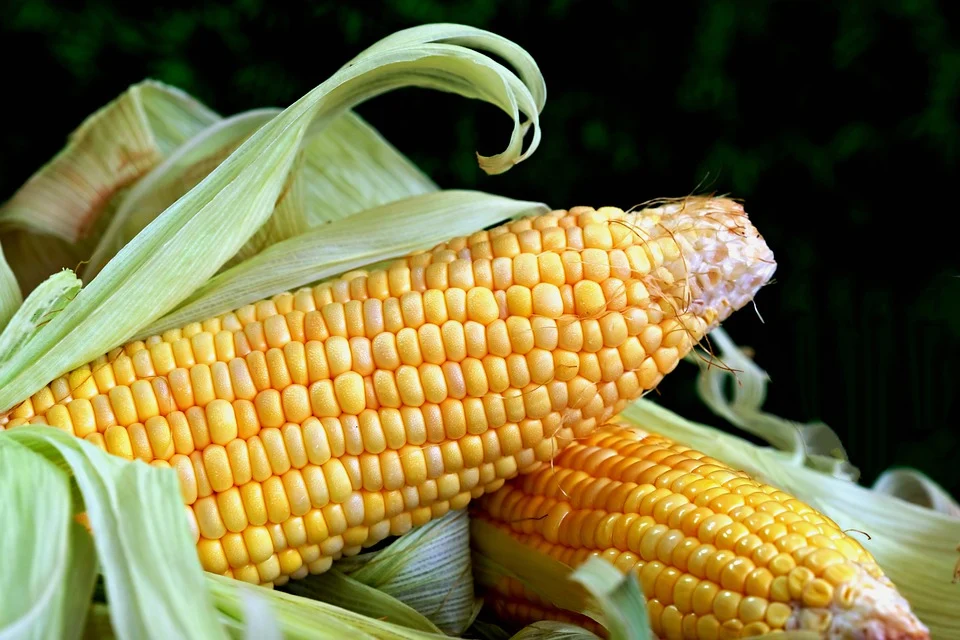
While corn is a vegetable, it’s high in starch and not as nutrient-rich as many other vegetables. It can also be harder to digest as you get older. Eating too much corn might leave less room in your diet for more nutritious vegetables.
This doesn’t mean you need to avoid corn completely. Just try to eat it in moderation. Fill most of your plate with nutrient-dense vegetables like leafy greens, broccoli, carrots, or bell peppers.
These vegetables provide more vitamins, minerals, and fiber for fewer calories. When you do eat corn, choose fresh or frozen varieties without added salt or butter.
Processed Meats

Bacon, sausages, and deli meats taste good, but they harm your health. These meats have lots of salt, bad fats, and chemicals. Eating too much raises your risk of heart disease and some cancers.
Pick lean chicken, turkey, or fish like salmon over processed meats. These give protein without the bad stuff. Grill, bake, or roast them for a tasty meal that helps your heart and health.
Sugary Drinks

Sodas and other sweet drinks might seem refreshing, but they’re packed with sugar and empty calories. Drinking too much of these can lead to weight gain and increase your risk of diabetes. They also don’t provide any useful nutrients your body needs.
A better choice is to drink water, unsweetened tea, or sparkling water with a slice of lemon or lime. These options keep you hydrated without adding extra sugar to your diet.
If you miss the sweetness, try adding a small amount of 100% fruit juice to your water for flavor.
Fried Foods

French fries and other fried snacks tempt you, but they harm your body. These foods have lots of bad fats that spark inflammation and add weight. They pack too much salt, which boosts blood pressure.
Pick baked or air-fried takes on your top snacks. Bake crispy veggie chips or potato wedges in the oven with a bit of oil. These options deliver the crunch you want minus the bad fat.
White Bread

White bread might be a staple in many kitchens, but it’s not the best choice for older adults. It’s made with refined flour, which has very little nutrition and can cause quick spikes in your blood sugar.
These spikes can be especially problematic if you’re watching your weight or managing diabetes. Whole grain or multigrain bread is a much better option.
These types of bread have more fiber and nutrients to keep you feeling full and healthy. They also help keep your blood sugar more stable throughout the day.
Canned Soups
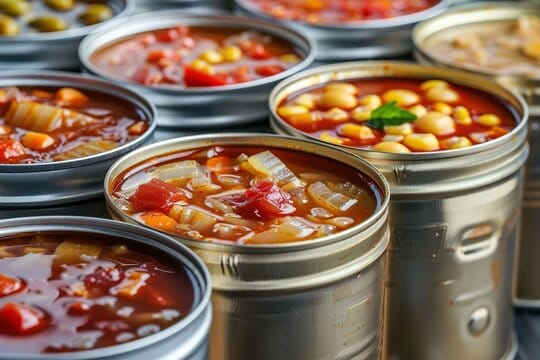
Canned soups look like a fast and simple meal, but many pack a lot of salt. Too much salt in your diet can boost your blood pressure and raise your risk of heart issues and stroke. This matters more as you age.
Pick low-sodium canned soups at the store. Better yet, make your own soup at home with fresh veggies and lean meats. Homemade soups let you control the salt and add healthy ingredients.
Full-Fat Dairy
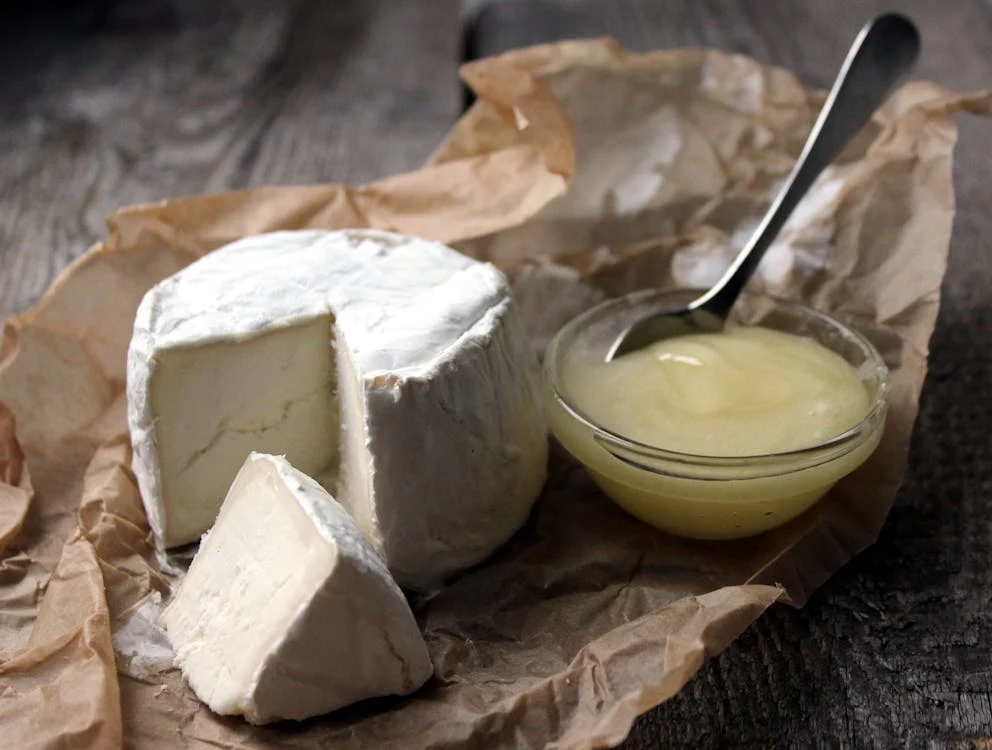
Whole milk, heavy cream, and full-fat cheeses taste rich and creamy, but they’re high in saturated fats. These fats can raise your bad cholesterol levels and increase your risk of heart disease.
As you age, it becomes even more important to protect your heart health. Switch to low-fat or fat-free milk for your daily dairy needs. You can also try plant-based options like almond or oat milk, which come in different flavors and can be just as satisfying.
For cheese lovers, choose lower-fat options or use smaller amounts of full-flavored cheeses to get the taste you love with less fat.
Pastries and Baked Goods
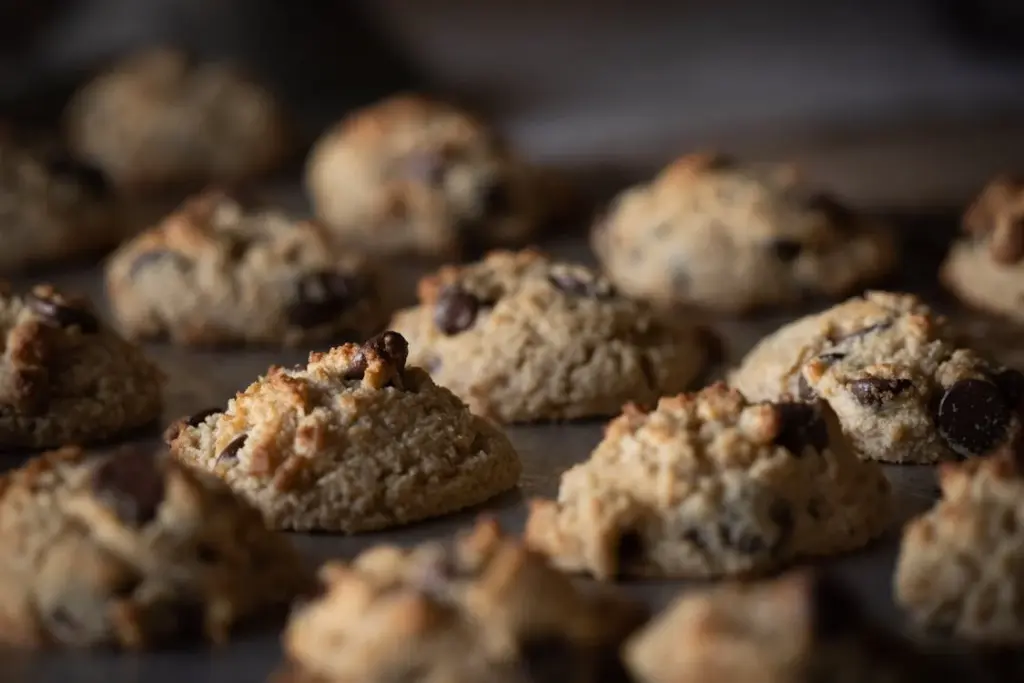
Donuts, muffins, and other sweet treats tempt you, but they often contain lots of sugar and bad fats. Eating too many leads to weight gain and blood sugar issues.
They give your body few nutrients it needs. You do not need to quit baked goods completely.
Make your own at home with whole grain flour and natural sweeteners like mashed bananas or applesauce.
Eat a piece of fruit or a small handful of nuts when you want something sweet. These choices satisfy your sweet tooth and give your body key nutrients.
Red Meat

Eating too much beef or lamb can be hard on your health, especially as you get older. These meats are often high in saturated fat, which can raise your cholesterol levels. They’ve also been linked to a higher risk of heart disease and certain types of cancer.
This doesn’t mean you have to cut out red meat completely, but it’s smart to eat it less often. When you do eat red meat, choose lean cuts and keep portions small.
For everyday meals, try lean chicken or turkey instead. You can also experiment with plant-based proteins like beans or lentils, which are high in fiber and nutrients.
Potato Chips

Potato chips and other salty snacks are easy to munch on, but they’re not a good choice for everyday snacking. These foods are often fried in unhealthy oils and covered in salt, which isn’t good for your heart or blood pressure.
They’re also easy to overeat, which can lead to weight gain. For a crunchy snack, try baked vegetable chips or air-popped popcorn instead. You can add flavor with a sprinkle of herbs or a small amount of Parmesan cheese.
These options give you the satisfying crunch you’re looking for with fewer calories and less unhealthy fat.
Ice Cream

Ice cream is a favorite treat for many, but it’s high in sugar and fat. Eating it too often can lead to weight gain and affect your heart health. It can also cause spikes in your blood sugar, which is especially concerning if you have diabetes.
You don’t have to give up frozen treats altogether, though. Try frozen yogurt or fruit-based sorbets, which often have less fat and sugar. You can also make your own healthy ice cream at home by blending frozen bananas until they’re creamy.
Fast Food

Burgers, pizza, and other fast food meals are easy to get, but they often have too much bad fat, salt, and calories. Eating a lot of fast food can cause weight gain and raise your risk of heart disease and other health issues.
Limit these foods and cook at home more. When you make your own meals, you pick the ingredients and cooking ways. Try healthier versions of your top fast foods at home.
Use whole grain buns, lean meats, and many vegetables. You keep the tastes you like and pick a better option for your health.
Alcohol

As we age, our bodies don’t handle alcohol as well as they used to. Drinking too much can increase your risk of falls and accidents. It can also interact with medications you might be taking.
Alcohol is high in calories and can lead to weight gain if you drink too much. If you choose to drink, do so in moderation. This means no more than one drink a day for women and up to two for men.
You can also try non-alcoholic alternatives like sparkling water with fruit, which give you a special drink without the downsides of alcohol.
Frozen Dinners
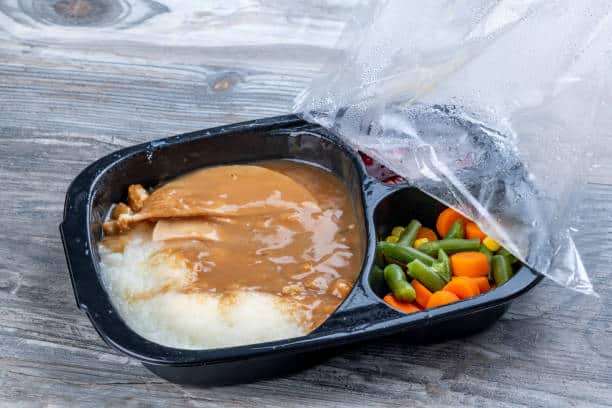
Many frozen meals seem like a quick and easy option, but they often contain too much salt and preservatives. These ingredients can raise your blood pressure and aren’t good for your overall health.
Frozen dinners also tend to be low in vegetables and fiber, which are important for good digestion. Instead of buying pre-made frozen meals, try making your own. Cook larger batches of healthy meals and freeze individual portions.
This way, you’ll have quick options on hand that are much better for your health. You can control the ingredients and make sure you’re getting plenty of vegetables and lean proteins.
Energy Drinks
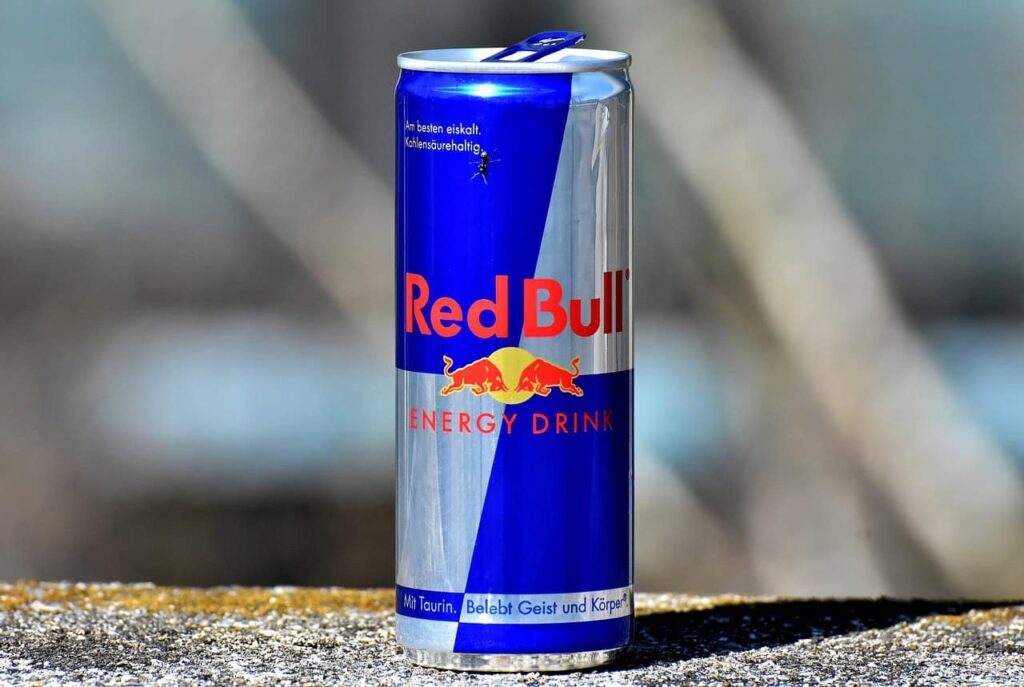
Energy drinks may give a fast lift, but they can harm older adults. These drinks pack lots of caffeine and sugar, which raise heart rate and blood pressure.
This poses big risks if you have heart issues or high blood pressure. For a natural pick-me-up, drink water or herbal tea. You can blend a smoothie with fruits and vegetables.
These choices hydrate you and add nutrients without energy drink dangers. If you feel tired a lot, ask your doctor about safe ways to boost energy.
Cured Meats
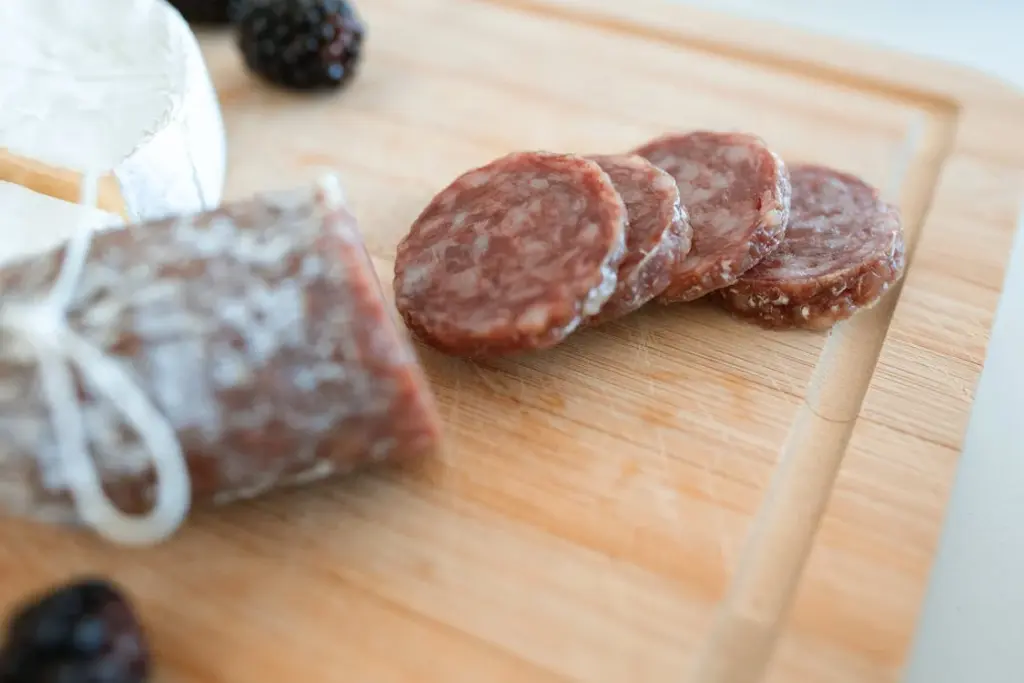
Salami, prosciutto, and other cured meats might taste good on a sandwich, but they’re not the best choice for your health. Like processed meats, cured meats are high in salt and often contain chemicals used in the curing process.
Eating too much of these meats can increase your risk of high blood pressure and certain types of cancer. Instead of cured meats, choose fresh, lean meats for your sandwiches and snacks.
Turkey, chicken, or tuna are good options. You can also try plant-based proteins like hummus or avocado for a healthy and tasty sandwich filling.
If you like what you are reading, then click like and subscribe to my newsletter. We share tips to waste less time and money.
Butter and Lard
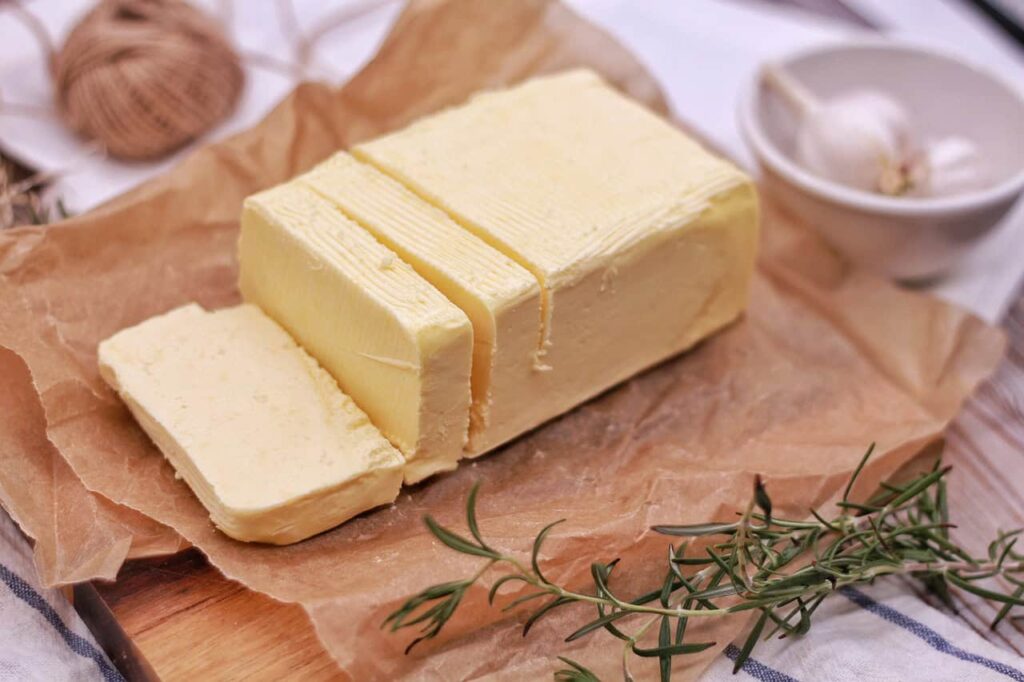
Butter and lard stay kitchen basics for years, but they hold lots of saturated fats. These fats lift your cholesterol and raise heart disease risk.
Age brings more need to guard heart health. Skip butter or lard. Use better fats for cooking. Pick olive oil, avocado oil, or nut butters.
They give food taste with good fats that help your heart. Use them to cook, bake, or spread on toast.
Eating Smart for a Healthier You

Picking smart foods after 70 does not mean you must drop all your favorites. It means picking better picks that keep you healthy and strong. Know that each person has different needs.
If health issues worry you, speak with your doctor or a dietitian. They can build a meal plan that fits you. With good food picks, you can like your meals and care for your health at the same time.
Start small, stay steady, and see how good eating can boost your life!
If you like what you just read, then subscribe to my newsletter.