30 Foods You Should Never Refrigerate (And the Reasons Why)


The fridge keeps food fresh and saves it from going bad, but some everyday items lose taste and get worse in there. Many put groceries in the fridge and cut their life short or ruin the flavor with foods that do best at room temperature.
Tomatoes, a top pick in America, turn bland and soft in the fridge and lose that juicy crunch you want. Cold storage speeds up spoilage or changes texture for some foods, so you throw out more.
Why does bread go stale fast or potatoes get a weird sweet taste after fridge time? Bad storage causes it.
This article lists 30 foods to keep out of the fridge and tells why they do better elsewhere.
Ready to check your kitchen habits? Let’s start!
Apples

Apples do not need the fridge at first. In the fridge, they last longer, but cold can harm their crispness after some time. If you will eat your apples in a week or two, keep them at room temperature to save their juiciness and crunch.
For longer keeping, the fridge works, but their taste may fade. To keep them fresh longer without losing much natural taste, put them in a cool, dry spot like a pantry.
Cucumbers

Cucumbers are quite sensitive to cold temperatures. When stored in the fridge, cucumbers can develop watery spots and become slimy, losing their fresh, crisp texture. The cold also speeds up the decay process, causing cucumbers to spoil faster than they would at room temperature.
To maintain their crunch, store cucumbers in a cool spot away from direct sunlight but not in the fridge. They’ll stay fresh for several days on the counter, retaining their natural flavor and texture.
If you need to store them for a longer period, consider wrapping them in a paper towel to reduce moisture buildup before refrigerating.
Winter Squash
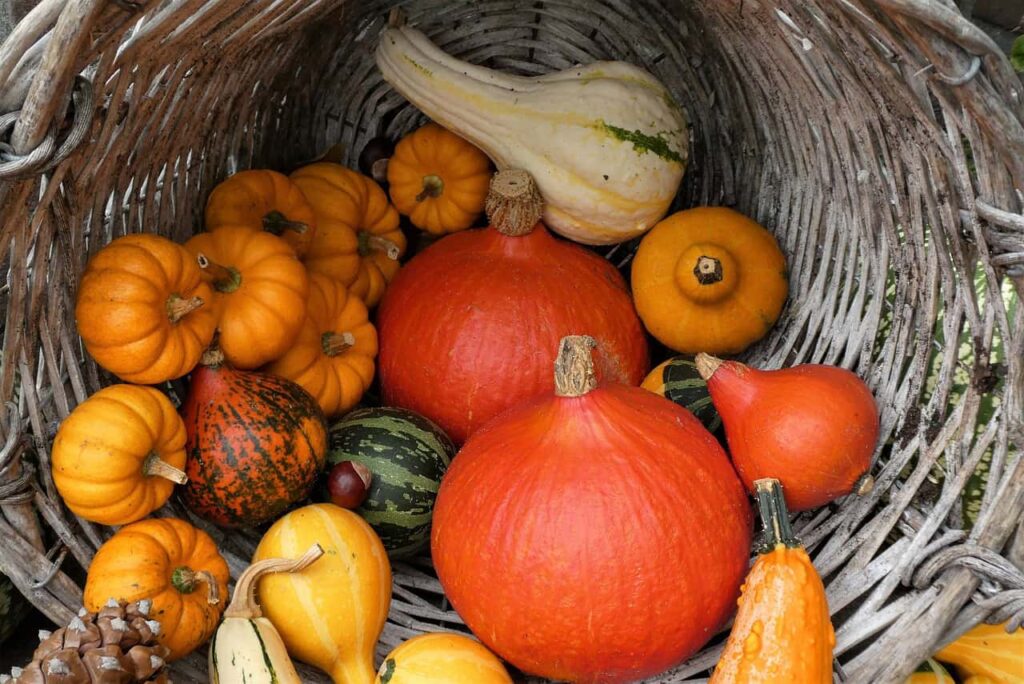
Winter squash types like butternut, acorn, and spaghetti squash last for months at room temperature. Fridge cold makes the flesh soft and unappetizing.
These squashes have thick skins that guard them, so store them in a cool, dry spot without the fridge. Keep winter squash in the pantry to save their firm texture and sweet, nutty taste.
Refrigeration looks good for keeping them fresh, but these tough vegetables do not need it and it cuts their shelf life.
 If you like what you are reading, then click like and subscribe to my newsletter. We share tips to waste less time and money.
Berries (Short Term)

Berries are delicate and do benefit from refrigeration if you plan to store them for more than a couple of days. But if you’re going to eat them within a day or two, leaving them out at room temperature allows them to retain their flavor and natural texture.
Refrigerating them too early can cause them to become mushy and flavorless. If you refrigerate berries, make sure to store them in a breathable container and avoid washing them until just before eating to prevent excess moisture, which speeds up spoilage.
A short stint on the counter can help bring out their full flavor.
Citrus Fruits

Citrus fruits like oranges, lemons, and limes can be stored at room temperature for a few weeks. The cool environment of the fridge can cause the skin to harden and lose moisture, which diminishes their juicy interior. Also, the cold temperature slows down the natural ripening process, affecting the flavor of citrus fruits.
To keep citrus fruits juicy and flavorful, it’s best to store them on the counter where they can last up to two weeks. If you want to extend their life beyond that, refrigerating them is fine but expect a change in the texture of the peel over time.
Hot Sauce

Hot sauce has vinegar and other preservatives that keep it fresh without the fridge. Put hot sauce in the fridge and the flavors get dull, mainly for vinegar-based types that do best at room temperature.
Keep it in a cool, dark pantry to hold its strong taste. Most hot sauces do not need the fridge unless you like it cold. Room temperature works fine for months and keeps the sauce’s real heat and spice.
Pickles
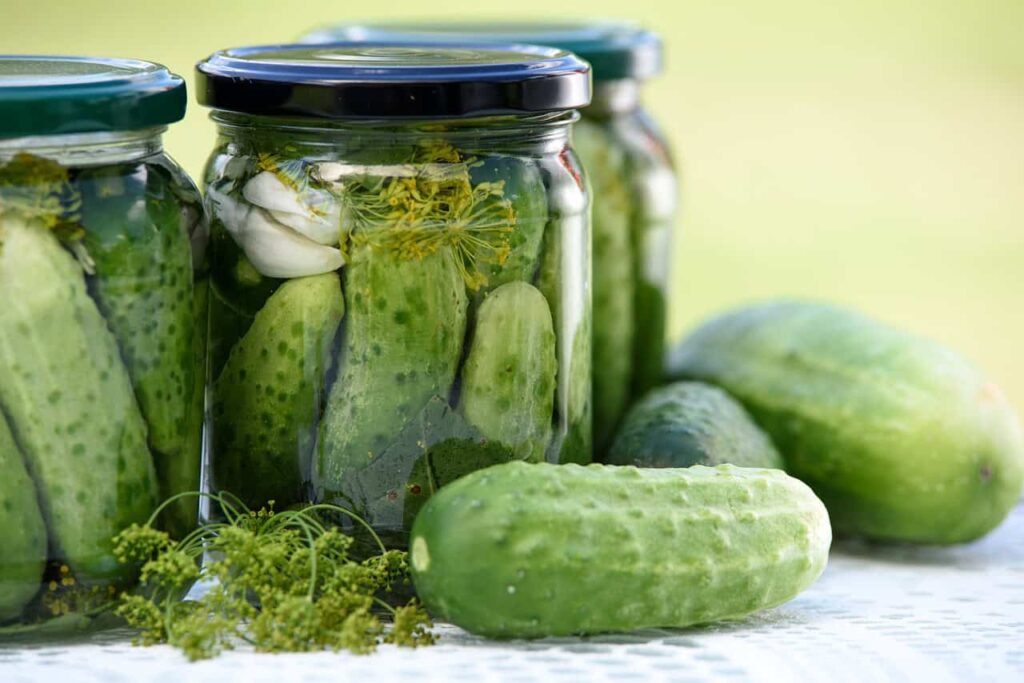
Pickles are already preserved in brine, which makes refrigeration unnecessary for keeping them fresh. The vinegar and salt in the brine act as natural preservatives, allowing pickles to maintain their crunch and flavor for extended periods at room temperature.
Though some people prefer the taste of cold pickles. If that’s the case, refrigerating them is fine but not required for freshness. Either way, pickles will last a long time even if kept in the pantry or the fridge, thanks to their natural preservatives.
Soy Sauce
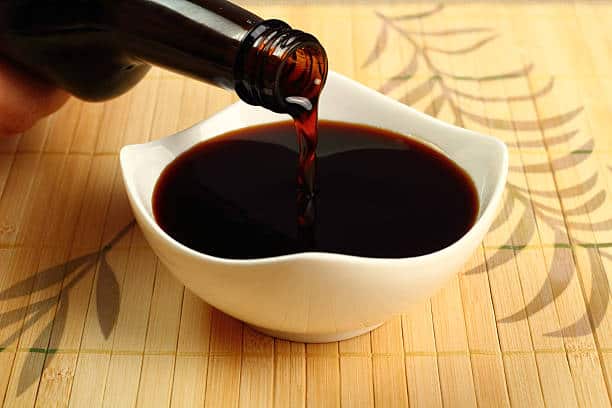
Soy sauce contains a high sodium content, which acts as a preservative. Because of this, it doesn’t need to be refrigerated to stay fresh. Storing it in the pantry at room temperature is perfectly fine, and it will maintain its rich, salty flavor for months.
Refrigerating soy sauce won’t harm it, but it’s generally unnecessary unless you prefer the condiment cold. For most people, keeping soy sauce in a cool, dark place ensures it stays flavorful and ready to use for a long time.
Dried Fruits

Dried fruits like apricots, raisins, and prunes stay good on the shelf. They do not need the fridge to keep fresh. The drying cuts out water, stops rot, and lets these fruits sit at room temp for a long time with no loss in quality.
The fridge makes dried fruits hard or too chewy. For best texture and taste, keep them in an airtight container in the pantry. This keeps their sweet taste and chew for much longer.
Ketchup

Ketchup is another condiment that doesn’t require refrigeration, thanks to its vinegar content, which acts as a natural preservative. While many people store ketchup in the fridge out of habit, it can be safely kept in the pantry without any concern for spoilage.
Keeping ketchup at room temperature maintains its smooth, pourable texture, making it easier to use. Refrigeration can thicken ketchup slightly, but it doesn’t significantly alter its flavor. The choice to refrigerate or not often comes down to personal preference.
Jams and Jellies

Like ketchup, jams and jellies contain preservatives like sugar and vinegar that allow them to be stored safely at room temperature. Refrigeration isn’t necessary, especially if you plan to consume them within a reasonable time frame.
When stored in the pantry, they maintain a spreadable consistency that can sometimes thicken in the fridge. If you prefer your jams and jellies chilled, you can certainly refrigerate them, but it’s not a requirement for food safety.
These products are shelf-stable and can last for months in the cupboard after being opened.
Herbs (Dried)

Dried herbs like oregano, thyme, and basil do not need the fridge. Cold air makes them lose flavor fast. Keep dried herbs in a cool, dark spot like a pantry or spice cabinet. This keeps light and dampness away.
Put them in airtight containers for best results. They stay strong for months that way. The fridge adds moisture that causes mold or rot. Room temperature keeps their smell and taste.
Spices

Much like dried herbs, spices such as cumin, paprika, and cinnamon are best stored outside the fridge. The cold, damp environment of a refrigerator can cause spices to clump and lose their potency. To preserve their flavor, spices should be kept in a cool, dark cupboard.
Properly stored spices can last for years, providing intense flavor to your cooking. Refrigerating them can cause unnecessary moisture buildup, leading to spoilage or degradation of their aromatic qualities.
Maple Syrup (Unopened)
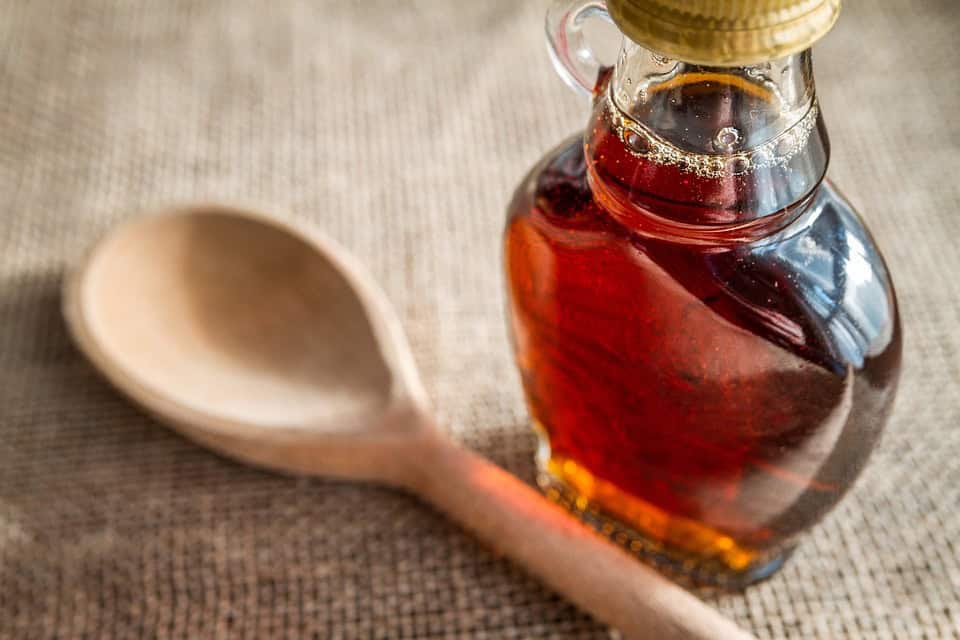
Unopened maple syrup doesn’t need to be refrigerated. The high sugar content acts as a natural preservative, allowing it to stay fresh for long periods at room temperature. Once opened, though it’s best to refrigerate maple syrup to prevent fermentation and preserve its freshness.
For unopened bottles, store maple syrup in a cool, dark place like a pantry. Once you’ve broken the seal, refrigeration is recommended, but prior to that, it can remain on the shelf without any risk of spoilage.
Vinegar

Vinegar is one of the ultimate pantry staples that never needs refrigeration. Its high acidity naturally preserves it, keeping it fresh for years without refrigeration. Even if you’re using white, apple cider, or balsamic vinegar, storing it at room temperature is completely safe.
Keeping vinegar in the pantry allows it to remain at a consistent temperature, which helps preserve its tangy flavor. There’s no need to refrigerate it since the acidity prevents bacteria from growing.
Tomatoes

Tomatoes do not like cold. Their texture turns mealy or mushy in the fridge. Cold breaks down cell walls and kills their bright flavor. If you bite into a dull, watery tomato, it sat in the fridge.
Keep tomatoes on the counter for top taste and texture. The fridge slows ripening. They miss out on natural sweetness and full flavor.
Room temperature lets them ripen more. They gain the rich taste they do best.
Potatoes

Potatoes are another staple that can suffer when exposed to cold. When refrigerated, their starches convert into sugar faster, which alters both their flavor and texture. This makes the potatoes taste oddly sweet and can lead to undesirable changes when cooking.
In addition, the cold can cause the skin to wrinkle and become rough. Store your potatoes in a cool, dark place like a pantry or cellar, where they can remain fresh and firm for a longer period. This prevents them from spoiling too quickly or developing mold.
Bread

While it might seem like a good idea to store bread in the fridge to keep it fresh, refrigeration actually speeds up the staling process. The cooler temperature causes the starches in the bread to crystallize more rapidly, making the loaf dry and crumbly.
You’ll notice that bread stored in the fridge becomes tough and unappetizing much faster than if it were stored at room temperature. The best way to keep bread fresh is to store it in a bread box or sealed bag on the counter.
If you need to keep it for longer periods, freezing is a much better option than refrigerating. Bread freezes well, but it can become slightly dry once thawed, though toasting can help restore its texture.
Garlic

Garlic is a powerful flavor enhancer, but it can lose its pungency and texture when stored in the fridge. The cold environment encourages sprouting, and it can also cause garlic to become rubbery or develop a moldy outer layer. This not only diminishes its flavor but can also lead to spoilage.
Garlic should be kept in a well-ventilated, cool area. When stored properly, whole garlic heads can last for months. Once you break a bulb, try to use it within a week or two to ensure its best quality.
Onions

Onions, like garlic, do not fare well in cold temperatures. The moisture inside the refrigerator can make onions soft and mushy, and they are prone to mold growth in such environments. The cool, humid conditions can also make them spoil much faster than they would at room temperature.
Store onions in a cool, dry place away from direct sunlight. They need good air circulation to stay fresh, so avoid keeping them in plastic bags. When stored correctly, onions can last for a couple of months without losing their flavor or firmness.
Coffee

If you love coffee, you may have heard mixed tips on storing beans. Some say the fridge keeps coffee fresh, but it harms the beans. Cold air makes beans take in moisture and smells from the fridge. This ruins the flavor.
Keep the coffee’s aroma and taste strong by using an airtight container in a cool, dark spot. Put it in the pantry. You can freeze coffee beans too, but skip the fridge.
Honey
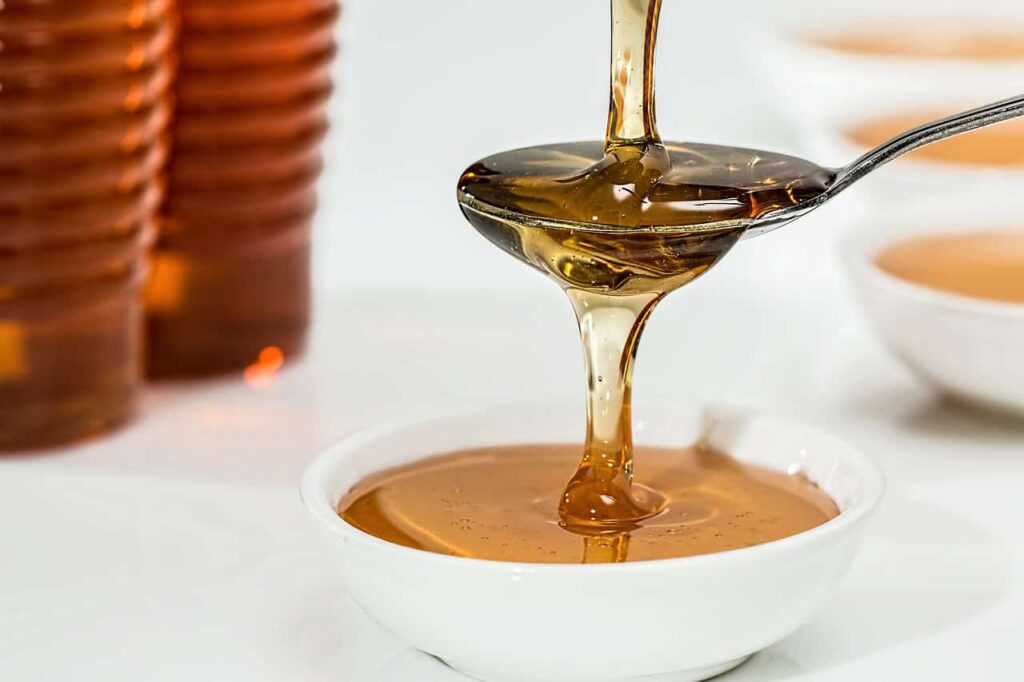
Honey is one of nature’s most incredible preservatives, and it doesn’t need refrigeration to stay fresh. In fact, keeping honey in the fridge will cause it to crystallize and harden, making it difficult to use. Its natural properties allow it to last indefinitely when stored at room temperature.
Keep honey in a tightly sealed jar in a cool place, and it will maintain its liquid consistency and flavor. If it does crystallize over time, you can simply warm the jar in a bowl of hot water to return it to its liquid state.
If you like what you are reading, then click like and subscribe to my newsletter. We share tips to waste less time and money.
Avocados

Avocados are tricky when it comes to storage, but refrigeration is not their friend unless they’re fully ripe. Cold temperatures slow down the ripening process significantly, so refrigerating an unripe avocado will leave you waiting much longer for it to soften.
For best results, store avocados at room temperature until they ripen. Once they’ve reached the desired softness, you can place them in the fridge to extend their shelf life for a few more days. This balance ensures you enjoy your avocados at their peak freshness.
Bananas
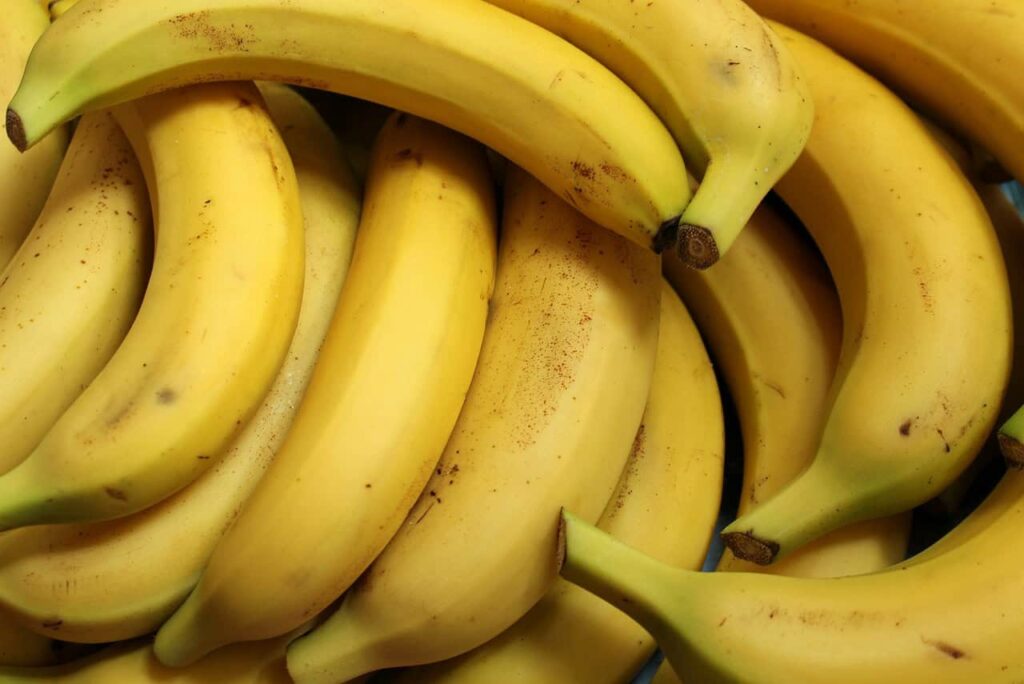
Bananas do best at room temperature. In the fridge, they blacken fast because cold stops their ripening. The inside turns mushy and loses sweetness, even if the peel seems okay.
Keep bananas on the counter to let them ripen as normal. To slow ripening once they hit your liked stage, put them in the fridge, but expect dark skins.
Melons (Whole)

Whole melons, such as watermelon, cantaloupe, and honeydew, don’t need refrigeration until they’re cut open. The cold environment can dull the flavor of melons and cause them to lose some of their juiciness. For the sweetest, most flavorful melons, keep them at room temperature until ready to eat.
Once you slice a melon, refrigerate the cut pieces to maintain freshness and prevent bacterial growth. Keep them in an airtight container to preserve their taste and texture for a few more days.
Olive Oil
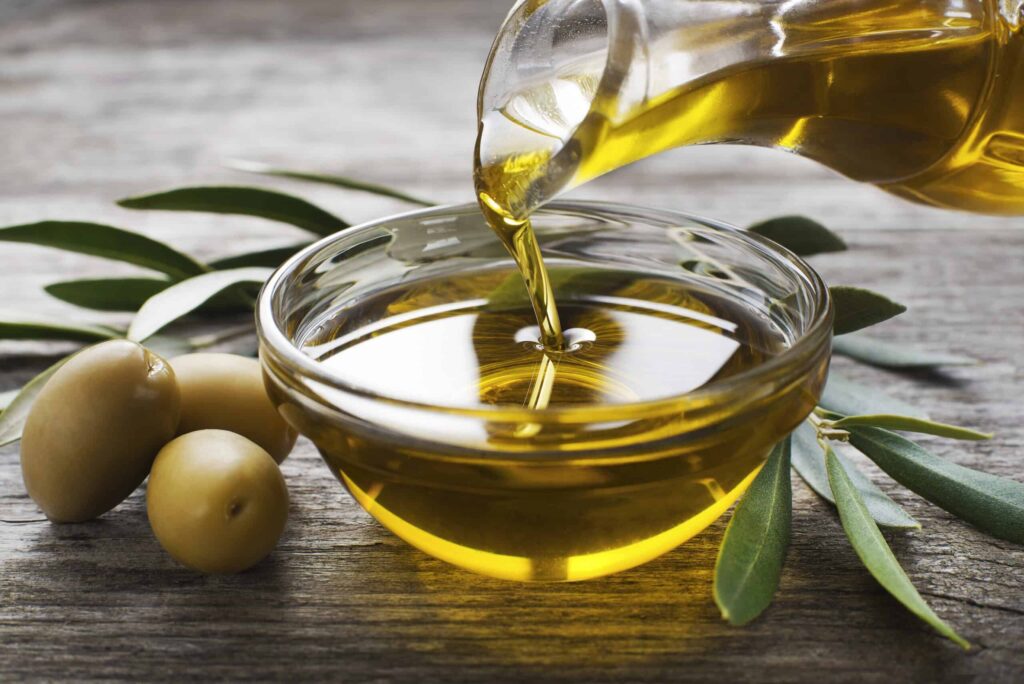
Store olive oil in a cool, dark spot, but skip the fridge. Cold makes it cloudy and solid, hard to use. This does not hurt the oil, but changes its feel until it warms up.
Keep olive oil in the pantry or cabinet for best taste and flow. It stays smooth, pours easy, and keeps its strong flavor for cooking.
Nuts

Although refrigeration can extend the shelf life of nuts, it can also cause them to absorb unwanted odors and moisture from the fridge. This can result in nuts becoming stale or losing their natural crunch.
Unless you’re dealing with an exceptionally humid environment, room temperature is a better option. Store nuts in an airtight container in a cool, dry place to maintain their freshness.
If you buy them in bulk and need to keep them for an extended period, freezing them is a more effective solution than refrigerating.
Chocolate

Chocolate works best at room temperature. The fridge can make a white coating called “sugar bloom” on chocolate. This happens when moisture touches the sugar.
It does not change the taste, but it ruins the texture. Store chocolate in a cool, dry spot to keep its flavor and texture. If it is too hot, use the fridge, but wrap it well to block moisture or smells.
Peaches and Plums
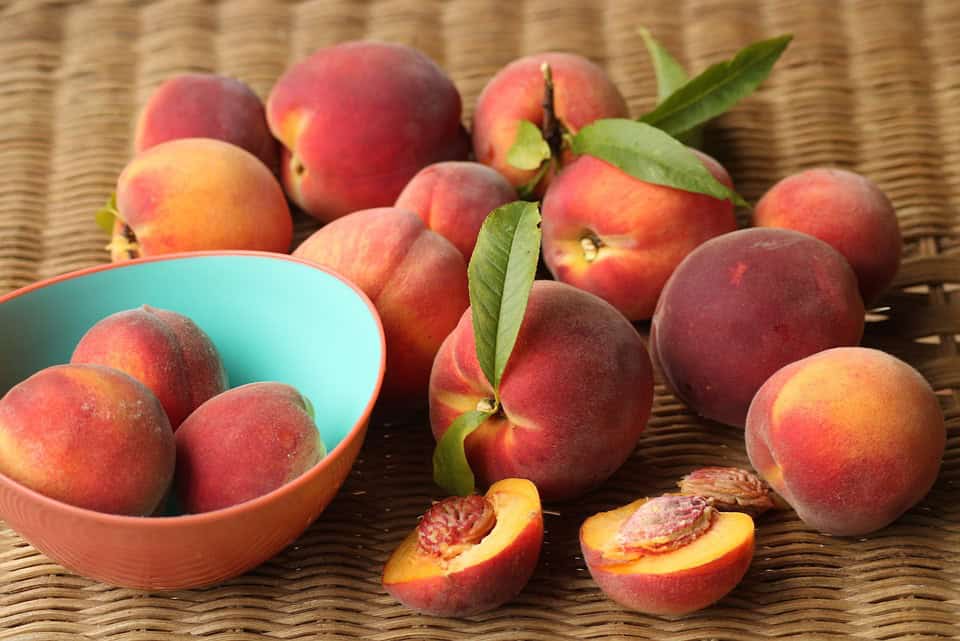
Stone fruits like peaches and plums should be kept at room temperature to ripen properly. Refrigerating these fruits before they’re fully ripe can stunt their development, leaving you with hard, flavorless fruit.
Let them sit out until they soften, then refrigerate if necessary to slow down further ripening. Once ripe, you can store them in the fridge for a few extra days, but be sure to enjoy them at their peak for the best flavor and texture.
Fresh stone fruits are naturally juicy and sweet, and refrigerating too soon can rob them of these qualities.
Peanut Butter

Peanut butter stays fresh without refrigeration. Cold makes it thick and hard to spread. Most store-bought peanut butters have preservatives. They can sit at room temperature and not spoil.
Natural peanut butter lacks preservatives. Refrigeration stops oil from separating, but stir it each time before use. For regular peanut butter, keep it in a cool, dry cupboard to save its creamy texture.
Better Storage, Less Waste
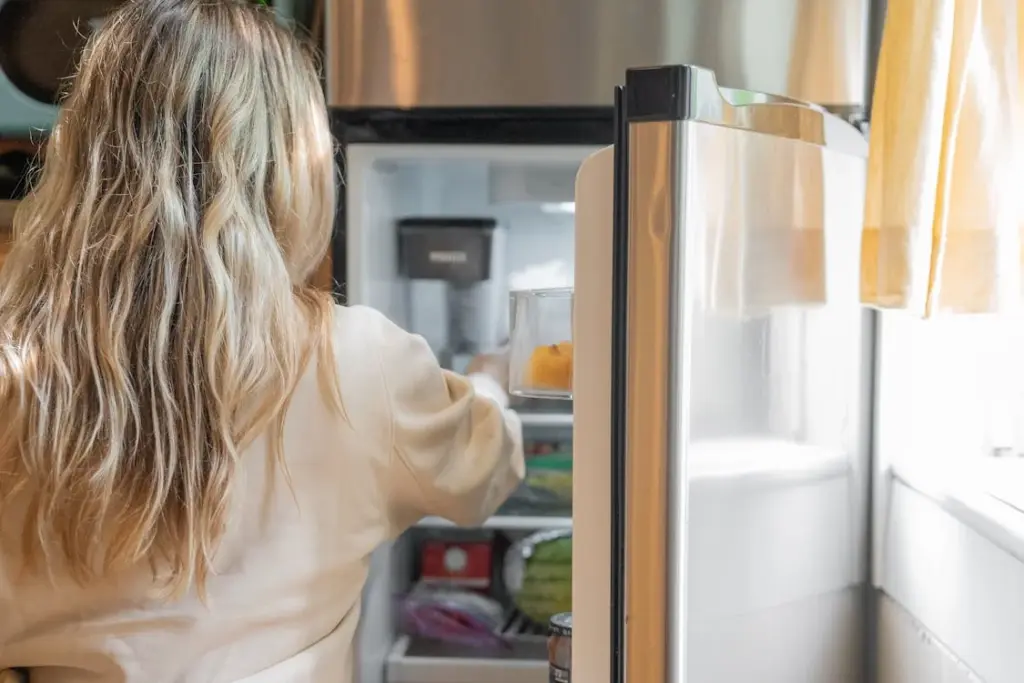
When it comes to food storage, knowing what goes in the refrigerator and what stays out can make a big difference. Keep foods like tomatoes, potatoes, and garlic at room temperature to save their flavor and texture and make them last longer.
On top of that, skip extra refrigeration to free up fridge space, cut food waste, and keep your groceries fresh longer. Use these easy tips to get more from your ingredients, make tastier meals, and save cash over time.
Try it now, your taste buds and wallet will thank you!
If you like what you just read, then subscribe to my newsletter.