30 Key Life Skills Younger Generations Are Losing


Do you recall the days when we had to fold a map the right way to get around a new city? Or when we spent hours in the kitchen, making meals with recipes handed down through generations?
It feels like just yesterday, but times have changed a lot. The world moves fast now, and the skills we once saw as key have shifted.
A recent survey showed that many young Americans feel lost in the economy. That made me think about how life skills have changed across generations.
Many skills that mattered a lot for daily life back then are now rare, due to tech and our new habits. It’s not about blame, but about seeing how our world has changed.
Let’s take a fun trip back to 30 life skills that young people might not know. Some will make you smile, and others might surprise you!
As we check this list, think of your own stories and how these skills fit into your life.
Preserving Food (Canning)

Fresh and processed foods are easy to get all year. This cuts the need to can and preserve food at home. The skill to make harvest last until winter used to matter a lot. Now it acts more like a hobby than a must-do.
Many people never tried home-canned fruits or vegetables. The know-how to store food safe for a long time is dying out. The tie to eating by season is fading too.
Tying Knots
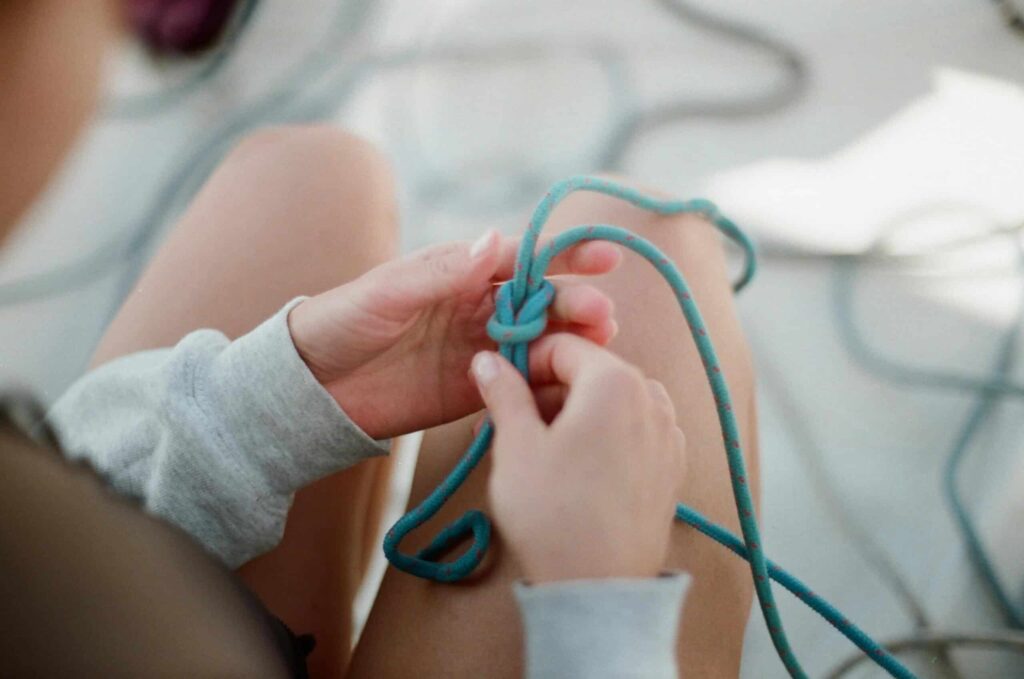
Unless you’re into sailing or rock climbing, you might not see much use for knot-tying skills these days. But there was a time when knowing how to tie a good knot was essential for various tasks.
Now, many people struggle to tie anything more complex than their shoelaces. This loss of knowledge can be surprising when you suddenly need to secure something properly.
The problem-solving skills that come with knowing the right knot for the right job are becoming less common.
 If you like what you are reading, then click like and subscribe to my newsletter. We share tips to waste less time and money.
Writing in Cursive
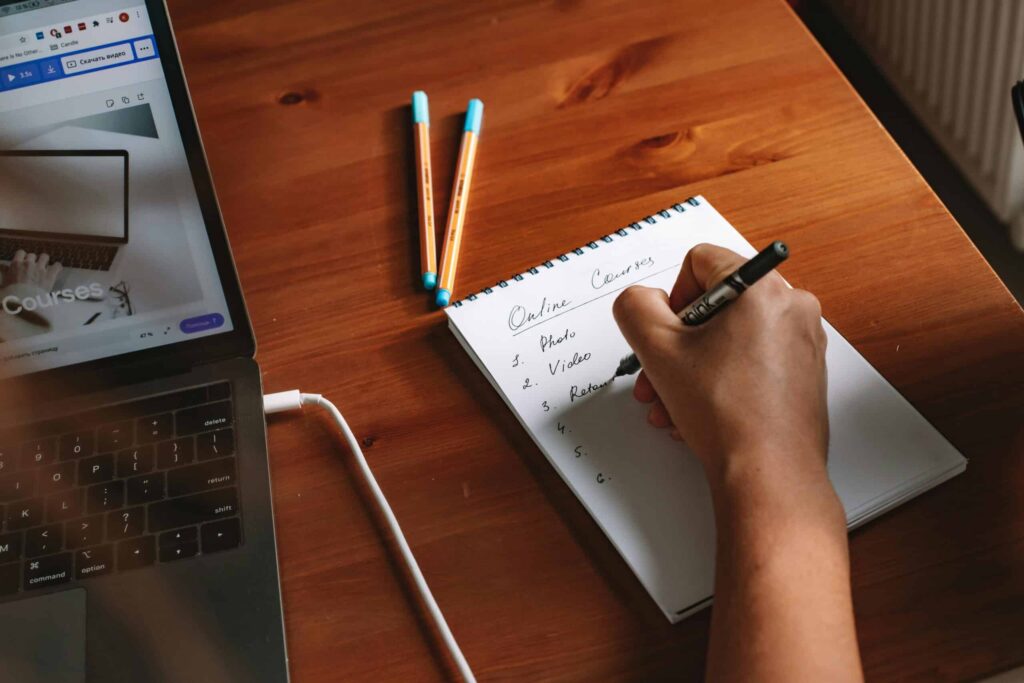
Many schools no longer teach cursive writing, leading to a decline in this once-standard form of handwriting. It’s becoming increasingly rare to see someone write in a flowing script.
This change means that many young people struggle to read historical documents or grandparents’ letters written in cursive. The art of signature is evolving, with many opting for a simple printed name instead of a distinctive cursive sign.
Ironing Clothes

Modern fabrics and casual dress codes mean we need less perfectly pressed clothes. Many young people almost never use an iron. The skill to iron different garments well, once key for a sharp look, is dying out.
This change shows new views on formal clothes and work outfits. The joy of turning a wrinkled shirt into a crisp one is now rare.
Reading an Analog Clock

Digital displays are everywhere, making it less necessary to read traditional clock faces. For some, deciphering the position of hour and minute hands is becoming a challenge.
This skill, once taught in early elementary school, is now sometimes overlooked. Many young people prefer to check the time on their phones or digital watches.
The ability to quickly glance at an analog clock and tell the time is becoming less common, changing how we perceive and manage our time throughout the day.
Proper Table Manners

Fast food culture and casual dining have changed how many people eat meals. Traditional table manners, once key in social and work settings, are now less common.
People may see skills like picking the right fork, holding utensils well, or talking nicely at dinner as old-style. But these skills matter in formal meals, business dinners, or trips to other countries.
Good table manners show respect and make meals better for all.
Handwashing Clothes

The convenience of washing machines means fewer people know how to properly handwash delicate garments. This skill, once essential for maintaining clothing, is becoming less common.
Many people today might damage delicate fabrics trying to wash them hand, not knowing the proper techniques. The art of gently cleaning clothes without harsh agitation or high heat is fading, along with the knowledge of how different fabrics behave when wet.
Whittling and Carving Wood
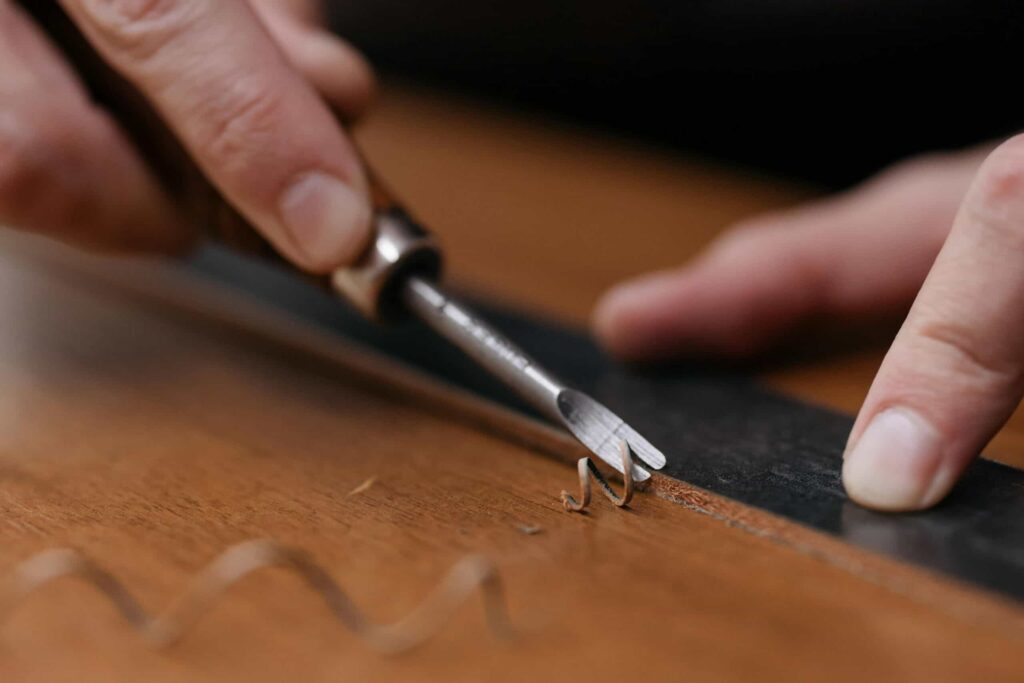
Whittling was once a common pastime and a useful skill for creating tools and art. Now, with mass-produced goods readily available, it’s rarely practiced. The patience and hand-eye coordination required for whittling are becoming rare.
Many people have never experienced the satisfaction of creating something useful or beautiful, a simple piece of wood and a knife. This loss connects to a broader disconnect with hands-on craftsmanship.
If you like what you are reading, then click like and subscribe to my newsletter. We share tips to waste less time and money.
Reading a Thermometer
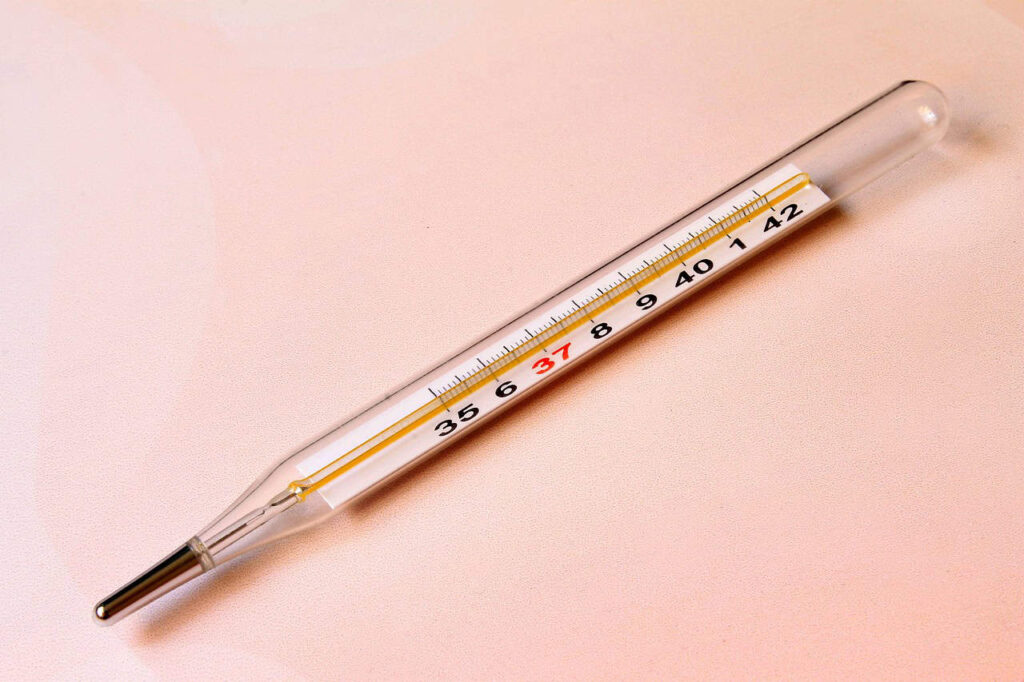
Mercury thermometers are becoming a thing of the past, replaced digital versions and weather apps. The skill of reading a traditional thermometer is less common among younger generations.
Understanding the relationship between the height of the mercury column and the temperature is no longer a universal skill. This change reflects our increasing reliance on digital interfaces for information about our environment.
Bartering and Negotiating Prices
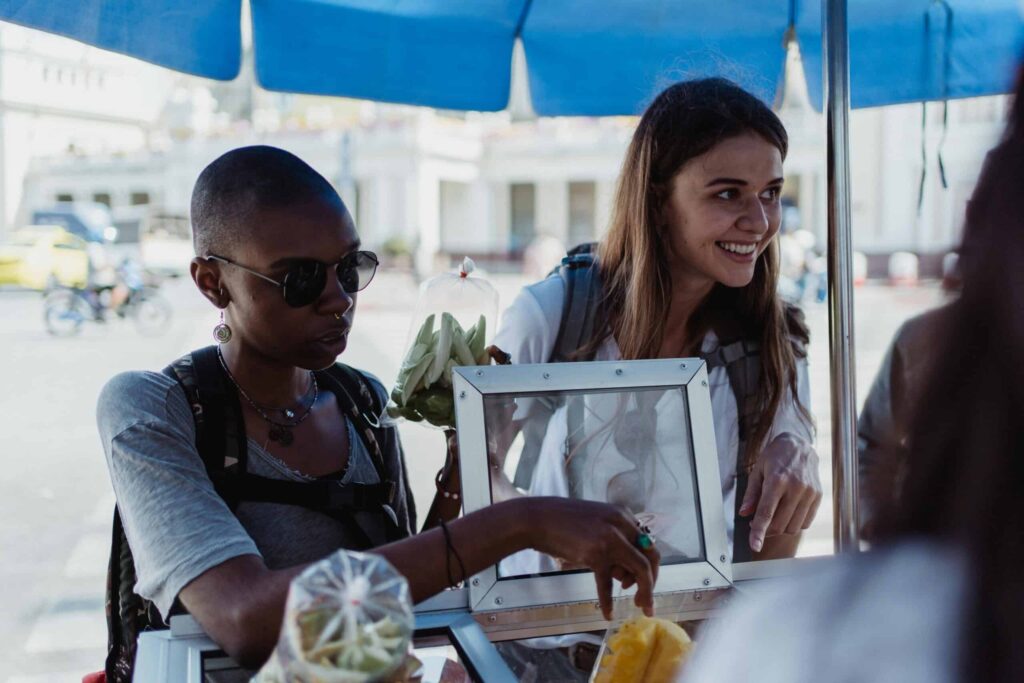
In most stores today, prices stay set. Haggling, once common in many places, now sees less use or teaching. Many people feel uneasy about asking for lower prices and lose out on savings.
This change affects not just shopping, but also how we see the worth of goods and services. Skills in talking people into deals and reaching good terms for both sides get less practice each day.
Understanding Analog Photography

Digital cameras and smartphones have made photography more accessible than ever. The process of developing film and working in a darkroom is now unfamiliar to many. The anticipation of waiting to see how your photos turned out is a rare experience now.
Many young photographers have never experienced the magic of watching an image appear on paper in a darkroom. This change represents a shift in how we capture and value images in our lives.
Handwriting Checks

Online banking and digital payments are quickly replacing paper checks. Many younger people rarely, if ever, need to write a check hand. The process of filling out the date, recipient, amount in words and numbers, and signing is becoming an uncommon skill.
This shift changes how we think about money transactions and the physicality of financial exchanges. The security measures built into check-writing are less familiar to many people now.
Knitting and Crocheting
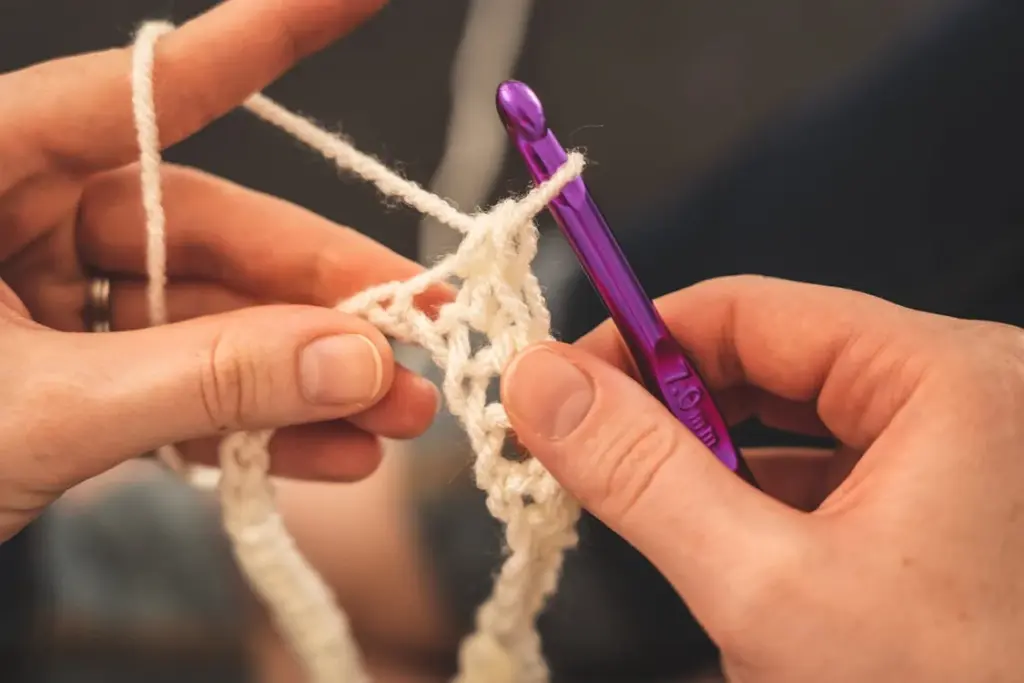
Once common hobbies and practical skills for creating clothing and household items, knitting and crocheting are now often seen as niche or retro activities. The ability to create warm, personalized garments or blankets is less widespread.
Many people have never experienced the rhythmic, meditative process of working with yarn and needles. This change reflects broader shifts in how we spend our leisure time and how we value handmade items.
Common Sense

While not exactly a skill that’s been lost, there’s a perception that reliance on technology for information and problem-solving has led to a decline in practical judgment and everyday common sense.
The ability to make sound decisions based on experience and basic logic seems less prevalent to some observers. This perceived change might be connected to our increasing reliance on digital tools and instant information access.
The skill of pausing to think through a problem before reaching for a device is becoming less common.
Basic Sewing
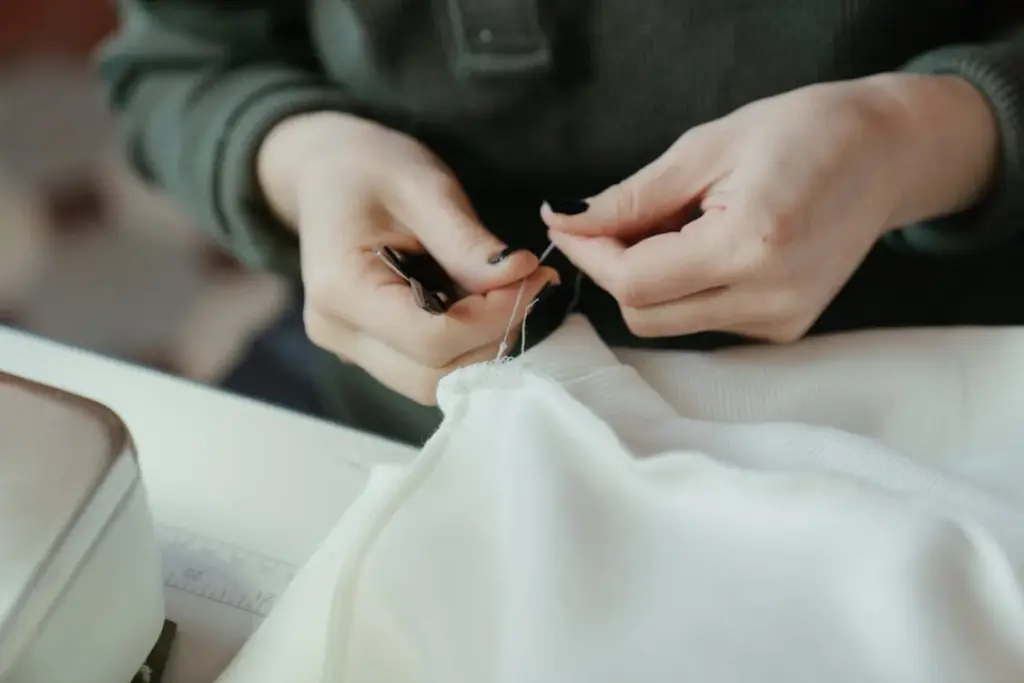
People used to fix a loose button or small tear in a shirt with a needle and thread. No need to buy a new one.
Cheap fast fashion is easy to get now. So the skill to mend clothes is fading away. Many can’t even thread a needle or sew a button or patch a hole.
This change hurts our money and feeds a throwaway habit that’s bad for the planet.
Handwriting Letters
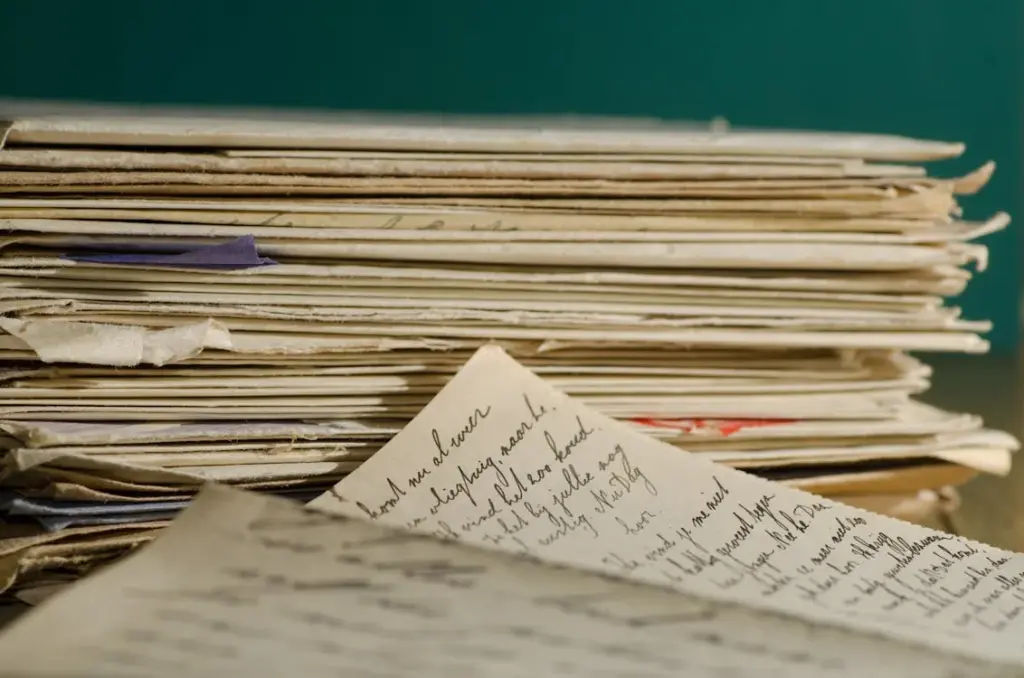
The excitement of receiving a handwritten letter in the mail is becoming a rare experience. The personal touch of seeing someone’s unique handwriting and knowing they took the time to put pen to paper is something special.
These days, emails, texts, and social media have largely replaced this thoughtful form of communication. While digital messages are quick and convenient, they often lack the warmth and personality of a handwritten note.
Many younger people might never experience the joy of opening their mailbox to find a personal letter addressed to them.
Map Reading

Before GPS and smartphone apps, we relied on good old-fashioned paper maps to get around. Unfolding a large map, finding your location, and plotting a route was a skill in itself.
Now, we just type in an address and let technology do the rest. While this makes travel easier, it also means we’re less aware of our surroundings and the bigger picture of where we’re going.
The ability to read a map and understand geographical relationships is becoming increasingly rare, especially among younger generations.
Building a Fire
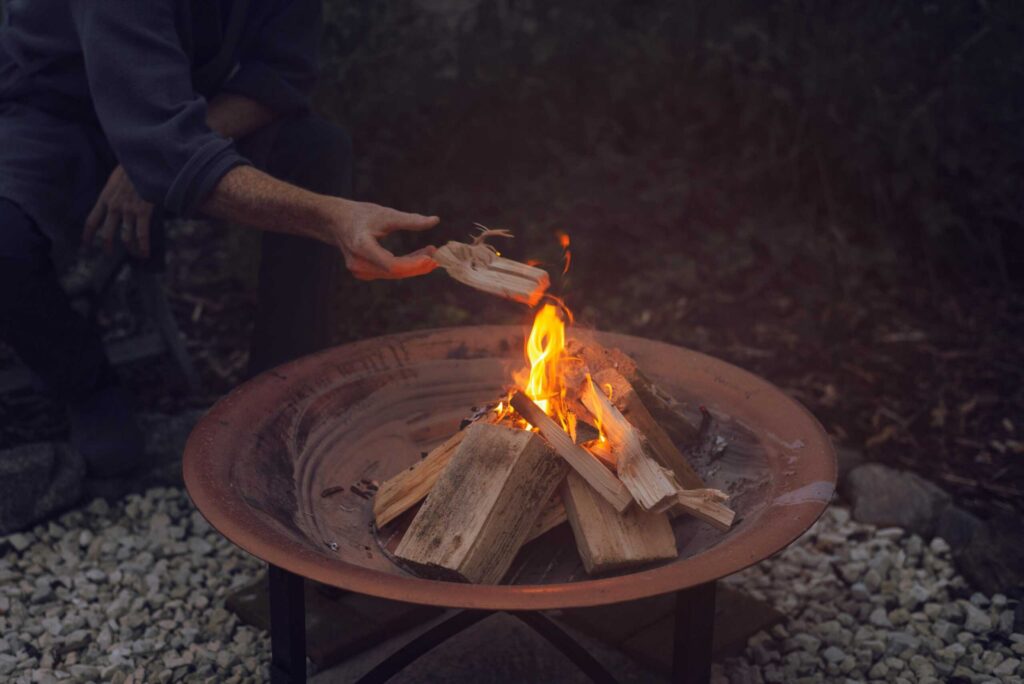
Building and keeping a fire was once a key skill for survival, to stay warm and cook food. Central heating and electric stoves make it rare to need or use today.
Many people never start a fire without matches or a lighter, much less keep it going for hours. This gap in skills cuts our link to past generations and nature. The skill can help in blackouts or on camping trips.
Basic Home Repairs
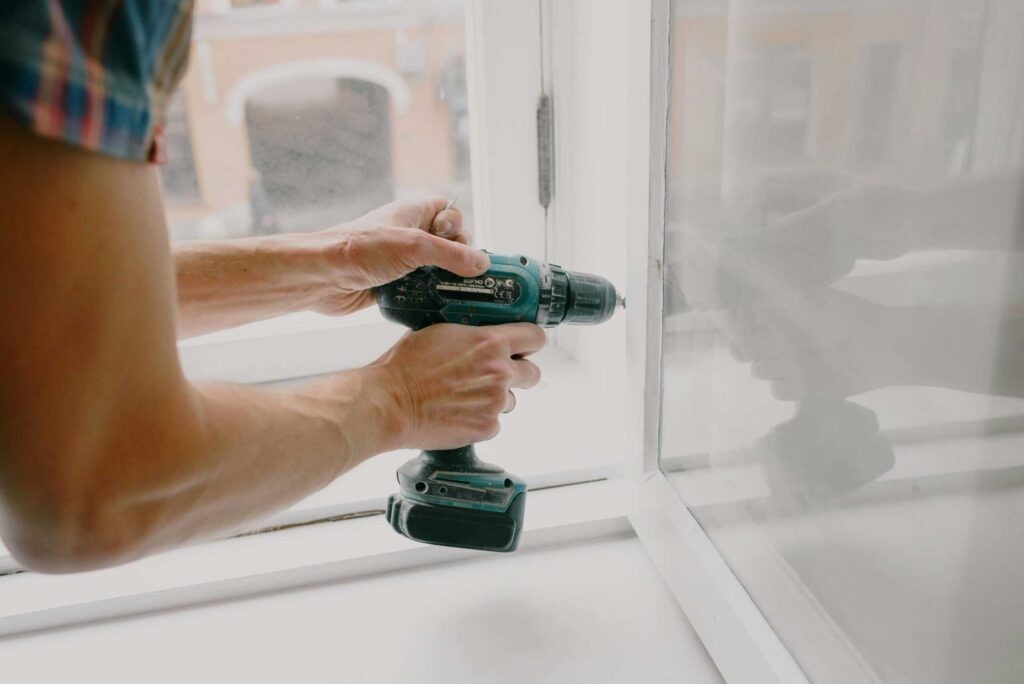
There was a time when most people could handle simple household fixes, unclogging a drain to patching a wall. Now, it’s become more common to call in a professional for even minor repairs.
This shift means we’re less self-reliant and often spend more money on home maintenance. Many younger people haven’t had the opportunity to learn these skills, either because they’re renting or because it’s easier to hire someone.
The satisfaction of fixing something yourself is becoming a rarer experience.
Cooking from Scratch

The convenience of takeout, ready meals, and food delivery apps has changed our relationship with cooking. While there’s still interest in culinary arts, the everyday practice of preparing meals from raw ingredients is less common than it once was.
Many people don’t know how to make basic sauces or soups without a recipe, let alone preserve food or bake bread. This shift impacts our health, our budgets, and our connection to the food we eat.
Financial Management

Managing money once meant physical checkbooks, paper bills, and mental math. Digital tools make some parts of financial management simpler, but they cause a drop in basic skills like balancing a checkbook or grasping interest rates.
Many people under 40 depend on apps and auto payments, which creates a gap in knowing their real financial state. The skill to budget, save, and plan ahead without digital help grows rare.
Mental Math

The ubiquity of calculators and smartphones means fewer people practice solving math problems in their heads. Quick mental calculations were once a point of pride for many! Now, even simple addition or calculating a tip often involves reaching for a device.
This reliance on technology for basic math can make us less confident in our own abilities and slower to spot numerical errors or inconsistencies in our daily lives.
Shopping in Stores

Online shopping has revolutionized how we buy things. While convenient, it’s led to a decline in skills associated with in-store shopping, like comparing prices, reading labels, and interacting with salespeople.
The art of finding the best deal or negotiating a price is fading. Many younger people feel more comfortable clicking a button than navigating a physical store or talking to a shop assistant.
This shift changes not just how we shop, but also how we interact with our local communities.
Using a Compass

Once an essential tool for hikers and explorers, the compass has largely been replaced by GPS technology. The skill of orienting oneself using magnetic north is becoming increasingly rare.
Few people today can use a compass to find their way in unfamiliar territory. This change means we’re more reliant on technology and potentially less prepared for situations where our devices might fail us.
The connection between ourselves and our physical environment becomes a bit more distant.
If you like what you are reading, then click like and subscribe to my newsletter. We share tips to waste less time and money.
Remembering Phone Numbers
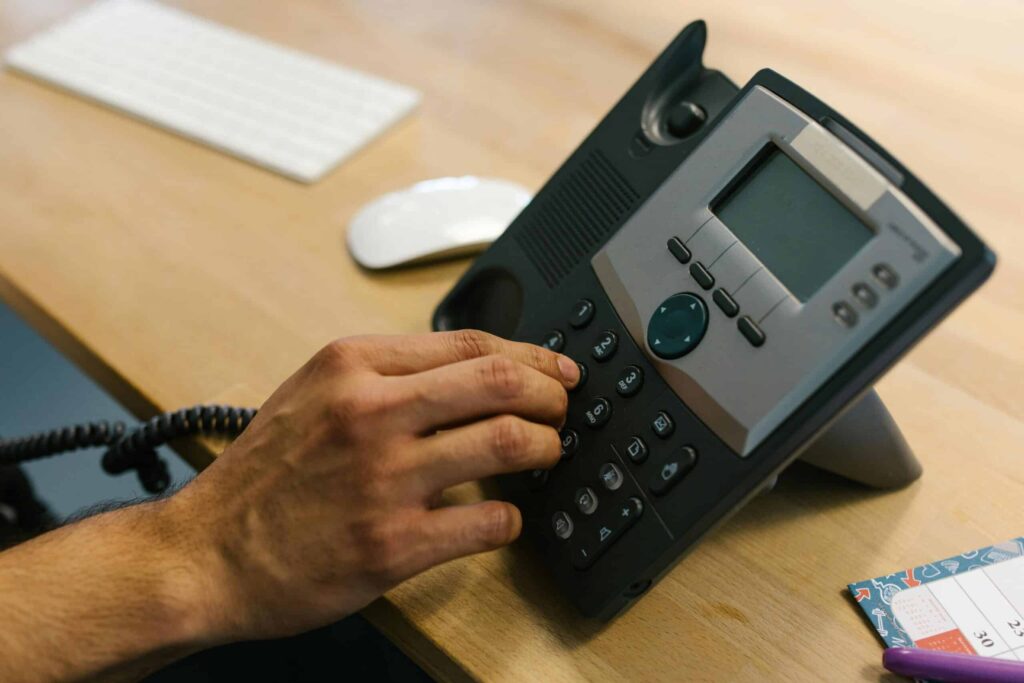
Think about how many phone numbers you can say from memory. You can name far fewer now than 20 years back. Smartphones save all our contacts, so the need to learn numbers by heart is gone.
This shift hits more than our memory alone. It leaves us stuck if our phone dies or is lost. Most people today can’t recall their own number, much less those of close friends and family.
Changing a Tire

Changing a flat tire used to be a basic car maintenance skill that most drivers knew. Now, with roadside assistance services and more complex car designs, it’s a skill that fewer people possess.
This shift means we’re more dependent on others when car troubles strike. Many young drivers have never even seen a spare tire, much less know how to use one.
The independence and self-reliance that come with knowing how to handle common car issues are becoming less common.
Proper Grammar and Punctuation
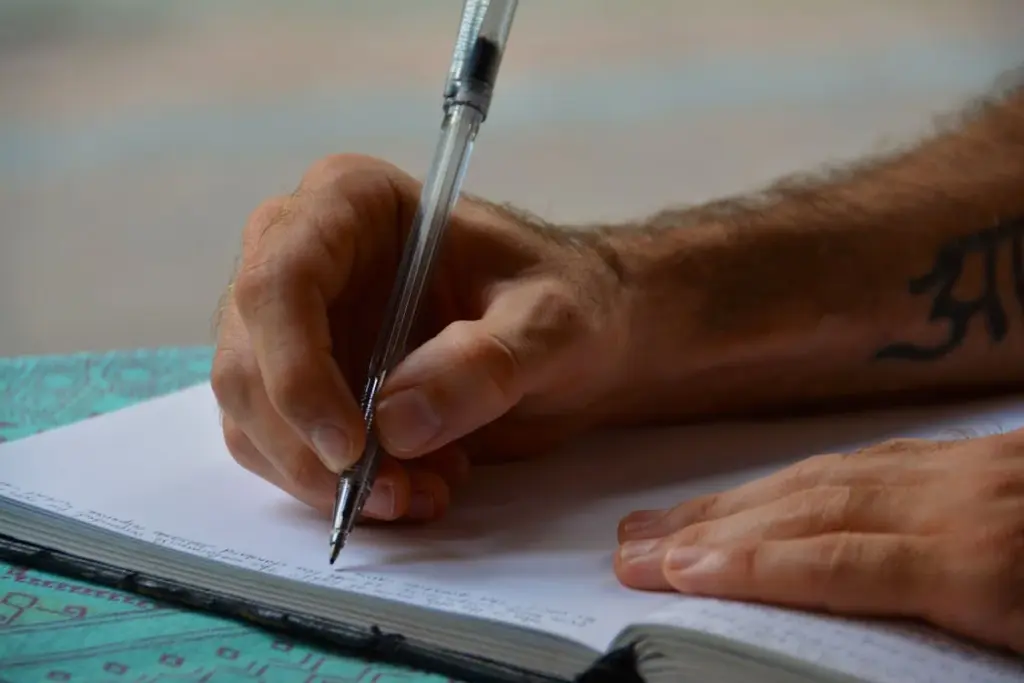
The casual nature of texting and social media has led to a more relaxed approach to grammar and punctuation. While language naturally evolves, some worry about the loss of formal writing skills.
Many people struggle with composing a professional email or letter without relying on autocorrect or grammar-checking software. This change can impact how we communicate in professional settings and our ability to express complex ideas clearly.
Gardening and Growing Food

Urbanization and the availability of convenience foods have reduced the practice of home gardening. The satisfaction of growing your own vegetables is something many younger people have never experienced.
This disconnect between us and our food sources means we’re less aware of seasonal changes and the effort required to produce what we eat. The skills of planting, nurturing, and harvesting plants are becoming less common, especially in urban areas.
Locating a Library Book

Recall the Dewey Decimal System? E-books and online tools make skills for using a physical library less common now. Many people today would find it hard to locate a specific book in a big library without digital help.
This shift affects not just how we get information, but also our joy in finding new knowledge by scanning physical shelves.
Using a Dictionary

Physical dictionaries were once a staple in every home and classroom. Now, with instant access to digital dictionaries and autocorrect features, flipping through pages to find a word’s meaning is becoming a thing of the past.
This shift means we might miss out on the serendipitous discovery of new words while looking up another. The patience and curiosity required to use a physical dictionary are becoming rare qualities.
The Changing Face of Life Skills

This list shows that many skills we once saw as normal are now rare. Tech makes life simple and easy, but basic skills give real joy and let you stand on your own.
The point stays the same: keep tech and progress. Just see the worth in old skills too. A mix works best, new tools plus time-tested ways.
These skills link us to history and stay useful today.
If you like what you just read, then subscribe to my newsletter.