Where Medigap Is Most and Least Expensive and Why the Prices Vary So Much
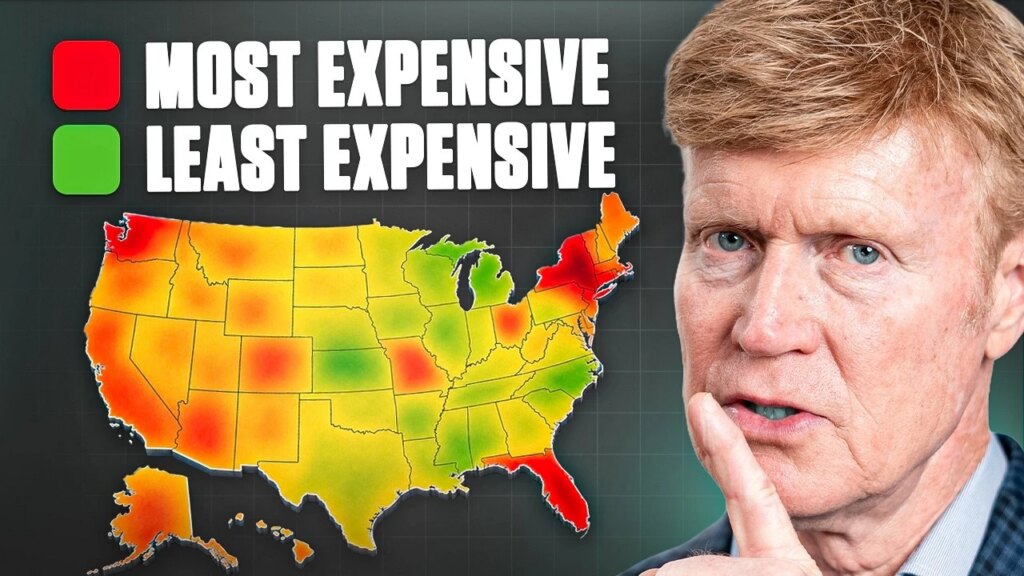
One of the least understood parts of Medicare is how much Medigap prices can vary depending on where you live.
Two people with the same age and the same plan can pay very different premiums simply because they live in different states. That is why shopping for Medigap is never just about choosing between Plan G and Plan N. It is also about understanding how your state prices coverage, and why some markets are dramatically more expensive than others.
Before looking at the states themselves, it helps to understand what drives the differences.
Medigap premiums are generally built on one of three pricing methods: community rated, issue age, and attained age. Community-rated policies charge roughly the same premium to everyone in a given area, regardless of age. Issue-age policies base the premium on the age you were when you bought the policy, and they do not rise later just because you get older. Attained-age policies usually start lower, but rise over time as you age. On top of that, insurers can still request group rate increases, which affect everyone in the pool.
That is why Medigap costs are shaped not only by coverage, but by state regulations, pricing structure, insurer competition, and the health of the insurance pool itself.
Where Medigap is most expensive
1. New York
New York is one of the most expensive Medigap markets in the country. Premiums for Plan G can run above $500 a month. The biggest reason is that New York uses community rating and gives beneficiaries broad flexibility to change plans. That flexibility is good for consumers, but it also makes insurers price more conservatively.
2. Florida
Florida is another high-cost Medigap state, with Plan G often above $300 a month. A large retiree population, heavy Medicare utilization, and long-term claims pressure all help push rates higher.
3. Washington
Washington tends to have elevated Medigap premiums as well. Community rating is again a major factor. Because younger enrollees are not getting lower age-based starting rates, premiums tend to be higher across the board.
4. California
California is also on the expensive side. Community-rated pricing keeps premiums more uniform, but it also means many beneficiaries pay more than they would in lower-cost attained-age markets.
Where Medigap is least expensive
1. Texas
Texas is often one of the more affordable Medigap states. Plan G can be around $140 and Plan N in the low $90s. The tradeoff is that many policies are attained-age, so they tend to rise over time.
2. Kansas
Kansas generally has lower Medigap rates and a manageable spread between Plan G and Plan N. It tends to reflect a healthier, more competitive insurance market.
3. Missouri
Missouri often falls in the lower-to-middle cost range. Even when community or issue-age pricing is used, premiums have often stayed more manageable than in the highest-cost states.
4. Colorado
Colorado is frequently competitive, especially for Plan N. The difference between G and N can be large enough to make Plan N especially attractive for people who want strong coverage at a lower monthly premium.
Why people still choose Medigap in expensive states
Higher premiums do not stop many people from choosing Medigap, because they are paying for a very different kind of coverage than Medicare Advantage.
Medigap buyers usually want no provider networks, no pre-authorizations, permanent renewable coverage, portability when moving, and predictable monthly costs. Many people are willing to pay more for that stability, especially if they dislike the pay-as-you-go nature of Advantage plans.
That is why the most expensive states are not automatically the worst places to buy Medigap. In many cases, the higher premium reflects rules that give consumers more flexibility or make plans easier to keep. And the least expensive states are not automatically the best, because some of those lower upfront premiums come from attained-age pricing that rises every year.
Plan G versus Plan N still matters
Plan G costs more because it covers more. It generally leaves the beneficiary responsible only for the Medicare Part B deductible. Plan N is cheaper each month, but adds some copay exposure and does not cover excess charges.
So the real decision is not only where you live. It is also how much monthly premium you want to lock in versus how much variable cost you are willing to accept later.
The larger lesson is simple: Medigap prices are not random. They reflect state laws, insurer pricing methods, market competition, and the kind of flexibility consumers have in that market.
That means the smarter question is not just, “What does Plan G cost where I live?” It is, “Why does it cost that much, and how is that premium likely to behave over time?”
Because with Medigap, the monthly premium is only the beginning. The real value is in how predictable, portable, and permanent the coverage remains once you need it most.