Hyundai’s Robot Future May Be Closer Than You Think
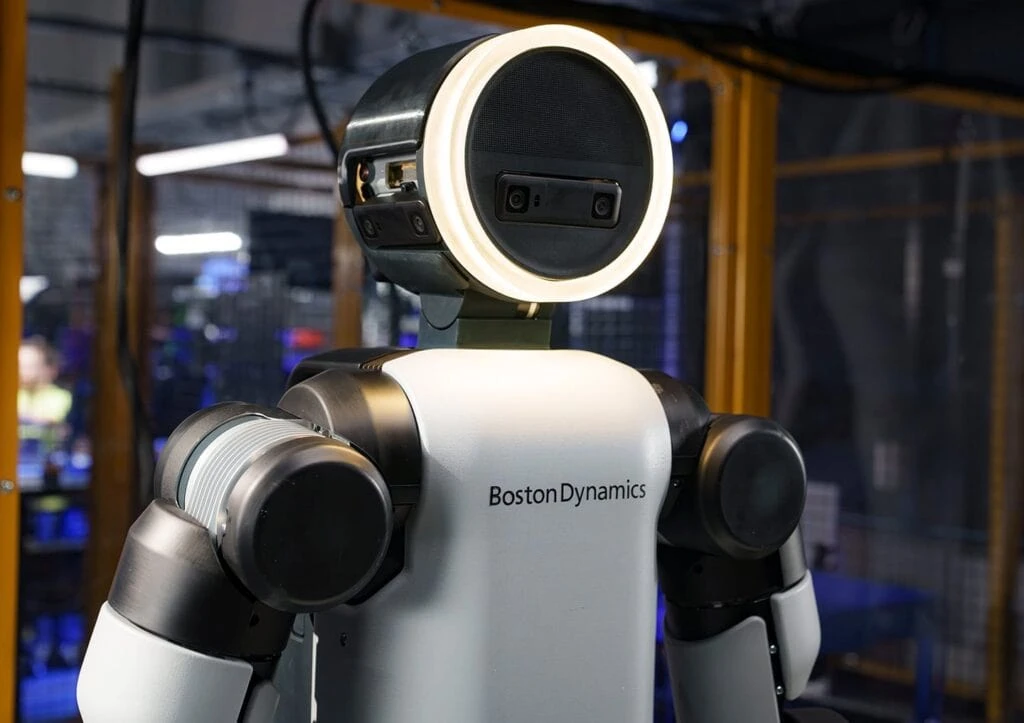
Hyundai may be best known in America for cars, SUVs, and electric vehicles, but the company’s next major move may not have four wheels at all it may be a Robot
According to Reuters, Hyundai Motor Group is reportedly preparing to buy SoftBank’s remaining 9.65 percent stake in Boston Dynamics for $325 million.
If approved, the deal would make the Massachusetts robotics company a wholly owned Hyundai subsidiary. That is not just an ownership shuffle. It is a signal that Hyundai sees robotics as part of the same future as vehicles and factories.
You may also like: Hyundai’s $26B U.S. Investment: New EVs, Hybrids and What It Means for You
Hyundai Boston Dynamics Deal Could Tighten Control
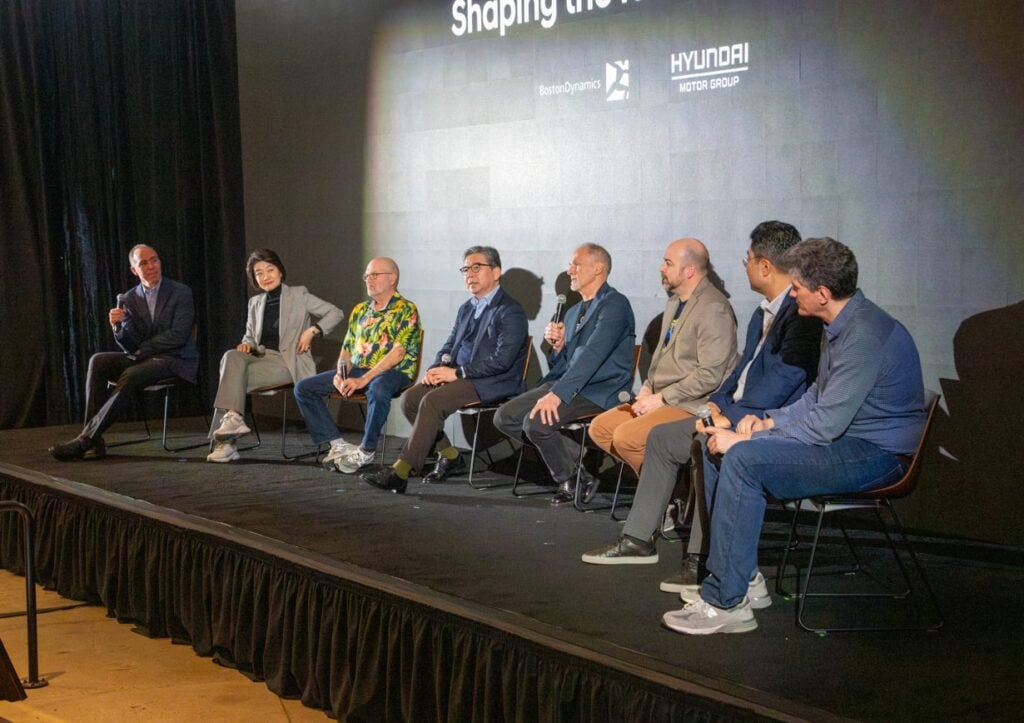
The reported transaction is expected to go before Hyundai’s board on June 22, according to a Reuters report, which cited South Korea’s Maeil Business Newspaper. Hyundai Motor Group and its affiliates already own just over 90 percent of Boston Dynamics, including holdings connected to Hyundai Motor, Kia, Hyundai Mobis, Hyundai Glovis and Executive Chair Euisun Chung.
That makes the proposed purchase less of a surprise takeover and more of a consolidation. Full ownership could make the structure cleaner as Boston Dynamics moves from spectacular demonstrations to real industrial deployment.
Boston Dynamics is famous for robots that make the internet stop scrolling, but Hyundai appears to be tightening its grip on a serious industrial technology business.
You may also like: Tesla Ditches Model S and X for Robots: Are Car Companies Becoming Robot Giants?
Why Atlas Matters Beyond The Factory
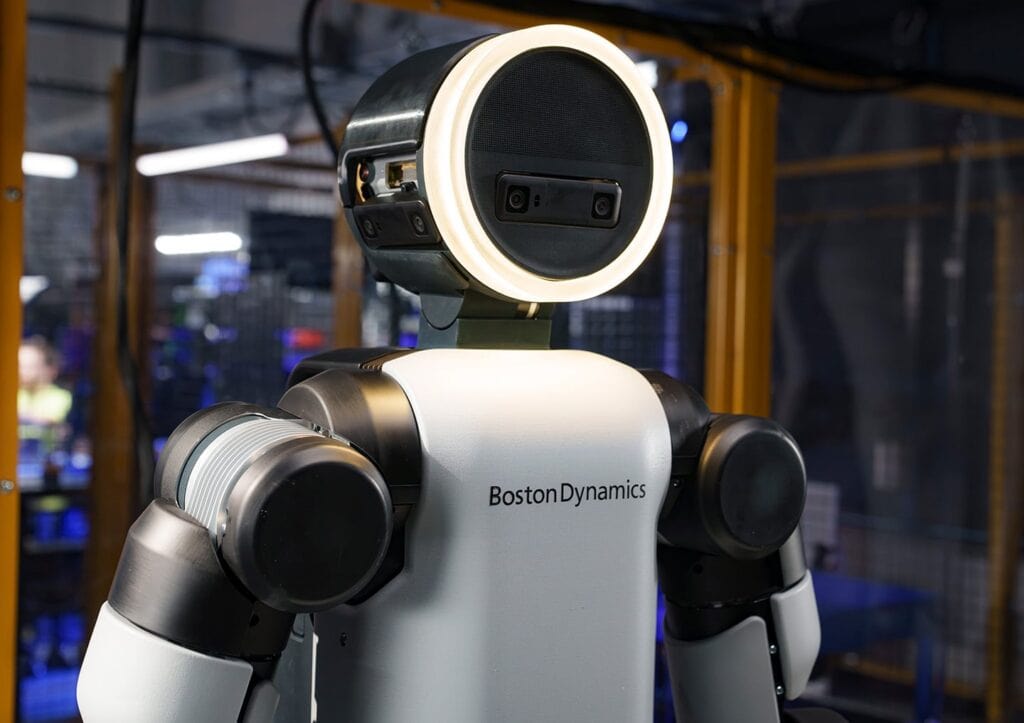
The center of that shift is Atlas, Boston Dynamics’ humanoid robot. Hyundai and Boston Dynamics have positioned Atlas as an enterprise tool designed for industrial work, material handling and factory environments.
Boston Dynamics’ Atlas product page describes Atlas as an industrial humanoid with 56 degrees of freedom, tactile sensing and a 360-degree camera view. The important part is not that it looks vaguely human. It is that it can work in spaces originally designed around people.
That matters in manufacturing. Traditional automation is excellent when tasks are repetitive and the environment is predictable. But the remaining hard jobs often involve variation: parts arrive differently, workstations change and humans are still better at improvising. A capable humanoid robot could bridge that gap without forcing every factory to be rebuilt from scratch.
You may also like: Toyota’s Future Mobility Shift: Walking Chair to New Corolla

Cars Are Becoming Part Of A Bigger Mobility System
The bigger story is that Hyundai is redefining what an automaker does. The old version designed vehicles, built them, shipped them and hoped customers liked the financing offer. The new version is broader. It includes EV platforms, smart factories, logistics, robotics and artificial intelligence.
Hyundai’s AI Robotics Strategy shows how seriously the company sees physical AI inside its future manufacturing and mobility ecosystem.
That does not mean Hyundai is about to stop selling Tucsons and IONIQs so it can chase robot dogs around a lab. It means the company sees physical AI as part of the same ecosystem that will determine how future vehicles are built, moved, serviced and possibly even used.
There is also a competitive subtext. Tesla talks constantly about Optimus. Toyota has shown mobility devices that blur transportation and robotics. Hyundai’s Boston Dynamics play gives it something rivals would love to have: a robotics company with real machines and years of engineering credibility.
Still, this needs careful framing. The reported SoftBank stake purchase has not been publicly confirmed by Hyundai or SoftBank as of the Reuters report. The robot future is also not arriving evenly. Useful humanoids are difficult, expensive and still early in commercial development.
But the direction is clear. Hyundai is not treating robotics as a sideshow. It is treating it as infrastructure. If this deal goes through, Boston Dynamics becomes less of a fascinating company Hyundai owns most of and more of a core piece of what Hyundai wants to become.
The car company of the future may still build cars. It may just build the robots that build them, too.
For consumers, this may feel distant, but it is closer than it sounds. Robotics can influence how quickly vehicles are assembled, how safely factories operate, and how efficiently parts move through the supply chain. Eventually, that could affect quality, cost, and availability. Hyundai’s bet is not just about building a headline-grabbing humanoid robot. It is about controlling more of the technology stack behind future mobility. In an industry where software, batteries, and automation are becoming just as important as horsepower, owning Boston Dynamics outright could give Hyundai a sharper tool than another concept car ever could.