Medicare Advantage or Medigap? The Cheapest Plan Today Can Cost More Later
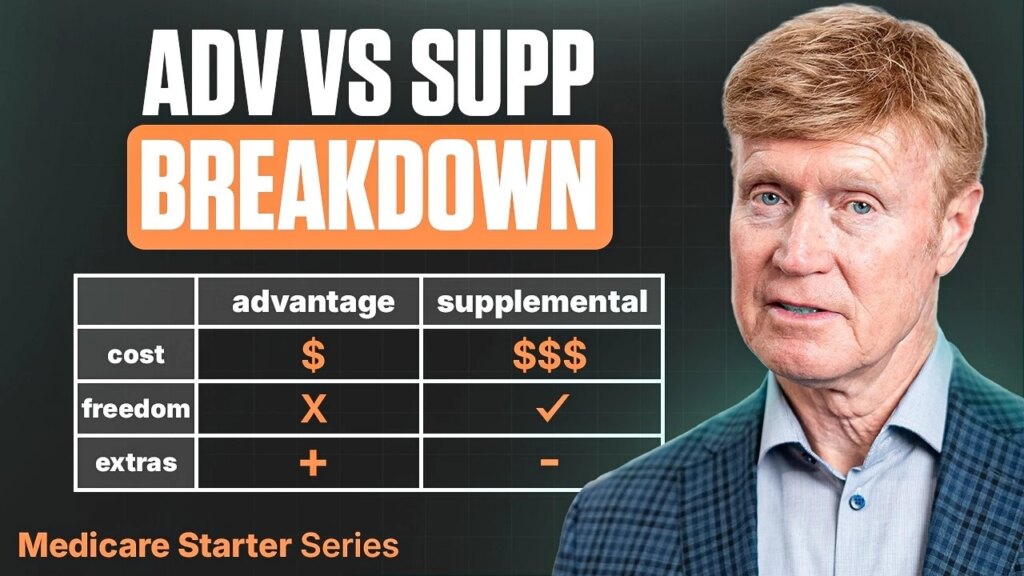
Choosing between Medicare Advantage and Original Medicare with a Medigap policy is not simply a comparison between a free plan and an expensive one. It is a decision about how much a retiree wants to pay in fixed premiums, how much financial risk to accept when care is needed and whether access to doctors should be controlled by a private plan’s network and authorization rules.
Medicare Advantage plans can be attractive because many charge little or no additional monthly premium and include prescription drugs, dental, vision or other benefits. Medigap policies generally require higher monthly premiums and separate Part D coverage, but they can make medical expenses more predictable and allow beneficiaries to use nearly any provider nationwide that accepts Original Medicare. The least expensive option during a healthy year may therefore be the more expensive one during cancer treatment, rehabilitation or repeated hospital care.
The other major difference appears later. Moving from Medigap into Medicare Advantage is usually straightforward during an eligible enrollment period. Returning to Original Medicare is also possible, but obtaining a Medigap policy afterward may require medical underwriting unless the beneficiary has a federal guaranteed-issue right or stronger protection under state law. That possibility should be considered before health problems make the choice urgent.
Medicare Advantage Changes How Medicare Benefits Are Delivered
A Medicare Advantage plan does not eliminate the requirement to have Medicare Parts A and B. The beneficiary remains enrolled in Medicare and must continue paying the Part B premium, but a private insurer approved by Medicare administers the Part A and Part B benefits. Most plans also include Part D prescription coverage and may offer benefits that Original Medicare generally does not cover, such as routine dental, vision, hearing or fitness programs.
Instead of using Original Medicare’s deductibles and 20% outpatient coinsurance structure, the plan establishes its own copayments, coinsurance, deductibles and provider rules. A member might owe a daily hospital copayment, a fixed amount for an MRI or a percentage of the cost of chemotherapy. These charges continue until the plan’s annual maximum out-of-pocket limit for covered Part A and Part B services is reached.
That annual limit is one of Medicare Advantage’s most important protections because Original Medicare by itself has no comparable comprehensive cap. The limit does not include every healthcare expense, however. Part B premiums, Part D drug spending, noncovered services and care obtained outside plan rules may not count toward it. Each plan sets its own cost-sharing structure within Medicare requirements, so two plans with zero additional premiums can expose members to very different costs during a serious illness.
Medigap Fills Original Medicare’s Cost-Sharing Gaps
Medigap works differently because it does not administer medical care or replace Original Medicare. Medicare first determines whether the service is covered and pays its share, after which the Medigap insurer pays eligible deductibles, coinsurance and other gaps according to the standardized policy selected. Beneficiaries generally purchase a separate Part D plan for outpatient prescriptions.
A Plan G policy, for example, covers most of the major cost sharing left by Original Medicare after the annual Part B deductible. Plan N offers similar protection but may require copayments for certain office and emergency-room visits and does not cover Part B excess charges. The exact premium varies by insurer, location, age, tobacco status, household discounts and the company’s pricing method.
The financial trade-off is straightforward. Medigap normally creates a larger predictable monthly expense, while Medicare Advantage shifts more of the cost into copayments and coinsurance when services are used. Someone who remains healthy may spend considerably less with Medicare Advantage. Someone who requires extensive treatment may value the stability provided by a supplement.
Networks May Matter More Than Premiums
Original Medicare does not use a conventional HMO or PPO network. A beneficiary with Medigap can generally receive covered treatment from any doctor or hospital in the United States that accepts Medicare, and the supplement follows the Original Medicare claim. This flexibility can be especially valuable for retirees who travel, live in multiple states or receive treatment at a nationally recognized medical center.
Medicare Advantage plans generally use provider networks. An HMO commonly requires members to receive nonemergency care from in-network providers and may require referrals before specialist visits. A PPO generally permits out-of-network care, but the member usually pays more and the provider must be willing to accept the plan’s terms.
Emergency and urgently needed care are covered outside a plan’s local service area under Medicare rules, but routine follow-up care can become more complicated. A snowbird may discover that a physician near the winter home is outside the network, while someone receiving ongoing specialty treatment may find that a preferred hospital is unavailable under a new plan.
Networks can also change annually. A doctor who participates this year may leave next year, and a plan may withdraw from a county or revise its contract. Beneficiaries should confirm providers directly with both the insurer and medical office rather than relying only on an online directory.
Prior Authorization Is a Major Structural Difference
Original Medicare generally does not require the beneficiary to obtain prior authorization for most covered services. The physician determines that treatment is medically necessary, provides the service and submits the claim, although Medicare still has coverage rules and can deny claims that fail to meet them.
Medicare Advantage plans typically require prior authorization for certain services, supplies, rehabilitation stays and procedures. The plan reviews the request before agreeing to cover it, which can reduce unnecessary care but can also delay treatment or create disputes between the insurer and physician.
A prior-authorization requirement does not automatically mean the service will be denied, and Original Medicare does not approve everything a doctor recommends. The practical difference is that Medicare Advantage inserts a plan review before certain care is delivered, while Original Medicare usually relies more heavily on claim review and Medicare’s national coverage standards.
This distinction becomes especially important during skilled rehabilitation, home-health care or complex treatment. Families should ask whether the plan requires authorization, how long approval lasts and what appeal rights apply before assuming that a physician’s recommendation guarantees payment.
Low Premium Does Not Mean Low Risk
Many Medicare Advantage plans advertise a zero-dollar additional premium. The member still pays the standard Part B premium, and the plan may collect copayments whenever care is used. A hospital admission, ambulance ride, outpatient surgery and rehabilitation stay can each trigger separate charges.
Those costs may remain manageable in an ordinary year. They can accumulate rapidly after cancer, stroke, heart disease or a major accident. The annual out-of-pocket limit prevents unlimited Part A and Part B cost sharing, but reaching that limit can still require thousands of dollars.
Medigap reverses the payment pattern. The beneficiary pays a monthly premium regardless of whether care is needed, but many medical costs become smaller and more predictable when illness occurs. The choice is therefore partly about risk tolerance: Pay more every month to reduce uncertainty, or pay less upfront while accepting the possibility of substantially higher costs during a difficult year.
Extra benefits should be evaluated in the same context. Dental allowances, over-the-counter credits and fitness memberships can be useful, but they should not outweigh access to oncologists, hospitals and rehabilitation facilities. A few hundred dollars of perks may be a poor exchange for a network that excludes a preferred health system.
Switching Advantage Plans Is Easier Than Securing Medigap Later
Medicare’s annual Open Enrollment Period runs from October 15 through December 7. During that period, beneficiaries can switch Medicare Advantage plans, move from Medicare Advantage to Original Medicare or move from Original Medicare into Medicare Advantage, with the new coverage generally beginning January 1.
People already enrolled in Medicare Advantage also have an additional Medicare Advantage Open Enrollment Period from January 1 through March 31. During that window, they may switch to another Medicare Advantage plan or return to Original Medicare and join a separate Part D plan. The period cannot be used by someone in Original Medicare to join Medicare Advantage for the first time.
Changing the Medicare Advantage plan itself generally does not involve medical underwriting. The complication is obtaining Medigap after returning to Original Medicare. A beneficiary may be allowed to leave Medicare Advantage but still face denial or higher Medigap premiums because the federal six-month Medigap Open Enrollment Period has already passed.
The annual Medicare enrollment periods and the Medigap enrollment rules are separate. An advertisement saying that everyone can change Medicare plans during open enrollment does not mean everyone is guaranteed the supplement they want.
The Six-Month Medigap Window Is Usually the Safest Time to Buy
Federal law provides a one-time six-month Medigap Open Enrollment Period beginning when a person is at least 65 and first enrolled in Part B. During that period, the beneficiary can purchase any Medigap policy sold in the state without being denied or charged more because of health problems.
After the window closes, federal law generally allows insurers to use medical underwriting unless the applicant qualifies for a guaranteed-issue right. The company may review diagnoses, treatments and pending procedures before deciding whether to accept the application. Some states provide broader switching rights, birthday rules or continuous protections, so state law can materially change the answer.
This is the hidden risk in beginning with Medicare Advantage solely because the premium is low. A healthy 65-year-old may assume that Medigap will always remain available as a backup. Several years later, a serious diagnosis may make the broader access and predictable costs more attractive at precisely the moment underwriting makes the policy difficult to obtain.
The 12-Month Trial Right Is Real but Narrow
Certain beneficiaries receive a federal trial right allowing them to try Medicare Advantage and return to Medigap within 12 months. One version applies when a person drops a Medigap policy to join Medicare Advantage for the first time. The beneficiary may have the right to return to the former Medigap policy if the same insurer still offers it, or to purchase certain other plans when it is unavailable.
Another trial right may apply when someone joins Medicare Advantage upon first becoming eligible for Medicare and decides within the first year to return to Original Medicare. That person may receive special rights to purchase Medigap.
The protection is not a permanent annual reset. Remaining in Medicare Advantage beyond the trial period can eliminate the federal right to obtain Medigap without underwriting, unless another guaranteed-issue event or state protection applies. Anyone using the trial right should coordinate the Medigap, Original Medicare and Part D effective dates carefully to prevent a coverage gap.
Supplemental Cash Policies Are Not Medigap
Hospital indemnity, copay protection and critical-illness policies are sometimes marketed alongside Medicare Advantage. These products may pay a fixed amount after a hospitalization, ambulance ride, cancer diagnosis, heart attack or stroke. The money can help with plan copayments, travel, household expenses or services that Medicare does not cover.
They are not Medigap policies and do not change the Medicare Advantage plan’s network, authorization or coverage decisions. A cash payment does not force an out-of-network hospital to become covered or reverse the denial of a procedure. The policies also vary in exclusions, waiting periods, benefit limits and underwriting requirements.
Claims that these policies are universally guaranteed issue, cost only $20 to $30 a month or have rates permanently locked should be treated cautiously. Availability and pricing depend on the insurer, age, location, health and policy design. Even when a policy is guaranteed renewable, the insurer may still be permitted to raise premiums for an entire class of policyholders.
These products can reduce financial exposure when chosen carefully, but they should be evaluated as separate insurance rather than presented as a complete substitute for Medigap.
Medicare Advantage Plans Are Annual Contracts
Medigap policies are generally guaranteed renewable as long as premiums are paid and the insurer remains subject to applicable law. The premium can rise, particularly as the policyholder ages or the insurer’s claims increase, but moving within the United States does not ordinarily terminate the standardized coverage. The price may change based on the new location.
Medicare Advantage plans operate through annual contracts and service areas. Benefits, copayments, formularies and networks can change each year. A plan may stop operating in a county, and a beneficiary who moves outside the service area generally receives a Special Enrollment Period to choose new coverage.
That annual structure does not make Medicare Advantage unreliable, but it requires active review. A plan selected for its hospital network or specialist access should be checked every fall rather than assumed to remain unchanged indefinitely.
The Better Choice Depends on Which Risk Matters Most
Medicare Advantage may be a strong fit for someone who wants a low monthly premium, is comfortable with a local network and values bundled drug coverage and supplemental benefits. The annual medical out-of-pocket limit provides protection that Original Medicare alone does not offer, and a well-designed local plan can provide coordinated care at a reasonable cost.
Original Medicare with Medigap may be stronger for someone who travels frequently, wants broad physician access or prefers to pay a higher predictable premium instead of facing variable copayments. It may also appeal to beneficiaries concerned about prior authorization or treatment at hospitals outside a regional plan network.
The decision should be based on total expected cost, not premium alone. Beneficiaries should review medications, physicians, hospitals, anticipated procedures, travel patterns and the maximum amount they could afford during a bad medical year. They should also investigate their state’s Medigap underwriting protections before assuming they can change strategies later.
The most important Medicare choice is not necessarily which plan costs less at 65. It is which structure will remain workable after health, finances and care needs change. Medicare Advantage offers lower upfront costs and more managed care, while Medigap offers higher premiums and greater predictability. Understanding that trade-off before enrollment is far easier than trying to correct it after a serious diagnosis.