Buying a Car? 10 Things You Must Do Before You Sign
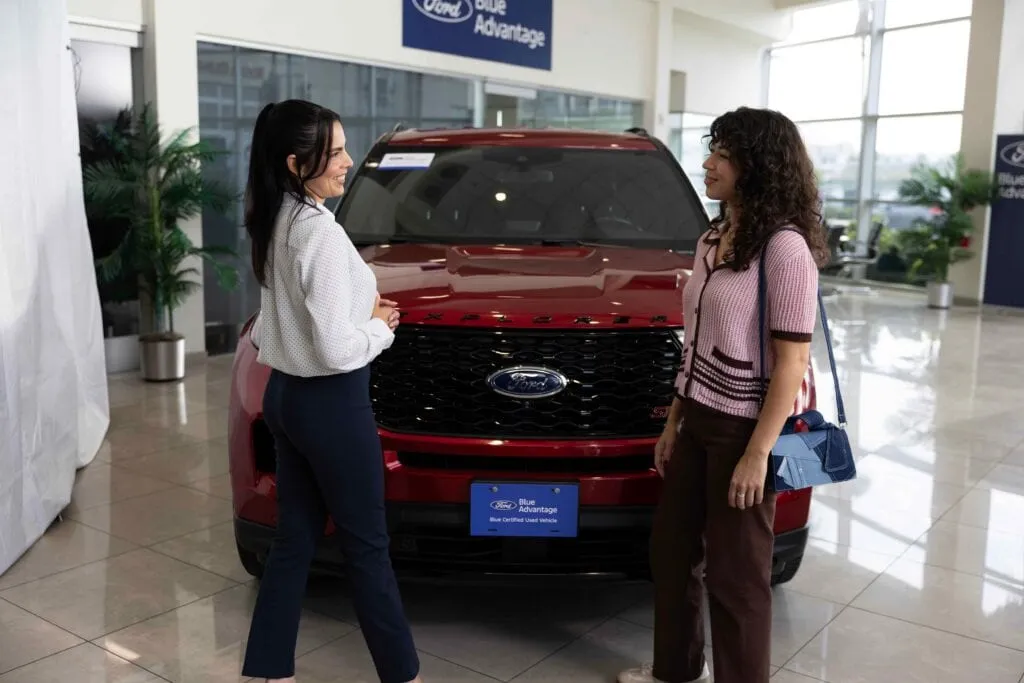
Buying a Car becomes simpler when you choose the right vehicle, compare the complete deal and judge the dealership before signing.
Buying a vehicle should feel exciting. It should not feel like entering a maze built from monthly payments, trim names and unfamiliar paperwork. The best way to keep the experience enjoyable is to make three good decisions: choose a vehicle that fits your life, understand the complete deal and select a dealership capable of supporting you after the sale.
Those decisions require more than finding the lowest advertised price. A vehicle can look inexpensive and still be the wrong size, carry an unsuitable powertrain or become costly once financing, insurance and add-ons are included. A dealership can have a polished showroom yet fall short when you need a service appointment, warranty repair or replacement part.
Preparation changes the balance. It gives a buyer useful questions, comparable numbers and permission to walk away when something does not make sense. These 10 car-buying steps turn a complicated transaction into a series of decisions that can be checked one at a time.
You may also emjoy this Video:
Start Buying a Car With a Real-World Shortlist
Begin with the work the vehicle must perform. Count the people who regularly ride with you, measure the cargo you actually carry and identify any towing, winter-driving or parking requirements. Include less glamorous realities such as a child seat, aging parent, large dog, narrow garage or daily commute, because those details will shape ownership long after the new-car smell has gone.
Separate needs from preferences before looking at inventory. All-wheel drive may be essential on an unplowed mountain road but unnecessary for a mild urban commute. A third row may matter every weekend, or it may add weight and expense to solve a seating problem that occurs twice a year. A large touchscreen may look impressive while a comfortable seat, good outward visibility and simple controls deliver more value every day.
Build a shortlist of several models and the specific trims that contain the equipment you need. Compare official NHTSA safety ratings, EPA fuel-economy estimates, warranty coverage, cargo dimensions and expected insurance costs. This is also the time to decide whether gasoline, hybrid, plug-in hybrid or electric power fits your routine rather than choosing a powertrain because it is fashionable.
Inventory matters because direct comparison is more revealing than photographs. A dealership with several models, trims and colors allows you to examine the differences in seat material, wheel size, control layout and cargo access. If the exact combination is unavailable, ask whether the dealer can locate it, trade with another store or place a factory order instead of accepting the closest vehicle simply because it is on the ground.
You may also enjoy: Buying a New SUV in 2026? Here’s How Smart Buyers Save
Customer discussing cardio with dealership salesperson courtesy of Ford
Avoid the Biggest Car-Buying Mistakes
One of the costliest mistakes is shopping only by monthly payment. A lower payment can be created with a larger down payment, a longer loan or both, even when the vehicle price and total interest cost are higher. Set a maximum out-the-door price and a comfortable monthly transportation budget before discussing loan structure.
Another mistake is arriving under an artificial deadline. A salesperson may be working toward a real incentive deadline, but your need to leave by dinner or replace a failing car by Monday can weaken your judgment. Start early, arrange transportation if necessary and give yourself enough time to compare written offers without treating one afternoon as your only chance to buy.
Do not skip insurance research. Two similarly priced vehicles can carry noticeably different premiums because of repair costs, theft rates, performance, safety equipment or the driver-assistance hardware built into their bumpers and windshields. Request quotes for the exact model and trim before signing, especially when moving into an electric vehicle, luxury brand or high-performance version.
Finally, do not confuse online research with physical proof. Reviews, configurators and comparison tools can narrow the field, but they cannot tell you whether a seat irritates your back, a roofline blocks your view or the climate controls make sense at night. The final decision still belongs in the real world.
You may also enjoy: AI Is Your New Car Buying Negotiator
Family inside a Ford SUV courtesy of Ford
Test-Drive the Exact Vehicle
Drive the same powertrain, trim and wheel size you intend to buy whenever possible. A turbocharged engine may respond differently from a base engine, an off-road package can change ride quality and larger wheels may add road noise or sharper impacts. Testing a different version and assuming the experience will transfer is an avoidable gamble.
Use a route that resembles your life. Include broken pavement, city traffic, a highway merge, a tight parking space and a hill if those conditions are part of your routine. Turn off the audio long enough to listen for wind and tire noise, then check whether you can operate the defroster, cameras, driver-assistance settings and basic audio controls without a tutorial from the passenger seat.
Bring the objects that can expose packaging problems. Install the child seat, place the mobility device in the cargo area, load the golf clubs or confirm that the dog crate fits through the opening rather than merely fitting the published cargo volume. Sit in every row, check entry and exit and make sure the driving position works for every regular driver.
For a used vehicle, the test drive is only the beginning. Review the vehicle history, check the title status, verify the identification number and arrange an independent pre-purchase inspection by a qualified technician. Search the VIN in the NHTSA recall database and confirm in writing what the dealer will repair before delivery.
You may also enjoy: The 48-Hour Test Drive Is the New Car-Buying Hack
All new Ford Expedition Tremor courtesy of Ford
Compare the Whole Deal in Writing
Ask for an itemized out-the-door price before negotiating around a monthly payment. The document should show the selling price, destination charge when applicable, taxes, registration, documentation fees, dealer-installed equipment and every optional product. The Federal Trade Commission recommends getting the out-the-door price in writing, which makes competing offers comparable and last-minute changes easier to spot.
Treat every add-on as a separate purchase. Service contracts, guaranteed asset protection, wheel-and-tire coverage, paint protection, theft products and prepaid maintenance may be useful for some owners, but none should appear without an explanation and a price. Ask whether each item is optional, who administers it, what it excludes, how claims work and whether it can be canceled.
Read the window sticker and buyer’s order together. Confirm the vehicle identification number, trim, factory equipment, agreed selling price and any promised accessories. If a verbal promise matters, such as replacing a damaged wheel or supplying a second key, place it on a signed due bill or other written agreement before taking delivery.
Budget beyond the showroom. Insurance, fuel or charging, registration, tires, scheduled maintenance and likely depreciation all affect the cost of ownership. The cheapest vehicle on the lot can become an expensive mistake if it uses more fuel, costs substantially more to insure or lacks the capability that forces you to replace it early.
You may also enjoy: Deals Didn’t Disappear. They Just Got Weird. Here’s the Fix.
All new Ford Expedition Platinum courtesy of Ford
Separate the Trade-In and Financing
Know your trade-in position before combining it with the purchase. Collect several current valuations, inspect your loan payoff and calculate whether you have equity or owe more than the vehicle is worth. The FTC explains that negative equity may be added to the next loan, meaning the old debt does not disappear and instead becomes part of the new amount financed.
Negotiate the new vehicle price, trade value, financing and optional products as separate numbers. Dealers often prefer to discuss the transaction as one package because there are several ways to reach a target payment. Keeping the components visible lets you recognize whether an apparent discount was offset by a weaker trade allowance or a longer loan.
Seek preapproval from a bank, credit union or other lender before visiting the finance office. Preapproval establishes a rate and term you can compare with dealer-arranged financing. The dealership may beat that offer through a manufacturer program or lending partner, but the Consumer Financial Protection Bureau recommends comparing financing sources using the same amount financed and loan length.
Compare annual percentage rate, term, total interest and total of payments rather than rate alone. Check whether choosing promotional financing changes your eligibility for cash incentives. Avoid stretching the term merely to make an unsuitable vehicle appear affordable, because a long loan can keep you in debt after the vehicle has lost a substantial share of its value.
You may also enjoy: Car Loans Could Get Brutally Expensive
Ford dealership maintenance department employees, looking under the hood of a Ford. Courtesy of Ford
Judge the Dealership and Its Service Department
The dealership may become part of your ownership experience for years, so evaluate it as carefully as the vehicle. Notice whether employees listen before recommending inventory, explain differences accurately and respect your time. A buyer should feel informed and unhurried, not cornered into choosing the easiest vehicle to sell.
Ask what happens when the right vehicle is not in stock. A customer-focused store should be willing to search incoming inventory, locate a vehicle through another dealer or discuss a factory order. The answer reveals whether the dealership is solving your problem or merely trying to move the metal closest to the showroom door.
Look beyond the star rating when reading reviews. Patterns matter more than one furious complaint or one breathless compliment. Pay attention to repeated comments about price changes, communication, trade appraisals, promised repairs, service scheduling and how the store responds when something goes wrong.
Visit the service department before buying. Ask about hours, typical appointment lead times, express maintenance, parts availability, warranty procedures and communication during repairs. If the vehicle must remain overnight, find out whether the store offers loaners, rentals, rides or another transportation option and whether those services are complimentary or conditional.
For buyers keeping a vehicle for many years, parts and collision support can matter as much as the original negotiation. Ask whether the dealership has factory-trained technicians for the powertrain you are considering, particularly for a diesel, hybrid, plug-in hybrid or electric vehicle. Confirm where collision repairs are performed and whether the store helps coordinate warranty, recall and insurance work.
A dealership with generations of repeat customers has usually earned that loyalty through consistent treatment rather than one spectacular advertisement. You do not have to choose the closest store, and you do not have to travel hundreds of miles for a small discount without understanding the after-sale consequences. Choose the business you would be comfortable calling when the vehicle needs help, not only the one willing to hand over the keys today.
Buying a Car becomes much more manageable when the process is divided into clear decisions. Choose a vehicle that fits the life you actually live, insist on a complete written deal and evaluate the people who will support the vehicle after it leaves the lot. If any of those three pieces feels wrong, pause before signing.
The goal is not to win a confrontation with a dealership. It is to reach an agreement in which the vehicle, price, trade, financing and ownership support all make sense when viewed together. Get those fundamentals right and buying a car can be what it should be: the beginning of a useful and enjoyable relationship with the right vehicle.