Growing Up in the 1960s vs. Today: 22 Changes in Childhood
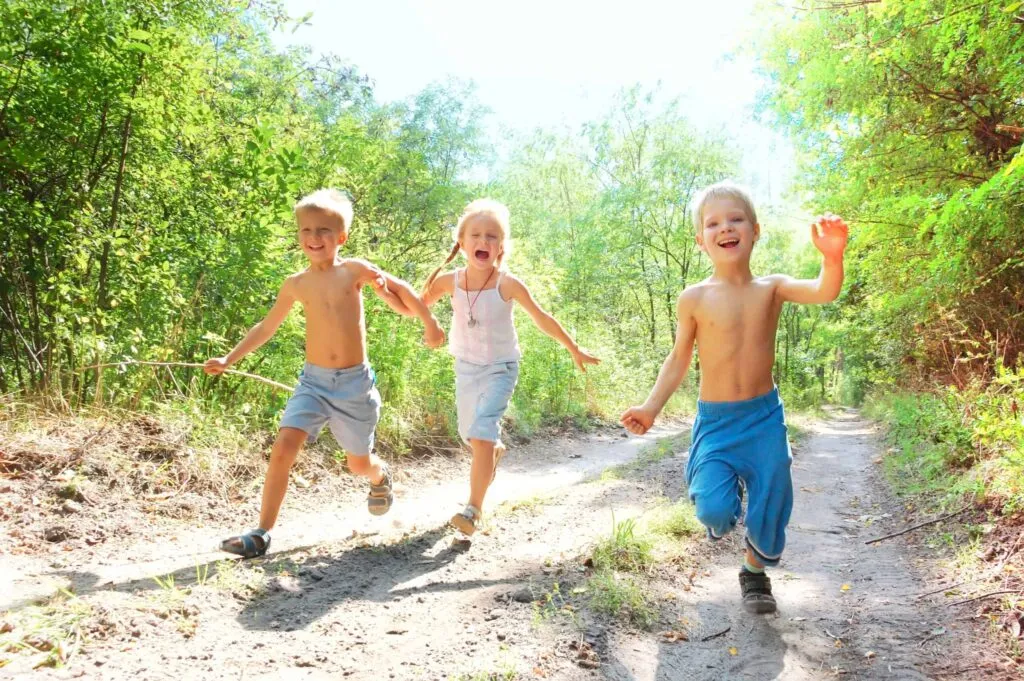
Image Credit: DepositPhotos
The 1960s brought big cultural changes and a bold youth spirit. They also stand in sharp contrast to our careful, safety-first world today, especially when it comes to how children lived.
Many things kids did back then seem impossible today. This shows how much social rules have changed. Child safety and parenting make these changes especially clear.
Sugary Drinks as Staples
Image Credit: Pexels
People drank sugary sodas often back then, with no worry about nutrition. The push for kids to eat healthy food now shows a big change to fight childhood obesity and boost wellness.
Casual Exposure to Mercury
Handling mercury, especially in schools, was not seen as dangerous. The strict hazardous material guidelines now in place illustrate an advanced understanding of health risks associated with toxic substances.
Unsupervised Swimming
“Swim at your own risk” was a common disclaimer, often without lifeguard supervision. The structured swimming lessons and safety measures now reflect a proactive approach to preventing drowning and other accidents.
Real Firearms for Recreation
Image Credit: Pexels
Kids using real guns for target practice was common, with or without adults watching. The big arguments about gun safety and kids now show a key look at guns’ place in our world.
Hitchhiking: A Common Sight
Image Credit: Pixabay
Hitchhiking was a regular mode of transport for many youngsters. The stark opposition to this practice today, even for adults, underscores growing concerns about safety and stranger danger.
Media Consumption: Anything Goes
Children had unrestricted access to television content, with little to no filtering for appropriateness. The stringent use of parental controls today reflects a cautious approach to media consumption and its influence on young minds.
Independence in Health Management
Teens often handled health problems and doctor visits by themselves. Parents today take a more active role in their kids’ health care choices. This shows a change to more hands-on parenting.
The Popularity of Processed Foods
The convenience of microwave and canned foods made them popular, despite nutritional drawbacks. The current trend towards fresh, whole foods reflects a counter-movement prioritizing health over convenience.
Environmental Indifference
Littering was commonplace with little thought given to environmental consequences. The robust environmental education programs today emphasize sustainability and responsible citizenship from a young age.
Chores: Then and Now
Image Credit: DGLImages via Canva.com
Kids often did big home jobs like cutting wood or mending fences. Now chores matter but need less hard work. This shows shifts in home life and how we raise kids.
The Casual Approach to Car Safety
Image Credit: Pexels
Imagine a world where seat belts were barely used, and children freely roamed in cars as they pleased. The ’60s were such a time when the thrill of a ride mattered more than the safety protocols we take for granted today.
The shift to mandatory seatbelt laws reflects a significant societal pivot towards prioritizing life and well-being over mere freedom of movement.
When Smoking Was a Teenage Rite
Decades ago, seeing a teenager with a cigarette was not only common but somewhat expected. It was an era where smoking was synonymous with cool, and the health risks were dramatically underplayed or unknown.
Contrast that with today’s public health campaigns and strict regulations that keep cigarettes out of young hands, reflecting a shift towards a more health-conscious society.
Indoor Air Quality? Not a Thought
Back then, homes and public spaces full of cigarette smoke were common sights, mainly at social events.
The casual attitude toward indoor smoking stands out against today’s laws and rules that ban it indoors to guard health, above all kids’.
Unlimited Outdoor Play
Children of the ’60s often left home in the morning and returned at dusk with little supervision.
This level of independence is rare today as parents are much more cautious, often keeping a close eye on their children’s whereabouts, reflecting changes in parenting styles and societal expectations on child safety.
Open School Doors
It’s hard to picture now, but schools once kept doors wide open to all. No modern security systems or rules existed.
The shift to locked access in schools shows a strong push to protect kids in every setting.
Asbestos and Lead: Hidden Hazards
Image Credit: Pixabay
Unbeknownst to many during the ’60s, asbestos and lead were common in building materials and paint, posing unseen threats. Today’s strict regulations and removal programs highlight a move towards greater environmental and health awareness.
The Freedom of the Truck Bed
Image Credit: Pexels
Riding in the back of a pickup truck offered a sense of adventure for many children. Now, such practices are frowned upon and restricted by law, showing an increased commitment to road safety for all passengers, regardless of age.
No Helmets, No Problem?
Image Credit: Pixabay
Back then, helmets were seldom seen as needed for biking or skating. Now, they count as key gear. This shows our society’s strong push to stop injuries and keep kids safe.
Discipline Through Corporal Punishment
Image Credit: Pexels
Physical discipline was common and accepted in schools and homes. The shift towards non-physical disciplinary methods marks a significant turn in our understanding of child psychology and rights.
Lax Childproofing Standards
Image Credit: Pexels
The concept of childproofing was almost non-existent; children were often left to explore freely, even if it meant potential exposure to hazards. The rigorous childproofing practices of today underscore a shift towards meticulous attention to safety in the home environment.
Sunscreen: An Afterthought
Image Credit: Pexels
People got sun without protection back then. Sunburns seemed like a normal part of summer. Sunscreen use now shows more knowledge of skin cancer risks and a move to health care that stops problems.
The Latchkey Kid Phenomenon
Children returning to empty homes was common due to working parents and a lack of daycare options. The focus on supervised care and structured after-school programs today reflects changing dynamics in family structure and child care.
Times Have Changed
Image Credit: Wavebreakmedia via Canva.com
This look at the 1960s shows a time with a freer but riskier way to raise kids. It stands in sharp contrast to today’s focus on safety and protection in parenting.
As we deal with modern parenting challenges, these past differences help us value the progress in keeping kids safe and healthy.
If you like what you just read, then subscribe to my newsletter.
Experts Warn: These 13 Things Around Your House Impact Your Health
30 Things Likely To Vanish With Baby Boomers: A Farewell to Yesterday’s Norms