20 Items You Should Avoid Cleaning with Dish Soap and Safer Alternatives


Think about the last time you cleaned your home. Did you use that bottle of dish soap for different jobs? Most people do! Dish soap is a trusted kitchen cleaner all over the world.
It works great to cut grease and food off your dishes. But this strong cleaner can damage many of your daily items. The truth might surprise you: dish soap has tough ingredients made just for dishes.
These strong ingredients clean plates and glasses well but can hurt other surfaces and materials. When used on the wrong things, dish soap removes protective layers, strips away natural oils, and weakens soft materials.
This guide shows 20 common things that need special care, things you might clean with dish soap now without knowing it can harm them. For each, you’ll find safe and easy ways to clean so your stuff lasts longer and stays in good shape.
Before you grab that dish soap bottle again, ask yourself: “Does this item need special care?” and “What is the best way to clean this surface?”
Let’s learn how to keep your valuable items safe and avoid costly damage.
Silk and Delicate Fabrics
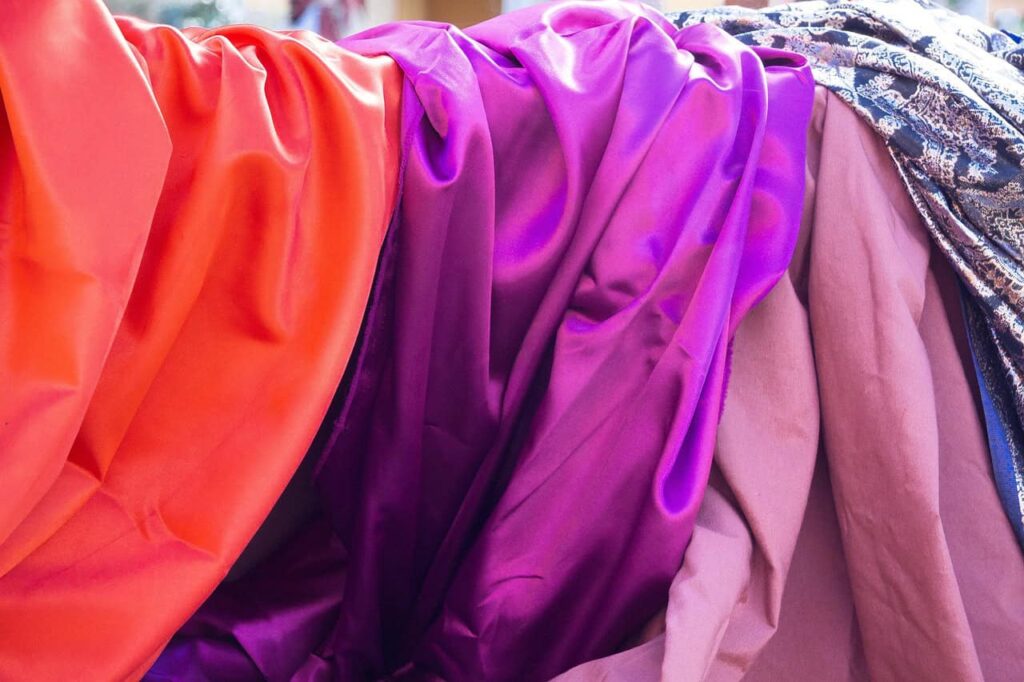
Silk fibers do not do well with strong chemicals found in dish soap. These soft materials need gentle handling to keep their feel and look. Using the wrong cleaning way can cause lasting harm, like colors running, fibers breaking, and texture changing.
Use cleaning products made for delicate fabrics and follow the care label closely. Cold water and mild detergents help keep the fabric’s natural qualities while cleaning dirt and stains.
Leather Items

Leather contains natural oils that keep it soft and supple. Dish soap removes these oils, causing the leather to dry out, crack, and age prematurely. The harsh detergents can also strip away color and damage the leather’s protective finish.
Use a dedicated leather cleaner to remove dirt and stains. Apply leather conditioner afterward to restore moisture and maintain flexibility. Regular conditioning keeps leather items looking new and extends their lifespan.
Eyeglasses with Coated Lenses

Modern eyeglasses often come with special coatings to reduce glare, block UV rays, and resist scratches. Dish soap can damage these coatings, leading to reduced effectiveness and visual clarity.
The soap leaves behind a residue that causes smudging and makes it harder to see clearly. Use eyeglass cleaner and microfiber cloth designed specifically for coated lenses. These products clean effectively while protecting the special coatings that help you see better.
Cast Iron Skillets

Dish soap ruins the seasoning on cast iron pans, wiping out years of care in just one wash. The seasoning forms a natural non-stick layer that helps food taste better and stops rust.
Use hot water and a tough brush to clean off food bits instead. For hard-to-remove spots, put some coarse salt on the pan and scrub gently with a cloth. After cleaning, warm the pan on the stove to dry it fully, then spread a thin coat of cooking oil to keep the seasoning.
Nonstick Pans

The coating on nonstick pans needs careful handling to keep it working well. Dish soap has rough parts that can scratch and wear down this coating. When it gets damaged, the pan stops being non-stick and might let harmful chemicals get into your food.
Wash these pans with warm water and a soft sponge right after using them. If food is stuck, let the pan soak in warm water for 15 minutes before cleaning. A mix of baking soda and water can help get rid of hard bits without hurting the coating.
Wooden Cutting Boards and Utensils

Wood requires its natural oils to resist bacteria and prevent cracking. Dish soap strips these protective oils away, leaving the wood vulnerable to damage. The harsh detergents can also seep into the grain, creating a breeding ground for bacteria.
Mix one part white vinegar with three parts water for an effective, natural cleaner. Wipe the surface with this solution, then rinse with clean water. Once dry, apply food-grade mineral oil to replenish moisture and create a protective barrier.
Car Paint

Car paint needs protection to maintain its shine and resist environmental damage. Dish soap removes the protective wax layer, leaving the paint exposed to sun damage, oxidation, and rust. The harsh detergents can also cause tiny scratches that dull the finish over time.
Choose car-specific washing products that clean while preserving the wax coating. These specialized cleaners maintain your car’s protective layers and keep the paint looking glossy.
Granite and Marble Countertops

Natural stone countertops need special care to keep their look and strength. Dish soap can harm the seal that stops stains and marks. When this seal gets damaged, the stone can get permanent stains and discoloration.
Use pH-neutral cleaners made for natural stone. These cleaners clean well and keep the seal safe, so your countertops stay nice.
Electronics and Screens

Electronic devices need special care to maintain their protective coatings and prevent internal damage. Dish soap leaves residue that attracts dust and can seep into sensitive components. The liquid might also get trapped under screen protectors or inside ports, leading to malfunction or permanent damage.
Use a microfiber cloth slightly dampened with electronics cleaner to remove fingerprints and dirt. For stubborn marks, specialized screen wipes offer safe and effective cleaning without risking damage to your devices.
 If you like what you are reading, then click like and subscribe to my newsletter. We share tips to waste less time and money.
Silicone Bakeware

Silicone baking tools need good cleaning to keep them non-stick. Dish soap can leave a tough film that changes how they look and work. This leftover film makes food stick and can add bad tastes to your baked treats.
Use hot water and a paste of baking soda to clean silicone. This mix gets rid of oils and food bits while keeping the silicone safe. Rinse well to make sure no film stays behind.
Sharp Knives

Quality knives need proper maintenance to stay sharp and rust-free. Dish soap leaves a residue that can cause corrosion, especially on carbon steel blades. The detergents might also damage handle materials and loosen rivets over time.
Clean knives with hot water and dry them immediately with a clean cloth. Apply mineral oil to carbon steel blades and wooden handles to prevent rust and cracking.
Hairbrushes and Combs

Hair tools collect oils, styling products, and dead skin that need to be cleaned well. Dish soap can leave residue that sticks to your hair, making it dull and heavy. It can also harm natural bristles and wear out plastic parts.
Soak brushes in warm water mixed with mild shampoo to clean them well. Rinse fully and let them dry with the bristles facing down to stop water from damaging the base.
Cast Aluminum Cookware

Cast aluminum reacts with harsh cleaning agents, creating surface damage that worsens over time. Dish soap causes pitting and discoloration that diminishes both appearance and cooking performance. The metal’s surface can become dull and develop spots that never come clean.
Create a paste using baking soda and water to clean cast aluminum safely. This gentle abrasive lifts dirt while preserving the metal’s surface. Rinse thoroughly with warm water and dry immediately to prevent water spots.
Jewelry with Gemstones or Pearls

Fine jewelry needs careful cleaning to keep its shine and worth. Dish soap can weaken the glue that holds stones and harm soft materials like pearls. Strong chemicals may also make gemstones look dull and remove protective layers.
Use a special jewelry cleaner or a mild soap made for metals and stones to keep your jewelry bright. Pearls need special attention, wipe them gently with a soft, clean cloth after wearing to keep their shine.
Painted Walls

Paint finishes need consistent care to maintain their color and durability. Dish soap leaves streaks and can even remove paint with repeated use. The residue attracts dirt, making walls look dingy faster.
Mix one cup of white vinegar into a gallon of warm water for an effective wall cleaner. Test this solution on a small, hidden area first. Use a soft cloth or sponge, and avoid scrubbing too hard.
Copper Pots and Pans
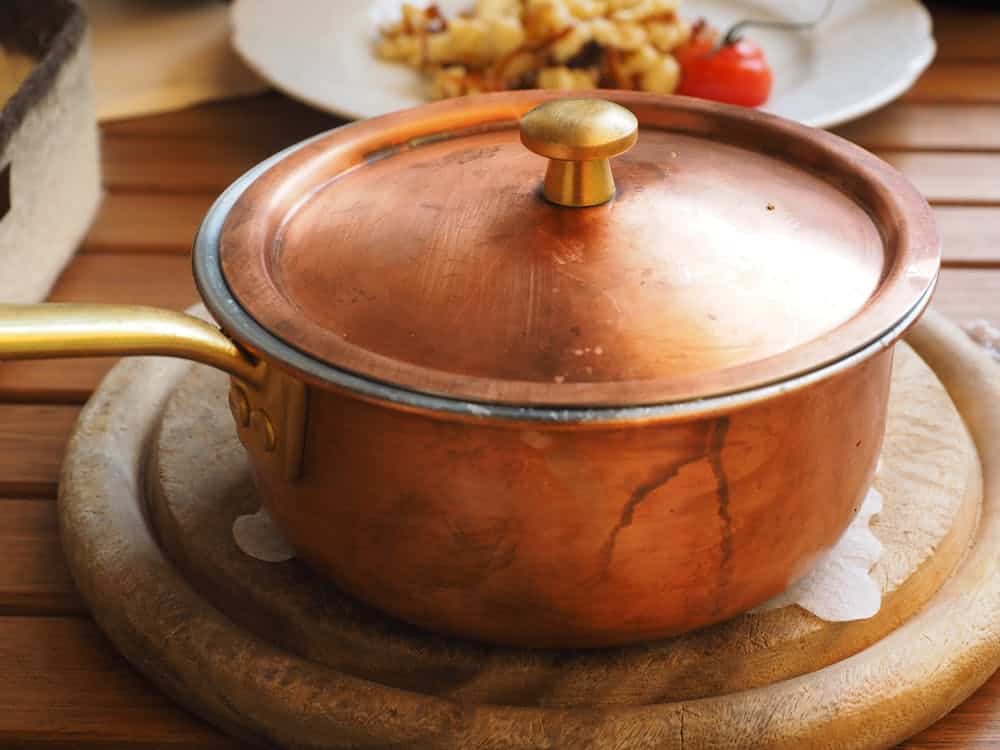
Copper cookware brings charm to any kitchen and needs special care to keep its bright shine. Dish soap can cause tarnish and leave permanent marks on copper. The cleaners can harm the metal’s natural finish that grows with use.
Make a cleaning paste with lemon juice and salt to bring back copper’s natural shine. This mix cleans well and keeps the metal’s unique look safe.
If you like what you are reading, then click like and subscribe to my newsletter. We share tips to waste less time and money.
Natural Bristle Brushes

Natural bristle brushes serve various purposes, each requiring appropriate care. Dish soap damages the bristles, causing them to become brittle and break. The harsh detergents remove essential oils that keep natural fibers flexible.
Clean these brushes with mild shampoo or specialized brush cleaner. Reshape the bristles while wet and allow them to air dry completely before use.
Silverware and Fine China

Fine dining items need careful care to keep their beauty and worth. Dish soap can make silver lose its shine and harm the decorative parts on china. Strong chemicals may also damage protective layers and classic glazes.
Use silver polish for silverware and special cleaner for china. These products clean softly while keeping delicate surfaces safe and preserving the items’ original look
Stainless Steel Appliances

Stainless steel surfaces require specific cleaning methods to maintain their shine. Dish soap creates streaks and water spots that make appliances look dirty even after cleaning. The residue also attracts fingerprints and smudges more easily.
Use a stainless steel cleaner or a mixture of white vinegar and olive oil. The vinegar cleans while the oil adds shine and protection against future marks.
Shower Glass and Mirrors

Glass surfaces must be cleaned without streaks to keep them clear and shiny. Dish soap leaves a film that causes spots and makes glass always look dirty. This leftover film also pulls in soap scum and hard water marks faster.
Mix the same amount of water and white vinegar in a spray bottle to make a good glass cleaner. Wipe it off with a microfiber cloth or newspaper for a clear, bright finish.
Choosing the Right Cleaning Method

Keeping your home clean doesn’t mean using one cleaner for everything. Every item in your house needs special care to stay nice and work well. Dish soap is great for plates and glasses, but it can damage many important things around your home.
Using the right cleaning products helps protect what you own and keeps them looking fresh. Simple choices like vinegar, baking soda, and special cleaners work better than dish soap for most things in your home.
These options might cost a bit more at the start, but they stop you from spending a lot on repairs or new items later. Your treasured things will last longer and work better with good care.
Remember: using the right cleaning way makes all the difference in keeping your home’s special items safe.
If you like what you just read, then subscribe to my newsletter.
- Rediscover These 23 Forgotten Cleaning Tips That Work Like Magic
- 24 Everyday Items You’re Likely Overusing (Without Realizing It)
AI was used for light editing, formatting, and readability. But a human (me!) wrote and edited this.