27 Popular Things from the 2000s We Remember Well

The 2000s were a time of big changes. Technology grew quickly, pop culture shifted, and new styles showed up everywhere. It was a decade when many things we used, loved, and saw made a lasting impression on us.
Trends come and go, often shaped by new ideas or changes in what people like. Some things fade as society moves on, while others get swapped for easier or newer choices.
This list reminds us of the things that made the 2000s special but are gone now. Each of these 27 items had its moment before being left behind.
Let’s look back with care at some of the most unforgettable things from that decade and think about why they are not around today.
What 2000s trend do you miss most? Share with us in the comments!
Razor Scooters
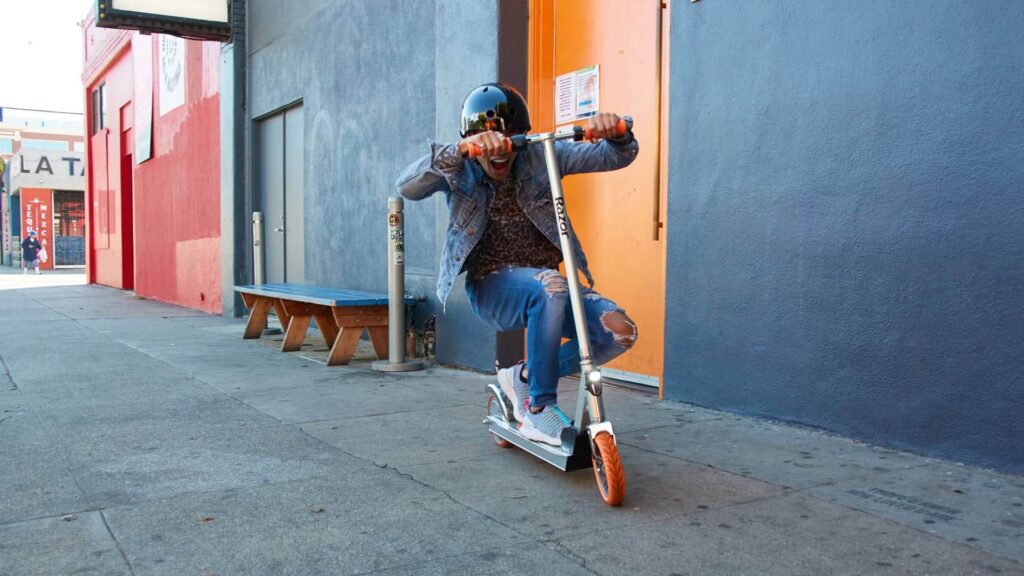
In the early 2000s, Razor scooters were very popular with kids and teens. These light, foldable scooters were great for riding around the neighborhood or doing tricks at the park.
The scooters were strong and easy to take along, which made them a favorite way to get around for young people. When electric scooters and hoverboards became more common, the simple push-powered Razor scooter slowly lost its place.
Palm Pilots
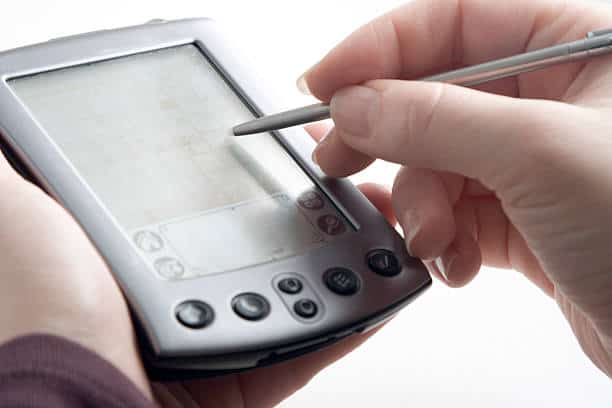
Before smartphones took over, the Palm Pilot was the go-to device for organizing your life. This personal digital assistant (PDA) allowed users to manage their contacts, calendars, and notes in one handy device.
It was especially popular with professionals who needed to stay on top of their schedules. The Palm Pilot was revolutionary in its time, but once smartphones started offering all those features and more, it quickly became outdated.
Today, the Palm Pilot is remembered as a stepping stone to the advanced devices we now rely on daily.
Hit Clips
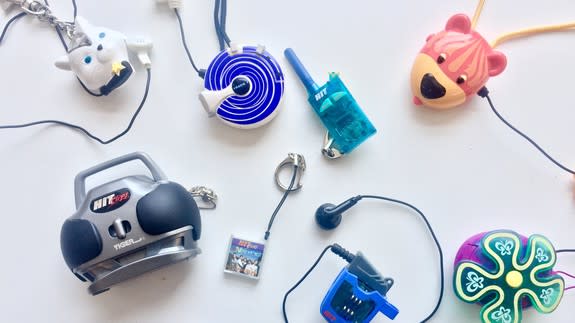
Hit Clips were tiny music players that let you listen to short, one-minute parts of popular songs. Kids really liked them because they could collect the small, square cartridges and trade them with friends.
The sound quality was low, and you only heard a small part of the song, but it was still a fun way to enjoy music while moving around. When MP3 players and iPods came out, with full songs and better sound, Hit Clips became less popular.
These small devices soon vanished, leaving a short but unforgettable mark in early 2000s pop culture.
Flip Phones
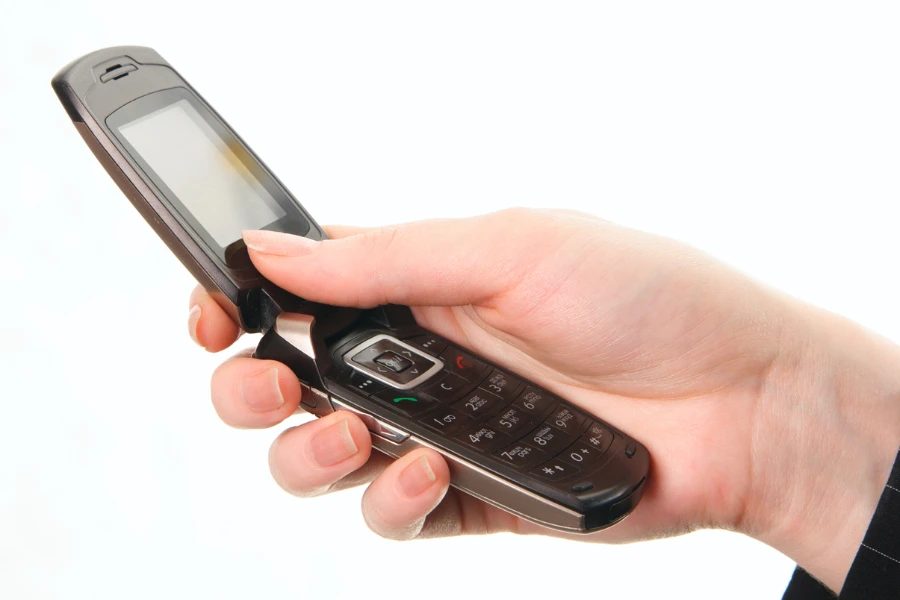
In the early 2000s, flip phones were the ultimate mobile accessory. Compact and easy to carry, these devices allowed people to make calls, send texts, and enjoy the satisfying snap of closing the phone after a conversation.
Flip phones were stylish and practical, fitting comfortably into pockets and bags. But as technology advanced and smartphones with large touch screens entered the market, the need for a small flip phone started to decline.
With the rise of apps, mobile internet, and larger displays, flip phones quickly became outdated, making way for today’s powerful smartphones.
Interestingly, flip phones are making a come back as people are trying to get away from their social media addictions.
Myspace
Myspace was the top social network in the early 2000s, giving people a place to show who they were with custom profiles. Users enjoyed adding music, changing page looks, and listing their best friends.
It was the main site for meeting others and sharing life updates.
When Facebook arrived with its simple look and wider user base, people began to leave Myspace.
Gradually, Myspace faded away, leaving behind memories of a lively online community.
Blockbuster Video Stores
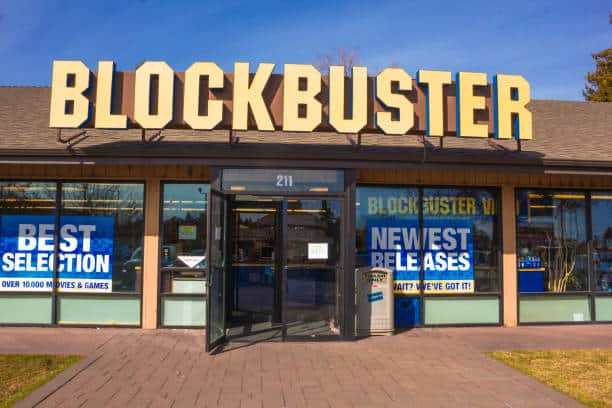
For many families in the 2000s, a trip to Blockbuster was part of the weekend routine. Walking through the aisles, choosing a movie to rent, and grabbing some popcorn was all part of the experience.
Blockbuster was the leading video rental store, and it’s blue and yellow signage was a familiar sight across neighborhoods. But with the rise of streaming services like Netflix, renting physical DVDs became less common.
People began to prefer the convenience of on-demand streaming, leading to the eventual closure of most Blockbuster locations. Today, Blockbuster is more of a nostalgic memory than a functioning business.
Napster
Napster changed the music world in the early 2000s by giving free music downloads using a peer-to-peer sharing system. For people who love music, it was a great chance to find and share new songs with friends easily.
This service soon faced legal problems as artists and record companies fought against the illegal sharing of their music. Napster was finally closed, but it started a big shift in how we listen to music today.
Its impact continues with today’s streaming services, which built on the ideas Napster introduced.
 If you like what you are reading, then click like and subscribe to my newsletter. We share tips to waste less time and money.
Frosted Lip Gloss
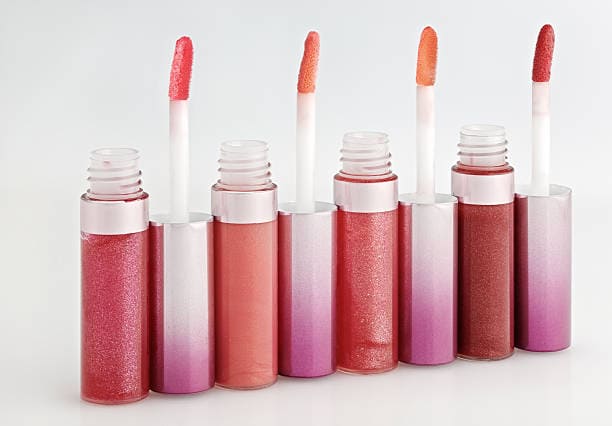
Frosted lip gloss was a beauty staple for many teens in the early 2000s. It gave lips a shiny, frosted look that was perfect for going out with friends or hitting the mall.
Celebrities and fashion magazines embraced the trend, making frosted lip gloss a must-have item. As beauty trends evolved, the frosty look was replaced with more natural and matte finishes, leaving frosted lip gloss behind.
While it occasionally makes a comeback, it’s no longer the mainstream beauty trend it once was.
Low-Rise Jeans

Low-rise jeans became very popular in the 2000s, worn by stars like Britney Spears and Christina Aguilera. These jeans sat low on the hips, giving a bold and stylish look that many liked. They were often worn with crop tops to finish the outfit.
As styles changed to more comfy and flattering high-waisted jeans, low-rise jeans started to fall out of favor. Now, high-waisted jeans are the top choice in fashion, and low-rise jeans are mostly forgotten.
Tamagotchi
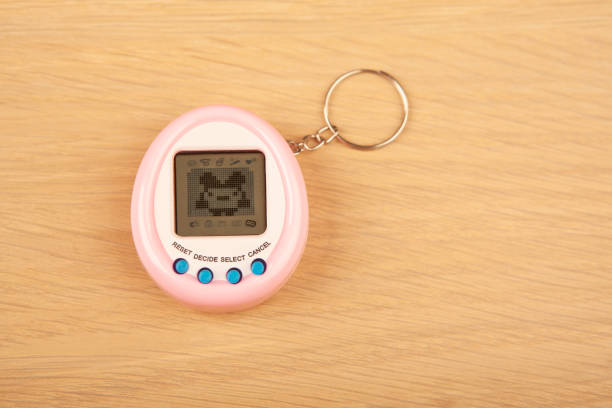
Tamagotchi, the digital pet craze that took over in the late ’90s and early 2000s, was all about caring for a tiny virtual creature. These handheld devices allowed users to feed, play with, and clean up after their digital pets, keeping them alive and happy.
Tamagotchis require constant attention, and forgetting to check on your pet could result in its virtual “death.” The toy was incredibly popular with kids, but as gaming technology advanced and mobile apps took over, Tamagotchis began to lose their appeal.
While there have been modern reboots, they’ve never quite recaptured the magic of their early 2000s heyday.
Sidekick Phones
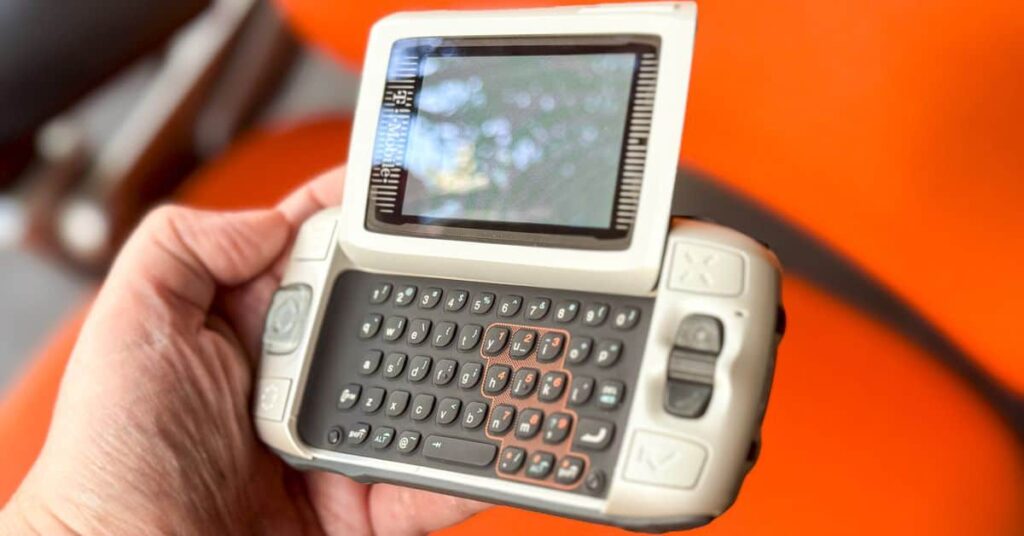
Sidekick phones were very popular in the early 2000s, especially with teens and young adults who liked texting. The phone’s screen flipped open to show a full keyboard, making it great for quick messaging.
It became a sign of status, with celebrities and influencers showing off their Sidekicks in public. As smartphones started to offer touchscreens and more features, the Sidekick soon became old-fashioned.
Though many people loved it back then, the phone’s design couldn’t match the fast changes in the smartphone world, and it eventually disappeared as touchscreens became the norm.
LiveStrong Bracelets
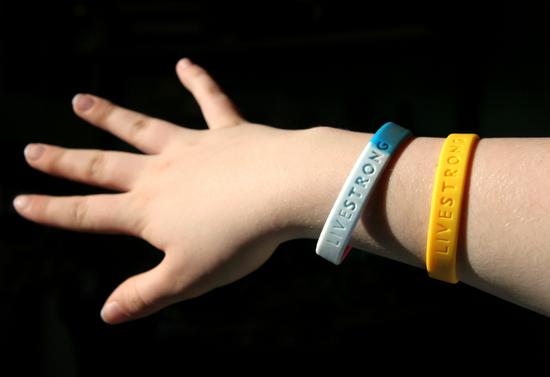
The yellow LiveStrong bracelet became a huge trend in the mid-2000s, with millions of people wearing it to show support for cancer research. Promoted by cyclist Lance Armstrong and his LiveStrong Foundation, these simple silicone wristbands became a symbol of hope and strength.
At the height of their popularity, the bracelets were worn by celebrities, athletes, and everyday people alike. But as Armstrong’s reputation became tarnished due to doping scandals, the popularity of the bracelets declined.
While the LiveStrong Foundation still exists, the wristband trend has largely faded into the past.
If you like what you are reading, then click like and subscribe to my newsletter. We share tips to waste less time and money.
Beaded Curtains
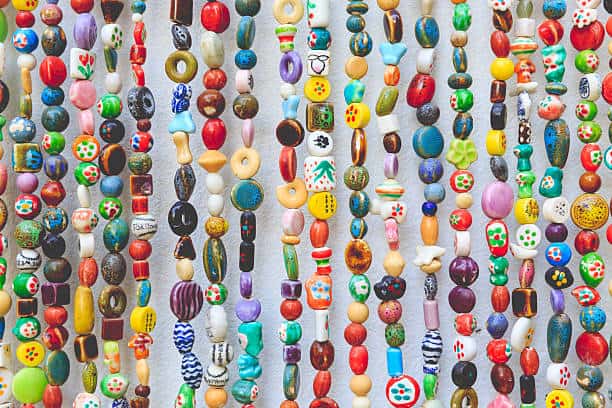
Beaded curtains were a bright and cheerful way to bring some character to your home in the 2000s. People often used them to divide rooms or decorate doorways. These curtains had strands of beads that gave a fun and lively feel.
They were very popular with teens and young adults who wanted their rooms to stand out. As home styles shifted to simple and clean designs, beaded curtains became less popular.
Today, you mostly find them in vintage shops or think of them as a nice memory from 2000s decor.
Juicy Couture Tracksuits
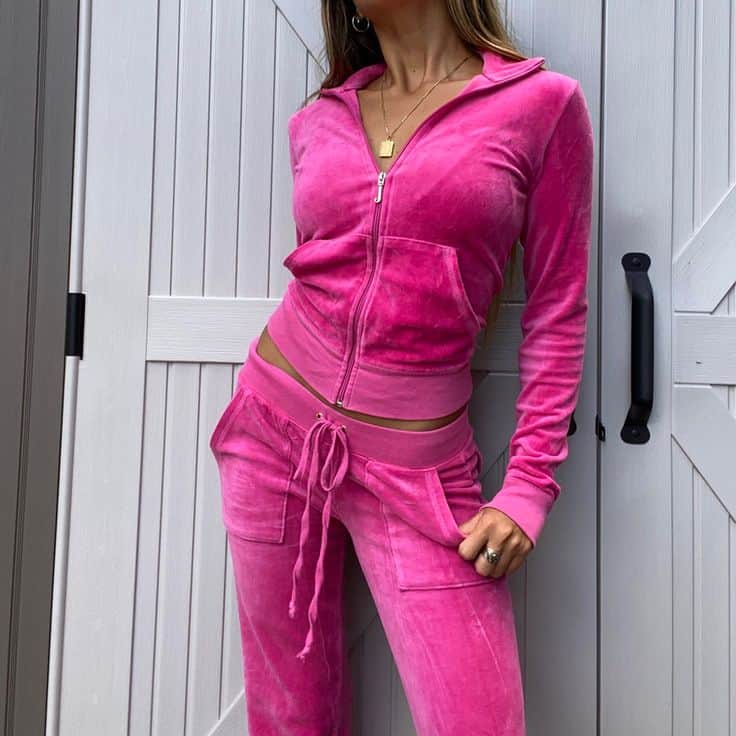
In the early 2000s, Juicy Couture tracksuits were the ultimate symbol of casual luxury. Celebrities like Paris Hilton and Jennifer Lopez were often seen sporting these velour outfits, making them a must-have for anyone wanting to stay on-trend.
The tracksuits came in a variety of colors, often with “Juicy” emblazoned across the back, and were paired with oversized sunglasses and handbags for a glamorous yet laid-back look. As fashion shifted towards more tailored and minimalist styles, Juicy Couture tracksuits began to fade from the limelight.
Today, they remain a nostalgic reminder of the 2000s celebrity culture, but they are rarely seen in everyday fashion.
AIM (AOL Instant Messenger)
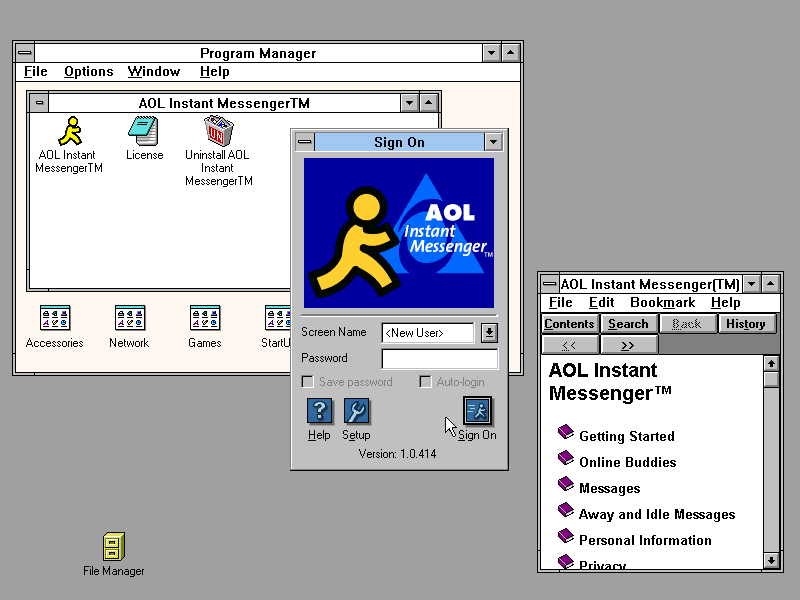
Before smartphones and social media took over, AIM was the main way people talked online.
Many teens first tried instant messaging on AIM, and logging in after school to chat with friends was a daily habit.
Users could set away messages, make fun screen names, and change fonts to show their feelings. As texting and better messaging apps like WhatsApp and Facebook Messenger grew popular, AIM became less used. In 2017, AOL closed AIM, ending an important time in early online chatting.
Pogs
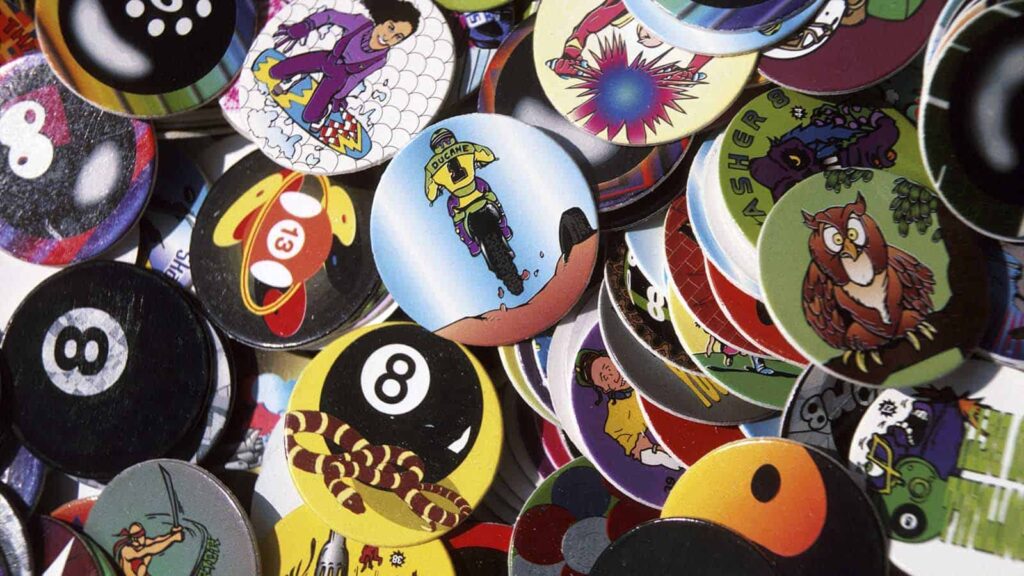
Pogs were a fun and collectible game that gained popularity in the early 2000s, even though they first emerged in the ’90s. The game involved stacking cardboard discs, called Pogs, and trying to knock them over with a slammer.
Kids collected Pogs featuring different designs, often trading with friends and showing off their favorite ones. Though it was a simple game, it captured the imagination of a generation.
Like many fads, though, Pogs didn’t last long, and the interest in collecting and playing with them faded as new games and toys emerged.
Croc Charms (Jibbitz)
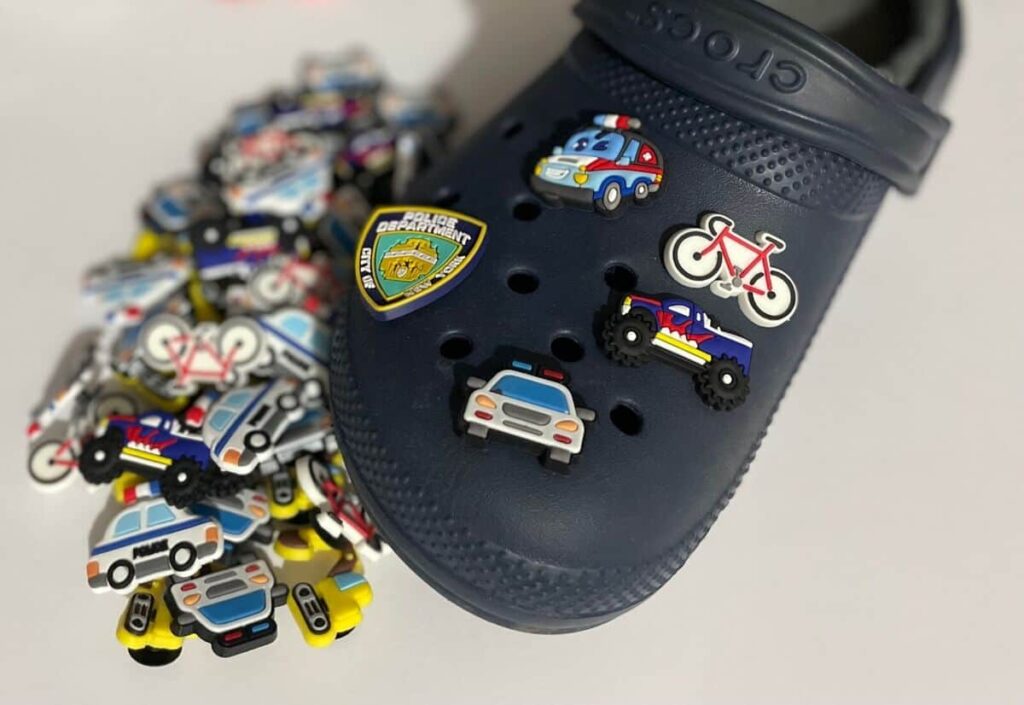
Crocs, the bright foam clogs that came out in the 2000s, became very popular, especially when people began adding Jibbitz, small charms that fit into the holes on the shoes. These charms let Croc wearers show their style with playful designs, like flowers and cartoon characters.
While Crocs are still worn a lot today, the charm trend has mostly disappeared. People now wear the shoes mainly for comfort and strength rather than for decoration. The charm craze was a fun and quirky part of early 2000s fashion, but it didn’t last long.
MTV’s “TRL” (Total Request Live)
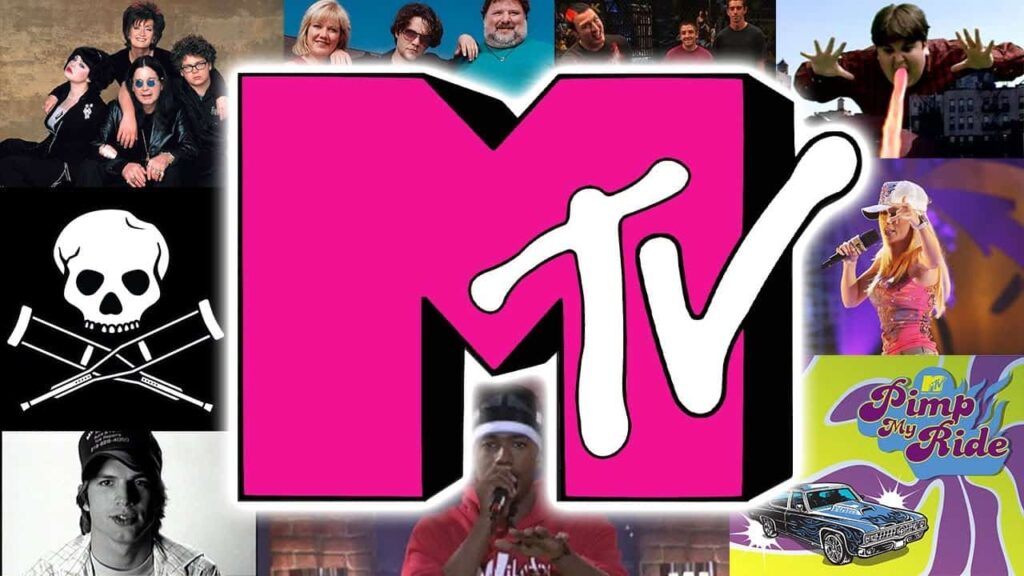
MTV’s “TRL” was a staple of 2000s pop culture, showcasing the latest music videos and giving fans a chance to vote for their favorite songs. The show was known for its live studio audience, and top artists like Britney Spears, N’Sync, and Eminem would regularly appear for interviews and performances.
It was a hub for youth culture, with teens rushing home from school to catch the latest countdown. As YouTube and streaming services became the preferred way to watch music videos, “TRL” saw its audience dwindle, and it eventually went off the air in 2008.
It remains a nostalgic memory for those who grew up watching it.
Friendster
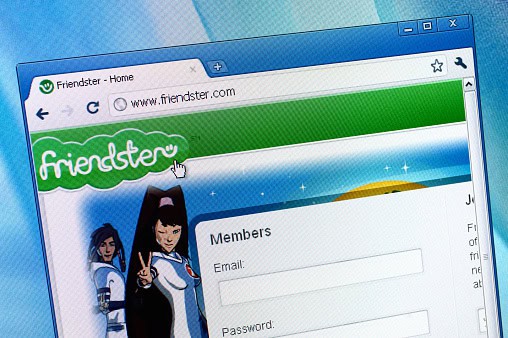
Before Myspace and Facebook, Friendster was one of the first big social networking sites, starting in 2002. It let users make profiles, find friends, and share news.
For a short time, Friendster led the social media wave and created many features that later sites used. Sadly, problems with the site, a hard-to-use design, and rising competition caused it to lose users fast.
By the mid-2000s, people moved to newer sites like Myspace and Facebook, and Friendster became a quick but key part of social media history.
LimeWire
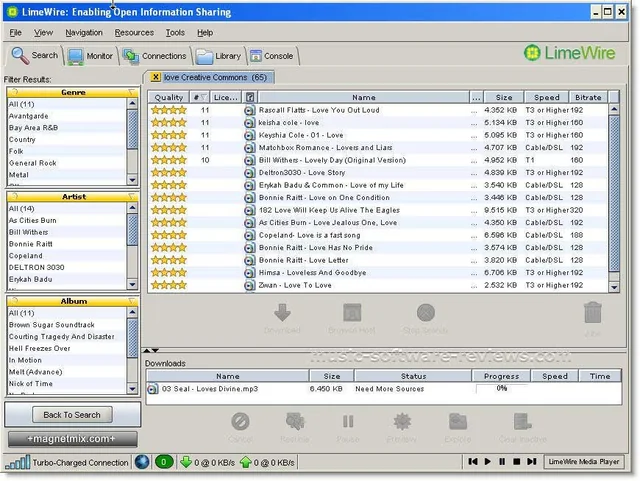
LimeWire became infamous in the early 2000s as a go-to platform for downloading music, movies, and software. Users could easily share and download files using this peer-to-peer network, which contributed to its widespread popularity.
But LimeWire was also notorious for spreading viruses and infringing on copyright laws, which led to numerous legal battles. In 2010, after years of controversy, the service was shut down, leaving users to find other, legal alternatives for downloading media.
LimeWire’s shutdown marked the end of an era for many, though it also paved the way for the rise of legal streaming platforms.
Baggy Cargo Pants
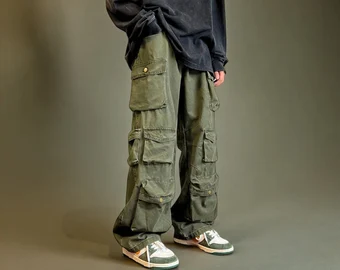
Loose cargo pants were very popular in the early 2000s because they were comfortable and useful. With their large size and many pockets, they became a key fashion item for both men and women, mixing function with a relaxed look.
People often wore them with graphic t-shirts and sneakers. Skaters, hip-hop fans, and casual dressers all liked cargo pants. As styles changed to tighter, more fitted clothes, cargo pants started to fade from everyday wear.
Though they have returned a few times, the loose cargo pants of the early 2000s still feel like an old-fashioned style.
Paper Maps
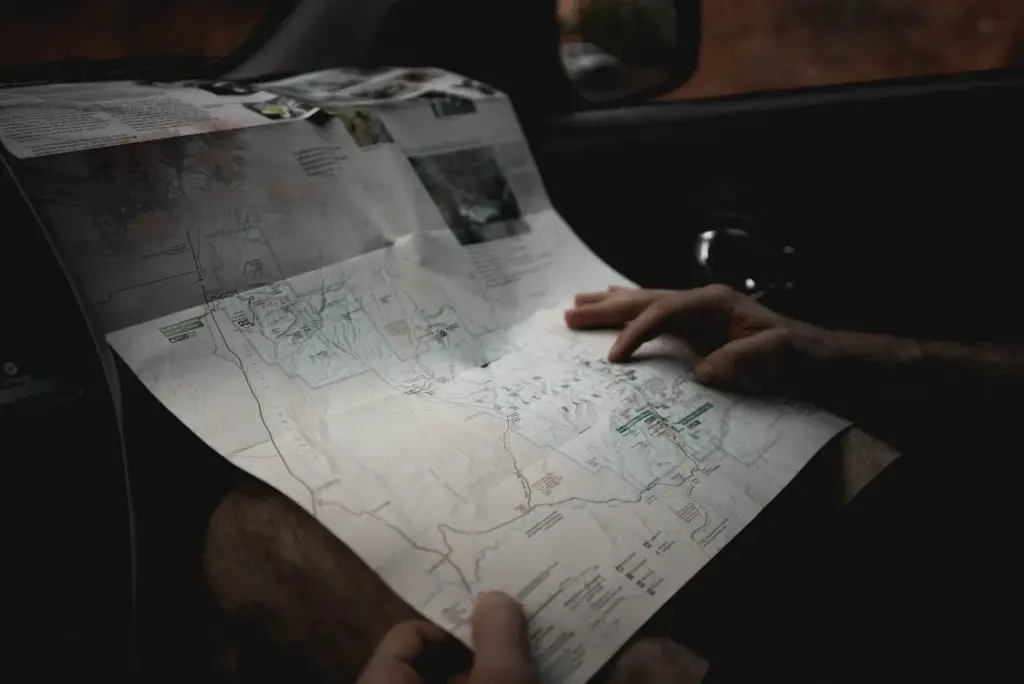
Before smartphones and GPS became part of daily life, paper maps were essential for navigation. Road trips often required unfolding large, detailed maps to find the best routes, with many people keeping an atlas in their car.
While they were functional, paper maps were cumbersome, especially when traveling long distances or navigating unfamiliar areas. The rise of GPS devices and later, smartphone apps like Google Maps, made paper maps almost obsolete.
Today, many people can’t imagine traveling without their digital map apps, leaving paper maps as a relic of how we once found our way.
Furbies
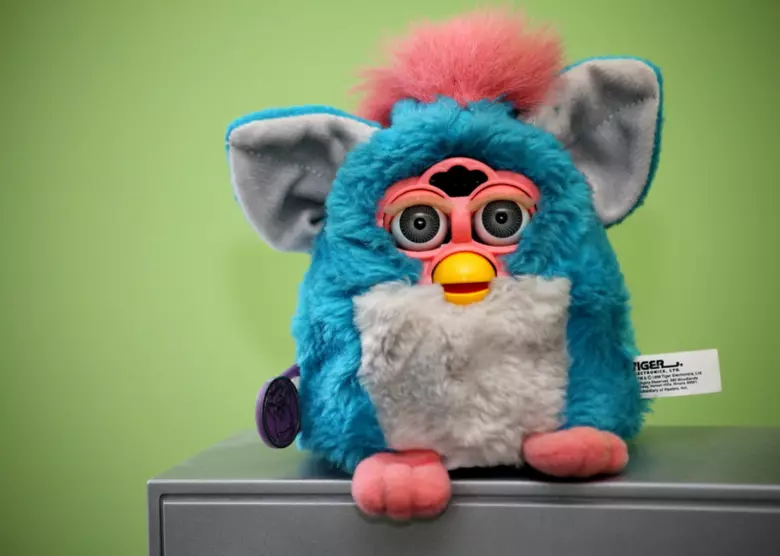
Furbies were very popular toys in the late ’90s and early 2000s. They could talk, blink, and react when you played with them. These furry, owl-like toys caught kids’ attention, who enjoyed teaching them new words and taking care of them like real pets.
Furbies had a special charm and a feeling of being almost alive. Even though they were a big hit at first, they became less popular as newer, more advanced toys and game systems came out.
Today, Furbies are a fun and strange reminder of the toy craze from the early 2000s.
Pop Punk Music
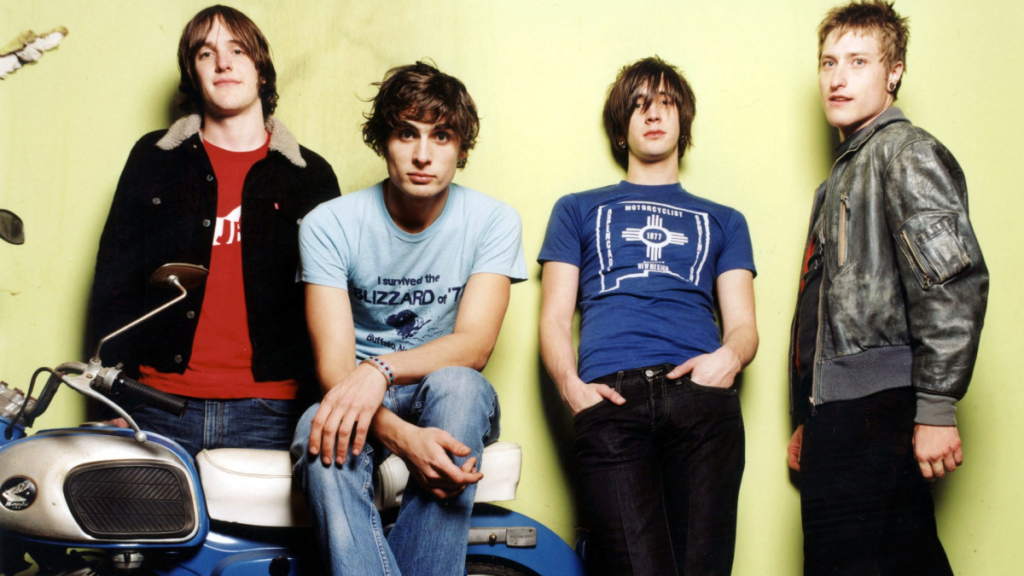
Pop punk bands like Blink-182, Green Day, and Sum 41 were the soundtrack of the early 2000s for many teens. Their energetic, rebellious songs spoke to a generation that craved anthems about teenage angst, love, and suburban life.
The genre reached its peak during this decade, with catchy, guitar-driven hits dominating radio stations and MTV. As musical tastes shifted toward hip-hop, EDM, and indie music, pop punk faded from mainstream popularity.
While the genre still has a loyal fanbase today, it’s largely considered a nostalgic reminder of the 2000s music scene.
Ringback Tones
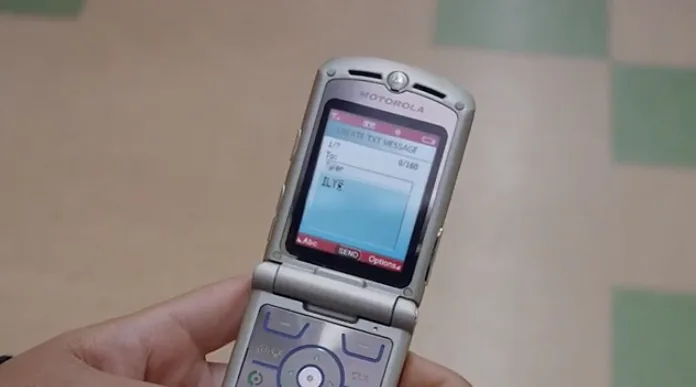
Ringback tones let people add a personal touch to their cell phones in the early 2000s. Instead of a normal ring when calling someone, you heard a song or sound they picked.
It was a fun way to share your favorite music with callers. The idea was new, but as phones and ways to communicate changed, having a ringback tone became less popular.
Today, most people use regular ringtones or keep their phones silent, making ringback tones a funny memory from the first days of cell phones.
Butterfly Hair Clips
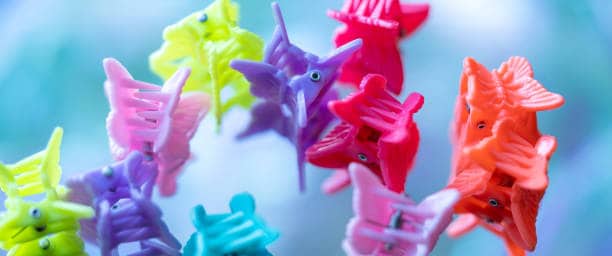
Butterfly hair clips were a fashion accessory that took the early 2000s by storm. Often seen on celebrities like Britney Spears, these small, colorful clips were used to create intricate hairstyles, with little plastic butterflies “fluttering” in your hair.
They were fun, affordable, and easy to use, making them popular with teens and young adults alike. But as hair trends shifted towards sleeker, more polished looks, the butterfly clip craze faded.
Today, they’re a nostalgic reminder of the playful and colorful fashion of the early 2000s.
Neopets
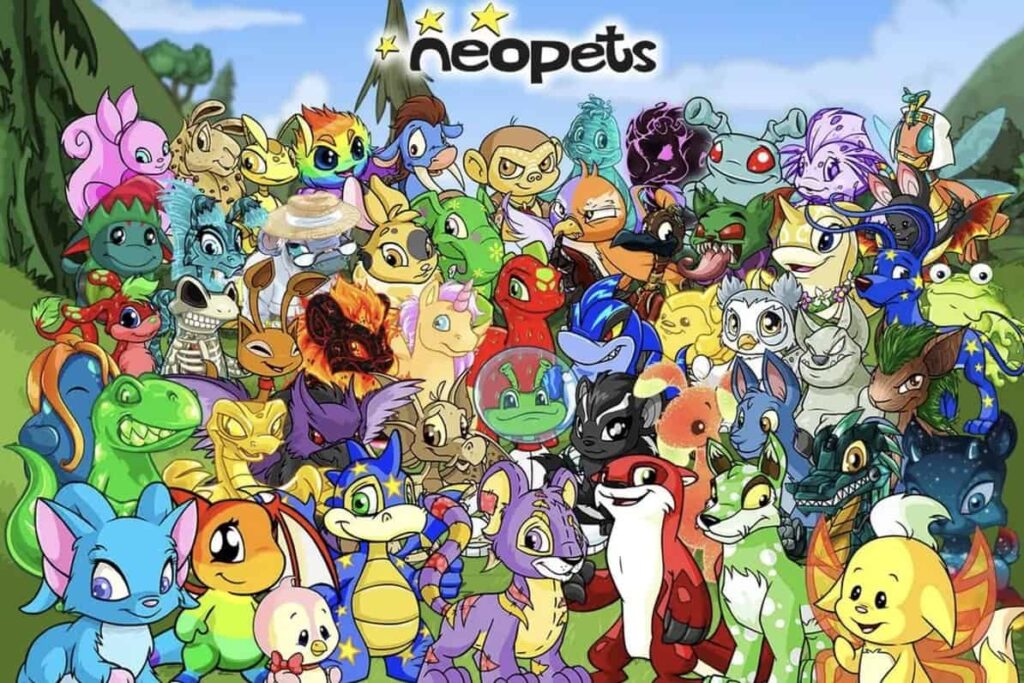
Neopets was very popular in the early 2000s. People could adopt virtual pets, play games, and create their own digital world. The site had millions of users, many of whom spent hours each day taking care of their pets, earning Neopoints, and joining big events on the site.
Neopets created a lively online community where players talked through forums and traded virtual items. Though the site still runs today, fewer people use it now because new games and social media have taken their attention.
Today, Neopets is mostly remembered as a fun part of the early internet days.
Remembering the 2000s
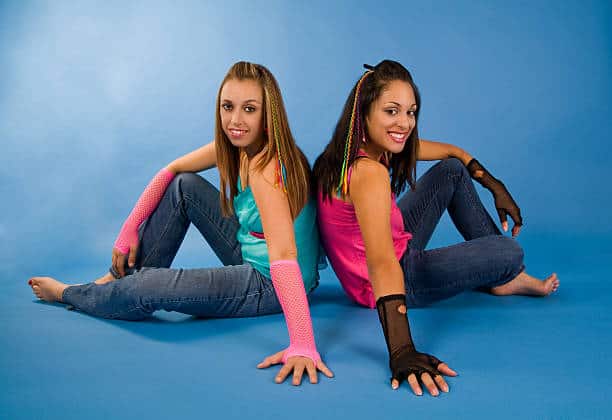
The 2000s were an exciting time full of new styles and ideas that changed how we lived, played, and talked to each other. Many things and trends from those years have disappeared, replaced by new gadgets and changing interests.
Still, they have a special spot in our memories, showing us a time when life felt easier and choices were limited. These memories give us a peek into the past and show how fast things can shift.
When we look back, we can see how these trends affected our lives and helped form the world we live in today.
If you like what you just read, then subscribe to my newsletter.
- Smells Like 90s Spirit: Popular Things From The 90s That Faded Away
- 25 Things From the 1970s You Probably Can’t Remember
AI was used for light editing, formatting, and readability. But a human (me!) wrote and edited this.