The Real Cost of Going “Woke”: What Corporate Backlash Says About Today’s Marketplace
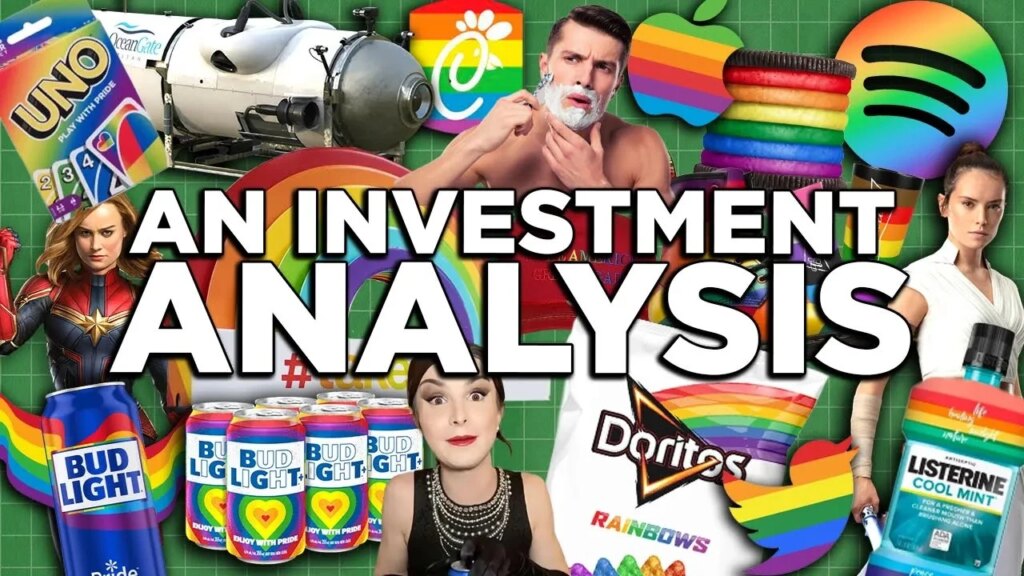
Companies adopting politically charged or socially progressive messaging often labeled as “woke” marketing are facing new financial realities as consumer reactions become more polarized and more immediate. In the current marketplace, one misaligned campaign can trigger backlash from both ends of the political spectrum, reshaping a brand’s trajectory overnight.
Bud Light’s recent experience remains one of the clearest examples. Following a promotional partnership with influencer Dylan Mulvaney, the brand saw sales drop 23% in May alone, amounting to roughly $60 million in lost revenue within 31 days. The blowback was not limited to one political group; conservatives called for boycotts, while progressives criticized the company’s subsequent messaging as inconsistent. A single influencer activation turned into a brand-wide identity conflict, magnified across social media ecosystems.
Such incidents highlight how challenging modern marketing has become. The rise of user-generated content has created an environment where brands cannot fully control the narrative surrounding their campaigns. Marketing teams that underestimate the speed and scale of online reactions often find themselves caught off guard. The Bud Light campaign illustrates a core error: misunderstanding the audience. Brands that communicate toward a demographic misaligned with their existing consumer base risk alienating both new and loyal buyers.
Corporate decision-making also comes under scrutiny when ideological alignment outweighs experience. Disney, for example, has faced criticism for its progressive messaging and perceived hiring biases. Although its declining viewership and a 60% drop from its 2021 stock peak stem from multiple factors, including content strategy and broader industry shifts, public perception often attributes the downturn solely to politics. Meanwhile, the OceanGate incident drew attention to hiring philosophies that emphasized youth and representation, raising concerns about prioritizing ideology over technical expertise.
Yet aligning with social values is not universally detrimental. Some companies experience substantial gains when their messaging resonates with the right audiences. Chick-fil-A and United Airlines have taken firm stances on divisive issues and continue to report strong financial performance. Keurig Dr Pepper generated $7.3 billion in gross profit in 2022, outperforming industry peers while maintaining culturally aware branding. Research suggests that companies with clear social alignment sometimes outperform neutral firms, signaling that consumer loyalty can strengthen when brand values match audience expectations.
Market reactions, however, remain complex and often misunderstood. Investors occasionally assign too much weight to ideological narratives without considering broader economic forces. In Disney’s case, confirmation bias has led some to link stock performance exclusively to cultural messaging instead of examining streaming losses, park attendance fluctuations, and industry-wide challenges.
Despite public debates, politically influenced corporate messaging is unlikely to fade. Socially oriented branding is now embedded in corporate strategy, amplified by social media and increasingly vocal consumer segments. While the approach may appear risky or misguided, it reflects a marketplace where values, identity, and brand loyalty intersect more intensely than ever before. For investors and consumers alike, understanding the long-term business fundamentals rather than the cultural noise remains essential for evaluating a company’s true financial trajectory.
All writings are for educational and entertainment purposes only and does not provide investment or financial advice of any kind.