22 Proven Home Hacks to Save Money, Time, and Energy


Saving time, money, and energy at home is very important now as prices keep rising and affect daily budgets. Easy and useful tips can help a lot by allowing families to use their resources well and save more in the long run.
According to recent data, homes using energy-saving methods can cut their energy use by 20% to 30%, and some can cut it by as much as 60%. These cuts mean lower bills and help support a healthier planet.
This guide shows 25 simple home tips that give real ways to make household chores easier and boost efficiency. Each tip is made to help you save without losing comfort, helping your home serve you better.
Which tip will you try first? Do you have any easy time-saving tips to share? Tell us in the comments!
Seal Air Leaks Around Windows and Doors

Drafts near windows and doors can raise heating and cooling costs, but fixing these leaks is quick and low-cost. Weatherstripping or caulking materials cost about $10 to $50, based on the project’s size.
When used, they stop air from getting in or out, helping keep the indoor temperature steady. Houses with sealed leaks can save $100 to $200 each year on energy bills.
Fixing leaks can also earn up to 30% back in federal tax credits with the Energy Efficient Home Improvement Credit. This easy job makes your home more comfortable and lowers expenses a lot.
Install Low-Flow Showerheads and Faucets

Changing regular showerheads and faucets to low-flow ones cuts water use but still keeps good pressure. These tools are made to give strong water flow while using less water in total.
Installing them costs about $10 to $50 each, and you can save $50 to $200 every year on water bills, depending on your home size. Besides saving water, these changes also reduce the energy needed to heat water, saving more money.
A few states give rebates for water-saving products, making it cheaper to make this switch. This small change helps the environment and saves money in the long run.
Use Power Strips for Electronics

Many electronics continue to draw power even when turned off, leading to wasted electricity and higher bills. A power strip eliminates this issue by allowing you to completely shut off power to multiple devices with one switch.
Smart power strips, which cost $10 to $30, go a step further by automatically cutting power to idle devices. Households can save $50 to $100 annually by eliminating “phantom energy” usage.
This simple solution is particularly effective for home offices and entertainment centers, where multiple devices are often plugged in together. Using power strips is a practical way to reduce waste and lower energy costs.
Install a Programmable or Smart Thermostat

Upgrading to a smart or programmable thermostat can save a lot on heating and cooling bills while making your home more comfortable. These devices change the temperature automatically based on your daily routine, avoiding wasted energy when you are away.
Smart models even remember your favorite settings and let you control them with a smartphone app. The cost to buy one is usually between $100 and $300, and you could save as much as $200 a year on energy costs.
Many homes also get federal tax credits up to $150 through Energy Star programs, which makes this change even cheaper. Putting in a smart thermostat is a simple way to make your home use less energy.
Use LED Light Bulbs
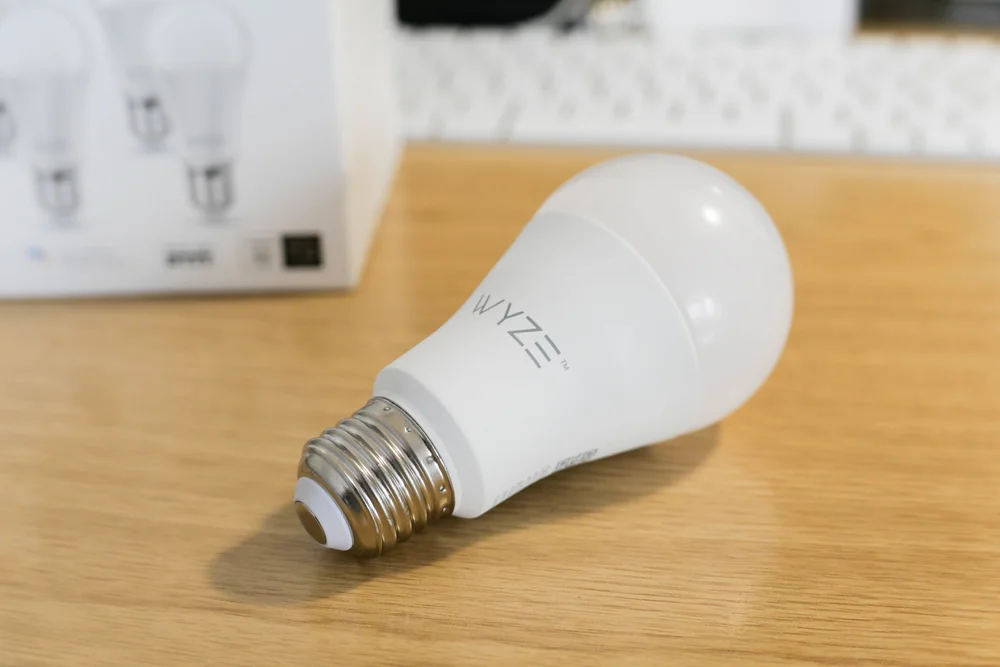
Switching to LED light bulbs is a simple step that yields significant energy savings. LEDs last up to 25 times longer than incandescent bulbs and use about 75% less energy, making them an excellent long-term investment.
They’re available in a wide range of brightness levels and colors to suit any room. Each bulb typically costs between $2 and $8, but they can save households $50 to $100 annually on electricity.
Many utility companies offer rebates for energy-efficient lighting, further reducing upfront costs. This switch is a cost-effective way to lower monthly energy bills and reduce waste.
Unplug Appliances When Not in Use

Turning off and unplugging appliances when not used stops them from using “phantom” energy, which can raise bills. This small action can help most homes save about $100 each year by unplugging devices that are not in use.
Items like phone chargers, TVs, and small kitchen tools often use energy even when off. To make it easier, try a power strip to turn off many devices at the same time.
This easy habit cuts energy waste and can bring clear savings over time.
Insulate Your Water Heater

Insulating your water heater and nearby pipes minimizes heat loss and improves efficiency. This simple upgrade ensures hot water stays hot for longer periods, reducing the energy needed to reheat it.
Materials for insulation cost between $20 and $50 and can be installed without professional assistance. Annual savings typically range from $20 to $45 on energy bills, depending on usage.
For homes with older water heaters, this improvement can make a noticeable difference in comfort and cost. Insulating your water heater is an affordable way to increase energy efficiency and keep utility bills in check.
Wash Clothes in Cold Water

Washing clothes in cold water is a simple habit that cuts energy use without losing cleaning strength. Today’s detergents are made to clean well in cold water, making the change easy.
There is no extra cost to start this habit, and families can save around $60 each year by not using energy to heat laundry water. This way is also softer on clothes, helping them last longer.
Using cold water is a free way to save energy, money, and time while keeping your laundry clean and fresh.
Use a Clothesline or Drying Rack

Air-drying clothes instead of using a dryer is an energy-saving practice that also extends the lifespan of your clothing. Drying racks and clotheslines range in cost from $10 to $50, making them a low-cost addition to any household.
The savings can total $50 to $150 annually, depending on dryer usage. Beyond saving energy, air-drying eliminates the risk of shrinkage or fabric damage caused by high dryer heat. This simple switch benefits both your wallet and your wardrobe.
Use Smart Plugs for Appliances

Smart plugs give an easy way to manage the energy used by home appliances. These devices connect to regular outlets and let users set times or control appliances from a distance to turn them on or off.
Smart plugs usually cost $10 to $30 and help lower extra energy use. For homes with many devices, smart plugs can save $50 to $150 a year on electric bills.
Some types also let you check how much energy is used, giving tips to improve your home’s energy use. They are a simple way to reduce energy waste and save cash.
Implement a Timer for Water Heater

Installing a timer for your water heater can cut down on electricity use by ensuring it only heats water when needed. These timers, which cost between $20 and $50, can be set to turn the heater on and off based on your household’s hot water usage patterns.
With the timer in place, households can save up to $100 annually by preventing the heater from running when it’s not necessary. The added benefit of this simple upgrade is that it increases the lifespan of your water heater by reducing constant use.
Installing a water heater timer is an affordable way to improve energy efficiency and lower utility costs.
 If you like what you are reading, then click like and subscribe to my newsletter. We share tips to waste less time and money.
Upgrade to Energy-Efficient Appliances

Switching old appliances to energy-saving ones can save a lot of money over time. Energy-saving refrigerators, washing machines, and dishwashers use up to half the energy compared to older types.
These appliances usually cost between $400 and $1,500 at the start, but they help cut energy bills by $100 to $500 each year. Many also come with Energy Star rebates and tax credits, which reduce the initial price.
Energy-saving appliances are a good choice that will keep saving you money as you keep using them.
Install Solar-Powered Outdoor Lights

Solar-powered lights offer an eco-friendly and cost-effective way to illuminate outdoor spaces. These lights charge during the day and automatically turn on at night, providing reliable lighting without increasing electricity bills.
Initial costs range between $20 and $100 per light, but the long-term savings and low maintenance make them a worthwhile investment. Households can save $10 to $50 annually while enjoying enhanced outdoor security and ambiance.
Solar lights are a practical solution for reducing energy use in outdoor settings
Create a DIY Compost Bin
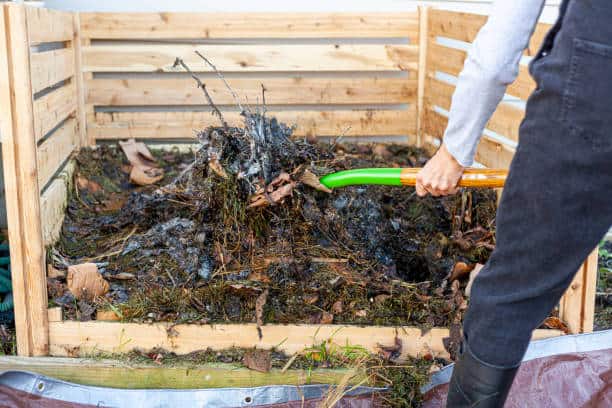
Making compost at home cuts down on waste and produces healthy soil for your garden. You can make a compost bin for $20 to $50 using simple things like wood or plastic. Over time, this can help families save $50 to $100 each year on fertilizers and other soil products.
Composting is good for the environment because it lowers trash sent to landfills and helps reduce harmful gases. This easy project brings lasting good results for your garden and the Earth.
Composting Tricks: 19 Tips to Turn Your Food Waste into Gold
Maintain Your HVAC System

Regular maintenance of your HVAC system is key to maximizing its efficiency and extending its lifespan. This involves replacing air filters, cleaning ducts, and scheduling annual inspections.
Air filters typically cost between $5 and $20 each, with HVAC service visits ranging from $100 to $200 annually. Keeping the system well-maintained can reduce energy costs by 10% to 20%.
Over time, this reduces the need for costly repairs or premature replacement. Investing in regular HVAC maintenance ensures your system runs efficiently and saves money in the long run.
Install a Low-Flow Toilet

A low-flow toilet uses less water each time it flushes, cutting down on water and energy use. These toilets use about 1.28 gallons per flush, while older ones use between 3.5 and 5 gallons.
Low-flow toilets usually cost $150 to $400, but they can save a home up to $100 every year on water bills. Some states also give rebates for water-saving devices, which lowers the starting cost.
In the long run, putting in a low-flow toilet helps save water and reduces bills without losing how well it works.
Switch to a Tankless Water Heater

A tankless water heater heats water on demand, eliminating the energy loss associated with traditional tank models. These units typically cost between $400 and $1,500, with installation fees varying depending on the home.
Tankless water heaters can save $100 to $300 annually in energy costs, as they only heat water when needed. They also last longer than traditional heaters, with lifespans of 20 years or more.
Federal tax credits may cover up to 10% of the cost of installing an energy-efficient tankless model. This upgrade is ideal for households looking to reduce energy use and save on water heating costs.
Organize Your Pantry Efficiently

Organizing your pantry well helps cut down on food waste by making sure you use items before they go bad. Use clear bins, labels, and shelves to easily see what you have and stop buying extra duplicates.
This easy organizing method costs about $30 to $100 for containers and organizers, depending on your pantry size. With better order, you can reduce food waste by up to 20%, which might save you $200 to $500 each year.
Just by rearranging your pantry, you make things run smoother and save money on groceries.
Install Ceiling Fans

Ceiling fans circulate air and make rooms feel cooler during the warmer months, allowing you to reduce air conditioning use. These fans cost between $50 and $200, with installation fees depending on the complexity of the job.
In hot climates, using ceiling fans can save $100 to $300 annually by reducing the need for air conditioning. They are also useful during the winter to circulate warm air and improve comfort.
Installing ceiling fans is a cost-effective way to improve indoor comfort and reduce energy consumption.
Implement Energy-Efficient Landscaping

Energy-saving landscaping, like planting trees or bushes close to windows, can lower your cooling and heating bills. Trees give shade that cools your home in the summer, cutting down on air conditioning use.
Landscaping work usually costs $100 to $1,000, based on the plants and the size of the space. Over time, these changes can save you $100 to $300 each year on cooling bills. Good landscaping also makes your home look nicer while helping you spend less on energy.
Make Use of Leftovers

Making the most of leftovers is a practical and money-saving habit. Repurposing leftover meals reduces food waste and minimizes the need to buy extra ingredients. Using leftovers efficiently has no cost, but it can save a household up to $500 annually by cutting down on grocery bills.
Simple meal planning can help ensure that leftover food gets used before it spoils, maximizing every purchase. This time-saving habit not only reduces waste but also helps control spending.
Use Draft Stoppers on Doors and Windows

Draft stoppers block cold air from coming in and stop warm air from going out, making your home feel more comfortable all year. These easy-to-use tools cost about $10 to $30 each and can be put on doors and windows without trouble.
By stopping drafts, draft stoppers can help you save up to $100 a year on heating and cooling bills. They also make your home feel nicer, especially in very hot or cold weather. This low-cost fix gives quick results with little work.
Maximize Savings and Efficiency at Home

Using these easy home tips in your daily life can help you save money and use less energy. Every little change counts, lowering bills and saving resources while keeping you comfortable. Whether you replace old appliances, add better insulation, or make simple fixes, these actions bring great results.
Doing this now can bring lasting good effects for your budget and the planet. Begin trying these ideas to have a home that works better and costs less.
If you like what you just read, then subscribe to my newsletter.
- Is Your Microwave Gross? 8 Quick And Easy Microwave Cleaning Hacks!
- How to Be More Sustainable and Save Money
AI was used for light editing, formatting, and readability. But a human (me!) wrote and edited this.