America’s Job Market Is Cracking And What It Means for Investors in 2026
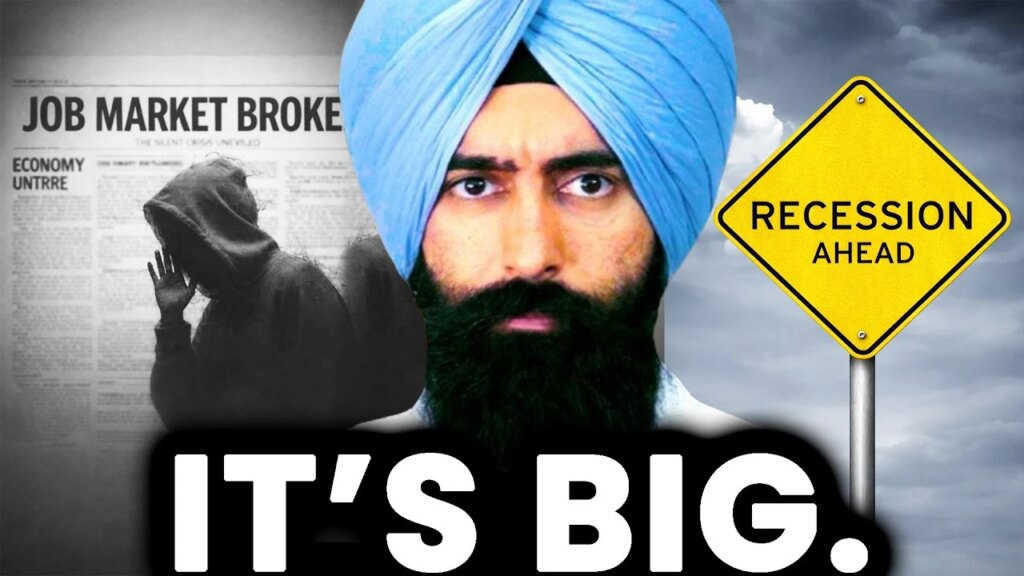
The U.S. job market is flashing warning signs again. Unemployment is climbing at the fastest pace since the pandemic, corporate layoffs resemble recession-level cuts, and job openings have fallen to their lowest point since 2009. Even strong candidates are struggling to find work. Yet in a strange twist, investors are hoping these weak numbers lead to something else: more government stimulus and more money entering the system.
An Investor Workshop for This New Reality
With 2026 shaping up to be a year of major economic shifts, a free investor workshop is set for January 13th, with sessions at 10:30 a.m. and 8:00 p.m. Eastern. These workshops have reached capacity before, and this one focuses on how to position your investments as the landscape changes. Registration is strongly encouraged.
Why the Job Market Is Deteriorating
Three major forces are contributing to the current downturn. First, tariffs meant to bring jobs back to the U.S. have caused a net loss of jobs instead. Companies have faced higher costs and passed those pressures onto workers. Second, AI adoption has replaced entire categories of labor. Large companies are cutting thousands of positions and turning to automation for efficiency. Third, credit tightening has reduced consumer and business spending. Bank reserves are at their lowest levels since the pandemic, leaving fewer loans available and slowing economic activity.
Is the U.S. Already in a Recession?
The economic signals are mixed. A recession requires two consecutive quarters of contraction. The first quarter of 2025 shrank by 0.5%, but the second quarter surged by 3.8%. The third quarter is delayed, but expectations point to positive growth. All attention is now on whether the fourth quarter will swing negative. If it does, the recession debate becomes much harder to dismiss.
How Wall Street Sees the Job Market
Wall Street isn’t panicking. In fact, it’s optimistic. A deteriorating job market increases the probability of Federal Reserve rate cuts and more liquidity entering the system. The U.S. government is projected to spend nearly $7 trillion in 2025, with $2 trillion of that coming from debt. Government spending acts like fuel contracts go to businesses, checks reach households, and asset prices often rise as a result.
Why Stimulus Helps Investors More Than Workers
Stimulus doesn’t hit everyone equally. Inflation is up roughly 25% over the past five years, while median income is up only about 23%. But the stock market has climbed around 85% in the same period. When money enters the system, assets react faster than wages. That’s why investors tend to benefit more than workers or consumers.
Investment Strategies for This Environment
The long-term stock market average is still about 10% per year, even with recessions. Passive ETFs like SPY remain one of the simplest ways to participate in that growth. A consistent strategy “Always Be Buying” continues to outperform market timing. Investors looking for more volatility and upside often turn toward QQQ, which tracks the NASDAQ 100.
Active investors, meanwhile, look for where money is moving before the headlines catch up. Shifts like AI expansion, global interest rate changes, and corporate cost-cutting can reveal emerging opportunities.
Economic Signals That Affect Your Portfolio
Tariffs, AI job displacement, and credit tightening are slowing the economy. Meanwhile, the Federal Reserve is injecting more liquidity to counteract the slowdown. Historically, asset prices rise when money creation accelerates.
The Housing Market Still Faces Pressure
High home prices, elevated mortgage rates, and low inventory continue to strain the housing market. The Federal Reserve has already cut interest rates three times in 2025, but affordability hasn’t meaningfully improved. The Fed has warned that buyers shouldn’t expect quick relief.
A Chance to Prepare for 2026
With economic conditions shifting rapidly, investors have a narrow window to prepare. The January 13th live workshop will cover how to position your investments for what’s ahead, from recession risk to opportunities emerging in 2026. Registration is free, but space is limited.
Jaspreet Singh is not a licensed financial advisor. He is a licensed attorney, but he is not providing you with legal advice in this article. This article, the topics discussed, and ideas presented are Jaspreet’s opinions and presented for entertainment purposes only. The information presented should not be construed as financial or legal advice. Always do your own due diligence.