25 Extra Costs That Can Raise the Price of Buying a Home


Imagine finally finding your dream home, thinking about family get-togethers and quiet nights inside. The excitement feels real, but many new homeowners don’t see the extra costs that can add up fast.
I have worked as a real estate investor and landlord for over 20 years, and I’ve seen many people miss how much owning a home really costs. It’s not just the price you pay at the start; it’s the ongoing money needed to keep the house in good shape.
A recent study by Bankrate shows these hidden costs have gone up a lot, rising 26% since 2020. Homeowners now spend about $18,118 each year on extra bills, which means around $1,510 more a month on top of the mortgage.
This guide lists 25 hidden costs every buyer should know before buying a home. Knowing these costs helps you plan your budget well, lowers stress, and makes owning a home easier and more enjoyable.
What extra costs surprised you the most? Are there any bills you wish you had counted on earlier? Share your thoughts in the comments!
Homeowners Insurance

Homeowners insurance is one of those costs that’s easy to overlook when calculating monthly expenses, but it’s something most lenders require before finalizing a loan. Rates depend on factors like the location, size, and age of the home, along with the level of coverage you choose.
While it’s tempting to go with the cheapest option, it’s worth making sure the policy actually covers what you need. Comparing quotes and understanding the fine print can save money while keeping you fully protected.
Planning for this ongoing cost helps avoid financial headaches if disaster strikes.
Property Taxes

Property taxes depend on how much your home is worth, and you must pay them every year. The rates change a lot based on the place, and they usually go up over time as home values grow.
Many new homebuyers think mostly about their mortgage payments and don’t include taxes well in their budgets. Looking at local tax rates and guessing future rises can help you understand what to expect better.
Getting ready for this ongoing cost makes it simpler to pay on time without stress.
Homeowners Association (HOA) Fees

If you’re buying a home in a neighborhood with a homeowners association, you will likely need to pay HOA fees. These fees pay for things like taking care of shared spaces, landscaping, and community facilities. The cost can be a few hundred to several thousand dollars each year.
The fee amount depends on the area and the services offered. It’s important to check the HOA rules and plan for these costs before you buy, because they are required. Understanding what is covered can help you decide if the extra cost is worth it.
Closing Costs

Closing costs cover the fees needed to officially complete a home purchase, and they usually add up to 2% to 5% of the home’s price. These costs pay for things like appraisals, legal services, and title searches, important steps to make sure everything is in order before the keys are handed over.
Many people don’t realize just how much these expenses can total until they’re close to signing the paperwork. Setting aside extra funds early can help avoid stress and keep things moving smoothly. Preparing for these fees upfront means fewer surprises and a smoother closing day.
Don’t Buy Your Next Home Without Reading These Insider Tips First
Home Inspection Fees
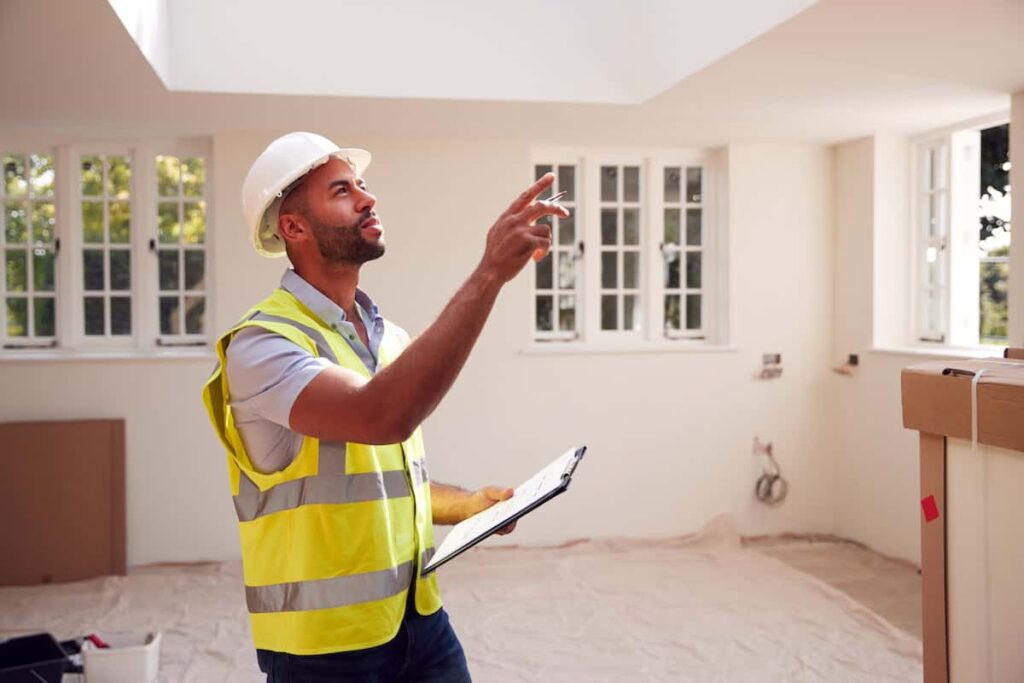
A home inspection lets a professional check the condition of the property before you buy. It costs a little but can protect you from big repair costs later.
The price varies based on the size and place of the home, but skipping this step might cause costly problems after you move in. Inspectors look at everything, from the roof to the foundation, and give you a clear report of any problems.
Paying for an inspection now can help you feel sure and calm about your choice.
Property Appraisal Fees
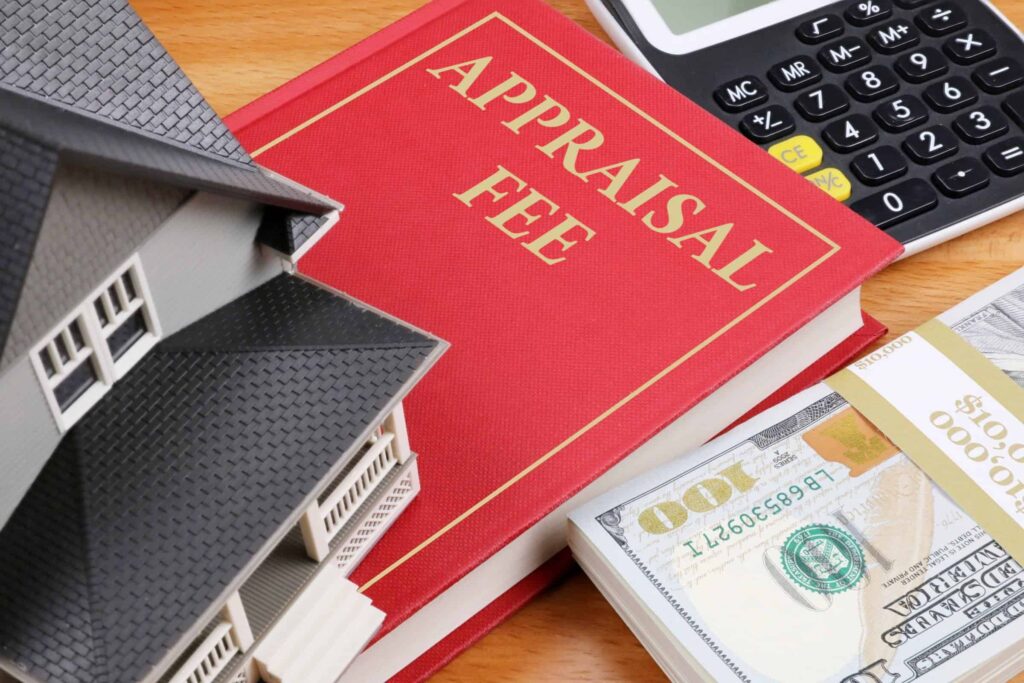
Before a lender agrees to give you a loan, they need to check if the home is worth the price you want to pay. This is done through a property appraisal. The cost for an appraisal can be a few hundred dollars or more than a thousand, depending on the location and size of the home.
Many people don’t plan for this cost, and it can add up fast. Including this fee in your budget helps keep things running smoothly and stops money worries at the last minute. An appraisal is not only needed but also helps you avoid paying too much.
Buy a House with No Money Down? Here’s How I Did It!
Moving Costs

Moving into your new home is not just about signing papers; it also means taking all your belongings with you. Moving costs can grow fast, especially if you hire movers, rent a truck, or buy packing materials.
The cost changes based on the distance you travel and the amount of stuff you have, so it helps to get price estimates early. Many do not know how much moving will cost until it is too late, causing surprise expenses.
Maintenance and Repair Costs

Owning a home means taking care of it, and that’s where maintenance and repairs come in. Experts recommend budgeting around 1% of the home’s value each year for upkeep, covering things like fixing leaky faucets, maintaining heating and cooling systems, and even replacing appliances.
It’s easy to overlook these costs when focusing on the purchase price, but repairs can add up fast, especially if something major breaks. Setting aside a maintenance fund can help avoid financial strain when unexpected issues pop up.
Keeping up with regular maintenance also protects your home’s value in the long run.
Utility Connection Fees

When you start living in your new place, you’ll have to set up utilities like electricity, water, gas, and internet. These often come with start-up fees and deposits, especially if it’s your first time using the service.
The cost can be small or quite big depending on the company and your location. Many don’t plan for these costs until moving day, which can cause hold-ups in getting everything working.
Getting ready for these fees early helps you move in smoothly without extra problems.
Renovation and Improvement Costs

Making changes to a home is common, such as updating outdated features or adding personal touches. Renovation costs can vary widely depending on the size and scope of the project, and many homeowners underestimate how quickly expenses accumulate.
Even smaller upgrades, like painting walls or replacing light fixtures, can stretch a budget. Larger projects, such as remodeling kitchens or bathrooms, often require significant planning and resources.
Setting realistic expectations and prioritizing improvements can help avoid overspending while making the home more comfortable and functional.
Emergency Fund Allocation

Owning a home often comes with unexpected repairs, which is why having an emergency fund is so important. Experts recommend saving at least three to six months’ worth of living expenses to cover sudden costs, such as roof leaks, plumbing issues, or appliance breakdowns.
Without a backup fund, homeowners may find themselves scrambling to cover these expenses, especially if they happen all at once. Building this financial cushion reduces stress and allows repairs to be handled quickly.
Being prepared for emergencies helps protect both the home and long-term finances.
Landscaping and Yard Maintenance

Caring for outdoor areas is another cost that is often missed. Landscaping expenses can involve first-time plans, planting trees, or putting up fences, as well as regular work like cutting grass, cutting bushes, and watering plants.
These jobs can take a lot of time and money, especially if the property is big. Many home owners also pay for professional help, which can raise costs even more. Keeping the yard tidy not only makes the home look nicer but also keeps the property’s value up.
Getting ready for these costs helps outdoor spaces stay nice and useful all year long.
Lenders Mortgage Insurance (LMI)
If your down payment is less than 20%, you might have to pay lenders mortgage insurance, which protects the lender in case you can’t make your payments. The cost depends on the loan size and down payment amount, and it’s usually added to your monthly mortgage payment or paid upfront at closing.
Many buyers are caught off guard by this expense, especially if they’re focused only on the loan itself. Saving for a larger down payment can sometimes help avoid this fee altogether. Factoring this cost into your budget ensures no surprises during the loan approval process.
Title Insurance

Title insurance guards you against legal issues tied to owning a property, like mistakes in public records or fights over who owns it. You pay once at closing, and the price depends on the home’s value and where it is.
Most people don’t know how needed this protection is until problems happen, causing expensive court cases. Adding title insurance to your costs gives you confidence that your ownership is safe.
It’s an easy way to protect one of the biggest purchases you will make.
 If you like what you are reading, then click like and subscribe to my newsletter. We share tips to waste less time and money.
Transfer Taxes

When you buy a home, transfer taxes are charged to officially transfer ownership, and these fees vary depending on local laws. The cost is usually based on the property’s value, and it can catch buyers off guard if it’s not included in the budget.
Checking the rates in your area ahead of time can give you a clearer idea of what to expect. Accounting for this tax helps prevent any last-minute financial surprises at closing. Planning for it keeps the process running smoothly and avoids delays in finalizing the purchase.
Pest Inspections and Treatments

Many homeowners have to deal with pests, especially in places where termites, rodents, or bugs are common. Checking your home often can find problems early, but these checks usually have service charges.
If pests are found, treatment can cost hundreds or even thousands of dollars, based on how bad the problem is. Not fixing pest issues can cause damage to the house and lead to bigger repair costs later.
Planning regular checks and saving money for pest control helps keep homes safe and stops bigger costs later on.
Home Warranty Costs

A home warranty gives protection for key systems and appliances, like heating, plumbing, and electrical parts, if they stop working. Yearly plans usually cost between $300 and $600, based on how much is covered.
Though this cost is optional, it can bring comfort to homeowners worried about sudden repair bills. Many warranties also include items like refrigerators and dishwashers, which helps cover repair or replacement costs without spending a lot.
This kind of coverage is especially useful for older houses with worn-out systems.
Security System Installation and Monitoring

Installing a security system can improve safety, but it’s also another cost to consider. Basic installations may start at a few hundred dollars, while more advanced systems with cameras, sensors, and smart features can cost much more.
Monthly monitoring services often add to the expense, creating an ongoing payment. For many homeowners, the added protection is worth the investment, especially in areas with higher crime rates. Planning for these costs ensures better security without disrupting the household budget.
Title Search Fees

Before buying a property, a title search must be done to prove who owns it and to find any legal problems, like debts or claims on it. This step is often part of closing costs, but the price can change based on where the property is and how tricky the records are.
Making sure the title is clear guards against future problems that could endanger your ownership. Many buyers think this step is done without extra effort and don’t set aside money for it. Being ready for this cost helps complete the sale with peace of mind and stops problems after closing.
Homeowners’ Association (HOA) Special Assessments
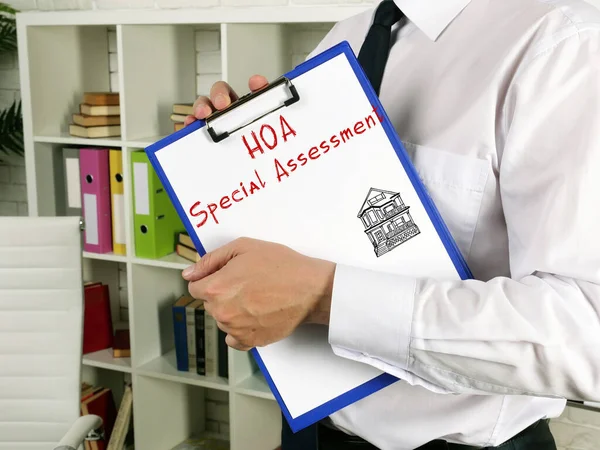
In addition to regular HOA fees, some communities impose special assessments for unexpected repairs or upgrades to shared areas. These one-time charges can range from a few hundred to several thousand dollars, depending on the project’s size.
Homeowners often aren’t aware of upcoming assessments until they move in, making it important to ask about them before buying. Planning ahead for these costs can help avoid financial surprises later.
Reviewing the HOA’s financial health and history of assessments provides a clearer picture of future obligations.
Flood Insurance
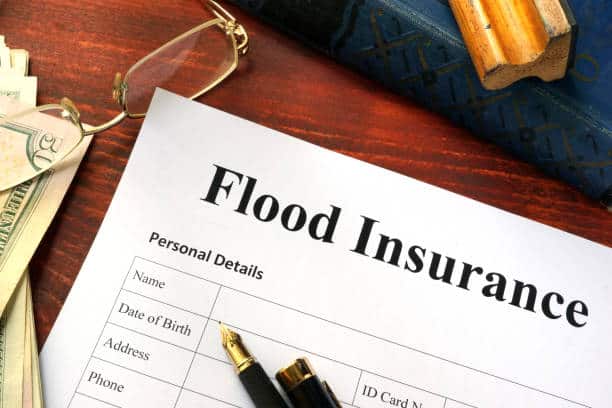
Flood insurance is usually needed in places that flood often, and it is different from regular homeowners insurance. The cost depends on things like how high the land is, how close the home is to water, and local flood areas, but it can be pricey.
Many buyers think regular insurance pays for flood damage, then learn later it does not. Looking at flood maps and cost estimates before buying a home can help get ready for this expense.
Having protection against water damage brings calm and lowers money problems during storms or natural events.
Home Energy Audits
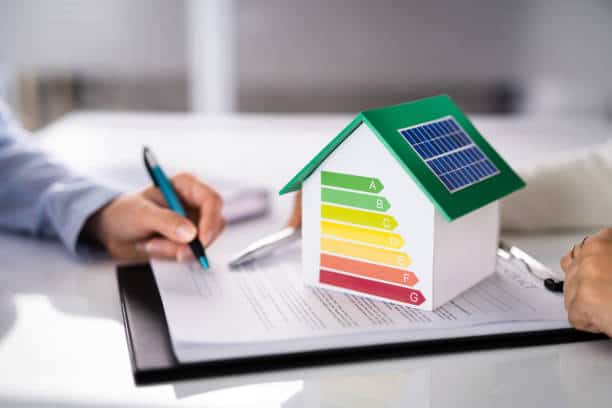
A home energy audit assesses how efficiently the property uses energy and identifies areas where improvements can lower costs. Professional audits typically cost a few hundred dollars but can lead to long-term savings through better insulation, upgraded windows, and energy-efficient appliances.
Many homeowners overlook these upgrades until utility bills start rising. Investing in energy efficiency early can cut monthly expenses and make the home more comfortable. Planning for these improvements also helps reduce environmental impact over time.
Furniture and Decor Expenses

Buying and decorating a home usually costs more money than many people think. After moving, it’s common to need new furniture, curtains, rugs, and decorations to make the home feel finished.
Bigger rooms or open layouts often need more items, and making things custom can make prices go up fast. Most homeowners focus on must-haves first and improve their space little by little to save money.
Making a plan for each room helps keep a good mix of style and comfort without spending too much.
Legal Fees

While not always required, hiring a lawyer can be helpful for reviewing contracts, handling disputes, or addressing legal questions related to real estate transactions. Legal fees vary based on the complexity of the situation, and some homeowners may also need advice on zoning laws or permits for renovations.
Although these services add extra costs, they often provide protection against costly mistakes. Including legal fees in the budget ensures access to professional guidance when needed. Having support during complicated transactions can bring added peace of mind.
If you like what you are reading, then click like and subscribe to my newsletter. We share tips to waste less time and money.
Interest Rate Lock Fees

Locking in a mortgage interest rate can help secure predictable payments, but this option sometimes comes with a fee. Lenders may charge based on how long the rate is held, and extensions can increase costs even more.
Many buyers don’t think about this added expense until rates start rising, leaving them with fewer options. Factoring in the cost of a rate lock can make budgeting easier and prevent last-minute adjustments.
Protecting a favorable interest rate is often worth the upfront expense, especially in a changing market.
The True Cost of Homeownership

Owning a home is more than just paying the mortgage; there are many extra costs that can add up fast. Getting ready for things like repairs, insurance, taxes, and fees can help you avoid surprise money problems.
Knowing these costs helps you make a better budget and feel sure about your choice. With good planning, owning a home can be both satisfying and easy to handle.
Spending time to think about all expenses makes sure you are prepared for the full money responsibility of having a home.
If you like what you just read, then subscribe to my newsletter.
- 21 Simple Upgrades to Transform Your Home on a Budget
- Do NOT Buy These for Your Home: 24 Regrets from Homeowners
AI was used for light editing, formatting, and readability. But a human (me!) wrote and edited this.