19 Outdated Appliances You Need to Replace
Old appliances often stay unnoticed but quietly cause high energy bills and waste your money. They may still work, but their poor efficiency can cost much more than you expect.
As new technology grows, keeping these old models can mean losing helpful, time-saving features that make daily life easier. Changing or upgrading appliances might feel like an extra cost at first.
When you add up energy savings, lower repair costs, and improved performance, the cost begins to feel worth it. New appliances are built to do more using less power, less time, and less effort.
Here, we list 19 old appliances that could be wasting your money. Each includes advice to help you choose better options that save cash and work better.
Non-Convection Ovens

Non-convection ovens can be costly to operate due to their uneven heat distribution and longer cooking times. These traditional models rely solely on radiant heat, which often leads to inconsistent baking results and wasted energy.
Convection ovens, on the other hand, use a fan to circulate hot air evenly, reducing cooking time and energy usage. They deliver better cooking results, allowing you to bake, roast, and cook with greater efficiency.
Upgrading to a convection model helps lower energy bills while enhancing your cooking experience.
Old Dishwashers (10+ Years Old)

Dishwashers older than ten years use much more water and electricity compared to new ones. These machines usually do not have smart sensors that change water use depending on how full they are or how dirty the dishes are. Because of this, they waste energy and resources each time they run.
New dishwashers have energy-saving options, better spray systems, and work more quietly. They clean dishes well and help lower your water and power costs. Buying a newer model can save money over time and make your kitchen work better.
Electric Water Heaters Without Insulation
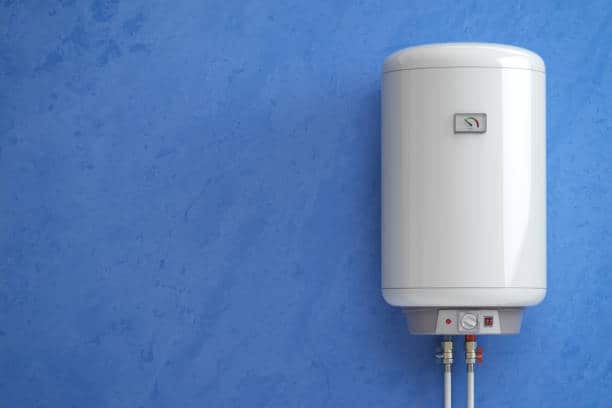
Older electric water heaters often lose heat rapidly due to inadequate insulation, leading to higher energy costs as they work harder to maintain hot water temperatures. This energy loss can become even more noticeable in colder climates or poorly insulated spaces.
Modern water heaters come with improved insulation and energy-saving features that reduce standby heat loss. Tankless water heaters are another efficient option, providing hot water on demand without the need to maintain a constant reservoir of heated water.
Making the switch can significantly lower your utility expenses.
Old Refrigerators (15+ Years Old)
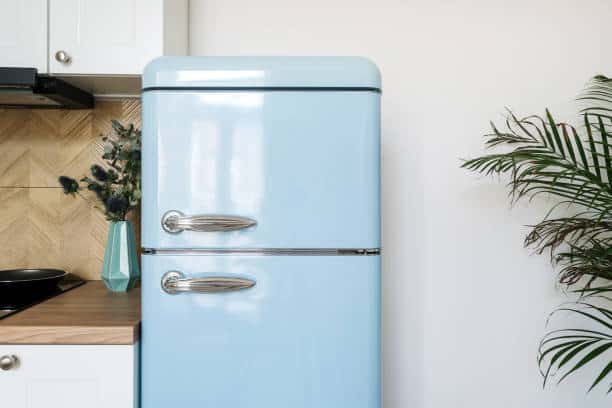
Refrigerators made more than 15 years ago use up to 60% more electricity than newer ones. These old models do not have better cooling systems or good insulation, so they run all the time and increase electric bills.
They can also leak coolant and have unstable temperatures, which may spoil food. New refrigerators have things like inverter compressors, smart temperature settings, and improved insulation that keep food cool steadily while using less energy.
Changing to a newer, energy-saving fridge can cut your utility bills a lot and help keep food fresh longer.
Inefficient Freezers
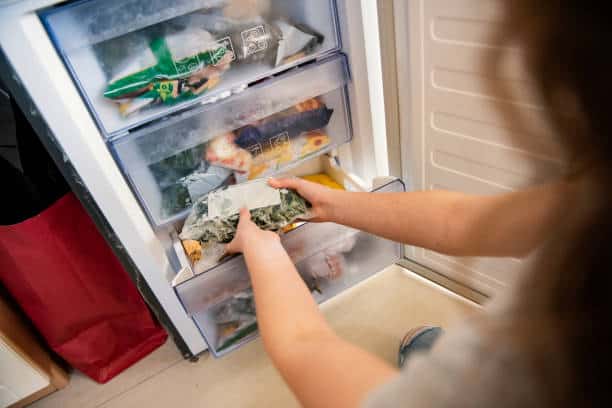
Older freezers, especially upright models, are notorious for consuming excessive energy. Their outdated compressors and poor insulation often force them to run longer to maintain low temperatures.
This not only leads to high power bills but also increases wear and tear on the appliance, shortening its lifespan. Chest freezers are generally more energy-efficient because they retain cold air better when opened.
New models equipped with energy-saving technologies use less electricity and keep your frozen goods at optimal temperatures. Upgrading ensures you cut costs and protect the environment.
Traditional Top-Loading Washing Machines (Without HE Technology)
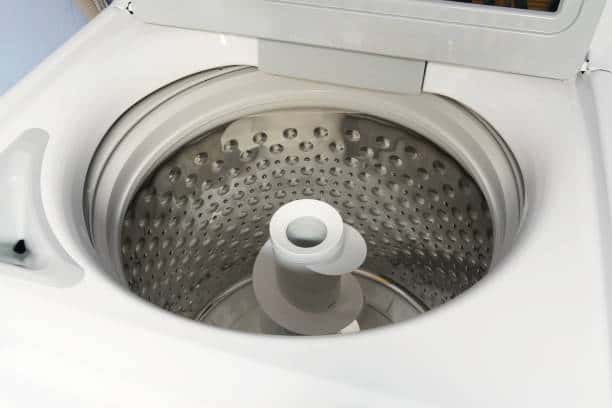
Traditional top-loading washing machines use a lot more water and energy than modern high-efficiency ones. Older machines typically use about 40 gallons of water for each load, while new front-loaders use under 15 gallons.
They also need more detergent and take longer to wash clothes thoroughly. On the other hand, high-efficiency washers have shorter wash times, stronger spinning, and better cleaning methods. These improvements save water and energy and help your clothes last longer by handling fabrics more gently.
Outdated Air Conditioners (Window and Central Units)
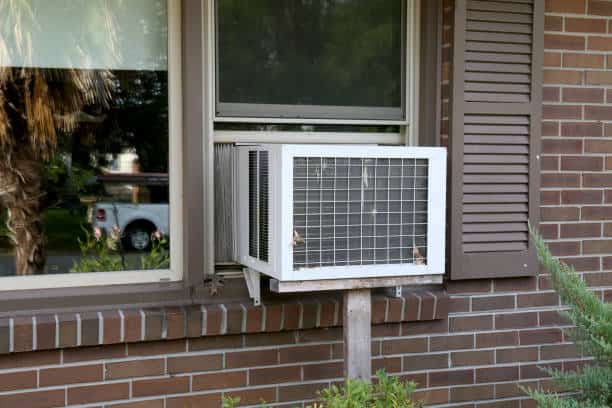
Older air conditioning units are notorious for their inefficiency, consuming up to 30% more electricity than modern models. They often struggle to maintain consistent temperatures and require frequent maintenance to keep running.
Outdated refrigerants also used in older units contribute to environmental harm. Modern air conditioners are built with eco-friendly refrigerants, energy-efficient compressors, and smart thermostat compatibility that optimizes cooling while using less power.
Upgrading to a high-SEER unit can drastically reduce energy bills and improve indoor comfort.
CRT (Cathode Ray Tube) Televisions
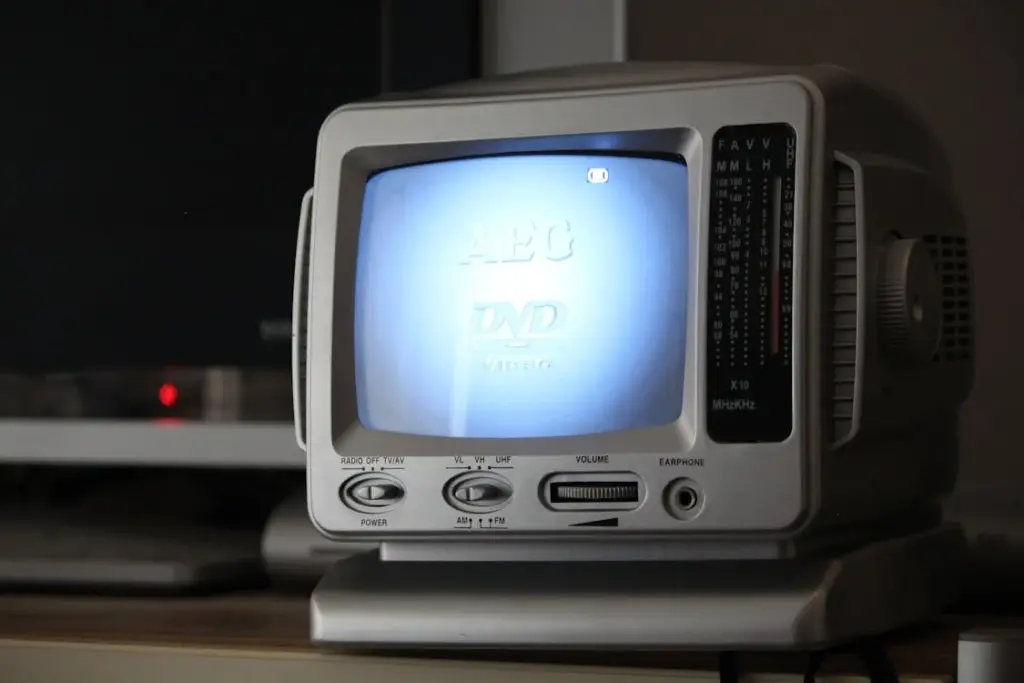
CRT televisions used to be common in homes but are now old and use a lot of energy compared to today’s flat-screen TVs. These large TVs use more power and show pictures that are not as clear or sharp. They also get very warm, which makes your cooling system work harder.
Changing to LED or OLED smart TVs gives you better picture quality, saves energy, and takes up less space. This change can lower your electric bills and update your entertainment system.
 If you like what you are reading, then click like and subscribe to my newsletter. We share tips to waste less time and money.
Outdated Microwaves
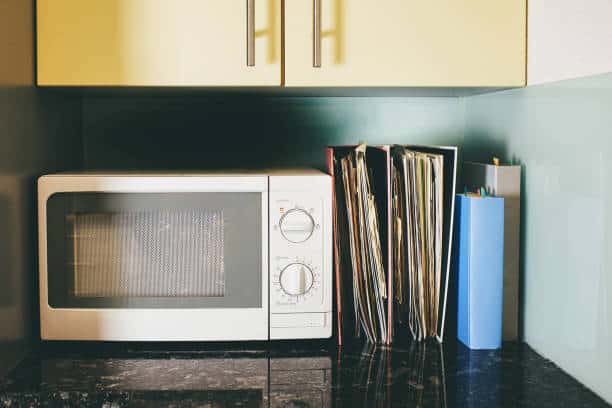
Older microwave ovens tend to be less energy-efficient and often struggle to provide consistent heating. These units can also have outdated safety features, increasing the risk of malfunction or overheating.
Newer models come with inverter technology that delivers more precise cooking power and reduces energy consumption. They also include additional features like sensor cooking and energy-saving modes. Upgrading ensures faster, more even heating and lower energy costs.
Outdated Ceiling Fans
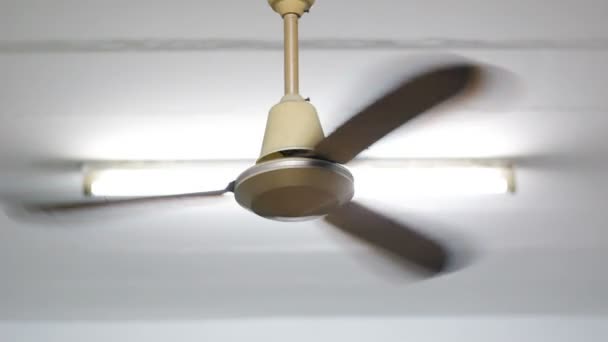
Older ceiling fans can be energy hogs and are often less effective at circulating air. Worn-out motors and inefficient blade designs require more power to maintain airflow.
New models are equipped with energy-efficient motors and aerodynamic blade designs that provide better cooling while consuming less electricity. Upgrading your ceiling fans not only cuts down on energy expenses but also improves airflow and enhances home comfort.
Inefficient Space Heaters
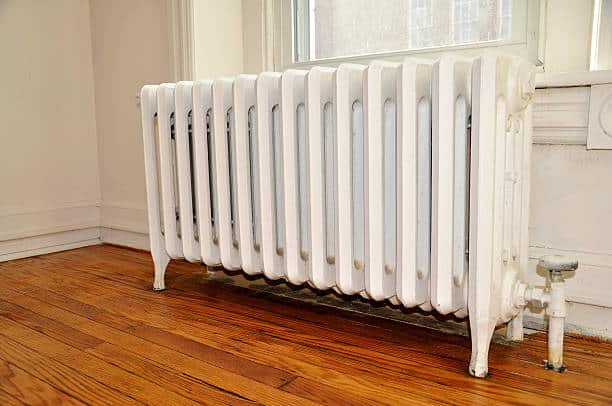
Older space heaters are well known for using a lot of electricity and having few safety tools. They often use much power and do not spread heat evenly.
New space heaters have things like ceramic parts, energy-saving settings, and protection if they fall. These new tools give safer and cheaper ways to heat.
Choosing a newer model means you get more heat and pay less for energy in the cold seasons.
Old-School Humidifiers
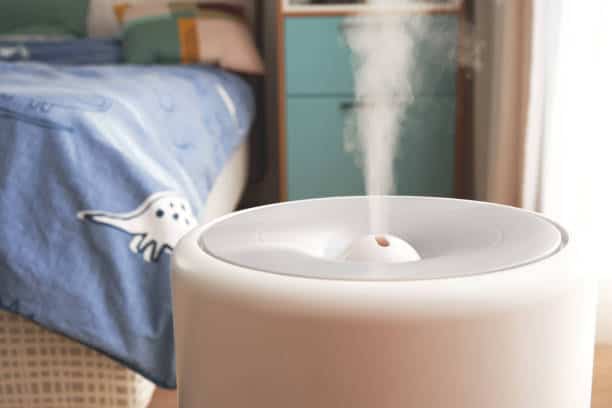
Traditional humidifiers often use inefficient methods to produce moisture and require frequent maintenance to prevent mold buildup. They can consume excessive power and struggle to maintain consistent humidity levels.
Newer models come with features such as ultrasonic technology, better water filtration, and energy-efficient components. These improvements create a healthier home environment and reduce electricity costs.
Upgrading helps maintain proper humidity levels with less hassle and lower expenses.
Old Vacuum Cleaners (Without HEPA Filters)

Old vacuum cleaners usually use more electricity and do a poorer job of catching dust and allergens. Without HEPA filters, they put tiny particles back into the air, hurting the air inside your home.
They also weigh more and are harder to move around, making cleaning more tiring. New vacuum cleaners have better filters, are lighter, and use motors that save energy.
Getting a new one gives you a cleaner house, stronger suction, and lower energy costs.
Outdated Coffee Makers

Older coffee makers often lack energy-saving features and temperature control, leading to higher electricity use and inconsistent brew quality. They may also have worn-out components that affect the flavor of your coffee.
New models come with programmable settings, thermal carafes, and automatic shut-off functions that optimize energy use and enhance convenience. Switching to a modern coffee maker not only improves the quality of your brew but also saves on energy costs over time.
Old-Toaster Ovens

Toaster ovens used for many years often use more energy and may heat unevenly. Old heating parts and weak insulation cause energy loss and take longer to cook food.
Newer toaster ovens have better features like fan heating, improved temperature control, and energy-saving options. Buying a new toaster oven saves energy and cooks food more evenly and quickly.
Non-Energy Star Certified Water Coolers
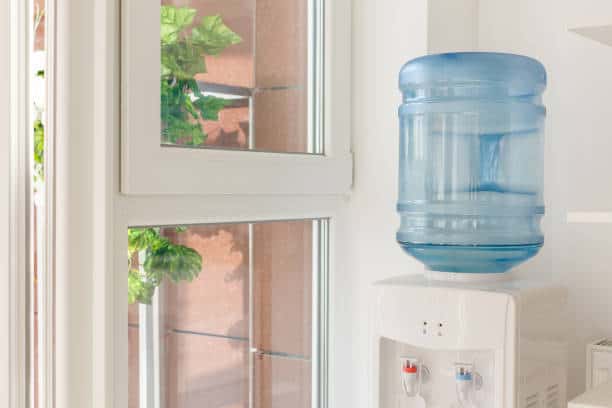
Water coolers without an Energy Star certification consume more electricity and often have outdated cooling systems. These units require continuous operation to keep water at desired temperatures, leading to higher power bills.
Modern water coolers are designed with energy-efficient compressors and smart temperature controls that reduce electricity use while providing consistent cooling. Replacing your old water cooler can lead to noticeable savings and a more sustainable kitchen setup.
If you like what you are reading, then click like and subscribe to my newsletter. We share tips to waste less time and money.
Inefficient Clothes Dryers
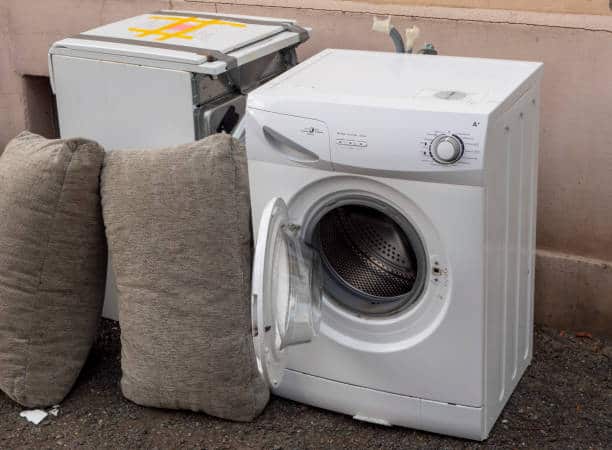
Older clothes dryers use a lot of energy and often need more time to dry clothes. Their old heating parts and no moisture sensors cause wasted energy and extra wear on clothes.
New dryers have smart moisture sensors, improved drum shapes, and eco-friendly drying settings that save power.
Getting a new energy-saving dryer can shorten drying times, reduce energy costs, and help your clothes last longer.
Outdated Electric Ranges
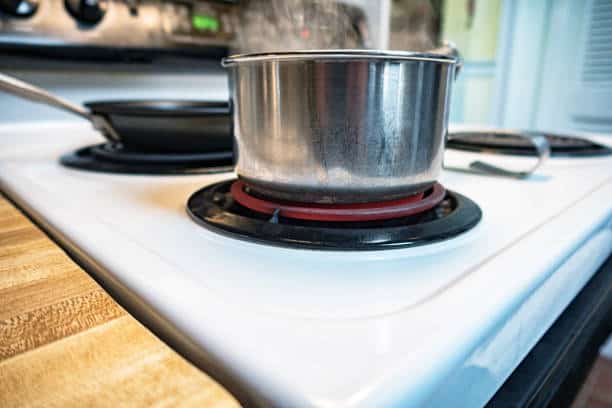
Electric ranges that lack modern features can be both energy-inefficient and cumbersome to use. They often have uneven heating, slower response times, and require more energy to maintain consistent temperatures.
Newer models come with rapid heating elements, better temperature control, and energy-efficient components that improve cooking performance while reducing power consumption.
Replacing an outdated electric range enhances kitchen efficiency and saves on utility costs.
Inefficient Dehumidifiers
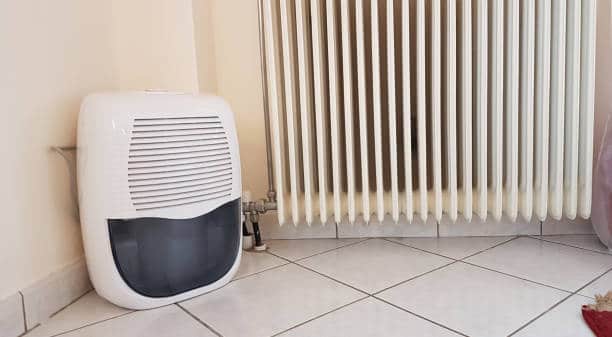
Older dehumidifiers use a lot of electricity and often cannot keep the right humidity levels. Their old compressors and no energy-saving parts cause high power bills and uneven work.
New models have improved energy use, smart sensors, and automatic shutoff that balance moisture control and save power. Getting a new one helps create a healthier home and cuts energy costs in damp places.
Upgrade for Savings and Efficiency

Old appliances are costing you more than you think, in energy costs and how well they work. Buying new, energy-saving models lowers costs and makes your everyday life easier. Better features and designs help you do chores faster and safer.
Simple changes now can save you a lot over time. Check your appliances and choose good upgrades to make your home more affordable and efficient.
If you like what you just read, then subscribe to my newsletter 
- 21 Ways to Make Your Home More Energy Efficient
- 28 Frugal Home Hacks You Need to Try for Instant Savings
AI was used for light editing, formatting, and readability. But a human (me!) wrote and edited this.