The Retirement Planning Rule That Doesn’t Work If You’re Single
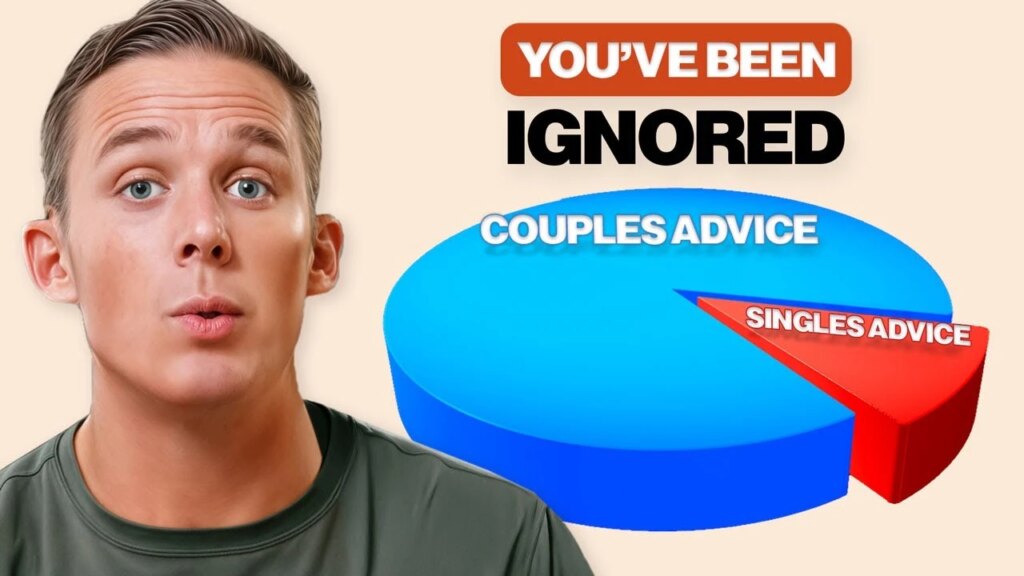
Most retirement planning advice is built around couples. Two incomes. Shared expenses. Built-in backup if something goes wrong.
For singles, the rules are different.
Planning for retirement alone comes with a smaller margin for error but also more freedom. The key is understanding how to structure that freedom without taking on unnecessary risk.
Why singles face a different retirement challenge
Singles don’t have a second income to fall back on if markets drop, healthcare costs rise, or expenses increase unexpectedly. Every decision carries more weight.
At the same time, singles often have more flexibility. There’s no need to coordinate timelines, spending priorities, or lifestyle choices with a partner.
That combination makes clarity essential.
Step one: Define your freedom number
For singles, retirement doesn’t start with an account balance. It starts with lifestyle.
A “freedom number” represents how much you need each month to live the life you want covering housing, food, travel, healthcare, gifts, and personal goals.
For example, one single retiree in her early 60s targeted a monthly retirement budget of $6,000. That number wasn’t arbitrary. It reflected how she wanted to live, not just what she thought she should spend.
Without a clear freedom number, it’s impossible to judge whether you’re ready to retire or just hoping for the best.
Step two: Map your reliable income
Once expenses are clear, the next step is identifying income you can count on.
Reliable income includes Social Security, pensions, annuities, or rental income sources that continue regardless of market conditions.
For singles, this step matters even more because guaranteed income reduces stress and limits how much your portfolio needs to support day-to-day living.
Knowing how much of your freedom number is covered by reliable income helps define how much risk your investments actually need to take.
Step three: Build a portfolio with purpose
The final step is connecting the dots between income and investments.
The gap between your freedom number and reliable income must come from your portfolio. That gap determines your withdrawal needs and, ultimately, your sustainability.
In one case, a single retiree needed to generate roughly $49,000 annually from investments to supplement Social Security. With a well-structured portfolio and reasonable withdrawal rate, that spending level was sustainable over the long term.
The goal isn’t to minimize withdrawals. It’s to make them intentional and sustainable.
Why clarity beats conservatism for singles
Many singles underspend in retirement out of fear. Without a plan, every withdrawal feels risky, even when finances are strong.
A structured approach provides permission to enjoy life without constant second-guessing. It also highlights when spending can increase, such as travel or experiences, without jeopardizing long-term security.
Retirement planning without a safety net
Singles don’t get a financial safety net by default. That’s why planning matters more.
By defining a freedom number, mapping reliable income, and building a portfolio with purpose, singles can retire with confidence not caution.
The risk isn’t being single in retirement. The risk is retiring without clarity.
You should always consult a financial, tax, or legal professional familiar about your unique circumstances before making any financial decisions. This material is intended for educational purposes only. Nothing in this material constitutes a solicitation for the sale or purchase of any securities. Any mentioned rates of return are historical or hypothetical in nature and are not a guarantee of future returns.
Past performance does not guarantee future performance. Future returns may be lower or higher. Investments involve risk. Investment values will fluctuate with market conditions, and security positions, when sold, may be worth less or more than their original cost.