AI Could Reshape the Economy or Quietly Disappoint Everyone
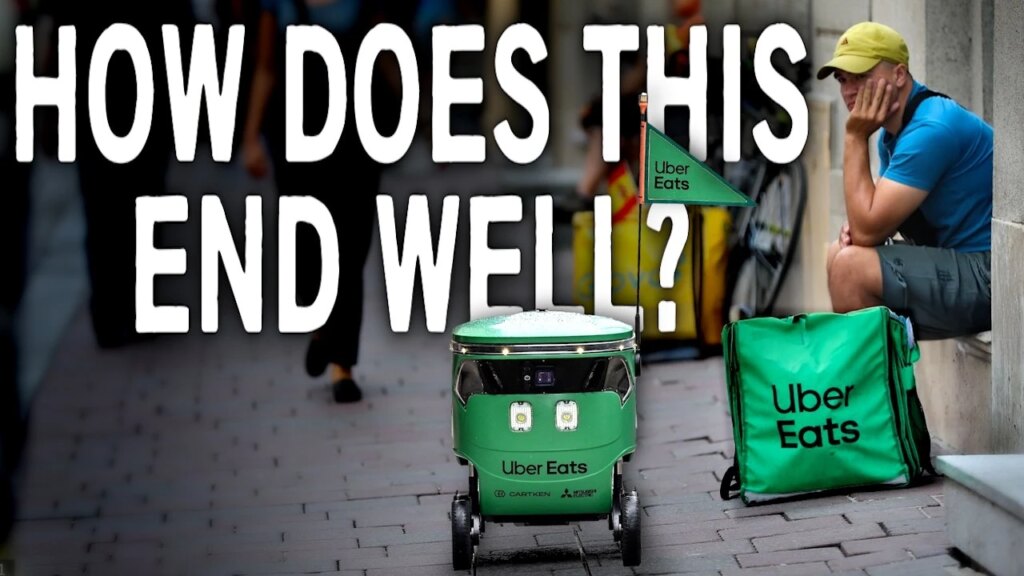
Artificial intelligence sits at the center of today’s economic optimism and anxiety. Markets are rising, companies are spending aggressively, and headlines promise a future transformed by automation. At the same time, layoffs are increasing, wages remain stagnant, and uncertainty about long-term outcomes is growing.
The truth is, the future impact of AI isn’t settled. Several very different outcomes are possible and each carries distinct economic consequences.
The optimistic scenario: AI changes everything
In the most optimistic vision, AI dramatically increases productivity. Routine work disappears, human labor shifts toward creativity, strategy, and oversight, and overall economic output expands.
Companies benefit from efficiency. Consumers benefit from lower costs. New industries emerge. In theory, society becomes wealthier even if fewer people work traditional jobs.
This vision assumes that productivity gains eventually translate into broadly shared prosperity something history suggests is far from guaranteed.
The pessimistic scenario: massive spending, limited payoff
The darker scenario assumes AI investment outruns its usefulness.
Companies are projected to spend hundreds of billions of dollars on data centers, chips, and infrastructure. If AI capabilities plateau or fail to deliver meaningful economic transformation, much of that capital may be wasted.
In this outcome, layoffs still occur, productivity gains stall, and companies are left with expensive assets that don’t generate expected returns. The economy experiences disruption without reward.
The “meh” scenario: useful, but not revolutionary
The most likely outcome may sit in between.
AI improves efficiency in specific tasks coding assistance, customer service, logistics but doesn’t fundamentally rewrite the labor market. Jobs change rather than disappear. Productivity improves modestly, but not enough to justify the most extreme expectations.
In this scenario, AI becomes another tool rather than a turning point.
Productivity without pay raises
One concern cuts across all scenarios: productivity gains haven’t historically flowed to workers.
Over the last half-century, productivity has risen dramatically while wages for average workers have barely kept pace. AI risks accelerating that divide by reducing the need for human labor without increasing compensation for those who remain employed.
The result could be higher corporate profits alongside greater economic inequality.
AI and layoffs: correlation or excuse?
In 2023 alone, more than 150,000 layoffs were attributed to AI adoption or restructuring. In some cases, AI genuinely replaced tasks. In others, it became a convenient justification for cost-cutting.
Either way, the labor market feels the pressure first.
AI as economic stimulus
Ironically, AI spending itself has become a form of economic stimulus.
Massive capital investment in data centers and infrastructure creates high-paying construction and engineering jobs. In some quarters, corporate AI spending has contributed more to economic growth than consumer spending.
That stimulus masks deeper issues. Once infrastructure is built, job creation slows. What replaces it remains unclear.
The wealth effect hides uneven outcomes
Rising markets driven by AI optimism have created a strong wealth effect. Retirees and high-net-worth households with large portfolios feel richer and spend more without increasing withdrawal rates.
That spending supports the economy but unevenly. Those without assets don’t benefit the same way.
The risk of crowding out innovation
There’s also a quieter risk. When capital floods into one theme, other ideas struggle to attract funding.
Relentless focus on AI may starve promising technologies in energy, healthcare, and materials of investment. Over time, that imbalance could limit broader innovation.
What this means going forward
AI may transform the economy. Or it may simply reshape it around the edges. What’s clear is that expectations are running ahead of certainty.
For investors, workers, and policymakers, flexibility matters more than conviction. Betting entirely on one outcome boom or bust carries risk.
AI isn’t destiny. It’s a tool. How it’s deployed, who benefits, and how society adapts will determine whether this moment becomes a turning point or just another chapter in technological hype.
All writings are for educational and entertainment purposes only and does not provide investment or financial advice of any kind.