The Chevy Traverse: When Space Matters More Than Style
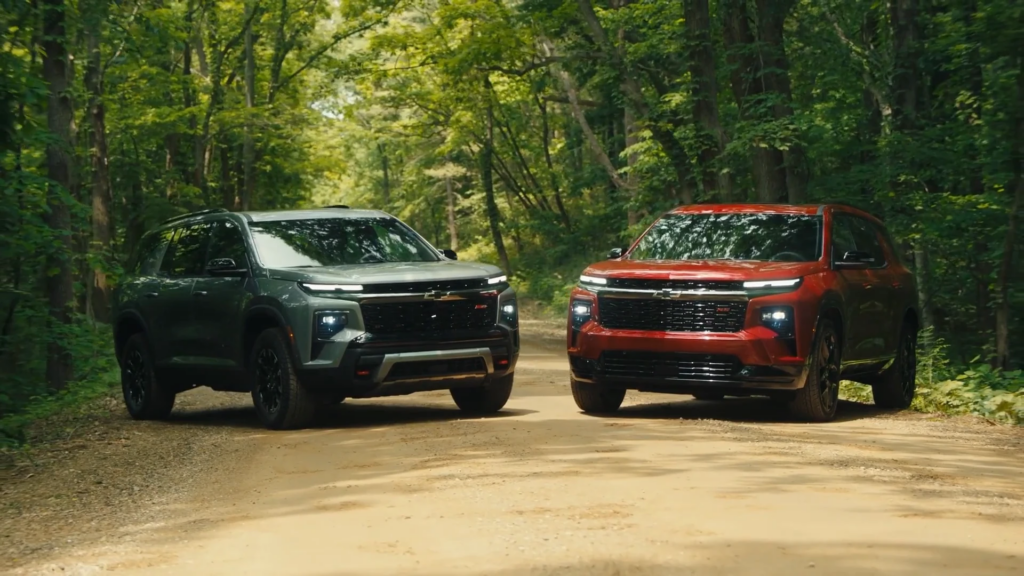
Most people don’t set out to buy a “bad car.” They just pick something beautiful, shiny, or talked about. What they often end up with is a vehicle that looks capable… until reality opens the tailgate. Here’s the simple truth: space, access, and usable volume matter more than badges or brochure photos.
Why does this matter right now?
Families and regular SUV buyers are facing a market where marketing often oversells aspiration and undersells practicality. From electric SUVs promising adventure to luxury crossovers touting three-row capability that’s anything but useful, the gulf between what’s promised and what’s delivered is growing.
The Chevrolet Traverse is a reminder that some SUVs do exactly what they say on the tin: they really carry people and stuff without drama.
Imagine a typical Saturday morning. Kid gear, dog crate, groceries, sports equipment, and a stroller, all of it should fit behind the third row without requiring a PhD in folding techniques. In many SUVs that claim to be “family friendly,” that cargo space is an afterthought. Traverse doesn’t pretend it’s a sports car. It’s engineered to work first.
Families don’t need engines that pretend to be thrilling. They need predictable power delivery, stability when loaded, and cargo space that doesn’t play hide-and-seek. The Traverse’s interior volume and usable dimensions matter because they solve daily problems, not just weekend fantasies.
How does it compare to rivals or alternatives?
Let’s debate how space stacks up, without backseat fan wars.
Mazda CX-90
Stylish and engaging to drive, sure. But with the third row up, its cargo space plunges below fifteen cubic feet. Think about that for a moment: most SUVs with badly folded ego manage around there too. That’s a deliberate trade-off in favor of design over utility. It works if you only use that extra row occasionally.
BMW X5
A fine vehicle in its own right. As a two-row luxury SUV, it is spacious and refined. But as a three-row family hauler? Not really. About seventy-two cubic feet of total cargo with seats down isn’t small, it’s just not what people imagine when they say “three-row SUV” in real-world use.
Mercedes-Benz GLE
Hits roughly seventy-five cubic feet max. Comfortable cabin, sure, but cargo depth behind a usable third row goes the way of logic when you actually pack for a trip.
The Traverse, by contrast, offers usable cargo with the third row in play (about twenty-three cubic feet) and nearly ninety-eight cubic feet with everything folded flat. That’s not marketing spin, that’s space you can measure with a tape. That matters if you genuinely need the third row weekly.
Compare those numbers to rivals, and you see something interesting: many look “big” on paper but deliver tiny cargo pockets because their designers prioritized sleek lines or snug cabins over family utility. That’s fine if the question you’re asking is “can it look good in Instagram photos?” But if the question is “will this fit a stroller and luggage on a Sunday trip?” it’s a different story.
Who is this for, and who should skip it?
For you:
If you use the third row weekly, not just for occasional guests but for real, human bodies, the Traverse makes sense. If cargo volume, easy access, and interior space matter more than headline performance stats, you’re in the right place.
A family with kids in various stages of life, outdoor equipment, pets, grocery runs, and actual luggage to load behind Row 3 will appreciate that usable volume every single day.
Skip this if:
You only need occasional third-row use. You prefer style statements over practicality. If you want a sporty drive with tight handling and sharp corners, there are better-tuned vehicles out there, but they won’t carry a week’s worth of gear without negotiation.
Cars like the Mazda CX-90 or luxury crossovers may be better fits for singles, couples, or small families who rarely use that third row. They reward drivers who prioritize finesse over utility.
Also, if your driveway looks like a showroom and rarely sees real luggage or real feet in the rear seats, that extra cubic feet won’t change your life.
What is the long-term significance?
In an automotive world obsessed with buzzwords, “sporty”, “luxury”, “performance”, there’s a quiet case to be made for vehicles that prioritize real-world utility. The Traverse isn’t about chasing headlines. It’s about solving everyday problems that some buyers face every week.
Consumer behavior reflects this. People are keeping vehicles longer, buying smarter, and rejecting “style over substance” when they discover that third-row cargo space disappears faster than interest in fuel economy headlines. In a market that prizes trendiness, the Traverse commits to practical reality, those usable dimensions, and predictable performance.
Predictable power delivery and stability under load matter more than peak horsepower figures. And towing capability, up to five thousand pounds, stays useful to those who pull boats or campers occasionally, without forcing a truck into daily duty.
This isn’t to say towing defines every buyer’s life. But when it’s real, verifiable, and not just brochure bravado, it signals engineering that prioritizes capability over fantasy.
In the end, the Traverse isn’t a blockbuster character in the automotive play. It isn’t eye-catching or dramatic. It’s not designed to win drag races or social media likes. What it does is simple: it works.
That may seem underwhelming in an era of hyperbole, but that’s precisely why it’s interesting. Most SUVs talk about family capability. The Traverse quietly delivers it.