Inflation Isn’t Gone: Why Prices Still Feel High Even as Headlines Improve
Title:
Inflation Isn’t Gone: Why Prices Still Feel High Even as Headlines Improve
Article:
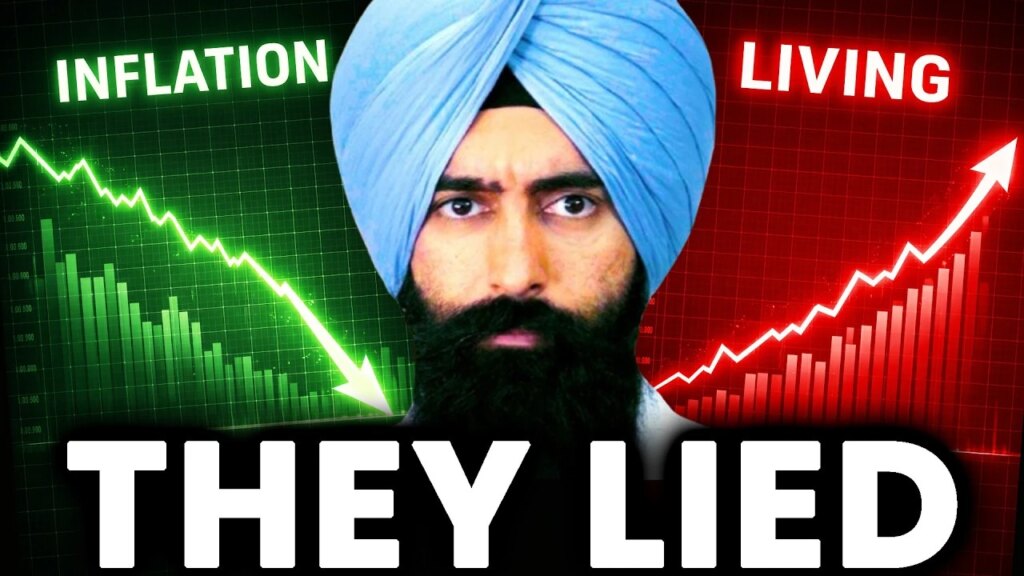
Inflation has become one of the most misunderstood forces in the U.S. economy. Political leaders, central bankers, investors, and households often talk about it in completely different ways, which helps explain why many Americans feel a disconnect between “official” inflation numbers and their real-world experience at the checkout line.
On paper, inflation has cooled significantly from its 2022 peak, when the Consumer Price Index (CPI) reached 9.1%. Recent readings around 3% look like major progress. But inflation is not a light switch that turns off. It is a rate of change. A 3% inflation rate still means prices are rising — just more slowly than before. The higher price levels from prior years remain baked into the system.
The Federal Reserve’s long-term target is about 2% inflation. That target is not about eliminating inflation, but about maintaining a slow, steady pace of price increases that policymakers believe supports economic growth and asset values. In other words, the system is designed for prices to keep rising over time, not to fall back to previous levels.
Where the strain shows up most clearly is in the gap between wages and living costs. While incomes have risen over the past several decades, the prices of major life necessities have often climbed faster. Since the early 1970s, median incomes have increased severalfold, but the cost of big-ticket items such as homes, vehicles, and college tuition has surged even more dramatically. Housing, in particular, has become a defining affordability challenge for younger generations.
Even in the past few years, the math has been tight. From 2020 to 2025, cumulative inflation has outpaced or roughly matched wage growth depending on the measure used, leaving many households feeling like they are running in place. When paychecks rise but purchasing power does not, the psychological effect can be frustration and financial fatigue.
Part of the confusion stems from how inflation is measured. The CPI is a broad basket that includes both frequently purchased items, like food and gasoline, and infrequent purchases, like appliances or vehicles. Because of this mix, the index may not fully match any one household’s reality. A family facing rising rents, insurance premiums, and grocery bills may experience a personal inflation rate that feels higher than the headline number.
As prices rise, behavior changes. Credit card balances have climbed as some consumers rely on debt to maintain their standard of living. Retailers report more shoppers trading down to lower-cost brands. These shifts suggest that even if inflation is slowing, its aftereffects are still shaping decisions.
In this environment, financial strategy matters. Holding large amounts of cash can be risky over long periods because inflation steadily erodes purchasing power. Interest earned on savings is also taxable, which further reduces real returns. Historically, assets like stocks and real estate have provided some protection against inflation because businesses can raise prices and property values often adjust with the economy.
This dynamic helps explain why investors often fare better during inflationary periods than wage earners. Companies may generate higher revenues as prices rise, and shareholders participate in those gains. Workers, by contrast, may see slower wage adjustments. The system tends to reward ownership of assets more than reliance on income alone.
None of this means inflation is purely good or bad. It is a structural feature of the modern economy. But understanding how it works can help households make more informed choices about saving, investing, and long-term planning. For many Americans, the real challenge is not whether inflation is “gone,” but how to stay ahead of it over a lifetime.
Jaspreet Singh is not a licensed financial advisor. He is a licensed attorney, but he is not providing you with legal advice in this article. This article, the topics discussed, and ideas presented are Jaspreet’s opinions and presented for entertainment purposes only. The information presented should not be construed as financial or legal advice. Always do your own due diligence.