27 Popular Trends Millennials Are Avoiding


Millennials are changing cultural habits by turning down trends that once stood for success and tradition. Their choices often show what they care about, like sustainability, being unique, and managing money wisely, which is changing businesses and what society expects.
A recent report shows millennials are much more hopeful about their money than other generations, leading them to focus on different things. Their choice to avoid trends like big houses or fancy cars shows they prefer being practical rather than seeking status.
In this article, we will look at 27 common trends that millennials are avoiding and explain why they make these choices. You’ll learn how this group is shaping the future based on their values.
What do you think about this change in culture? Do these priorities match your own? Share your opinion below or keep reading to see how millennials are making a difference!
Luxury Cars

Luxury cars are no longer popular with millennials, who choose cheaper and eco-friendly options. The high cost to buy and keep luxury cars makes them hard to afford for a generation facing money issues.
Many also pick fuel-saving or electric cars, caring more about the environment than showing off. These choices fit their values and help them save money over time.
In cities, lots of millennials use buses, trains, or rideshares. These are easy and cheaper, so owning a car is not as needed.
Formal Workwear

Traditional office clothes are used less now, as millennials prefer casual or mixed styles for work. With more people working remotely and using flexible spaces, formal dress is less important. They like clothes that are comfortable and useful, mixing work style with everyday wear.
This change shows a bigger move toward balancing work and life and expressing themselves. Worries about the environment also affect their choices, with many picking flexible, eco-friendly items. Their way of dressing changes what being professional means to fit today’s work style.
Homeownership

According to a recent report, millennials have had the slowest transition from renters to homeowners. By age 30, only 42 percent of millennials owned their homes. For many millennials, homeownership feels out of reach or unnecessary.
Rising real estate prices, coupled with student debt, make it challenging for them to afford homes. This generation often prioritizes flexibility, choosing to rent or explore co-living spaces. These options allow them to relocate easily for work or lifestyle changes.
Some also challenge the idea that owning a home is essential for success. They focus on experiences and investments that bring immediate value to their lives.
Oversized Homes

Many millennials are saying no to sprawling suburban homes. Instead, they are prioritizing smaller, more efficient living spaces. This shift is tied to the high costs of homeownership, including maintenance and property taxes, which make large homes less appealing.
The desire to reduce environmental impact also plays a role. Millennials often prioritize sustainability, and smaller homes require fewer resources to heat, cool, and furnish. Downsizing aligns with their focus on practicality and eco-conscious living.
Also, many view oversized homes as symbols of excess. With a greater emphasis on experiences than possessions, they seek homes that support their values rather than define their success.
Cable TV

Cable TV is less popular with millennials, who like the freedom that streaming services provide. The expensive price of cable bundles, along with cheaper options, has caused this shift.
Streaming services let people choose what to watch and when to watch it. Millennials appreciate this freedom because it suits their busy lives and different tastes. They are also good with technology and often use streaming with smart home gadgets.
Their focus on digital technology makes old cable TV seem old-fashioned.
Diamonds

Millennials are moving away from traditional diamonds, opting for alternatives or skipping them altogether. The high cost of diamonds makes them impractical for a generation burdened by student debt and stagnant wages.
Ethical concerns also play a significant role. Millennials are aware of issues like conflict diamonds and prefer lab-grown options or other ethically sourced stones. Many also reject the notion that diamonds symbolize commitment.
They choose personal, meaningful expressions of love over traditional norms, reflecting their individualistic nature.
Golf

Golf, once known as a fancy hobby, has had trouble catching the interest of millennials. The sport’s high prices and long game times make it hard for a generation with many tasks to balance. They also see golf as old-fashioned, linked to older people and classic business culture.
This view makes it less interesting for those wanting fresh, open activities. Instead, millennials choose fitness activities like yoga or group exercises. These options offer chances to meet others and stay healthy without the special feel of golf.
Department Stores

Department stores have lost their charm for millennials, who prefer online shopping and niche retailers. Convenience is a major factor, as e-commerce allows them to browse and buy without leaving their homes.
They also seek personalized experiences, which large department stores often fail to provide. Smaller brands and direct-to-consumer options cater to their tastes and values. Also, department stores struggle to align with millennial ethics.
Sustainable practices and transparency matter to this generation, pushing them toward brands that share these priorities.
 If you like what you are reading, then click like and subscribe to my newsletter. We share tips to waste less time and money.
Formal Dining
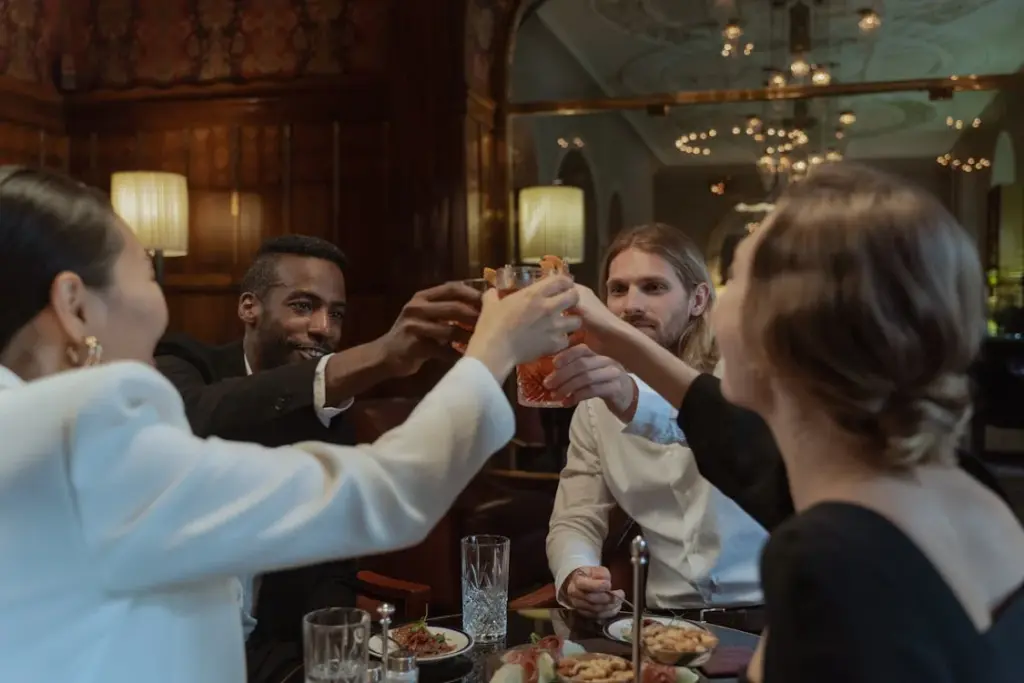
Millennials are choosing casual, fast-casual, or fusion dining instead of traditional fine dining. They care about price and variety, often trying different foods in easygoing places. Formal dining feels stiff and hard to access for a generation that values realness and social time.
Millennials like spots where they can hang out with friends without strict rules. This change has helped food trucks, pop-ups, and other new dining ideas grow. These options show their love for trying new things and being part of a community.
Big Parties

Large gatherings are less appealing to millennials, who favor smaller, more intimate social settings. Big parties often feel impersonal and exhausting to a generation that values genuine connections.
Financial considerations also play a role, as hosting or attending large events can be expensive. Millennials prefer meaningful interactions without the pressure of extravagant celebrations.
Many enjoy experiences like game nights or outdoor adventures, which align with their preferences for simplicity and community.
High-End Gyms

High-end gyms struggle to attract millennials, who often choose affordable or alternative fitness options. Expensive memberships feel unnecessary when budget-friendly alternatives provide similar benefits.
They also seek inclusive and accessible environments. Boutique studios, outdoor workouts, and apps cater to diverse needs without the exclusivity of luxury gyms. Fitness for millennials is about holistic well-being.
They integrate mental health practices and balanced lifestyles into their routines, prioritizing personal growth over aesthetics.
Subscription Boxes

Many millennials no longer like subscription boxes because they focus on buying only what they truly need. These boxes usually have extra items that people don’t really want, which goes against a generation that cares about saving resources and living simply.
The ongoing costs of subscriptions also make them less attractive. Millennials, careful with their money, choose to spend on things they actually need instead of items picked for them. This group values experiences more than things.
Subscription boxes often seem too much and do not give lasting happiness compared to spending on activities or personal growth.
Wedding Traditions

Many millennials are rewriting the rules for weddings, skipping traditions that feel outdated or expensive. The high cost of conventional weddings leads some to opt for simpler, more personal celebrations.
They also prioritize individuality, choosing unique venues and formats that reflect their personalities. This approach challenges the cookie-cutter weddings of past generations. Some even forego weddings entirely, focusing instead on building their lives together.
These choices illustrate a shift toward practicality and meaningful connections.
Heavily Branded Goods
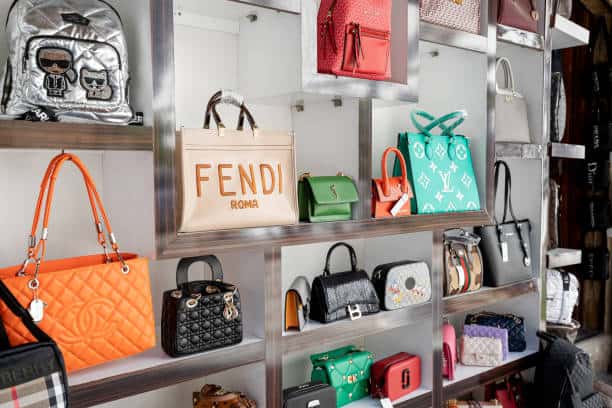
Millennials avoid products with strong branding and choose honesty and good quality instead. They often see bright branding as fake and want things that match their beliefs. This group likes brands that focus on stories and meaning, not just logos.
They like companies that care about social or environmental issues. In a world full of ads, millennials believe in advice and honest reviews. Their buying choices show they value real meaning more than looks.
Casual Gossip

Casual gossip, a pastime for many, has lost its appeal among millennials. They often view it as unproductive and damaging. This generation values mental health and personal growth, avoiding behaviors that strain relationships or cause negativity.
They prioritize meaningful conversations over idle chatter. Social media also plays a role, as millennials are more mindful of their words online and offline. Their focus on authenticity reduces the need for gossip as a social tool.
Exotic Vacations

Exotic vacations, once a popular sign of success, are now less appealing to millennials who want trips with meaning. The high price of luxury trips does not fit well with their careful money habits.
Many choose nearby trips that lower travel impact and help local communities. Their travel choices show they care about the environment and other cultures. Also, flexible work schedules make shorter trips easier.
Millennials prefer short, meaningful trips instead of long, fancy vacations, balancing fun with their work and personal life.
Collectible Memorabilia

Millennials are skipping collectible memorabilia, favoring digital keepsakes and practical mementos instead. Tangible collectibles often create clutter, contradicting their preference for streamlined living spaces.
The digital age offers alternatives, like photo archives or custom virtual albums. These solutions preserve memories without taking up physical space. They also prioritize quality over quantity, treasuring unique, personal connections to moments rather than generic collectibles.
This shift reflects their desire for authenticity in all aspects of life.
If you like what you are reading, then click like and subscribe to my newsletter. We share tips to waste less time and money.
Elaborate Makeup Trends

Fancy makeup styles do not interest many millennials, who choose simple and quick beauty habits. Complex methods usually need costly products and a lot of time, which seems hard to fit into their busy lives.
They like routines that focus on healthy skin, aiming for a glowing look instead of many layers of makeup. This matches their bigger care for overall well-being. Millennials also value being real, liking light makeup that shows their natural look rather than hiding it.
Their way of doing things shows they feel sure and comfortable with themselves.
High-End Furniture

About 75% of millennials are willing to pay more for sustainable products, reflecting their eco-conscious values. High-end furniture is losing its appeal, with millennials seeking affordable and adaptable options for their living spaces.
Expensive pieces often feel unnecessary when thrifted or flat-pack furniture offers equal functionality. Many prioritize flexibility, opting for modular or multipurpose designs that suit changing lifestyles.
This choice supports their focus on practicality and financial mindfulness. Ethical considerations also matter. Millennials often choose furniture made with sustainable materials, reflecting their commitment to conscious consumption.
Career Ladders

Millennials are redefining success by stepping away from rigid career ladders. Traditional corporate paths often feel outdated in an era emphasizing flexibility and innovation. They seek meaningful work that aligns with their passions, prioritizing purpose over prestige.
This shift challenges the notion of success as climbing a single hierarchy. Entrepreneurship and gig work appeal to their desire for autonomy. These choices allow them to design careers that fit their lifestyles and aspirations.
Formal Religious Practices

Many millennials are moving away from regular religious activities and choosing personal spirituality or new kinds of beliefs. They want faith that fits their own life and values.
This group often sees organized religion as strict and likes open talks about life and meaning. They look for welcoming places that bring people together, not strict rules.
Spiritual activities like mindfulness or group talks match millennial goals better. These give support without being part of a big institution.
Expensive Tech Gadgets

Millennials are skipping expensive tech gadgets in favor of practical, value-oriented devices. They often prioritize function over brand prestige. Budget-friendly alternatives and refurbished options meet their needs without straining finances.
This approach reflects their focus on sustainability and mindful spending. They also seek long-lasting products rather than frequent upgrades. This shift challenges the culture of constant consumerism surrounding technology.
Seasonal Décor

Millennials are less interested in seasonal décor trends and prefer home designs that work in many ways and last a long time. Changing decorations all the time seems too much and not useful. They like décor that can be used for different reasons or that stays nice all year.
This choice fits with living simply and saving money. Caring for the environment also shapes what they like. Millennials often skip trends that create trash and choose items they can use again or that are better for nature.
Holiday Cards

Millennials are moving away from traditional holiday cards, favoring digital greetings or creative, less wasteful alternatives. The time and cost of printed cards feel unnecessary. They value personalized, efficient ways to connect with loved ones, like video messages or group chats.
These options offer convenience while maintaining sentiment. The environmental impact of paper cards also matters. Digital greetings align with their focus on sustainability and reducing waste.
Print Magazines

Millennials are not choosing print magazines and prefer digital content because it is easy and quick to access. Physical subscriptions seem old-fashioned in a time when information is just a click away. They like formats that let them interact and get live updates.
Printed magazines have a hard time keeping up with the fast and changing online media. Caring for the environment is also important to them. Many avoid magazines to cut down on paper waste, matching their goal to be more eco-friendly.
Expensive Jewelry

Expensive jewelry holds less appeal for millennials, who favor meaningful, budget-friendly alternatives. Large, flashy pieces often seem excessive compared to simpler, more intentional designs.
This generation values personal significance in their accessories, choosing items that tell stories or represent relationships. Mass-produced luxury fails to resonate in the same way. Ethical concerns also influence their choices.
Many avoid mined gems, favoring lab-grown stones or artisan-crafted pieces that align with their values.
Exclusive Clubs

Exclusive clubs have a hard time drawing in millennials, who like open and easy social places. High fees and strict rules often seem off-putting. This group cares about events where people connect freely without rules or levels. They want experiences where all are included.
Open spaces show their belief in fairness and realness. Many millennials build their own friend groups, avoiding old-style clubs completely.
How Millennials Are Redefining Success and Challenging Norms

Millennials are more than just trend leaders; they are people who care about values and are changing what success means today. Their actions show a clear break from old habits, putting importance on being green, managing money wisely, and building true relationships instead of focusing on looks or what others expect.
These choices are not only about themselves, but also shape businesses and social customs more widely. By avoiding flashy ways of life or closed groups, millennials are making life fairer and more meaningful for everyone.
Their attention to meaning instead of status is guiding the way for those who come after them.
If you like what you just read, then subscribe to my newsletter.
- 17 Things Our Grandparents Enjoyed That Millennials Now Struggle to Afford
- 30 Things Boomers Loved That Millennials Won’t Even Consider Buying
AI was used for light editing, formatting, and readability. But a human (me!) wrote and edited this.