The Supercar Didn’t Die, It Turned Into an SUV
For decades, the idea of a halo car was easy to understand. It was fast, low to the ground, expensive, and often completely impractical. These were the cars that defined brands, not because people owned them, but because people aspired to them. They were engineering showcases designed to impress, not to live with.
That definition no longer applies.
Today, the vehicles shaping brand identity aren’t exotic supercars. They’re SUVs. And not just any SUVs—rugged, capable, highly engineered machines that blend utility with aspiration in a way the old halo cars never could.
This shift isn’t subtle. It’s happening at scale.
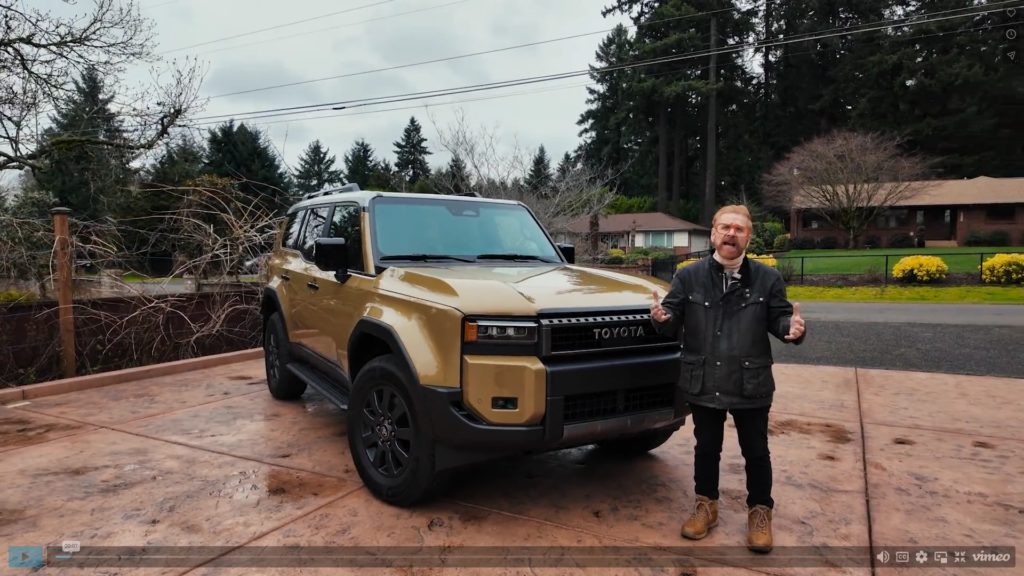
Look at the numbers. The Ford Bronco sold more than 146,000 units in a single year, growing steadily since its reintroduction. That’s not niche demand. That’s mainstream success. The Jeep Wrangler moved over 167,000 units, with more than a third of those being electrified 4xe models. Toyota’s Land Cruiser surged nearly 51% after its return, proving that heritage still matters—if it’s paired with modern usability. Even the ultra-premium Mercedes-Benz G-Class continues to deliver consistent sales despite its price point.
What’s driving this shift is not just capability. It’s relevance.
The modern halo vehicle reflects how people actually live. Buyers want space, flexibility, and the ability to handle real-world conditions—whether that’s a snowstorm, a road trip, or a weekend adventure. Even if most owners never fully use these capabilities, the reassurance matters. The idea that your vehicle can handle anything carries emotional value.
In fact, data shows that the vast majority of SUV owners rarely go off-road. But that doesn’t diminish the appeal. If anything, it highlights a key insight: people aren’t just buying function—they’re buying confidence.
At the same time, traditional sports cars are losing ground. They now represent a small fraction of total vehicle sales, down from previous years. In an industry driven by volume, that decline matters.
Consumers have made their priorities clear. They want vehicles that are versatile, comfortable, and practical without sacrificing identity. Automakers have responded by moving their halo products into segments that align with those expectations.
But these modern halo vehicles aren’t just about ruggedness.
They are packed with technology. Large digital displays, advanced driver assistance systems, adaptive suspensions, and terrain management software have become standard. Many vehicles now include multi-camera systems that allow drivers to navigate obstacles they can’t physically see. Drive modes adjust performance for sand, snow, mud, or rock. Software is now just as important as hardware.
This combination of capability and refinement is what makes today’s halo vehicles so compelling.
They can tow thousands of pounds, carry families and gear, and still deliver a premium driving experience. They’re just as comfortable commuting on the highway as they are exploring off the beaten path. In many ways, they’re more useful—and more relevant—than the halo cars that came before them.
And that’s no accident.
From a business perspective, these vehicles are incredibly valuable. They sell in higher volumes, offer premium trims and accessories, and generate strong margins. At the same time, they reinforce brand identity in a way that’s visible every day, not just in showrooms or marketing campaigns.
Electrification hasn’t disrupted this trend—it’s becoming part of it. Hybrid and electric versions of these vehicles are already entering the market, blending efficiency with capability. This allows manufacturers to meet regulatory demands without losing the emotional connection that makes these vehicles desirable in the first place.
Performance hasn’t disappeared either. It’s just been redefined.
Instead of focusing on top speed or lap times, performance is now about durability, versatility, and real-world usability. Climbing a trail, towing a load, or navigating harsh conditions has become just as meaningful as acceleration figures once were.
This isn’t a downgrade. It’s an evolution.
The modern halo vehicle reflects a shift in what people value. It’s no longer about owning something extreme that you rarely use. It’s about owning something capable that fits into your everyday life.
The supercar hasn’t vanished.
It’s simply grown taller, become more practical, and learned how to do more than just go fast.