Smart Home Picks Paying for Themselves


In our busy world today, smart buys can save you a lot of money over time and help you live in a green way.
We found 20 products that earn back their cost through savings. For each one, I list the starting price and the time it takes to break even.
Compost Bins

Compost bins cut down home waste and make rich soil for gardens. They lower trash costs and cut back on buying fertilizers.
Startup cost for a compost bin runs $50 to $200. Yearly savings hit $50 to $100, with payback in 1-2 years.
Rainwater Harvesting Systems
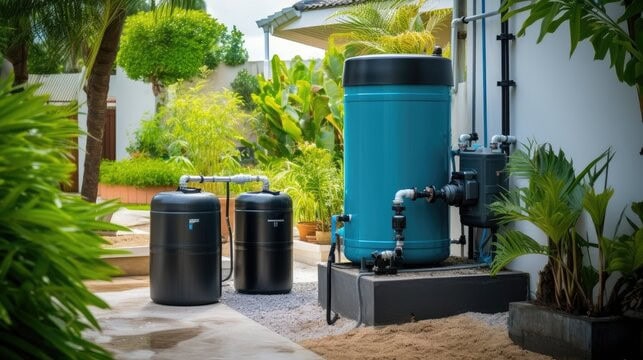
Rainwater harvesting systems collect and store rainwater for garden watering and household cleaning. This reduces your dependence on municipal water supplies.
The initial cost for a rainwater harvesting system is around $500 to $2,000. You can save $200 annually on water bills, breaking even within 3-10 years.
High-Efficiency HVAC Systems

High-efficiency HVAC systems use smart tech to heat and cool. They cut energy bills and reduce emissions.
Upfront cost runs $3,000 to $7,000. Yearly savings hit $200 to $500, with payback in 5-10 years.
Energy-Efficient Appliances

Energy-efficient appliances are a game-changer for any household. Look for the Energy Star rating when purchasing refrigerators, washing machines, and dishwashers. These appliances consume less energy, reducing your utility bills and lowering your carbon footprint.
While the initial cost of these appliances might be higher, the savings on utility bills can range from $50 to $100 annually. Typically, you will break even within 3-5 years, making this a worthwhile investment for long-term savings.
LED Lighting
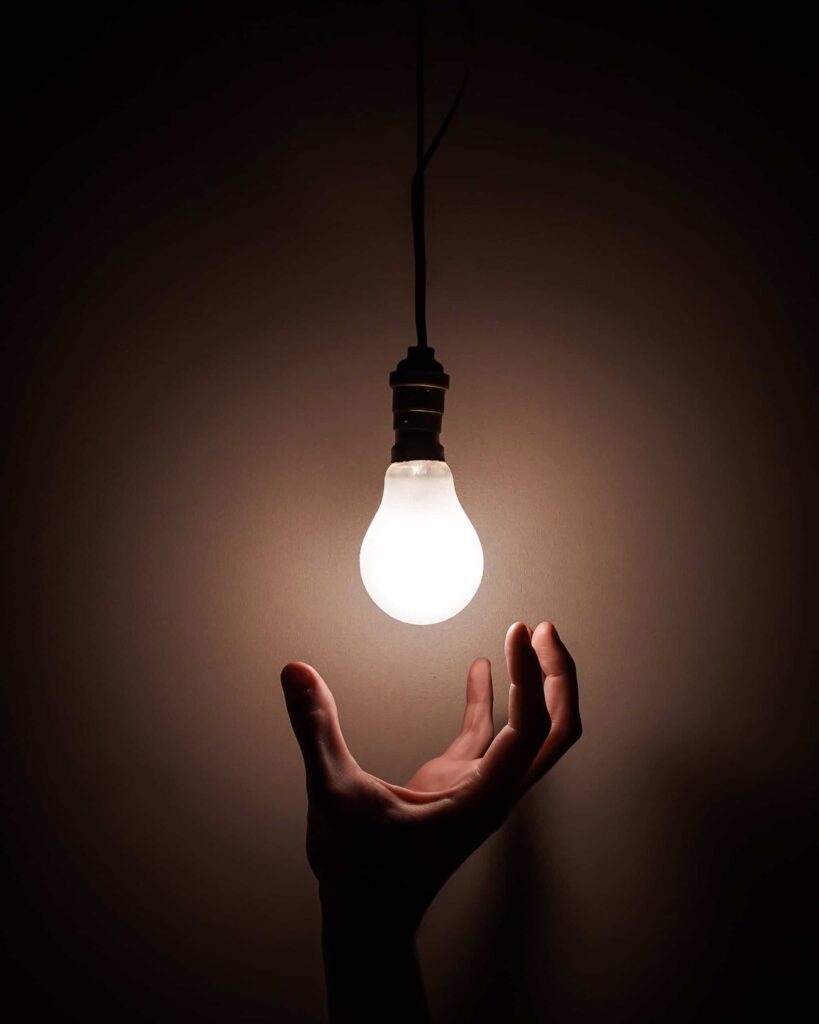
Switching to LED bulbs is a simple and effective way to cut energy use. They cost more at first, but LED bulbs last much longer than old incandescent ones and save a lot of energy.
An LED bulb costs about $5, but it can save up to $75 on your energy bills each year. You break even in 1-2 years.
Smart Thermostats

Smart thermostats come with programmable settings, remote control, and learning capabilities. These features help reduce heating and cooling costs by adjusting the temperature based on your schedule and preferences.
The initial cost of a smart thermostat ranges from $100 to $250. The annual savings can be between $150 and $180, allowing you to break even within 1-2 years.
Solar Panels

Solar panels cost a lot at first but bring big gains. They cut power bills and give clean energy that helps a green way of life.
Upfront price sits at $10,000 to $20,000. Yearly savings hit $1,000 to $1,500, so payback takes 7-10 years.
We put solar on our house. Our payback looks like 14 years. We plan to stay in our home a long time, so it works well for us.
Water-Saving Fixtures
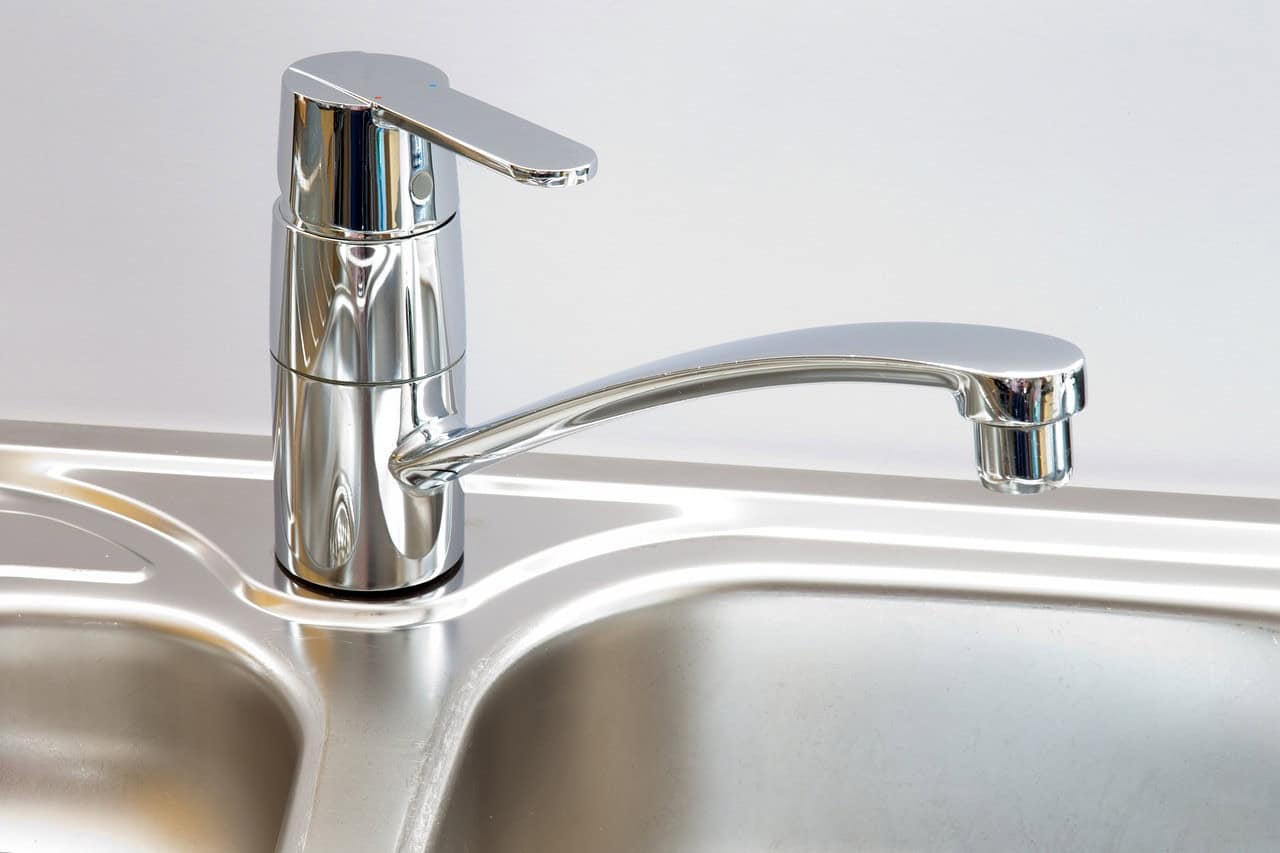
Consider installing low-flow showerheads, faucets, and toilets to save water and reduce your water bills. These fixtures are designed to use less water without compromising performance.
The initial cost for water-saving fixtures ranges from $50 to $200. You can save $75 to $100 annually on water bills, breaking even within 1-3 years.
Reusable Household Items

Buy reusable items for home use, such as cloth napkins, grocery bags, and silicone food bags. They cut down waste and save cash compared to items you throw away.
The starting price for these items stays low, about $10 to $50. You can save $100 to $200 each year, so you get your money back in just a few months.
Programmable Power Strips

Programmable power strips help reduce phantom energy use by managing multiple devices. They conserve energy and reduce your electricity bills.
The initial cost of a programmable power strip is about $20 to $50. You can save around $50 annually on energy bills, breaking even within 1 year.
Insulation Upgrades

Upgrading your home’s insulation with spray foam, fiberglass, or cellulose can keep your home warmer in winter and cooler in summer, reducing heating and cooling costs.
The initial cost for insulation upgrades ranges from $1,000 to $2,500. Annual savings can be $200 to $400, breaking even within 3-7 years.
Electric Vehicles (EVs)

Electric vehicles (EVs) are an excellent investment for reducing fuel and maintenance costs while lowering emissions. Various incentives are also available to make EVs more affordable.
The initial cost for an EV varies widely, from $30,000 to $50,000. Annual savings can be between $1,000 and $2,000, with a breakeven period of 5-7 years.
Smart Plugs and Outlets
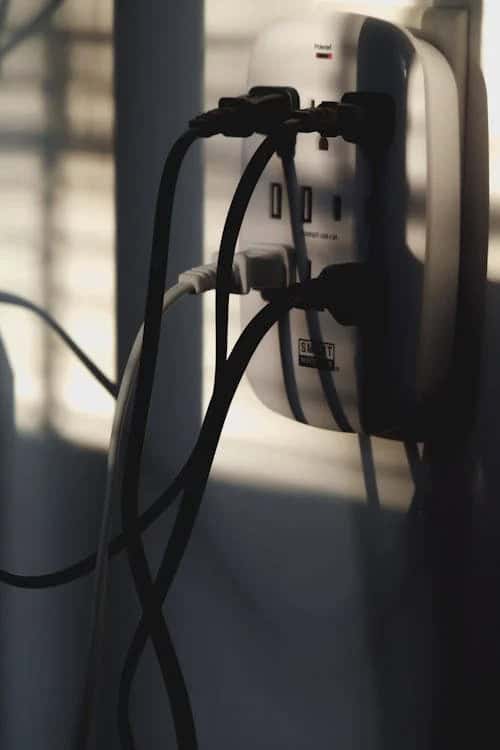
Smart plugs and outlets let you control them from afar and set schedules. They cut standby power use and lower energy bills.
The starting price for smart plugs and outlets runs $20 to $50. You save about $50 each year on energy bills and break even in 1 year.
Recycled Furniture

Furniture made from recycled materials is often cheaper than new furniture and helps reduce waste. These pieces can be both stylish and environmentally friendly.
The initial cost for recycled furniture varies, but savings can be significant, ranging from $100 to $500 per piece. The breakeven period is immediate to 1 year.
We built our lawn furniture out of recycled 2x4s.
Green Roofs
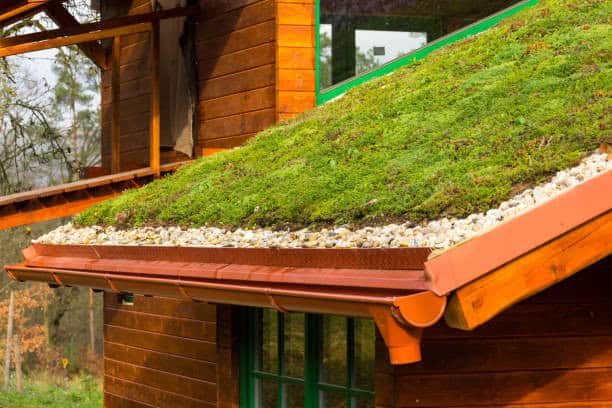
Green roofs provide insulation, manage stormwater, and offer aesthetic appeal. They reduce energy costs and mitigate the urban heat island effect.
The initial cost for a green roof is about $10 to $25 per square foot. Annual savings on energy bills can be $100 to $200, with a breakeven period of 5-10 years.
Second-Hand Clothing

Buying used clothes saves money and gives one-of-a-kind pieces. It cuts down textile waste and lets you get top-quality items for much less.
The starting price for used clothes stays low. You can save $100 to $500 each year, with quick payback right away.
Eco-Friendly Home Cleaning Products

Switch to biodegradable, non-toxic cleaners that are long-lasting and multipurpose. These products reduce chemical exposure and are better for the environment.
The initial cost for eco-friendly cleaning products is minimal, around $10 to $30. Annual savings can be $50 to $100, allowing you to break even within a few months.
Induction Cooktops
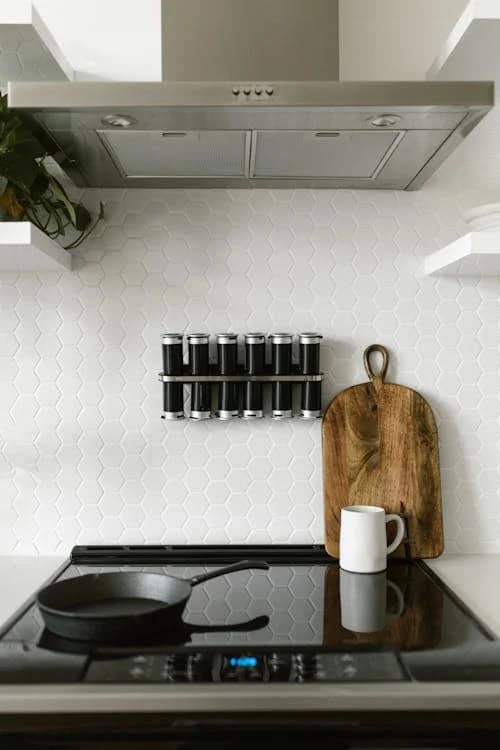
Induction cooktops offer faster cooking times and lower energy use. They also have cooler surfaces, reducing the risk of burns and making them safer for families.
The initial cost for an induction cooktop ranges from $500 to $1,500. Annual savings on electricity bills can be $50 to $100, with a breakeven period of 5-10 years.
Motion Sensor Lights
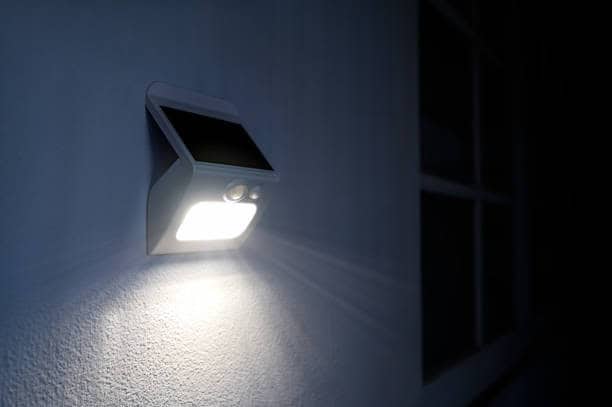
Motion sensor lights turn on by themselves when you need them. This boosts home safety and cuts energy use.
They cost $20 to $50 at first. You save about $50 each year on power bills and get your money back in 1 year.
Electric Bikes (E-Bikes)
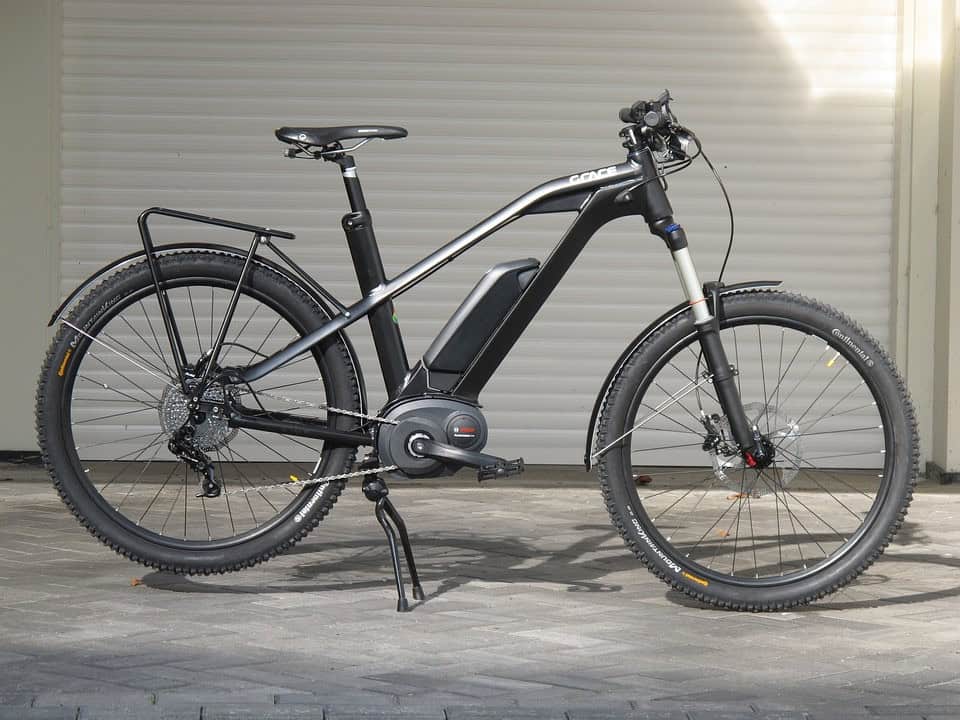
Electric bikes (E-Bikes) offer lower transportation costs, encourage physical activity, and reduce emissions. They are a great alternative to traditional vehicles for short commutes.
The initial cost for an E-Bike is about $1,000 to $3,000. Annual savings can be $500 to $1,000, with a breakeven period of 2-3 years.
Conclusion

Buying these smart items can save you a lot of money and help the planet. Smart picks like these let you build a cheap but happy life for your family.
Think about these buys and tell us your tips and stories for a cleaner, cheaper home.
 If you like what you just read, then subscribe to my newsletter