Oil Shock 2026: Why Gas Prices Are Spiking and What It Means for Your Money Next
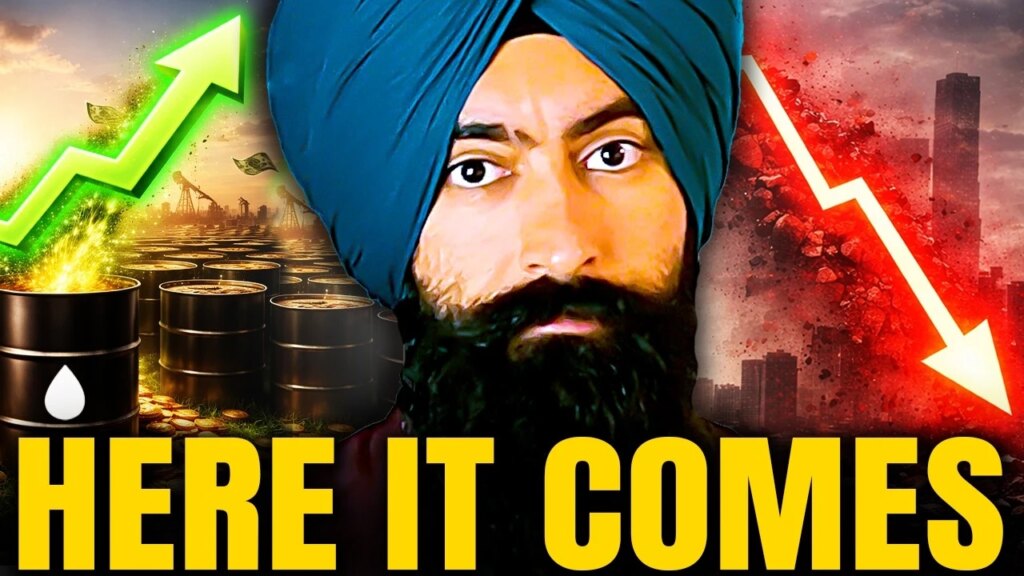
Something is shifting in the economy again—and if you’ve filled up your gas tank recently, you’ve already felt it. Oil prices are surging, markets are reacting, and economists are starting to ask a familiar question: is this the beginning of something bigger? The latest Middle East conflict has triggered what many analysts are calling one of the most extreme oil shocks in modern history. And while headlines tend to focus on geopolitics, the real story is much closer to home how this impacts your wallet, your job, and your investments.
Why This Oil Shock Feels Different
We’ve seen oil shocks before. In fact, there have been six major ones in recent history. 1973, 1979, 1990, 2008, 2022, and now 2026. Four of those led directly to recessions. That’s not a coincidence.
When oil prices spike, everything becomes more expensive. Gas, shipping, groceries, flights, even fertilizer. It’s not just energy it’s the entire cost structure of the economy. This time, the speed of the increase is what’s raising alarms. Gas prices jumping roughly $1 in a single month is not normal. It’s a shock to the system, and shocks tend to ripple quickly. According to analysts at Goldman Sachs, this could be the most extreme crude oil disruption we’ve seen. And the CEO of BlackRock has already outlined two very different potential outcomes:
• Oil collapses back toward $40 per barrel if tensions ease
• Or spikes toward $150, increasing the likelihood of a recession
That range alone tells you how uncertain things are right now.
How Higher Oil Prices Hit the Economy
Oil doesn’t just affect drivers it affects spending behavior across the entire economy. When gas prices rise, consumers have less money for everything else. That means fewer restaurant visits, less travel, and more cautious spending overall. Businesses feel that immediately. Lower consumer spending leads to lower revenue. And when revenue drops, companies start cutting costs often through layoffs or hiring freezes. Now layer in another major force: AI. Automation is already reshaping the workforce, and voices like Jack Dorsey have warned that job disruption could accelerate over the next year. Put those two trends together higher costs and fewer jobs and you get a fragile economic environment. That’s exactly what we’re starting to see. Consumer sentiment in 2026 is at some of its lowest levels in years. And when confidence drops, spending usually follows.
Does This Mean a Recession Is Coming?
Not necessarily but the risk is rising. History shows that oil shocks often lead to economic downturns, but not always. The 2022 spike, for example, pushed markets down nearly 20% without triggering a full recession. The key factor is duration. If oil prices stay elevated for months, the pressure builds. Businesses adjust. Consumers pull back. Growth slows. If prices drop quickly, the economy can recover just as fast. The challenge is that economic data doesn’t give us real-time answers. GDP reports, employment data, and inflation numbers all lag by 30 to 90 days. By the time a recession is officially confirmed, markets have usually already moved.
What Investors Should Be Watching Right Now
Here’s where things get interesting. Markets don’t wait for certainty they move on expectations. That means the biggest opportunities often show up during the most uncertain moments. A strategy many long-term investors follow is simple: keep buying. It’s often called “Always Be Buying” (ABB), and the idea is straightforward when markets dip, you accumulate more assets at lower prices. Historically, that’s how wealth is built during volatile periods. Broad market exposure through funds tied to the S&P 500 remains a core strategy for many investors. But in times like these, diversification becomes even more important.
Some investors look at:
• Energy sectors if oil prices remain elevated
• Consumer staples, which tend to hold up during downturns
• Gold, often viewed as a hedge during uncertainty
• Technology and AI sectors for long-term growth
The key isn’t predicting the exact outcome it’s positioning for multiple scenarios.
The Double Impact: Oil and AI
What makes this moment unique isn’t just oil. It’s the combination of oil and technological disruption. Higher energy costs are slowing spending. AI is changing how companies operate and hire. Together, they’re reshaping both the economy and the job market at the same time. That creates risk but also opportunity. New industries will grow. Others will shrink. And investors who adapt early tend to benefit the most.
The Bottom Line
The 2026 oil shock is a reminder of how quickly things can change. One geopolitical event can ripple through gas prices, consumer behavior, corporate earnings, and global markets. But it’s also a reminder of something else. Volatility isn’t just risk it’s opportunity. The investors who succeed during uncertain times aren’t the ones who panic. They’re the ones who stay disciplined, stay informed, and keep a long-term perspective. Because while oil shocks come and go, the bigger trend hasn’t changed. The economy evolves. Markets adjust. And those who stay invested tend to come out ahead.
Jaspreet Singh is not a licensed financial advisor. He is a licensed attorney, but he is not providing you with legal advice in this article. This article, the topics discussed, and ideas presented are Jaspreet’s opinions and presented for entertainment purposes only. The information presented should not be construed as financial or legal advice. Always do your own due diligence