22 Occupations That May Vanish in Years Ahead


The future of work arrives fast, pushed by a big push of automation and artificial intelligence (AI). This new tech offers great chances but also puts some jobs at risk.
Automation and AI will end some jobs while others expand. By noting jobs that might drop, you can pick other career paths that last longer.
This list shows 22 jobs that automation may hit hard in the next ten years, based on data about risk levels and job number shifts.
Share in the comments if we missed any jobs.
Manufacturing

Assembly lines, for decades the backbone of mass production, are increasingly populated by robots. These tireless machines, guided by precise programming and advanced sensors, can perform repetitive tasks with unmatched speed and consistency.
A McKinsey study predicts a staggering 800 million jobs globally could be lost to automation by 2030, with manufacturing jobs at the forefront of this disruption.
Cashiers

The iconic image of the cashier ringing up customers might soon become a relic of the past. Self-checkout kiosks are rapidly proliferating in stores, allowing customers to scan and pay for their purchases independently.
A Bureau of Labor Statistics (BLS) report projects a stark 10% decline in cashier jobs by 2032, highlighting the significant impact of automation on this role.
Stock Clerks

Stock clerks keep store inventory at the right levels. New inventory systems and robots will change this job.
Real-time data checks and warehouse robots can handle stock well. This may cut the need for manual stock clerks soon.
Assembly Line Workers

The monotonous tasks of assembling products, from screwing on nuts and bolts to placing components, are prime targets for automation. Robots can tirelessly work 24/7 without breaks, fatigue, or errors, significantly reducing production costs.
This trend is expected to accelerate, displacing a significant portion of the assembly line workforce.
Production Line Supervisors
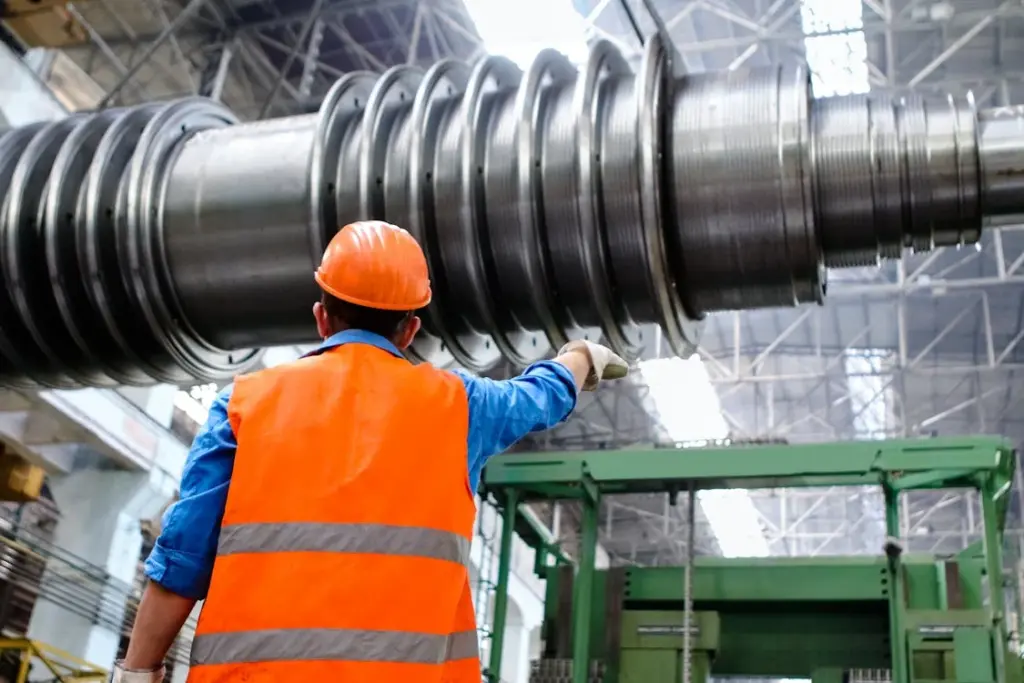
Robots do the physical work, but human bosses have always watched production lines to check quality and fix problems.
AI systems keep changing. They watch production data live, spot odd things, and make fixes. This change in boss jobs may cut the number of line supervisors needed.
 If you like what you are reading, then click like and subscribe to my newsletter. We share tips to waste less time and money.
Data Entry Clerks

The laborious task of manually entering data into computer systems is becoming increasingly automated.
Machine learning algorithms, paired with optical character recognition (OCR) technology, can now efficiently extract data from documents and forms, significantly reducing the need for manual data entry clerks.
Bookkeeping Clerks & Accounting Assistants

Accounting practices are also undergoing a significant transformation. Accounting software is becoming increasingly sophisticated, capable of automating many routine bookkeeping tasks, such as recording transactions and generating reports.
This trend could potentially lead to a decline in the demand for bookkeeping clerks and accounting assistants.
Taxi Drivers

Ride-sharing apps like Uber and Lyft have shaken up the old taxi business. Now, self-driving cars bring a bigger risk. These cars can drive on roads in a safe and quick way with no human help. They may make taxi drivers useless over time.
Truck Drivers

Long-haul trucking is an industry that could be significantly impacted by self-driving technology. Autonomous trucks have the potential to revolutionize long-distance freight transportation, reducing costs and increasing efficiency.
While the technology is still under development, its potential impact on truck driver jobs cannot be ignored.
Telemarketers

Telemarketing companies now use chatbots more for outbound calls. These chatbots reach potential customers with text messages or social media, check leads, and book meetings. This direct method cuts out random call bother and lets customers respond in their own way.
Loan Officers

The loan application process, once a complex and time-consuming endeavor, is being streamlined by automation. AI-powered credit scoring algorithms can analyze a borrower’s financial data in seconds, providing lenders with a quick and accurate assessment of creditworthiness.
This automation, coupled with the potential for online loan processing systems, could reduce the need for loan officers, particularly for smaller loans.
Word Processors/Typists

The days of dedicated word processors and typists are rapidly fading. Modern software applications with dictation and voice recognition features allow users to transcribe their thoughts into text effortlessly. This technology eliminates the need for manual typing and dictation, potentially rendering these specialized roles less relevant.
Fast Food Workers
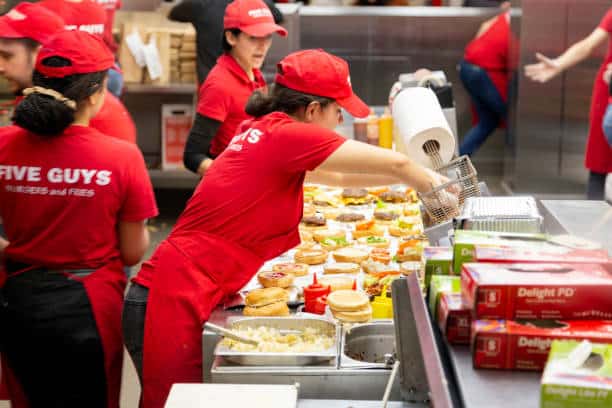
Many fast-food companies now use machines and robots for tasks like taking orders, cooking food, and cleaning kitchens. Soon, these places may need just one boss and one repair worker.
Small shops on the edge of fast food might last, safe from government rules. Others may chase the $20-an-hour jobs in spots like Seattle and California, but end up jobless.
Bank Tellers

The traditional image of the bank teller, dispensing cash and processing transactions, is quickly becoming a relic of the past. The rise of online banking and mobile apps has significantly reduced customer reliance on in-person banking services.
The BLS projects a 9% decline in bank teller jobs by 2031, highlighting the impact of automation on this role.
Postal Workers
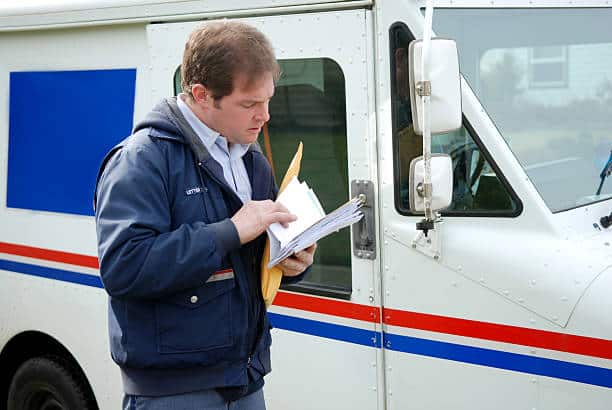
The traditional mail delivery system, long a mainstay of communication, is facing significant challenges in the digital age. Declining mail volume due to the rise of email and online communication is putting pressure on postal services.
Additionally, automation efforts, such as self-service kiosks and delivery drones, could further reduce the need for postal workers, particularly in areas with lower mail volume (BLS projects a 26% decline in postal worker jobs by 2031).
Travel Agents

Online booking sites and AI travel helpers let people search, plan, and book trips on their own. Human travel agents will stay useful for hard trips or custom plans, but these auto tools may cut the need for old-school agents.
Insurance Underwriters

The insurance industry is heavily reliant on risk assessment, a process that traditionally involved human underwriters who evaluated an applicant’s risk profile based on various factors.
AI is making inroads into this domain. Machine learning algorithms can analyze vast amounts of data to assess risk more accurately and efficiently. This technology has the potential to standardize risk assessment and potentially reduce the need for human underwriters in certain areas.
Security Guards

Advancements in AI-powered surveillance systems and remote monitoring are changing the landscape. These intelligent systems can continuously monitor a location, detect suspicious activity, and even alert security personnel.
While physical security guards will likely remain essential for certain high-risk environments, automation could reduce their presence in some settings.
If you like what you are reading, then click like and subscribe to my newsletter. We share tips to waste less time and money.
Welders
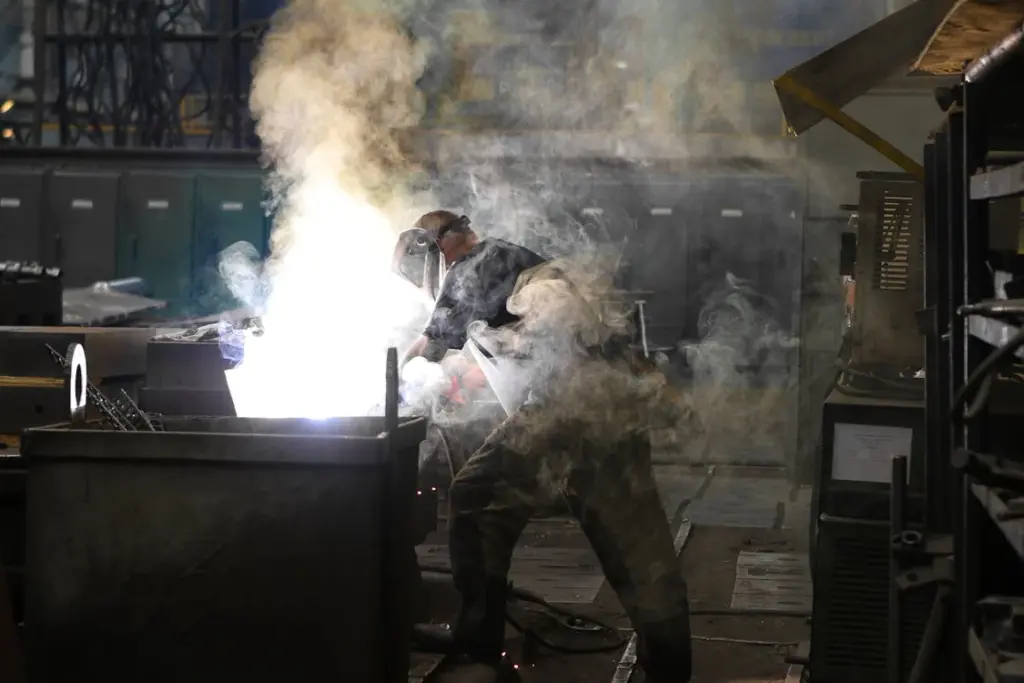
Welding is a key skill in many industries, like construction and manufacturing. Automated welding robots get better and can do hard welds with great accuracy.
Skilled welders will still be needed for special jobs and quality checks, but automation may cut the need for some welding work.
Switchboard Operators
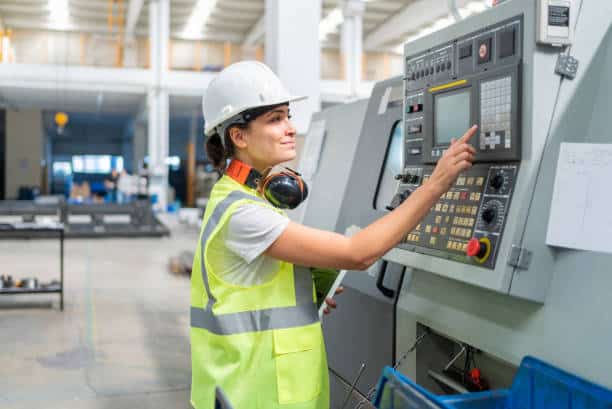
The traditional role of the switchboard operator, connecting callers to the appropriate extension within an organization, has largely been replaced by advancements in telecommunications technology.
Voice over Internet Protocol (VoIP) and automated routing systems have significantly reduced the need for these operators. This trend highlights how even seemingly secure jobs can be impacted by technological advancements.
If you like what you are reading, then click like and subscribe to my newsletter. We share tips to waste less time and money.
Newspaper Delivery Workers

Print media use keeps dropping, as records show. More people pick online news for daily info, so demand for printed papers falls fast.
This drop hits newspaper delivery workers hard. They bring physical copies to subscribers.
Textile Cutting Machine Operators
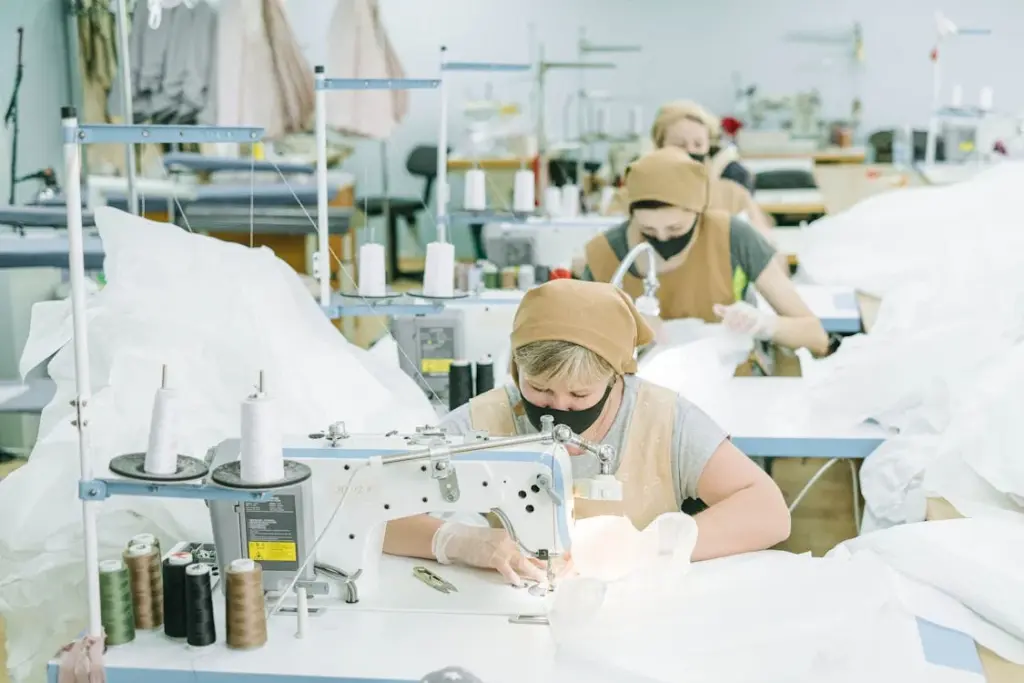
The textile industry has traditionally relied on skilled workers to operate fabric cutting machines. Automation is making inroads into this domain. Laser cutting technology allows for precise and automated fabric cutting, potentially impacting the demand for textile cutting machine operators in the long run.
Programmers

Programming is a tech skill, but parts of the work like daily coding and fixing bugs are getting more automated. AI tools and algorithms help coders write and improve code, which may cut the need for some programming jobs.
The Future of Work: Adapting and Thriving

The future of work promises to be a dynamic landscape, constantly reshaped by technological innovation. While automation presents a challenge for some jobs, it also creates exciting new opportunities. Here are some key takeaways to consider:
Continuous Learning is Key

The ability to learn and adapt new skills will be crucial for navigating the changing job market. Investing in ongoing education and training can equip individuals with the skills needed to thrive in an automated future.
Focus on Transferable Skills

Technical skills matter, but building skills like critical thinking, problem-solving, communication, and teamwork adds great value. These skills fit many jobs and fields, and give people more options and strength to change.
Embrace Technology

Technology is not the enemy. It is a strong tool we can use to improve our work. People who accept new tech and know what it can do will succeed in the automated workplace.
Collaboration

The future of work will see more teamwork between people and machines. People will add their special creativity, problem-solving ability, and social skills. Machines will take care of jobs that need speed, accuracy, and data work.
People and machines can get great results by teaming up.
The Future Of Work Is Changing Now

Automation change is a sure thing. People and society can handle this shift and open up great chances ahead by grasping its effects and getting ready.
If you like what you just read, then subscribe to my newsletter.