26 Likely Travel Scams: Recognition and Prevention Tips
Traveling brings one of life’s best joys, but it also has risks that can spoil your trip. Common scams, from fake taxi meters to fake tickets, hit tourists every day and leave them upset and short on cash.
A recent survey shows nearly 25% of victims lost $1,000 or more on one travel scam. These scams can change a dream trip into a bad dream, empty your wallet, and harm your safety.
This article lists 26 common travel scams and gives tips to keep you safe on your next trip. It covers basic scams and rare ones you may meet. It pays to stay safe!
Did a scam ever catch you or someone you know? Read on to stay ahead.
Counterfeit Attraction Tickets
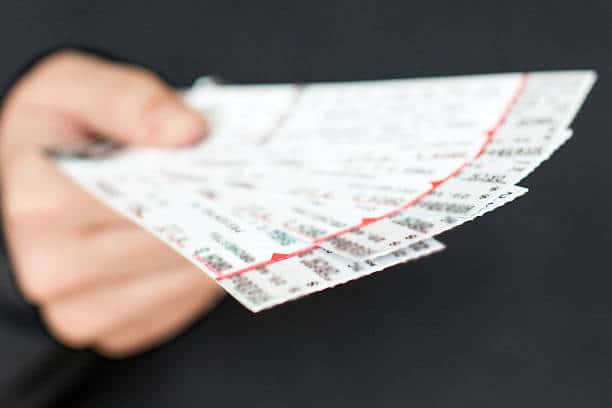
Fake tickets for top attractions fool tourists and waste their cash. Buy passes just at official spots or sites. Check rules to make sure entry matches the ad promises.
Scammers target travelers who want deals by attractions. Skip street sellers or agents with special offers and no real proof. Look up normal ticket costs to spot bad prices.
Some fake tickets let you in but add fees at the end. Check reviews for other sellers to see if they work. Plan early to skip rushed buys.
Fake Rental Listings

Bogus listings attract travelers with attractive photos and low prices but leave them stranded. Verify addresses through satellite maps before booking. Check host reviews and previous ratings on reputable platforms.
Fraudsters may demand full payment upfront to secure reservations. Insist on secure transactions through trusted booking sites for accountability. Beware of owners unwilling to provide clear communication or documents.
Some scams involve stolen photos used across different platforms. Reverse-image searches help confirm authenticity before committing. Avoid clicking unfamiliar links claiming special discounts or urgency.
Fake Health Professionals

Scammers act as health officials and sell fake drugs or cures. Check their IDs by calling local doctors or clinics. Buy prescriptions only at licensed drug stores to stay safe.
These fakes create urgent problems to charge high prices. Ask for real ID and go to real hospitals for aid. Learn about local health care and places before you travel.
Some tricks sell fake health insurance to visitors. Get policies from known companies before you go. Watch out for surprise deals at airports or busy spots.
Fake Lost Property Claims
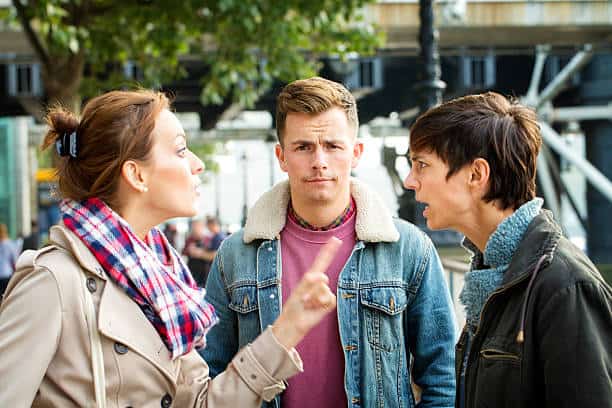
Scammers claim lost items belong to them and demand compensation. Document your possessions with photos to prove ownership. Avoid engaging with individuals who approach you about found items.
Some fabricate stories about sentimental value to manipulate emotions. Politely refuse and report the incident to local authorities if necessary. Trust your instincts and maintain a neutral attitude.
Accomplices may act as witnesses to reinforce fake claims. Insist on resolving disputes in controlled settings like police stations. Stay calm and avoid giving away personal details during interactions.
 If you like what you are reading, then click like and subscribe to my newsletter. We share tips to waste less time and money.
Overpriced Parking Scams
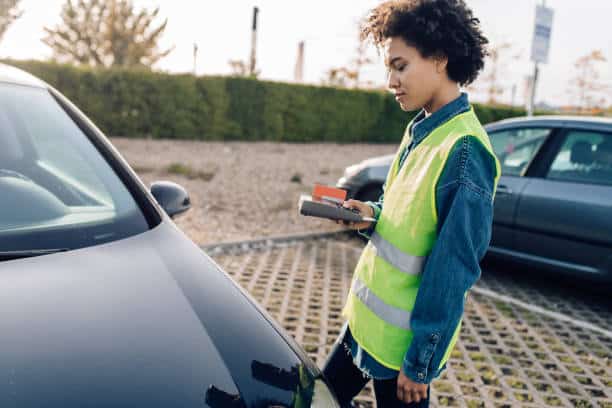
Unregulated attendants may charge excessive fees at unofficial parking lots. Verify parking rates at official lots or inquire locally. Secure payment receipts to avoid disputes or additional charges later.
Scammers sometimes fake authority, directing tourists to unsafe or remote locations. Trust signage and cross-check with maps for accurate guidance. If unsure, ask locals for recommendations on reliable parking spaces.
In some cases, vehicles parked at unauthorized locations face towing. Ensure you choose lots operated by legitimate services. Protect your car by parking in well-lit and monitored areas.
Counterfeit Hotel Staff Calls

Scammers make fake calls to rooms about payment problems. They ask for card details. Hang up and call the front desk yourself. Do not share money info without seeing the person in real life. Scammers call at night when guests feel mixed up or sleepy.
Check hotel rules on money talks. Tell hotel staff about odd calls right away. Fake staff may try to enter rooms.
Look through the peephole and check their ID before you open the door. Lock valuables in the room safe for safety.
Bogus Car Trouble Assistance

Individuals may flag you down claiming your car has problems to distract and scam. Stay inside your vehicle and assess the situation. Lock doors and drive to a secure location if concerned.
Some fraudsters offer roadside help but steal valuables instead. Trust official roadside assistance services for safety and reliability. Avoid engaging with strangers offering unsolicited mechanical support.
Dishonest helpers may damage vehicles intentionally to charge for unnecessary repairs. Verify issues through a professional mechanic before paying. Keep contact information for trusted service providers handy while traveling.
Fake Accident Witnesses

Imposters might claim you caused damage and demand compensation. Request evidence and involve local authorities to verify claims. Refuse immediate payments without proper investigations or documentation.
Scammers sometimes use planted witnesses to back false accusations. Document the scene thoroughly with photos and video evidence. Insist on official processes to address disputes transparently.
These setups often occur in isolated areas to pressure victims. Stay calm and contact your insurance company for support. Avoid engaging further until police intervene.
Fake Volunteering Opportunities

Scammers run fake volunteer projects that charge fees to join. Check groups well before you pay money or book trips. Confirm nonprofit status with trusted sources.
Victims show up to empty programs or messy setups. Ask for real contacts and full plans first. Pick partners with solid local links.
Fake projects take your cash with no real gains. Choose programs with set aims and real results. Watch out for empty talk with no proof.
Staged Broken Items

Vendors may accuse you of damaging merchandise and demand compensation. Take photos of items before handling them. Refuse to pay without proof of your involvement.
Some setups involve accomplices staging accidents for tourists. Avoid engaging in disputes and involve authorities if necessary. Stay calm and maintain clear communication during interactions.
These scams often target crowded stores or markets. Shop with reputable retailers to avoid these situations. Inspect items carefully and minimize interactions with aggressive sellers.
Fake Immigration Assistance

Imposters may offer help with customs forms or procedures for a fee. Decline such services and rely on officials. Read instructions posted at immigration counters for guidance.
Fraudsters exploit stressed travelers by claiming to expedite processes. Avoid sharing personal information unless directly asked by authorities. Contact airport or border staff for verified assistance.
These schemes often involve collecting illegal payments for standard procedures. Confirm all requirements through official channels before traveling. Keep important documents organized and accessible for smooth processing.
Fake Police Officers

Imposters posing as officers may accuse tourists of minor infractions to demand fines. Ask for identification and contact local authorities if unsure. Keep copies of official documents for verification.
According to recent reports, imposter scams were the second-most-reported type of fraud in 2023, with losses totaling $2.7 billion. Scammers exploit tourists unfamiliar with legal systems to intimidate them into paying bribes.
Insist on visiting the police station to resolve disputes. Stay calm and avoid handing over cash directly. In some cases, scammers may work in pairs or groups to create distractions that allow them to steal from tourists. Trust your instincts and document interactions to ensure fair treatment.
Fake Taxi Meters

Tourists often get hit by drivers with rigged meters that charge too much for rides. Always check rates with drivers and make sure meters reset before you go. Pick licensed taxis or good ride-sharing apps to skip this.
Asking for set prices with no meter can mean a scam on passengers. Check average costs for main routes to pick smart. If it seems wrong, ask to clear it up first.
Local taxi drivers at times work with partners at big tourist areas. They may push costly side trips or services. Say no to unasked tips and keep to your own plan to stay safe.
Overpriced Currency Exchanges

Many travelers lose money to unfavorable exchange rates at sketchy currency booths. Stick to ATMs or official banks for transparent transactions. Use a currency conversion app beforehand to know the approximate exchange value.
Hidden fees can also inflate costs when exchanging currency. Verify all fees upfront and request receipts to ensure transparency. If possible, exchange money in your home country before traveling.
Some vendors advertise “commission-free” rates but embed costs in lower exchange values. Understand how these setups work to recognize legitimate offers and avoid hidden traps.
Pickpocketing Disguised as Helpfulness

Friendly strangers may offer assistance only to swipe belongings in crowded places. Keep valuables close and avoid displaying expensive items. Crossbody bags with zippers are practical choices for added security.
Pickpockets often work in pairs to distract and steal from unaware tourists. Stay alert when approached by strangers, especially in busy areas. Observe surroundings and maintain a safe distance from overly helpful individuals.
Those pretending to be guides or offering free directions might have ulterior motives. Politely decline unexpected help and rely on official maps or navigation tools instead.
Fake Tour Guides

Bad actors may act as guides and sell high-priced or fake tours. Check good tour companies ahead of time and book with approved places. Read online reviews and scores to check quality.
Scammers may offer special entry to sites but take tourists to other spots. Check plans and proof of skills before you agree. Ask to see real badges or links to real groups.
Fake guides often ask too much money for easy jobs. Check prices with local companies to spot fair deals and skip these tricks.
Free Bracelets or Roses

Street vendors may offer free trinkets, only to demand payment afterward. Politely decline gifts to avoid unwanted confrontations. Maintain firm but polite boundaries when approached.
These individuals might aggressively claim you accepted the gift and owe money. Stay calm, firmly decline, and walk away. Avoid engaging further to prevent escalation.
Some scams involve emotional tactics, like claiming the money supports a cause. Be skeptical of unsolicited requests and prioritize supporting verified charities instead.
Wi-Fi Scams

Free public Wi-Fi draws cybercriminals who target private data. Pick secure networks and use a VPN for extra safety. Do not open personal accounts or bank apps on open connections.
Scammers make fake networks that look like real ones to trick people. Check network names with staff first. Cut device access to lower danger.
Malware hits via pop-ups on unsafe Wi-Fi. Skip unknown links and update your device with safety tools.
Accommodation Booking Scams

Between April 2022 and April 2023, over £15 million was lost in the UK to holiday booking scams. Fake listings on unreliable platforms target travelers looking for budget deals. Verify property reviews and contact hosts through trusted booking sites.
Double-check the address and photos for inconsistencies before making payments. Last-minute cancellations or extra fees upon arrival are red flags of a scam. Insist on written agreements covering charges and refund policies to avoid surprises.
Opt for accommodations with verified credentials. Some scammers impersonate owners and request wire transfers outside official systems. Always pay through secure methods provided by reputable booking platforms.
Skimming Devices on ATMs

Card skimming devices on ATMs put your money at risk. Check machines for strange attachments before you use them. Hide your keypad with your hand when you type your PIN to stop data theft.
Pick ATMs inside banks or safe spots for better protection. Skip lone or dark machines to cut down risk. Check your account often to spot bad charges fast.
Crooks may distract you as they steal from your card. Keep your eyes on the job during use and skip chats with people close by.
Overcharging at Restaurants

Restaurants near tourist hubs may overcharge or add unauthorized fees to bills. Check menus for listed prices and clarify charges before ordering. Retain receipts to verify amounts during payment.
Some establishments lure customers with low prices but inflate costs through hidden charges. Ask questions about taxes or additional fees upfront. Be cautious with “tourist menus” offering poor value.
Collaborations between staff and scammers sometimes occur to overbill unsuspecting guests. Stay vigilant and request itemized bills to maintain transparency.
“Accidental” Spills

Street scammers may spill drinks or food on tourists to distract them while stealing. React calmly and secure your belongings immediately. Be cautious of individuals offering unsolicited help afterward.
These setups often involve accomplices who exploit the distraction to pickpocket. Distance yourself quickly and assess surroundings to avoid further issues.
Some scammers stage these incidents near ATMs or busy areas to enhance confusion. Stay alert in crowded spaces and avoid exposing valuables unnecessarily.
If you like what you are reading, then click like and subscribe to my newsletter. We share tips to waste less time and money.
Fake Souvenir Sellers

Vendors sell fake items to travelers who want cheap souvenirs. Learn real local crafts to spot good quality. Buy from licensed shops to get true products.
Hard bargaining or pushy sales point to scams. Shop smart and check items before you pay. Pick known stores for calm buying.
Fake sellers lie about goods to charge high prices. Know local specialties to skip overpaying for copies.
Overpriced Car Rentals

Some rental agencies advertise low rates but impose hidden fees upon returning vehicles. Review contracts carefully and clarify terms before signing. Take photos of the car’s condition to avoid unwarranted charges.
Scammers may also demand upfront deposits they never refund. Rely on trusted companies with transparent policies and good reputations. Ensure insurance coverage is clearly outlined.
Unreliable agencies sometimes manipulate exchange rates for foreign renters. Calculate costs accurately using credible conversion tools to prevent overpayment.
Street Performers’ Intimidation Tactics

Performers may aggressively demand tips after attracting large crowds. Respect their craft but contribute only willingly. Maintain awareness of surroundings during interactions.
Large groups often include accomplices targeting distracted tourists for pickpocketing. Safeguard valuables and minimize carrying cash in busy areas.
Some performers use guilt-based tactics to pressure payments. Decide beforehand how much to contribute and stand by your decision confidently.
Fake Charities

Charity pleas in tourist spots at times use feelings to beg for cash in a bad way. Check groups before you give to real ones. Say no in a nice way if you doubt they are true.
Bad guys might show fake IDs or say they work with big charities. Check facts on real sites or with local cops to be sure.
Cash boxes by famous places often hide info. Help known groups, not strange ones. Keep your kindness safe by checking well.
Staying One Step Ahead

Travel scams hit even smart travelers, but knowing the facts helps you fight back. Spot the tricks scammers pull, like fake cops or bad Wi-Fi, to guard yourself and family.
Plan ahead every time, from checking hotels to picking safe payments. These easy steps keep trips safe and good times safe.
If you like what you just read, then subscribe to my newsletter.