26 Surprising Places Expecting Tips You Can Ignore
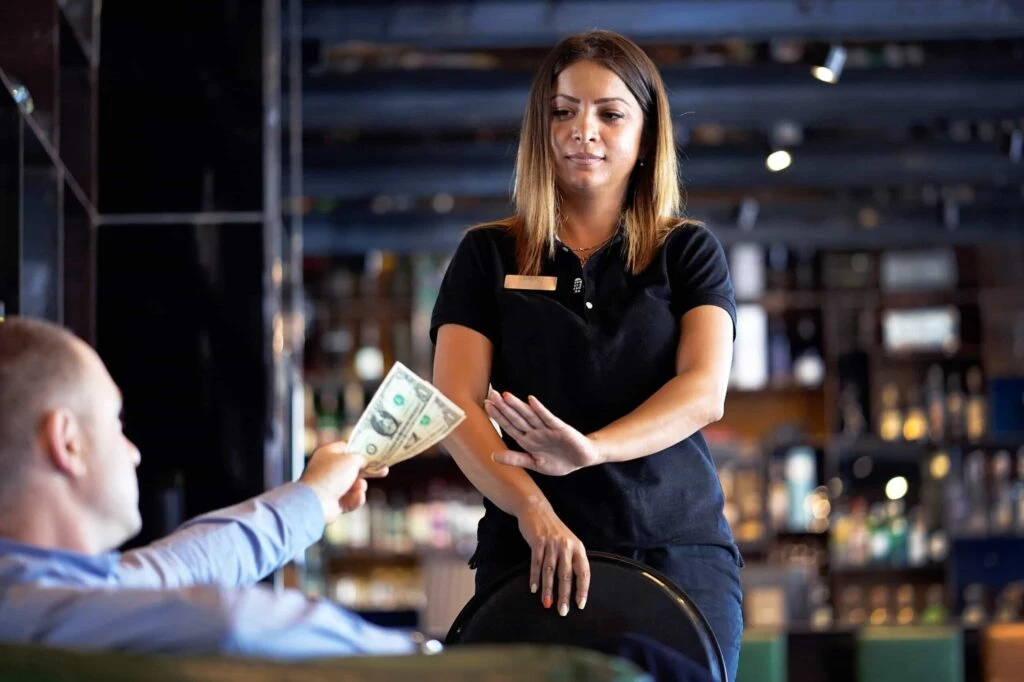
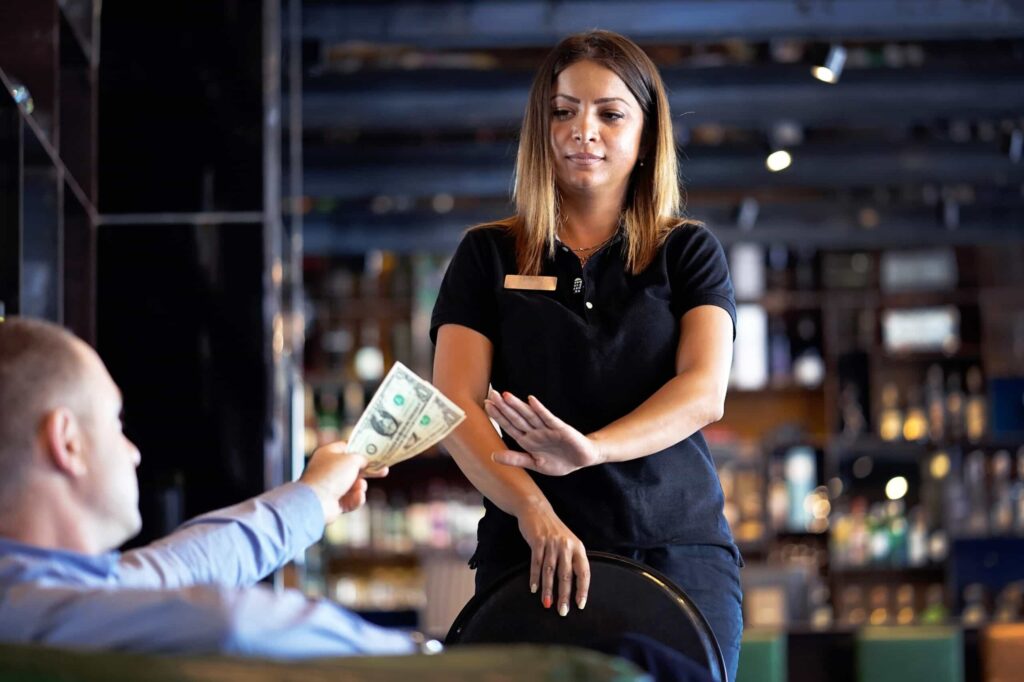
Tipping has been part of our society for a long time. It began as a way to show thanks for great service, mainly in restaurants and hotels. People left extra money to thank servers or hotel staff for extra effort.
But over the years, tipping has changed a lot. It does not just reward top service now. We often feel pushed to tip in many places, even for basic service or no special care.
This move of tipping to new spots has caused what many call “tipping fatigue“, a sense of overload or anger from constant tip asks.
A recent USA Today survey found 63% of people say too many places ask for tips. Almost half (48%) said they feel worn out from so many tip requests. These stats prove tipping fatigue hits many of us.
In this article, we list 26 places where tipping is now expected, even if you do not need to tip. These are spots where tips are now routine, even if they do not match old tipping rules. We will see how this trend hits our daily lives and bank accounts.
What do you think of all these new tipping rules? Do you feel pushed to tip in these cases?
Hair Salons and Barbers
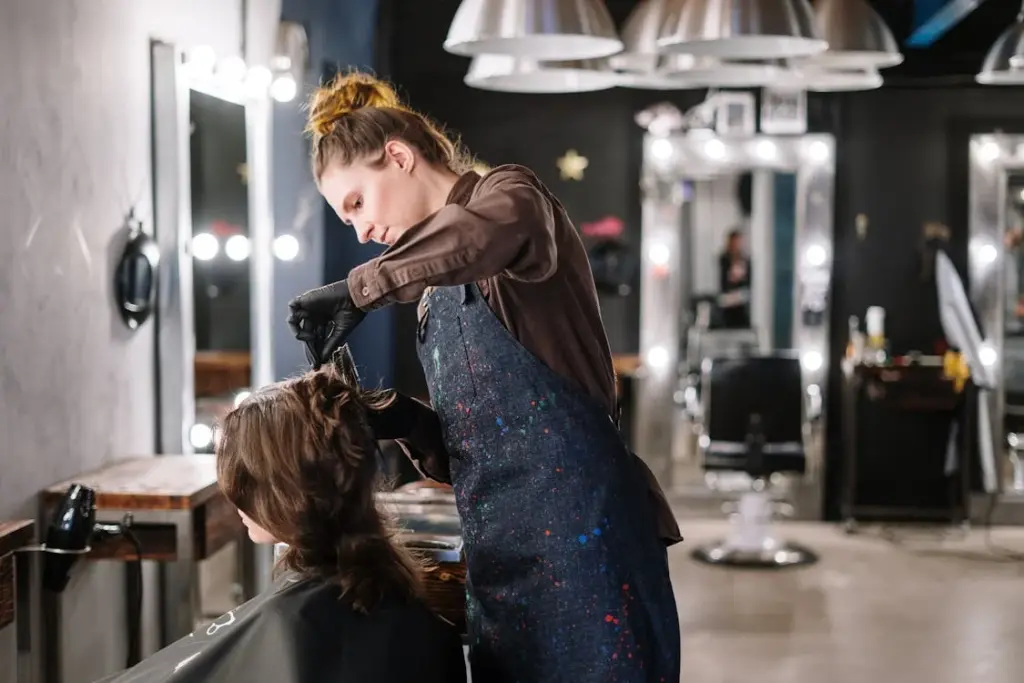
People have tipped hair stylists and barbers for a long time. But haircuts and styling services cost a lot already.
The need to add a large tip on top can make these services seem too pricey. It raises the question if prices should rise to pay workers well, without tips.
Dry Cleaners
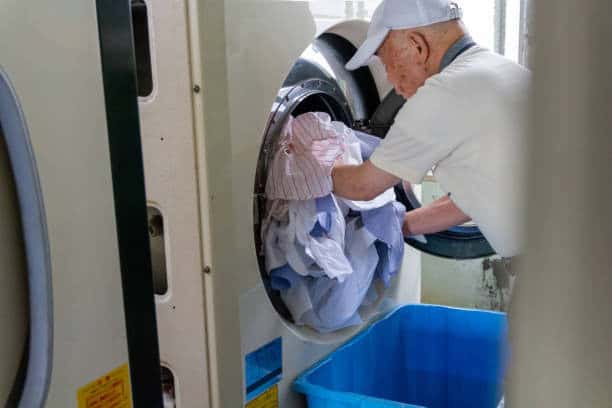
Some dry cleaners now have tip jars or hint at tips. But dry cleaning is a straightforward service that we’re already paying for.
The introduction of tipping at dry cleaners blurs the line between service industries where tipping is traditional and those where it isn’t.
Furniture Delivery
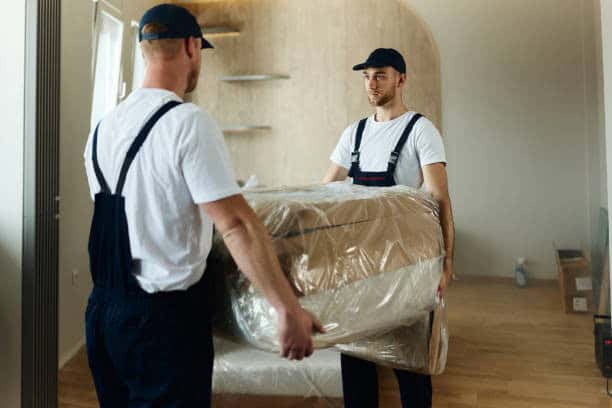
When we buy furniture, delivery comes free or costs extra. People now expect a tip for delivery workers too. This adds a lot to the price of furniture, already a major cost for many. It shows the real price of delivery and fair pay for workers.
 If you like what you are reading, then click like and subscribe to my newsletter. We share tips to waste less time and money.
Moving Services
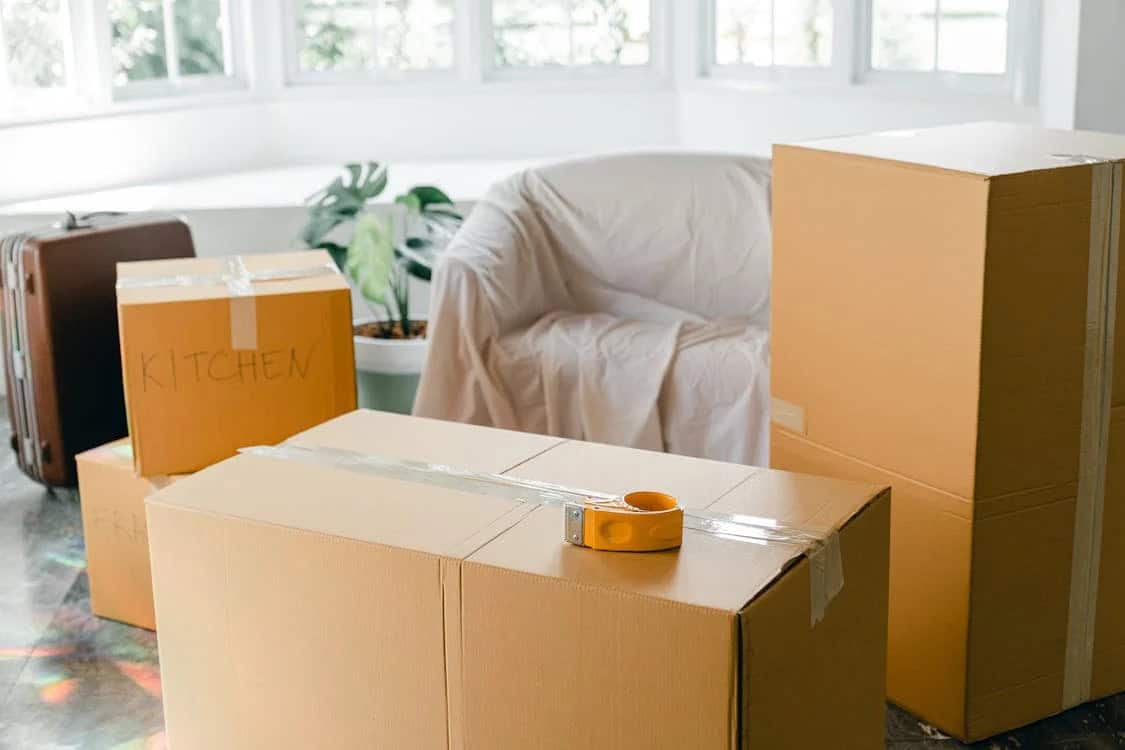
Moving is expensive. We pay the movers for their time and effort. But now, there’s often an expectation to tip on top of these fees. This can make an already costly service even pricier.
It leaves many people wondering why the quoted price doesn’t include fair pay for the hard work of moving.
Ride-Sharing Services

Ride-sharing apps now make tipping drivers a normal part of each trip. They often ask users to add a tip at the end of the ride. These apps already add many fees to the ride price.
The need to tip on top of those fees can raise the total cost a lot. It also brings up issues about fair pay for gig workers.
Tour Guides

When we pay for a tour, the price usually includes the guide’s services. But tipping tour guides has become expected. This can catch tourists off guard, especially if they’re on a tight budget.
It makes the true cost of tours unclear and can add unexpected expenses to a trip.
Freelance Service Providers

People tip photographers, musicians, and other freelancers more often now. These workers set their own prices for their jobs.
The push to tip adds confusion and raises costs beyond what clients expect. It brings up issues on how freelancers set their prices.
Repair Shops

Some people now expect to tip plumbers, electricians, and other repair professionals. But these services are already pretty expensive. Adding a tip on top can make necessary repairs feel overpriced.
It makes us wonder if repair companies should just charge more upfront to ensure their workers are paid fairly.
Home Services

People now expect tips for many home services, like lawn care or house cleaning. These jobs have fixed prices that buyers think pay for all the work.
Tips on top make the services seem too costly and cause mix-ups about real home upkeep costs.
Grocery Stores
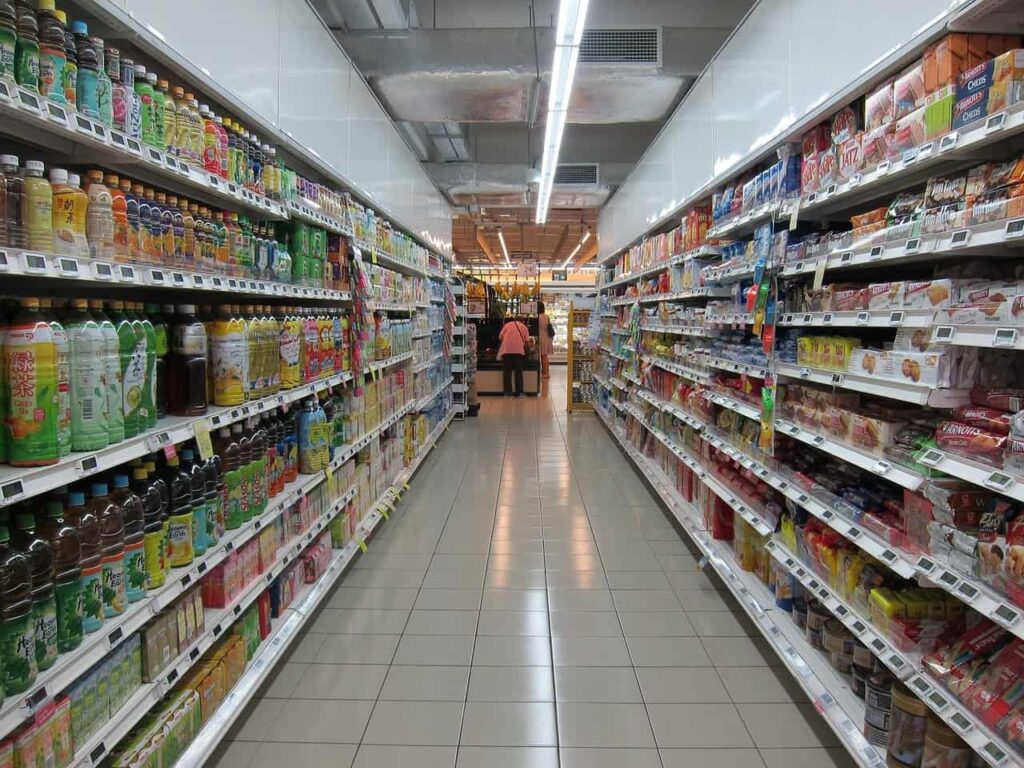
Some grocery stores have started putting tip jars at checkout counters. This is a big change for a place where we’re used to doing most of the work ourselves, picking out our items and often even bagging them.
Cashiers play an important role, but their service is already included in the prices we pay. Adding tipping to grocery shopping could make an essential task more expensive for many families.
Retail Stores

Some stores now ask for tips on services like gift wrapping. But isn’t this just basic customer service?
Adding tips to retail can make shopping harder and cost more than planned.
If you like what you are reading, then click like and subscribe to my newsletter. We share tips to waste less time and money.
Food Delivery Apps
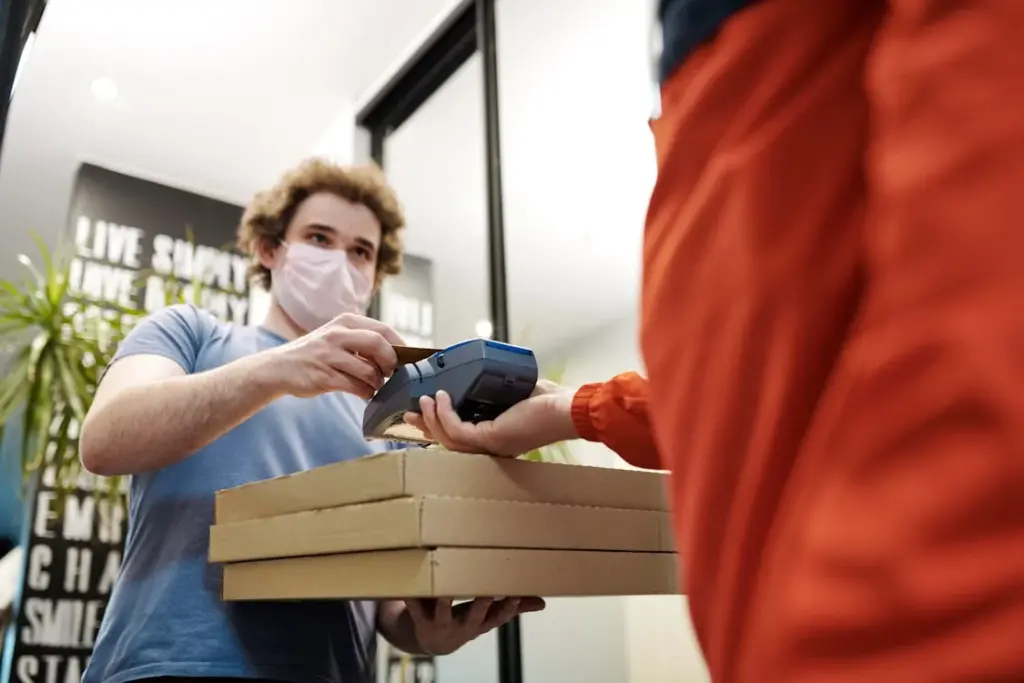
Apps like Uber Eats and DoorDash push us to tip, but they also charge delivery fees. This can make ordering food delivery much more expensive than the menu prices suggest.
It raises questions about how these apps pay their drivers and if the fee structure is fair to customers.
Personal Services
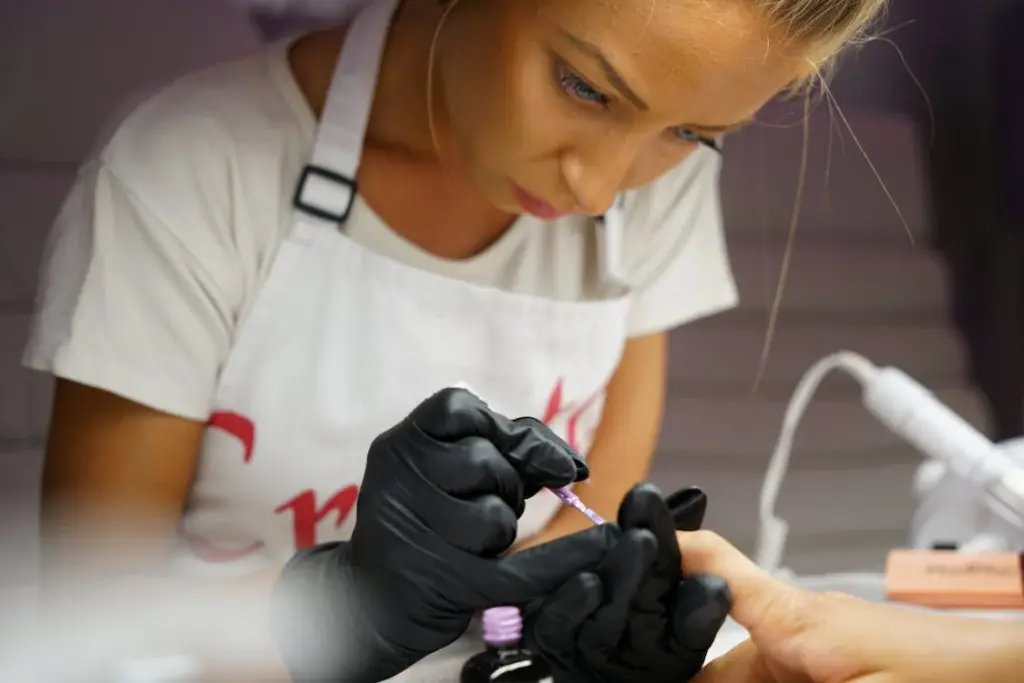
Tipping in personal service industries, such as for tattoo artists or nail technicians, has become standard practice. These services often already come with high price tags that customers assume cover the full cost of the service and the professional’s expertise.
The expectation to tip on top of these prices can make personal services feel overpriced to many consumers.
Fast Food Restaurants
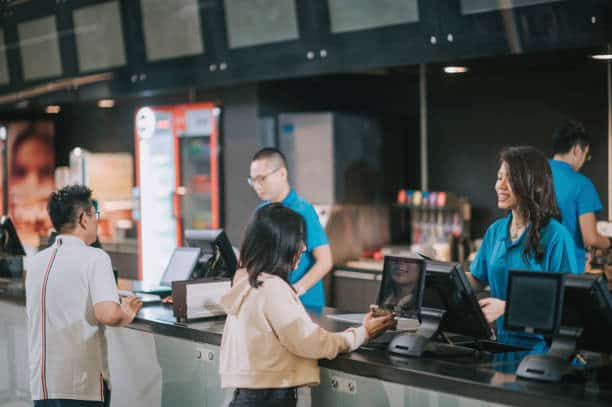
Fast food spots now have tip jars at the counter. This seems strange since fast food means quick, easy service. We order at the counter, take our food, and leave. No table service or special care exists.
So why do we need to tip now? It looks like the idea of fast, cheap food is shifting, and not all like it.
Coffee Shops
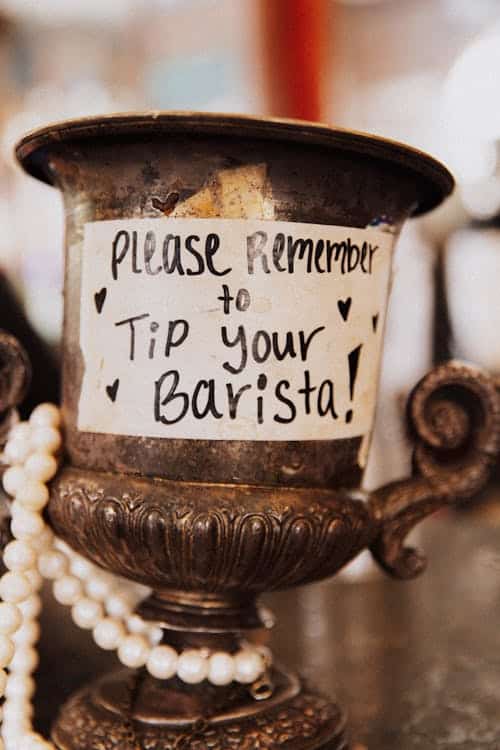
Coffee shops now often have tip jars or ask for tips when we pay by card. This has become so common that many of us feel we have to tip for a simple cup of coffee. But making and serving coffee is just what baristas do, it’s their job.
The coffee is already priced to cover this service. Adding a tip on top of that can make a regular coffee run more expensive than it needs to be.
Food Trucks
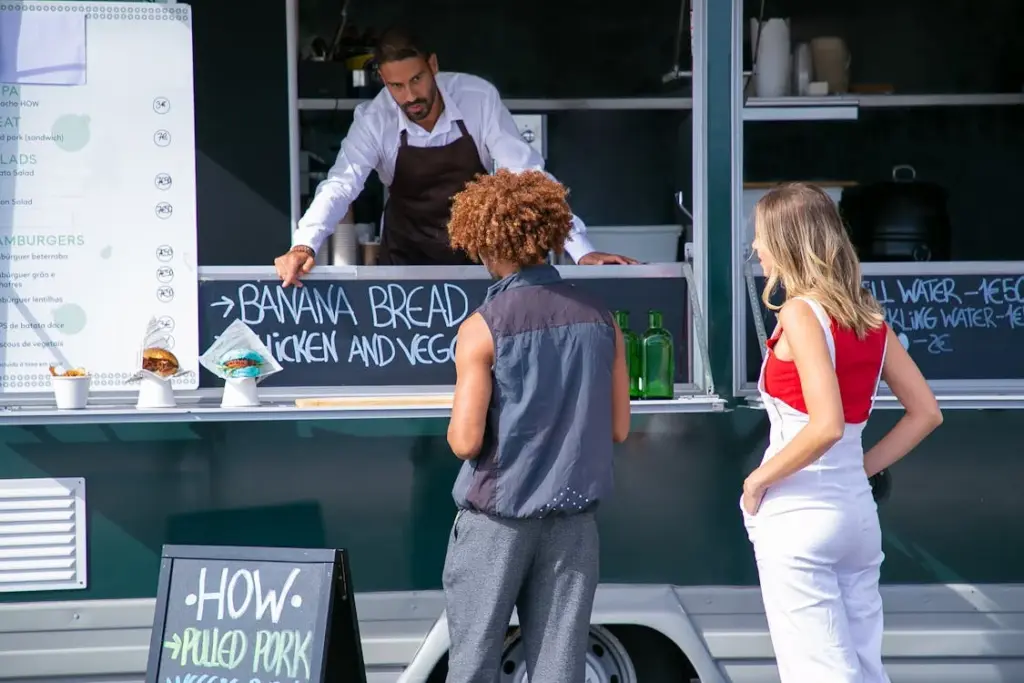
Food trucks are great for quick, tasty meals. But many now ask for tips, just like sit-down restaurants. This is confusing because buying from a food truck is a lot like buying from any other counter service. We order, pay, and take our food.
There’s no extra service involved. Asking for tips at food trucks makes a simple transaction feel more complex and potentially more expensive.
Ice Cream Shops

Even ice cream shops now use tip jars or ask for tips at card payment. This shows up in spots where we scoop our own ice cream. It feels odd to get asked for a tip when we do most of the work.
This new habit can make a fun treat feel a bit awkward. It leaves us asking why we tip for such a basic buy.
Takeout Orders
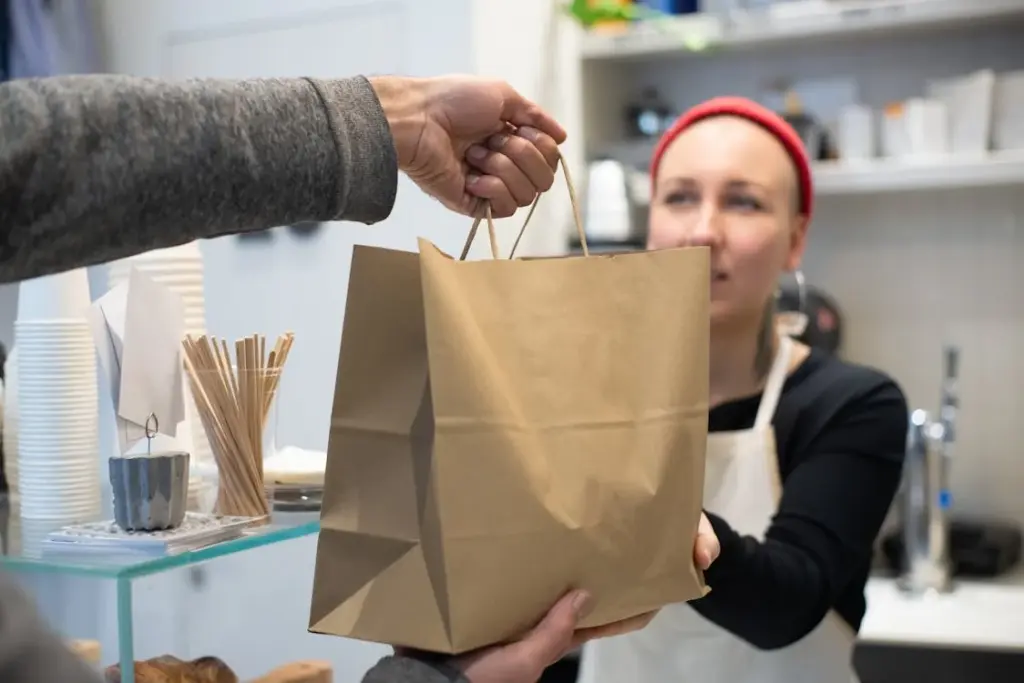
Tipping for takeout orders has become more common, especially since the pandemic started. Many restaurants now ask for tips when we pick up food, even though we’re not getting table service.
This is confusing because we’re already paying for the food and the work that goes into preparing it. Adding a tip for takeout can make the meal significantly more expensive than we planned.
Hotel Housekeeping
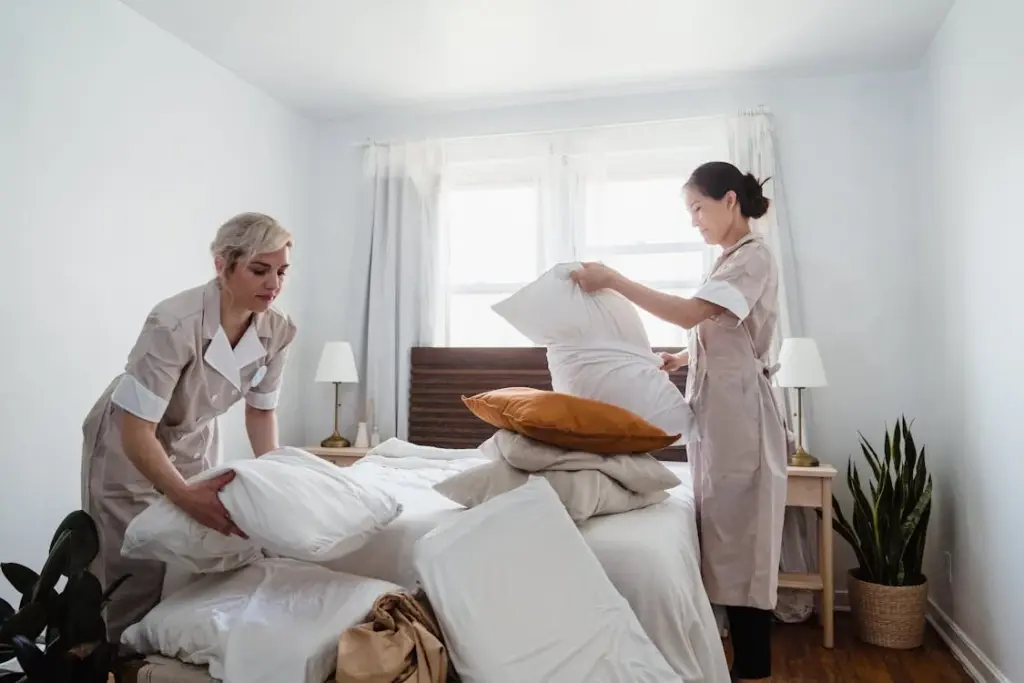
Leaving tips for hotel housekeeping has become pretty standard, even for short stays. But isn’t keeping rooms clean just part of what we’re paying for when we book a hotel? This extra tipping can add up, especially on longer trips.
It makes us wonder if hotels should just pay their staff better wages instead of relying on guests to top up their pay.
Pharmacies

Some pharmacies now put tip jars on the counter. This surprises many since pharmacies sell medicine and give health advice. Pharmacists are trained experts paid for their skills.
Tips in this place seem wrong and may make people uneasy during health problems.
Valet Parking
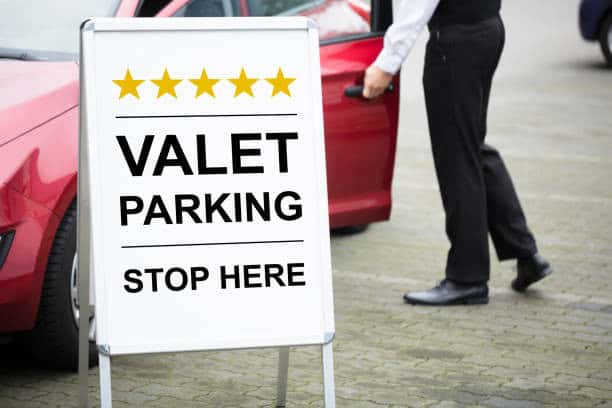
When we use valet parking, we usually pay a fee for the service. But then we’re often expected to tip the valet on top of that. This double payment can feel like too much.
It’s not always clear why we need to pay extra for a service we’ve already paid for. This practice can make valet parking feel like a hidden extra cost when we’re just trying to park our car.
If you like what you are reading, then click like and subscribe to my newsletter. We share tips to waste less time and money.
Buffet Servers
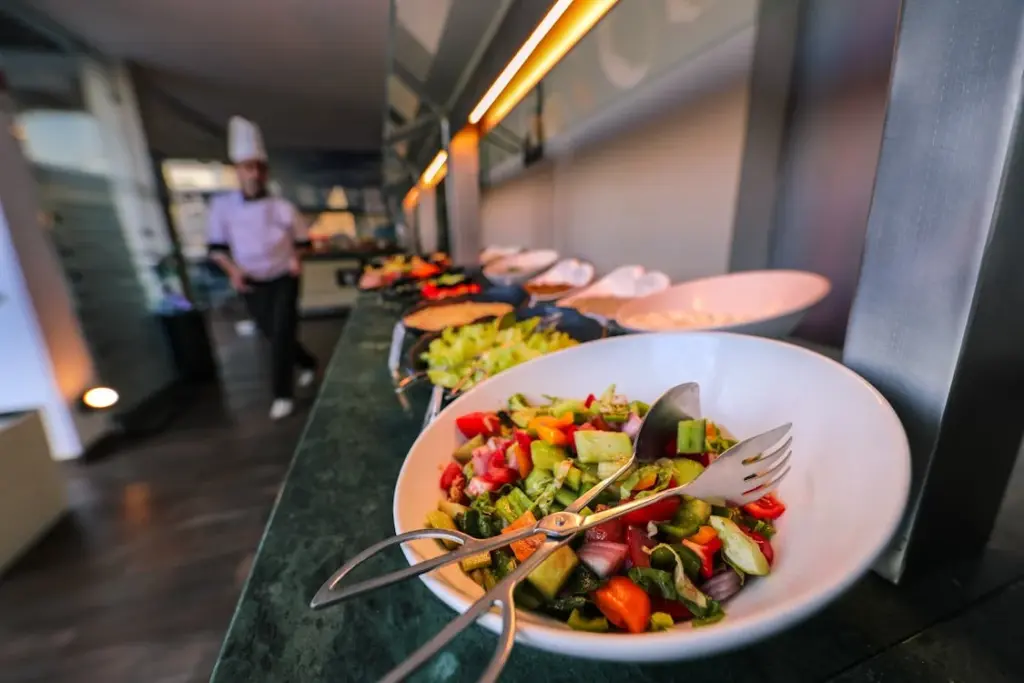
At buffets, we mostly serve ourselves. The staff might clear tables and refill drinks, but we’re doing a lot of the work. Still, tipping is often expected. This can feel odd because we’re not getting the same level of service as in a regular restaurant.
The expectation to tip at the same rate as full-service restaurants can seem unreasonable and confuse diners about how much to tip.
Delivery Services (Non-Food)

Tipping for package or grocery deliveries is getting more common. These services already add delivery fees. The push to tip extra on top can make these easy services cost a lot more.
This habit can raise the total cost of using these services a lot and brings up issues about fair pay for gig economy workers.
Pet Shops
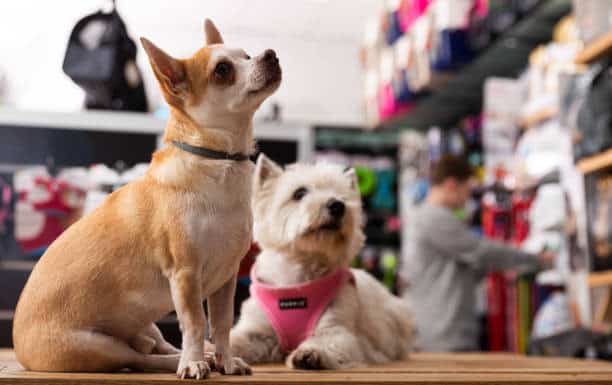
Tipping at pet shops is becoming more common, especially for grooming services. But we’re already paying for these services, often at pretty high prices. Adding a tip on top can make pet care feel much more expensive than we planned.
It’s worth asking why the listed prices don’t already cover fair pay for the groomers and other staff. This trend could make pet ownership more costly, which isn’t great for pet lovers on a budget.
Convenience Stores
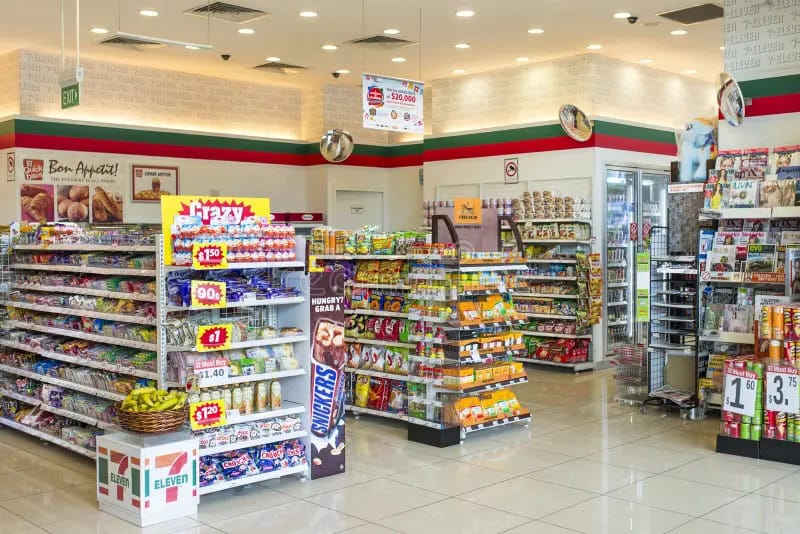
Believe it or not, tip jars are showing up at convenience store counters. This is odd because convenience stores are usually self-service, we grab what we need and pay at the counter. The staff ring up our purchases, but that’s a basic part of their job.
Asking for tips in this setting can make a quick stop feel more complicated and potentially more expensive.
If you like what you are reading, then click like and subscribe to my newsletter. We share tips to waste less time and money.
Gas Station
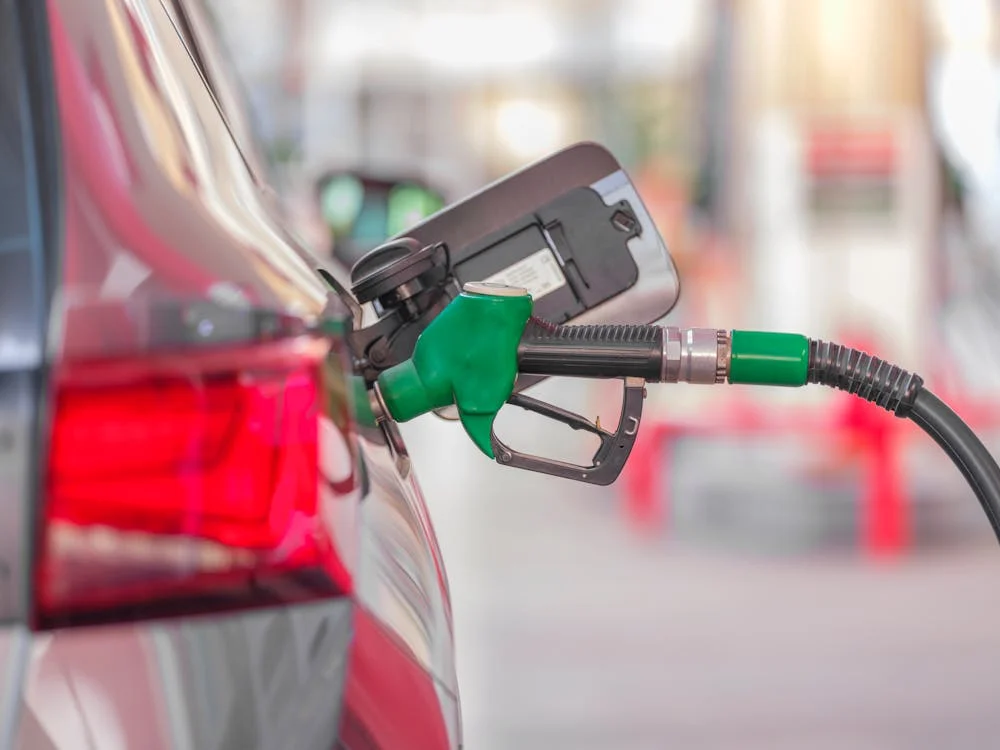
In some places, people expect tips for gas station attendants who pump gas. But pumping gas is their main job, and in some states, law requires it.
The push to tip for this basic service can cause confusion, mainly for drivers from other states who do not know local rules.
The Tipping Point

This review of 26 places shows how tipping has changed. It now shows up in many daily buys, which makes them harder and costs more. This change brings up key points on fair wages, clear prices, and the true price of items and services in our world.
We need a larger talk on tipping. Should it keep growing, or do we want prices that cover fair pay without tips?
No simple fix exists, but think about it next time you spot a tip jar in a new spot.
If you like what you just read, then subscribe to my newsletter.