25 Genius Tips to Maximize Small Spaces at Home

Living in a small space can feel tight, but with smart plans, you can turn even the smallest home into a useful and cozy spot. Using limited room well means more than just cleaning up—it’s about good design, smart storage, and careful picks.
You live in a tiny apartment, a small studio, or a compact house? There are many ways to use every bit of space. Smart small-space fixes help your daily life feel better.
A well-set-up and planned home brings calm and makes tasks simple. You avoid feeling squeezed or stressed and get a space that fits your life and feels like you.
This guide shows 25 smart ideas to use your small living space best. These fixes mix use and looks, so you keep both.
These tips teach you to build a neat, welcoming home that seems bigger and runs smoother.
Choose Dual-Purpose Decorations
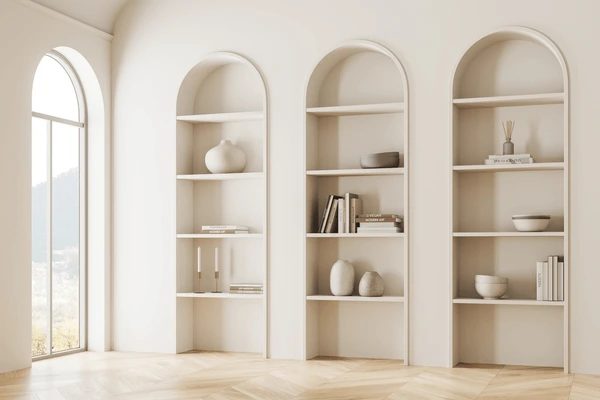
Decor doesn’t need to look good only. It can work well too. Baskets that look nice can store blankets or magazines and add texture to a room. Pretty jars and containers suit open-shelf pantry storage.
Wall art with shelves or hooks mixes beauty and use in one item. Practical decor cuts clutter. Each piece helps the room’s look and feel.
Install Window Treatments Strategically
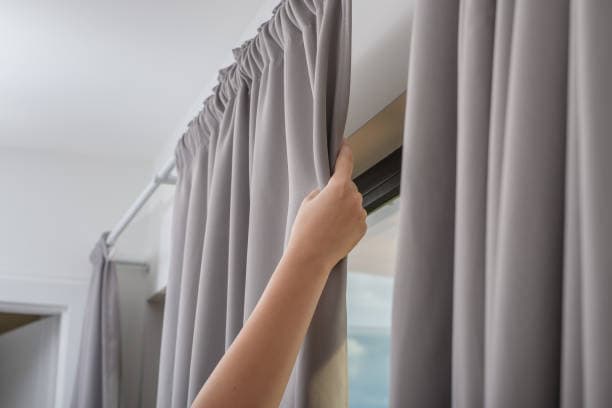
Window coverings can affect how large a room feels. Hanging curtains closer to the ceiling can make windows appear taller and rooms more spacious. Choosing light, sheer fabrics lets in natural light, creating a bright and airy atmosphere.
For a streamlined look, consider blinds that sit neatly within window frames. Keeping window treatments minimal prevents them from overwhelming the room while enhancing its overall appeal. This small change can have a big impact on how your home feels.
Invest in Storage Ottomans
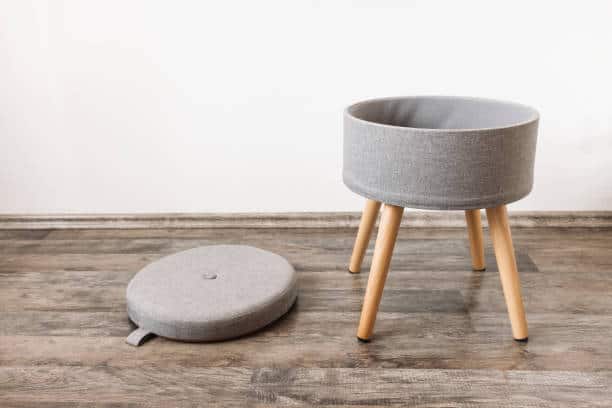
Storage ottomans mix seating, storage, and style in one small piece. Put them in the living room to hold blankets, board games, or electronics. They give extra seats or a spot to rest feet.
In a bedroom, they store seasonal clothes or extra bedding at the bed’s foot. Many designs exist, so pick one that fits your decor.
These items keep spaces neat and add comfort and options.
Create Built-In Storage
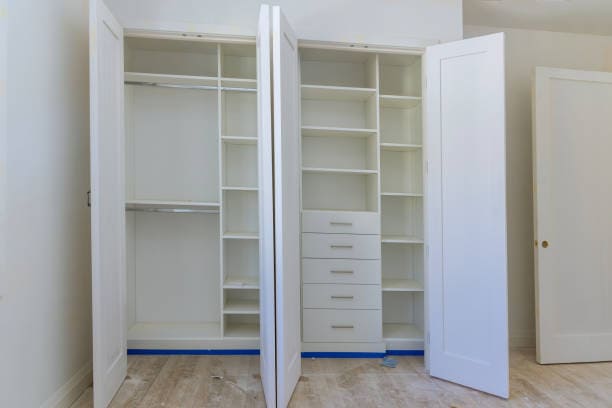
Built-in storage makes the most of every nook and cranny in a small space. Custom shelving units can turn unused walls into valuable storage areas, while built-in benches with hidden compartments provide seating and storage in one.
Kitchen cabinets can be extended to the ceiling to store infrequently used items. This approach not only adds functionality but also creates a seamless and uncluttered look. Tailoring storage solutions to your home ensures that every inch is used efficiently.
Use Transparent Furniture
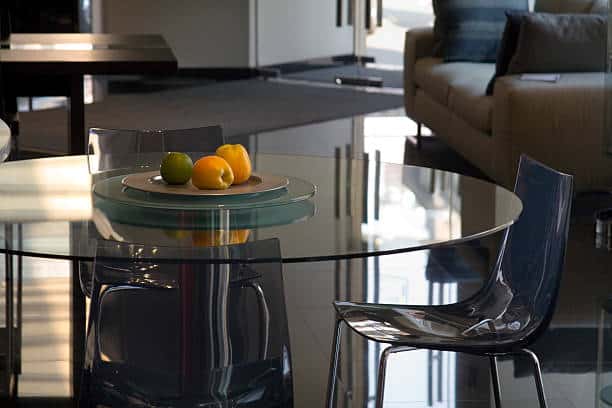
Clear furniture like acrylic tables or chairs makes a room feel bigger. It lets light pass through. These items add space illusion but stay useful.
Glass tabletops or shelves cut visual mess too. They give a clean, modern look.
Smart use of clear pieces makes a small home feel less packed. It keeps style and use intact.
Install Lofted Beds
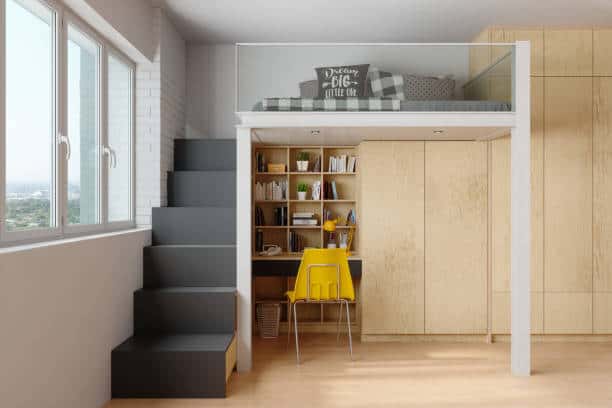
Lofted beds free up valuable floor space, making them ideal for compact bedrooms. The area beneath the bed can be used for a desk, seating, or storage, maximizing functionality. This setup is particularly popular in studio apartments or shared rooms where space is at a premium.
With thoughtful planning, a lofted bed can turn a cramped room into a multi-functional and stylish space. Adding decorative touches below the bed enhances the overall look and creates a cozy atmosphere.
 If you like what you are reading, then click like and subscribe to my newsletter. We share tips to waste less time and money.
Hang Curtains to Create Zones
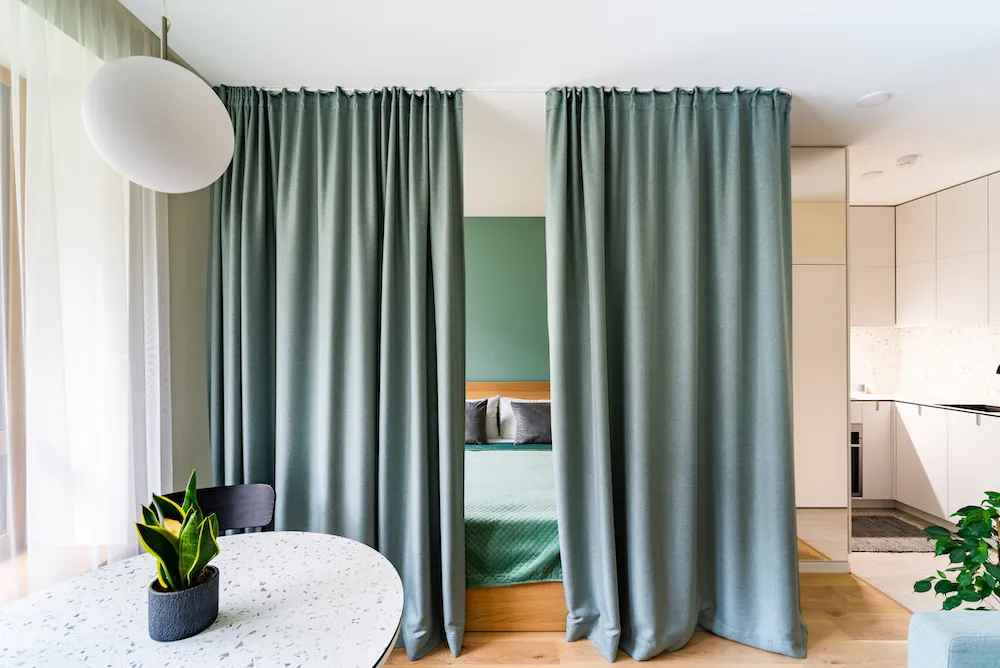
Curtains do more than cover windows. They can split rooms or hide storage spots. In a studio apartment, a curtain can divide the bed area from the living space. In closets, curtains can take the place of doors. They save room and make the space feel soft.
Pick a color or pattern that matches your decor. This makes the dividers work well and look good. The easy trick adds privacy and order to small homes.
Use Ladder Shelves

Ladder shelves are a space-saving alternative to traditional bookcases. Their slim design fits neatly against walls, providing storage without taking up much room. These shelves work well for displaying books, plants, and decorative items, adding personality to your home.
They’re also easy to move, making them a versatile option for renters or those who like to rearrange frequently. Ladder shelves combine practicality with a modern and stylish appearance.
Embrace Hidden Storage
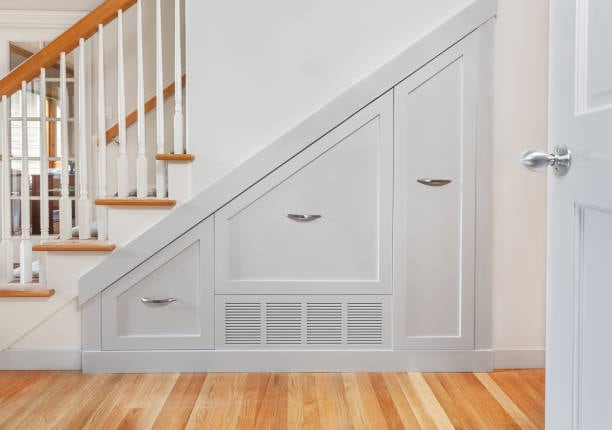
Smart storage ideas hide clutter and make spaces look clean and neat. Beds with drawers inside, sofas with built-in spots, and benches with tops that lift up work well.
Small things like pretty boxes or empty ottomans can hold items out of view. These options help keep areas tidy and give every item its own place.
Use Lighting Wisely

Good lighting can make a small space feel larger and more inviting. Layering different types of lighting, like ceiling lights, floor lamps, and wall sconces, adds depth and dimension. Placing lights near mirrors or reflective surfaces can amplify their effect, brightening the room.
Opting for warm, soft bulbs creates a cozy atmosphere, while dimmer switches allow for flexibility in mood and function. Thoughtful lighting choices can dramatically enhance the overall feel of your home.
Incorporate Folding Screens
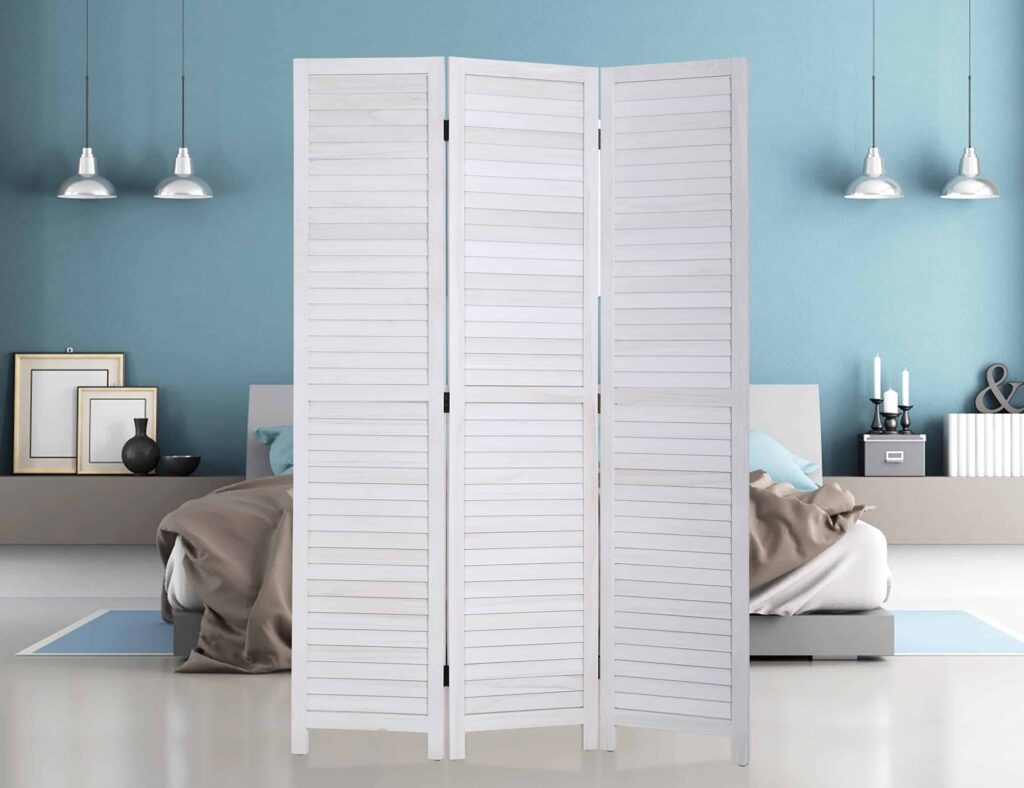
Folding screens give a nice and useful way to split small areas. They add privacy in open homes or act as a pretty background. When not needed, screens fold flat and tuck away.
They come in many styles and materials to match any room and add texture and style. This easy option lets you change your space for different uses without big fixes.
Create a Visual Focal Point
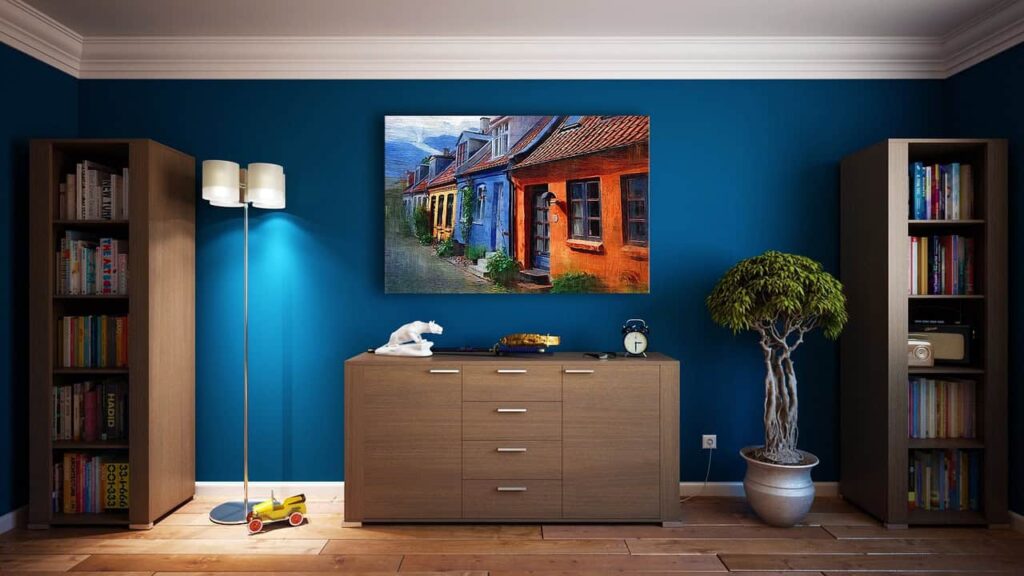
Drawing attention to a single feature in a room can make it feel more expansive. A bold piece of artwork, a brightly colored rug, or an eye-catching piece of furniture can serve as a focal point.
Keeping the surrounding decor minimal helps the feature stand out without overwhelming the space. This approach adds personality and interest to your home while maintaining a sense of balance.
Keep a Minimalist Mindset
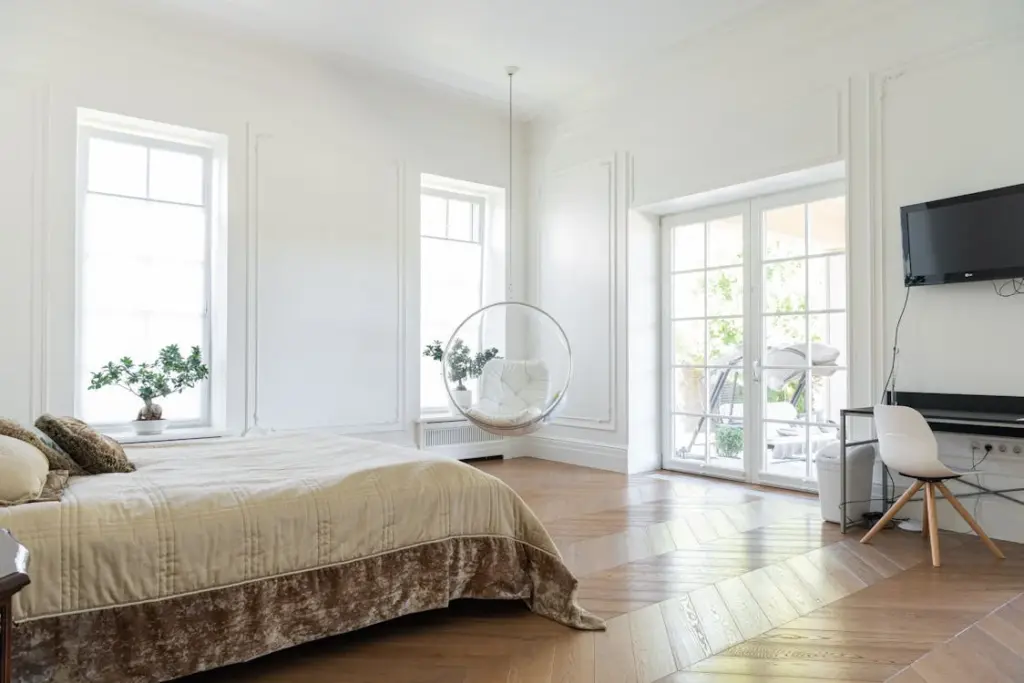
A minimalist approach to decorating and organizing is key to making small spaces work. Prioritize items that are both functional and meaningful, avoiding unnecessary clutter. Choosing a neutral color palette and clean lines creates a calm and cohesive look.
Regularly assessing your belongings ensures that your home remains tidy and functional over time. Embracing minimalism can transform even the smallest space into a peaceful and practical haven.
Multi-Functional Furniture
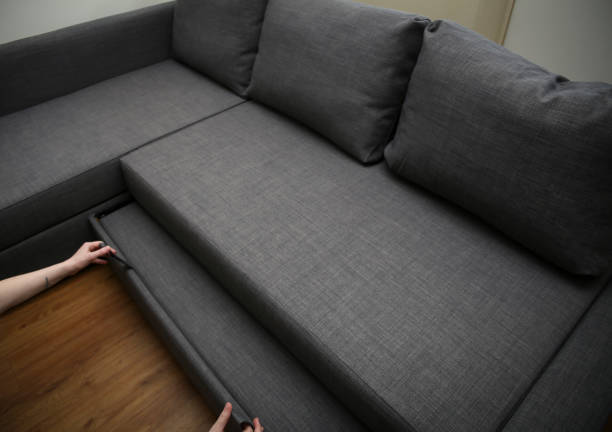
Multi-purpose furniture changes the game in small spaces. A sofa bed gives seats by day and a bed at night. An ottoman with secret storage holds blankets, books, or other items.
Modular furniture like sectional sofas with swap parts adds flexibility for new needs. Buying pieces like these makes sure each item fits and helps keep a clean space.
Smart picks bring comfort and use without losing room.
Vertical Storage Solutions
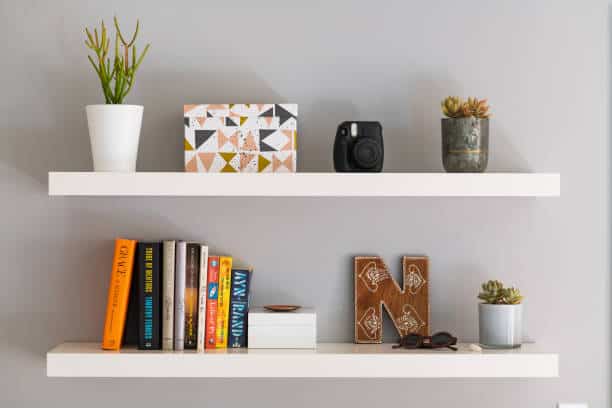
Walls can do so much more than hold pictures, they are an essential storage area in small spaces. Floating shelves provide a stylish way to store books, decor, and everyday items without taking up floor space.
Wall-mounted racks or pegboards are perfect for kitchens and workspaces, keeping everything you need within arm’s reach. For a cleaner look, use matching bins or baskets to store items on shelves, creating a unified and organized appearance.
Utilizing vertical space helps free up your floors, making your home feel open and uncluttered.
Mirrors to Create Illusion of Space
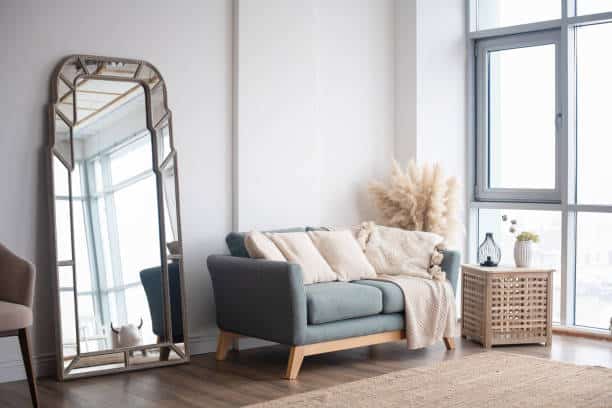
Mirrors rank as one of the simplest ways to make a small room look bigger. Their shiny surfaces reflect light, make the area brighter, and add a sense of depth. Put a big mirror opposite a window to boost natural light and open up the space.
Mirrored furniture like a console or coffee table mixes use with this same room-stretching trick. Smart placement turns tight spots into brighter, more inviting places.
Foldable and Collapsible Items
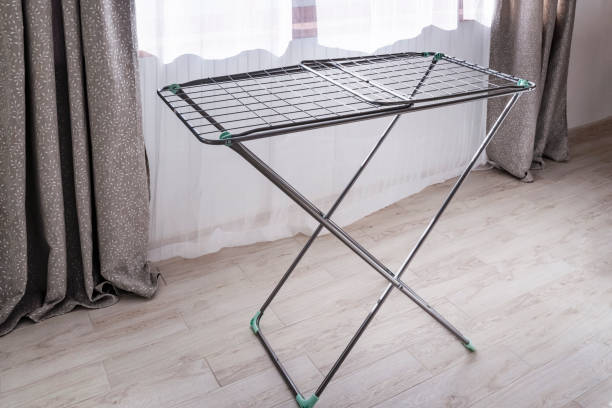
Foldable and collapsible items are essential for those living in small spaces. Folding chairs and tables can be stashed away when not in use, freeing up room for other activities. Collapsible drying racks and kitchen tools provide practical solutions without permanent clutter.
These items are particularly useful for renters or those who frequently rearrange their homes. Compact and convenient, they allow for flexibility in how you use your space. With so many high-quality options available, these pieces can blend seamlessly with any decor style.
Utilize Under-Bed Storage
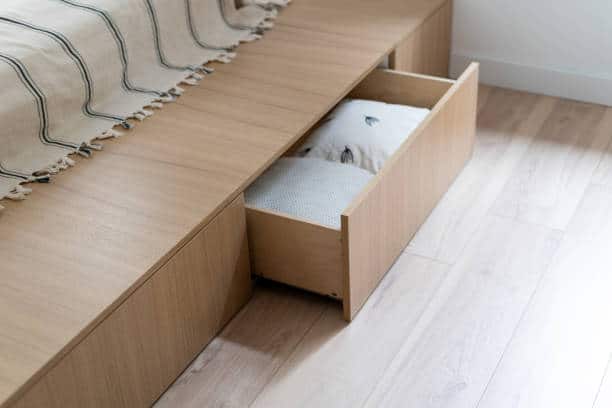
The area beneath a bed is often overlooked but offers a wealth of storage opportunities. Bins with wheels make it easy to slide items in and out, while vacuum-sealed bags are perfect for keeping seasonal clothing compact.
For a more built-in solution, beds with drawers or lift-up storage compartments provide hidden space for bulky items. Use this area to store things you don’t need daily, keeping your home organized without adding extra furniture.
This simple change can instantly declutter your living area and make your bedroom feel more serene.
Over-the-Door Organizers
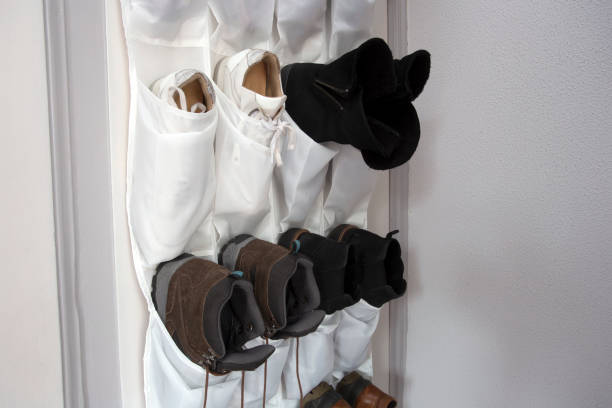
Doors get little use, but they hold big storage power. Over-the-door organizers fit shoes or pantry items and free up closet and cabinet room.
In bathrooms, put toiletries or cleaners in them to clear counters. Door hooks hold coats, bags, or gear, so items stay easy to grab and off the floor.
Smart use turns doors into key storage spots with no extra mess in your home.
Opt for Sliding Doors
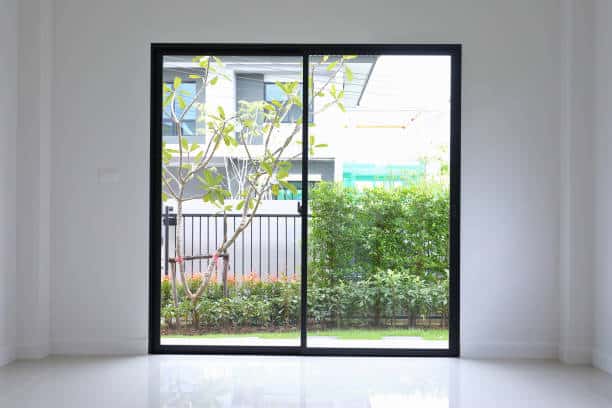
Sliding doors are a smart alternative to traditional swinging doors, especially in tight spaces. They require no clearance to open, freeing up space for furniture or storage nearby.
Barn doors add a rustic charm to any room, while frosted glass sliding doors offer privacy while letting light through. In closets, sliding doors can create a sleek and modern look while hiding clutter.
This simple change can make rooms feel more open and functional without a full renovation.
Nesting Furniture
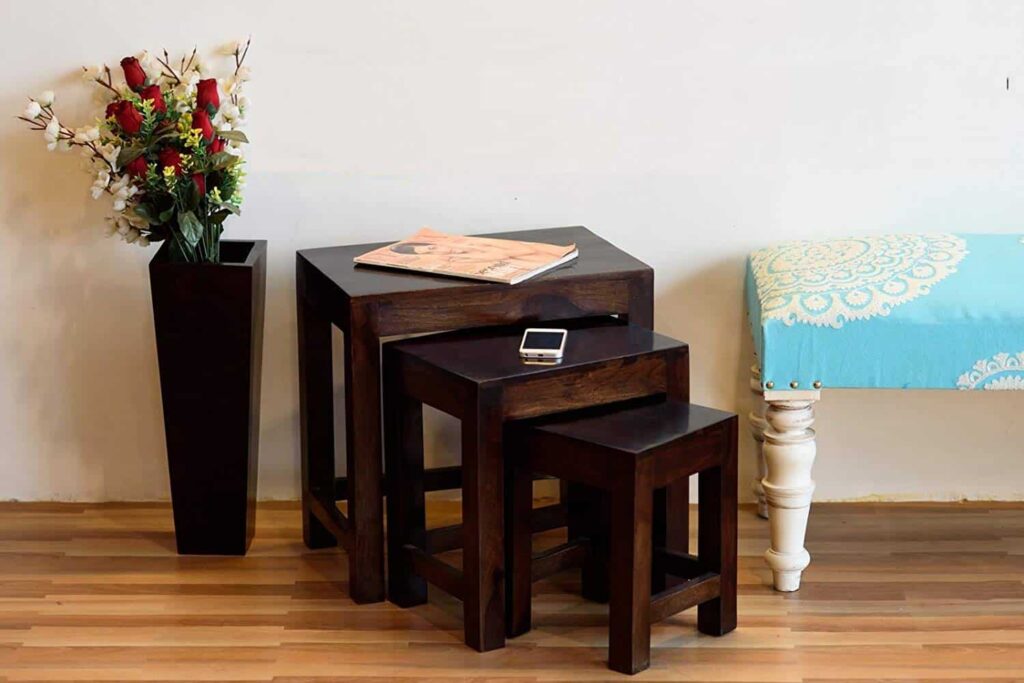
Nesting furniture offers flexibility without taking up extra space. Tables that stack together can be used individually when needed and tucked neatly away when not in use. Similarly, nesting stools or chairs provide extra seating for guests while keeping your home tidy.
These items are particularly helpful for those who frequently entertain but don’t have room for permanent additional furniture. Lightweight and stylish, nesting designs fit into almost any decor.
They are perfect for maximizing both functionality and aesthetic appeal in small spaces.
If you like what you are reading, then click like and subscribe to my newsletter. We share tips to waste less time and money.
Use Light Colors
Light colors work magic in small spaces. They make rooms feel bigger and brighter. Use neutral shades like white, beige, or soft gray. They bounce light and give an open feel. Pastel colors add a touch of color without crowding the space.
Pick light-colored furniture and decor to boost this look. It keeps everything matching. Mix these tips to build a roomy vibe. Your home will feel wide open and welcoming.
Keep Furniture Off the Floor
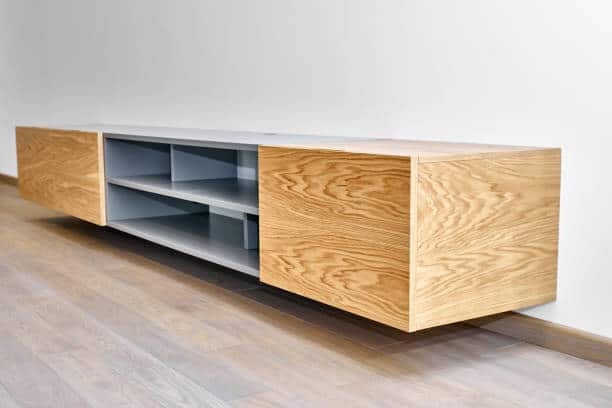
Furniture with legs or that’s wall-mounted can create a sense of openness in a small room. Sofas, chairs, and storage units raised off the ground allow light to flow underneath, making the floor space appear larger.
Floating cabinets or shelves also eliminate the need for bulky furniture that might clutter the area. Choosing items that leave visible floor space creates a cleaner, more spacious feel without sacrificing style or practicality.
This design trick helps maintain a balance between functionality and visual harmony.
Maximize Corner Spaces
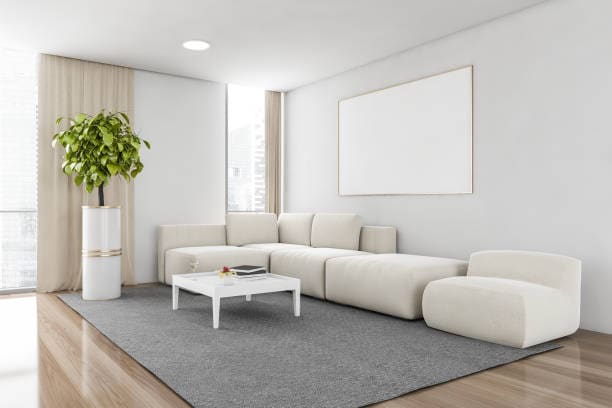
Corners are often ignored, but they can be incredibly useful for storage or decor. Corner shelves can hold books, plants, or decorative pieces, while corner desks make excellent workstations in small rooms.
A corner sofa can create a cozy seating area, taking advantage of space that might otherwise go unused. Adding a corner cabinet or shelving unit can provide extra storage for items you want out of sight.
These ideas help you utilize every square inch while keeping your space organized and appealing.
Use Rugs to Define Areas
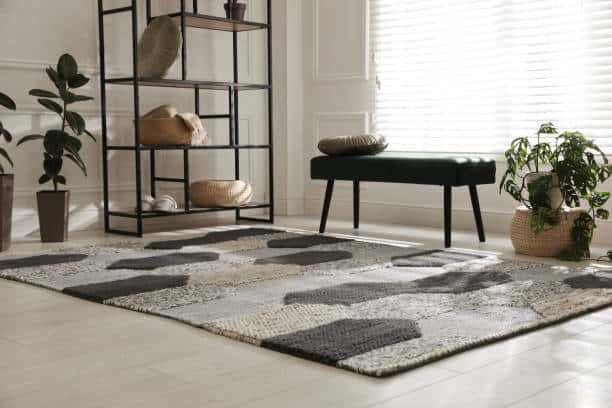
Rugs can split a small home into clear zones. This makes it feel neat and useful. A big rug in the living area builds a warm spot. A small one under the dining table marks that space.
Bright or patterned rugs act as main points. They pull the eye and add visual fun. Layering rugs with varied textures brings depth and heat to your home. This method fits open-plan areas best. It makes them feel planned and less messy.
Maximizing Your Space with Purpose

You can turn a small living area into a useful and nice-looking home with smart planning and new ideas. Every bit of space has value when you use it on purpose, with furniture that does many jobs and smart ways to store things.
An organized home looks even and fits your needs. This brings comfort and keeps style.
These tips use your space well and make life better in it. Small spaces feel big and warm when done right.
If you like what you just read, then subscribe to my newsletter.