Reduce Utility Bills Now: Easy Steps to Escape Monopoly Overcharges


As a parent of three young kids, I know how busy life gets. You juggle work, kids’ activities, house tasks, and more, so utility bills can sneak up and grow fast.
Did you know the average US home pays $2,000 a year to keep lights on, water flowing, and the house warm or cool?
Busy parents (or anyone!) do not need the extra worry of high utility costs. I made some simple, quick tips to shrink those bills without losing home comfort or ease.
A few small changes and good habits can save you hundreds or thousands of dollars each year.
This guide gives tips any busy family can use to cut utility bills, so let’s start!
Understanding Your Utility Bills

Before we dive into saving tips, let’s see what drives up utility bills. They hit budgets hard, but you can spot and fix spots to spend less.
Breakdown of Common Utility Bills

Your utility bills pay for electricity, water, gas, and heating. These keep your home running well. But if you do not watch your usage, costs can rise fast.
Most utility bills list total use in the billing time. They also compare use to past months or last year.
This shows if you use more than before. It shows your energy and water use amount.
Other Fees And Taxes On Your Utility Bill
In addition to showing usage, utility bills also often include a:
- Delivery Charge: Fee for delivering electricity from the power plant to your home.
- Service Charge: Fixed charge for maintaining your account and providing customer service.
- Taxes and Fees: Local, state, and federal taxes, as well as any regulatory fees.
- Additional Charges: Any extra fees, such as late payment charges, reconnection fees, or special program fees.
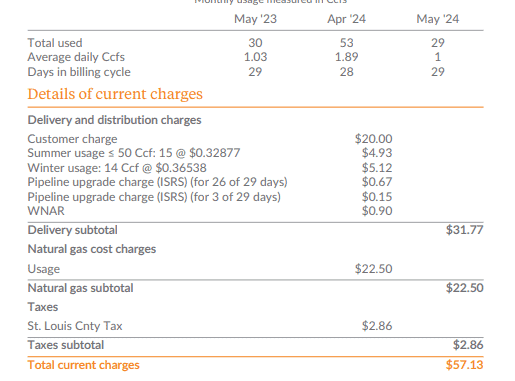
The above screen is our actual gas bill for May. The only gas appliance we use this time of year is our hot water heater. Because of all the fees and taxes, it cost us $57 to use a hot water heater! We used $22 of gas, and our total bill was $57!
I plan to lower this by going all-electric at some point. It’s all the service fees that add up.
Why It’s Important to Monitor Usage
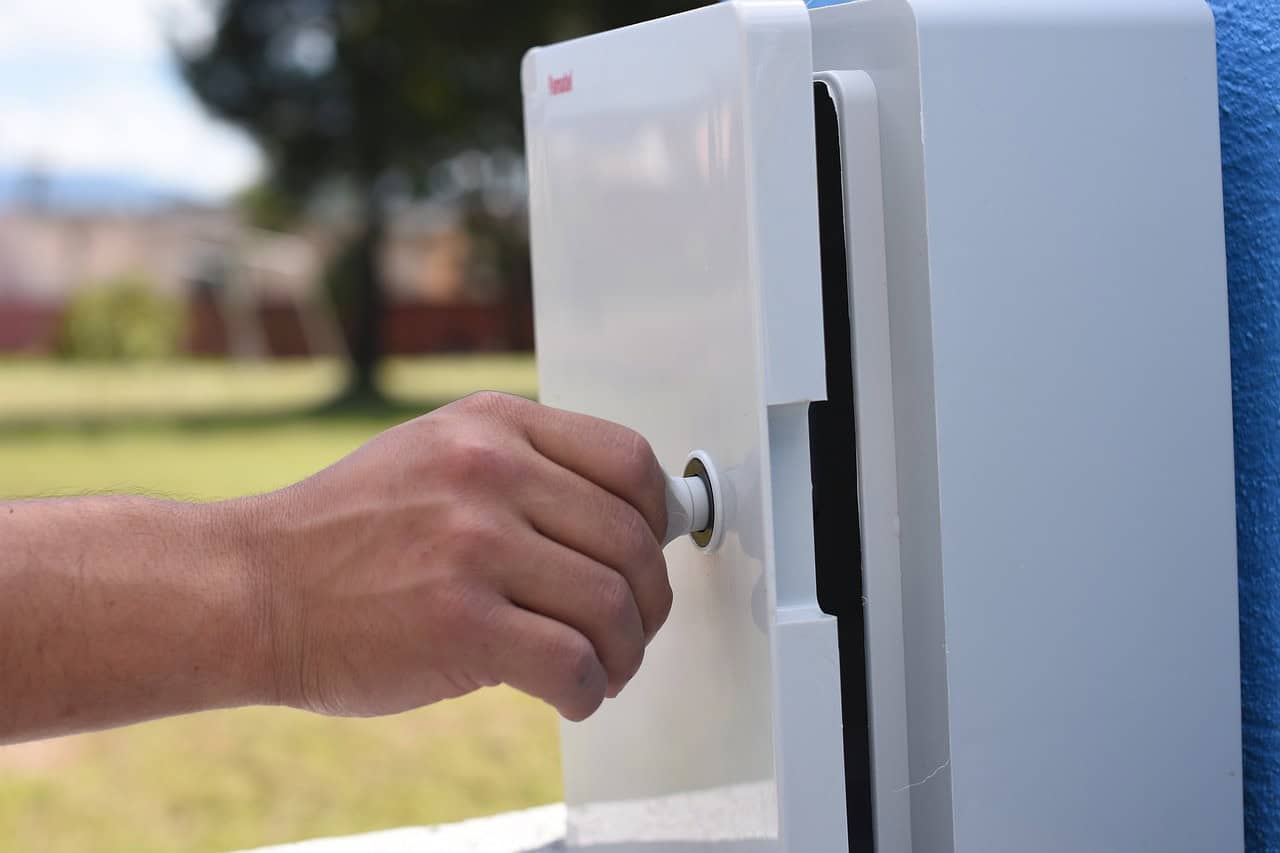
When you know your home’s exact energy and water use (and the sources), you can make small changes that bring big savings.
A small change in thermostat settings can cut 10% from your heating and cooling bills each year!
Invest in Energy-Efficient Appliances

When it’s time to replace old, energy-hungry appliances, pick energy-efficient ones. They cost more at first, but save you a lot over time. An Energy Star fridge, for instance, uses 15% less energy than standard models.
Switch to energy-efficient appliances and use basic green habits to cut utility bills with little effort.
Here are a few key changes:
Energy Usage Apps

There’s an app for just about everything these days, including tracking and managing your energy consumption. Apps like Sense and Home Energy can show you which appliances are using the most energy, and suggest ways to cut back.
With real-time data and personalized recommendations at your fingertips, you’ll be an energy-saving pro in no time!
Seasonal Adjustments

We’ve covered a bunch of great energy and money-saving tips so far. But you can take things a step further by making a few seasonal adjustments too. Easy little tricks can make a big difference!
Winter Tips

When temperatures drop, simple strategies like using draft stoppers, window insulation film, and smartly-placed space heaters can help keep things toasty without going crazy on heating costs.
These simple measures allow you to dial back that thermostat a bit while staying perfectly comfortable.
Summer Tips

In hot months, keep shades and blinds closed at peak heat times. This cuts AC use and lowers cooling bills. Fans help move air so you can raise temps a bit.
Small buys in shades and fans can drop cooling costs by up to 30%!
Renewable Energy Sources
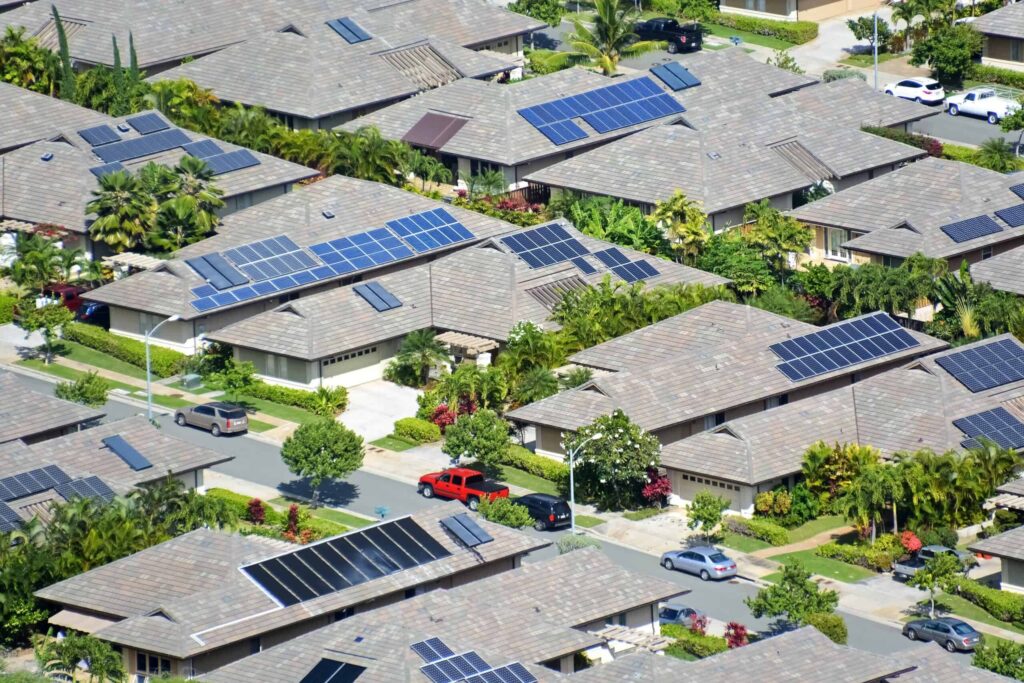
Investing in renewable energy sources can substantially reduce your utility costs over time. By tapping into natural resources, you can lower your reliance on traditional energy sources and see significant savings. Here are some key renewable options to consider:
Solar Panels

Solar panels offer a great way to lower your electricity bills. Homeowners save $1,000 to $2,000 each year with solar power. Solar panels catch sun energy and turn it into electricity for your home.
This lets you use clean, renewable energy and cut your need for the utility grid. We have solar on our home.
Geothermal Heat Pumps
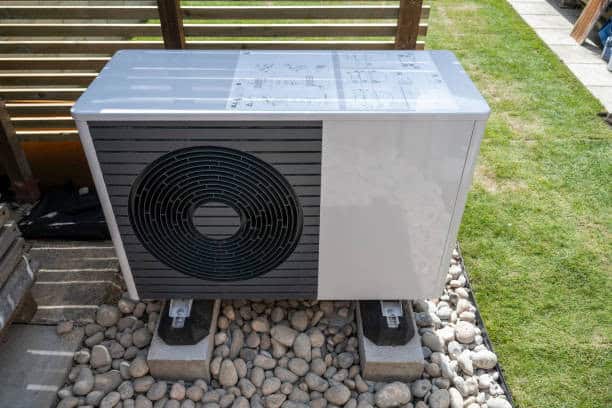
Geothermal heat pumps are an energy-efficient alternative to traditional HVAC systems. These systems use the natural heat from the earth to heat and cool your home.
Homeowners can potentially save $300 to $800 annually on heating and cooling costs with a geothermal system. They are highly efficient and can significantly reduce your home’s carbon footprint.
Solar Water Heaters
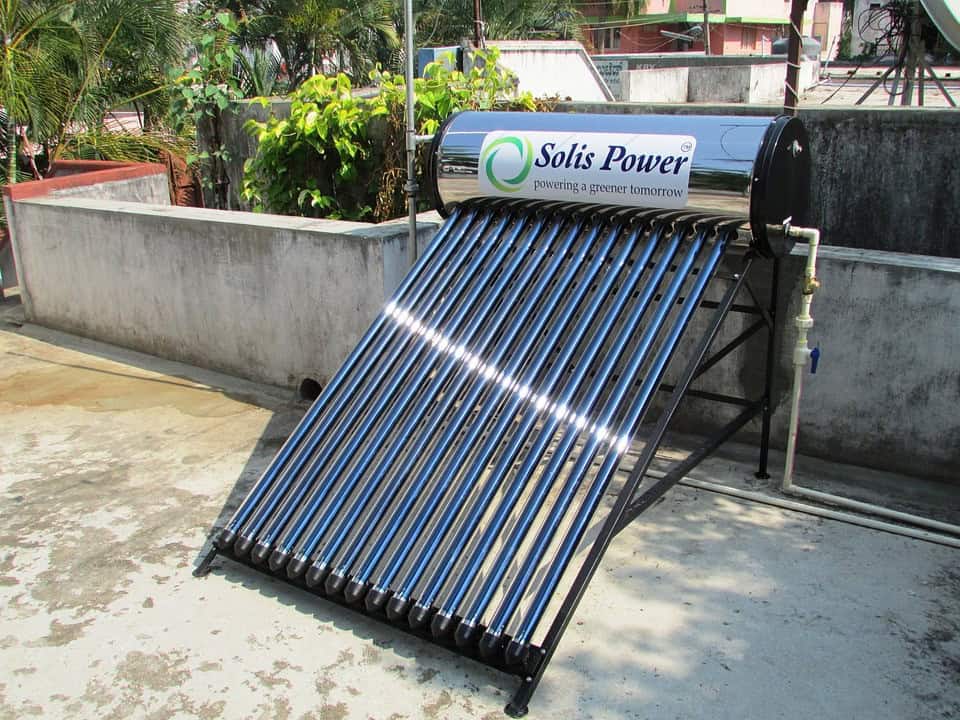
Solar water heaters use the sun’s energy to heat your home’s water supply, reducing the need for traditional water heaters. These systems can save homeowners around $100 per year on water heating expenses.
Solar water heaters provide hot water using a clean, renewable source without relying on electricity or gas.
Unplug Unused Electronics
![NewAir Mini Fridge [NRF031BK00]; Electic KiloWatt Reader](https://wilthink.com/wp-content/uploads/2022/08/Add-a-subheading-4-scaled-1-799x1024.jpg)
Small electronics and gadgets may quietly raise your costs too. The point: items like coffee makers, TVs, and laptop chargers use power when off but plugged in.
Wild, right? A simple fix is to unplug them after use. This habit can save you up to $100 a year on your electric bill!
Use Smart Power Strips

Speaking of unplugging, smart power strips can make the process a whole lot easier. These nifty little gadgets automatically cut off power to devices that aren’t in use, preventing that pesky phantom energy consumption. Using these could put an extra $50 (or more) back in your pocket annually.
Heating and Cooling Tips

Let’s talk heating and cooling, probably the biggest line items on those utility bills. But listen up, because there are easy ways to get those costs under control without freezing or roasting.
Programmable Thermostats
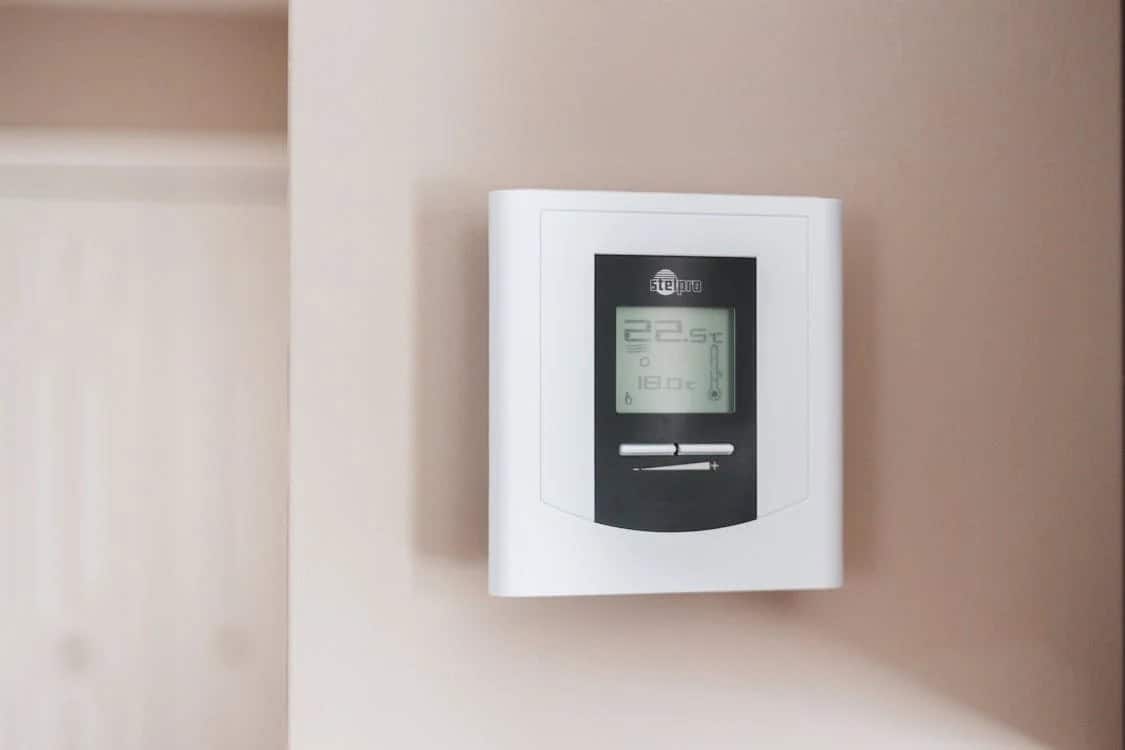
Start with a programmable thermostat. Set temperature plans for each time of day. This way, you save cash by not heating or cooling an empty home. A 10-15 degree change for 8 hours daily cuts yearly costs by 10%.
Proper Insulation

Your home’s insulation is also super important for keeping temperatures stable without maxing out your HVAC. Making sure areas like the attic are properly insulated can shave up to 20% off those heating and cooling bills.
Ceiling Fans
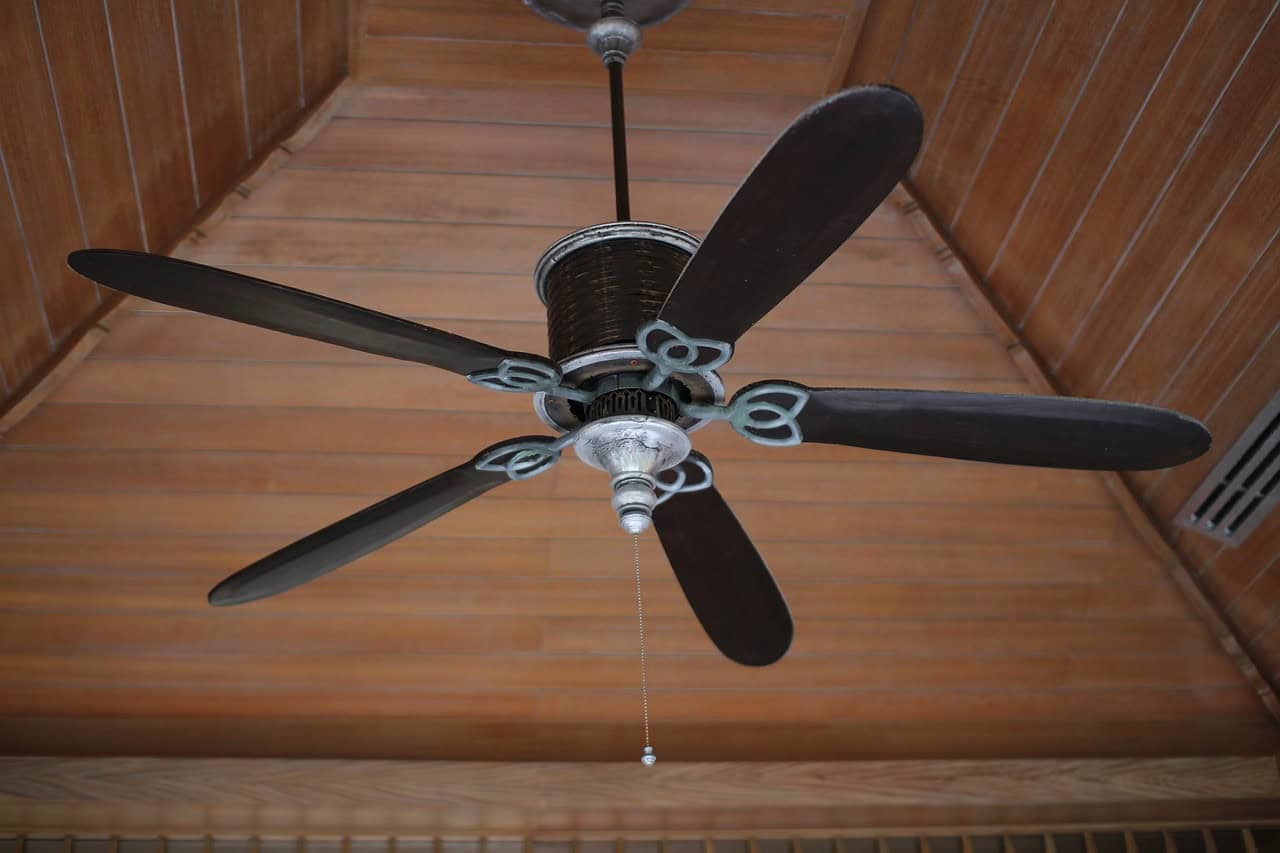
Don’t underestimate the power of a good ceiling fan! In the summer, they can create a refreshing breeze, reducing the need for air conditioning. And in the winter, they can help distribute that warm air more evenly throughout your home.
Pro tip: run your ceiling fan counterclockwise in the summer to create a cooling breeze, and clockwise in the winter to push that warm air down where you need it.
Water Conservation Techniques
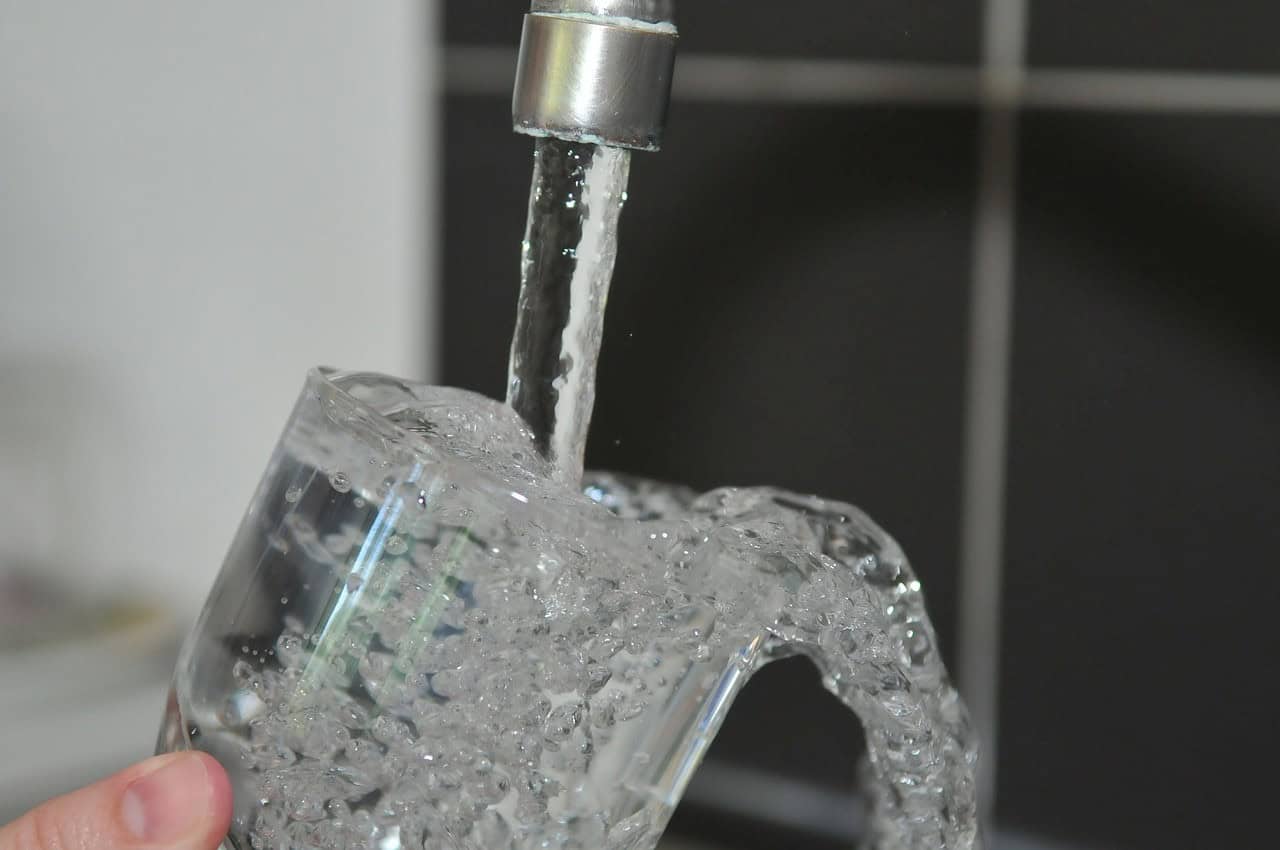
Water usage is another big contributor to those hefty utility bills. But don’t worry, we’ve got some easy ways to cut back without sacrificing your daily routine.
Low-Flow Fixtures
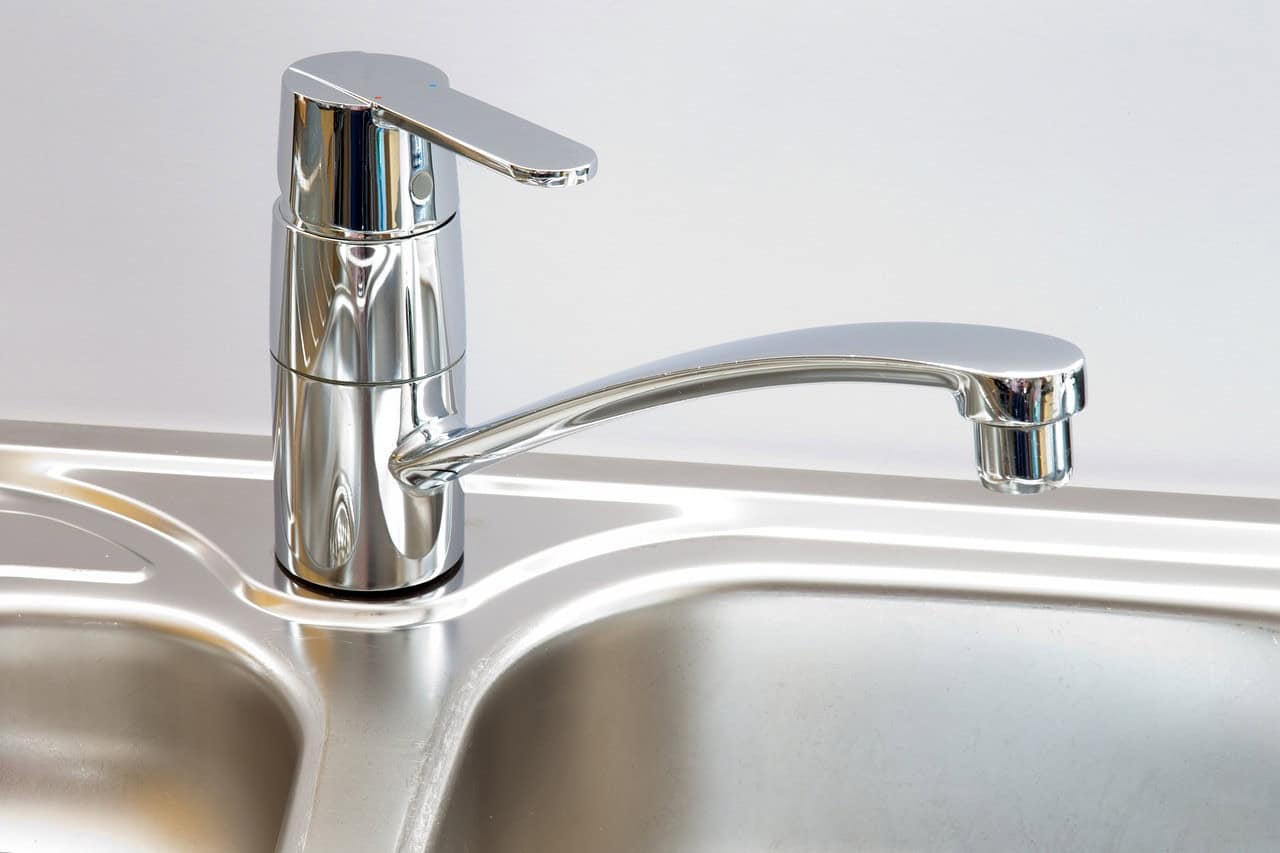
Replace old showerheads and faucets with low-flow types to cut your water bill. These fixtures save water but keep good pressure. A family of four can save more than 2,700 gallons each year!
Fix Leaks

Even the smallest leak can lead to a whole lot of wasted water and money down the drain. Fixing leaks as soon as you spot them can save you a bundle.
A dripping faucet, for example, can waste over 3,000 gallons of water per year. Imagine how much you could save by simply tightening that drip!
Efficient Laundry Practices

Who knew doing laundry could be an opportunity to save? By washing clothes with cold water, running full loads, and air drying when possible, you can significantly reduce your water and energy usage.
And the best part? These simple practices can save you up to $60 a year on your utility bills. That’s a pretty sweet deal for just a few tweaks to your laundry routine!
Lighting Solutions

Lighting might not seem like a big deal, but those bulbs and fixtures can really add up on your electricity bill. Let’s talk about some bright ideas for saving:
Switch to LED Bulbs

LED bulbs are the way of the future. Not only do they use less energy than traditional incandescent bulbs, but they also last a whole lot longer. By replacing just five of your most-used light bulbs with LEDs, you could save up to $75 a year. That’s a pretty bright idea, if you ask us!
Utilize Natural Light

Why waste energy on artificial lighting when you’ve got a big, beautiful natural light source shining through your windows? Make the most of that sunshine by opening curtains and blinds during the day, and arranging your furniture to maximize the natural light. Not only will you save on your electricity bill, but you’ll also create a more inviting, cheerful atmosphere in your home.
Motion Sensors and Timers
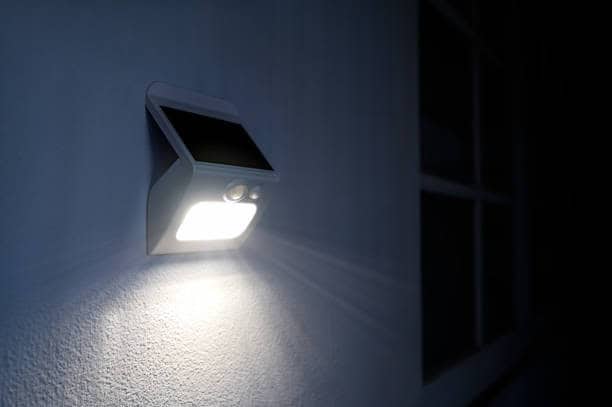
Another super easy tip is adding motion sensors and timers to keep lights from staying on when not needed. Motion sensors in spots like hallways and bathrooms turn lights on and off by themselves.
Timers on outside lights stop them from shining all night when you don’t need them. Changes like these can cut more than $100 from your yearly electric bill.
Smart Home Technology

In today’s high-tech world, there are all sorts of cool gadgets that can help you save on your utility bills. Let’s take a look at some smart home technology options.
Home Automation Systems
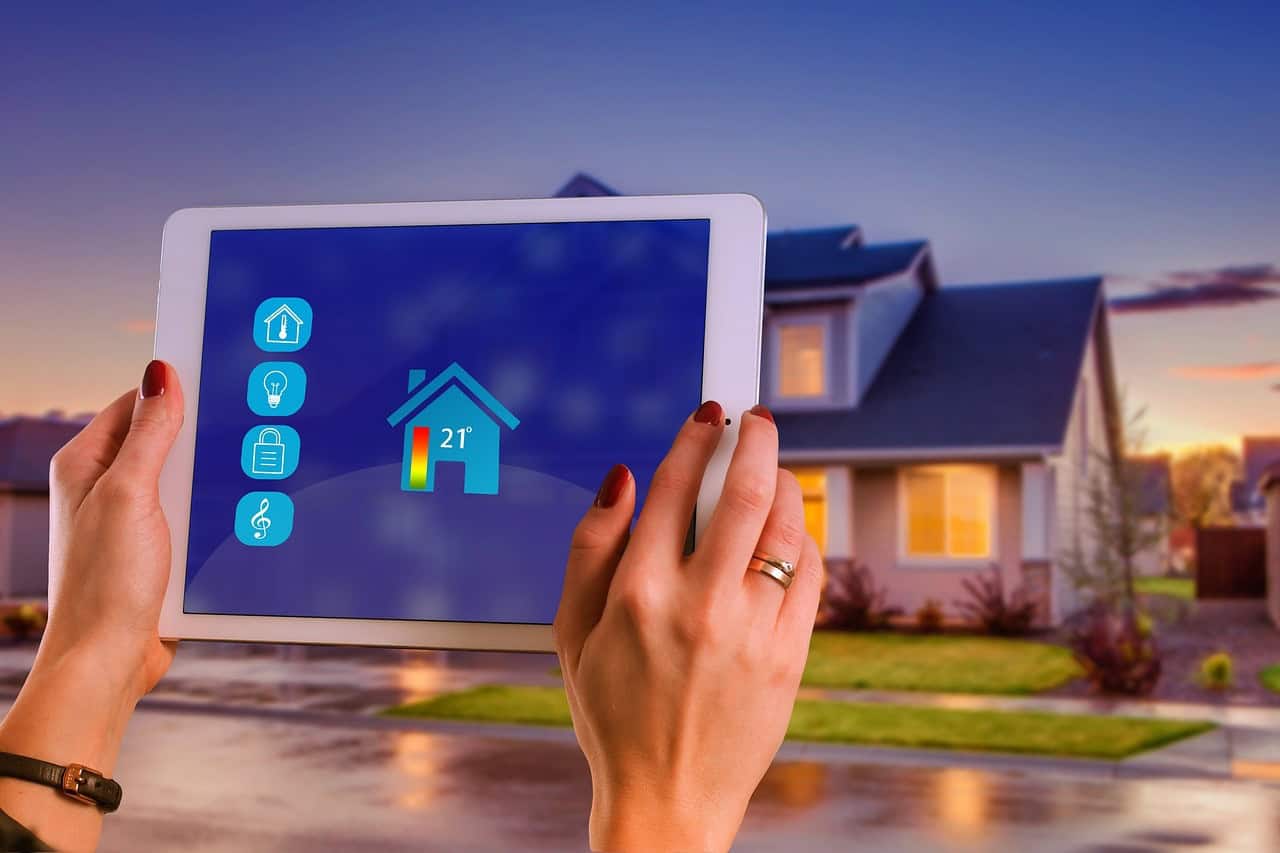
Home automation systems offer great control. You get one spot to run lights, thermostat, appliances, and more from afar. Set up auto rules and times for top savings all day and night.
Smart thermostats spot your habits and change temps when you leave or sleep. That smart temp setup can save you up to $180 each year!
Mindful Living, Maximized Savings

In the end, cutting utility costs can be simple. Make a few smart changes, build energy-saving habits, and watch your home’s energy use.
Try some of these tips and see savings grow over time. Each bit helps, above all for busy families who want to make each dollar go further.
Got other smart money-saving ideas? Share them in the comments! We all gain when we pass on good tips.
 If you like what you just read, then subscribe to my newsletter.