30 Things Boomers Loved Buying That Millennials Skip


Have you seen how shopping habits shift with each new generation? It shows clear changes in our world. Today, we cover 30 things Baby Boomers love but Millennials skip.
A recent consumer study shows age groups hold different views, values, and tastes in shopping. Millennials focus on green options and online tools more than old-school items.
In this piece, we list these 30 items and explain why Millennials pass on stuff their parents and grandparents bought. We see how new values, tech, and daily life shape what young people pick or drop.
Time to check the list! Tell us what we left out.
Bar Soap

Liquid soaps and body washes now fill bathroom shelves. Millennials avoid bar soap. Studies show three in five Millennials see bar soap as unclean. They think bar soap traps germs. This makes them pick liquid options with many scents and types.
Diamonds
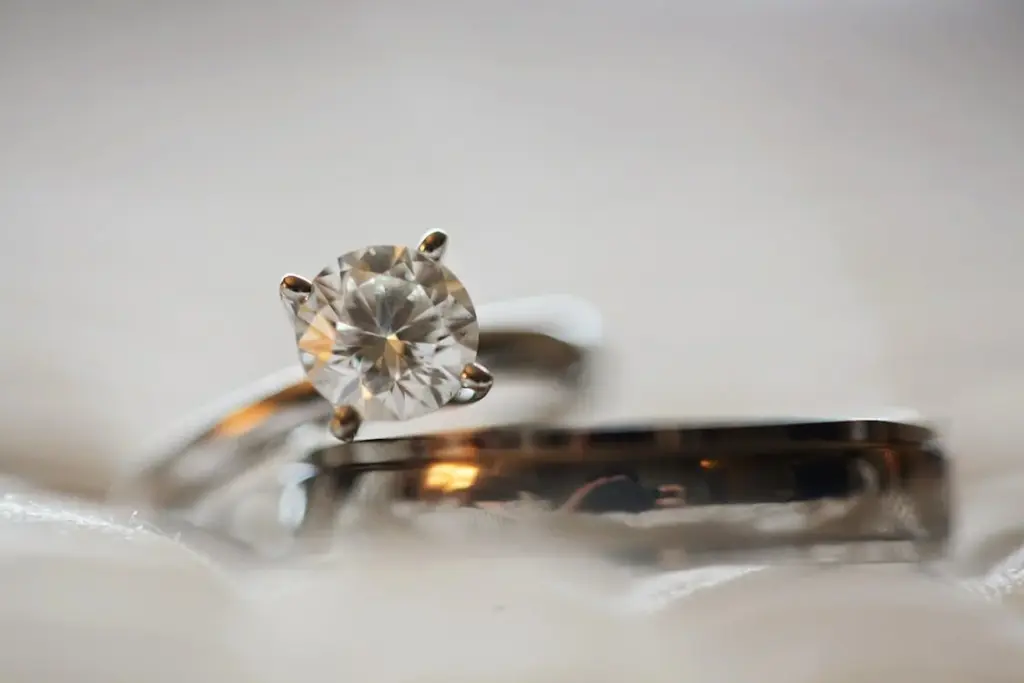
While Boomers often saw diamonds as essential for engagement rings and jewelry, Millennials are looking at other options. Ethical concerns about diamond mining and changing financial priorities are leading young adults to explore alternative gemstones or lab-grown diamonds.
Many Millennials prefer to invest in experiences or practical purchases rather than expensive jewelry.
Gardening Equipment
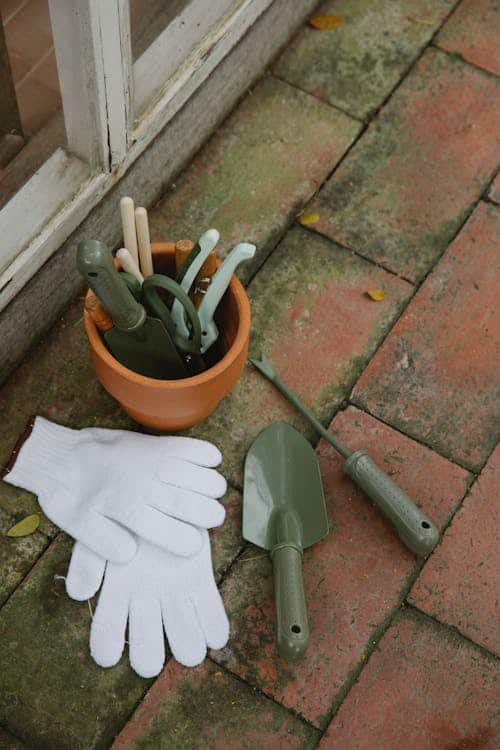
While some Millennials enjoy gardening, they often approach it differently than Boomers did. Many young adults use community gardens or focus on small-scale, indoor plant care.
A report suggests that the garden equipment market is feeling the impact of these changing preferences. Millennials are less likely to invest in large gardening tools, opting instead for minimal equipment suited to urban environments or shared spaces.
Lawn Care Services

Boomers often kept lawns perfectly manicured. Millennials now use more natural landscaping. Many young homeowners pick native plants. These plants need less care and help local ecosystems. This change hurts companies that sell lawn services.
Fabric Softener

Millennials are skipping fabric softener in their laundry routines. They see it as an unnecessary expense and are concerned about its environmental impact.
Many young adults are opting for simpler laundry products or natural alternatives like vinegar. This change in habits has led to a decline in fabric softener sales.
Canned Goods
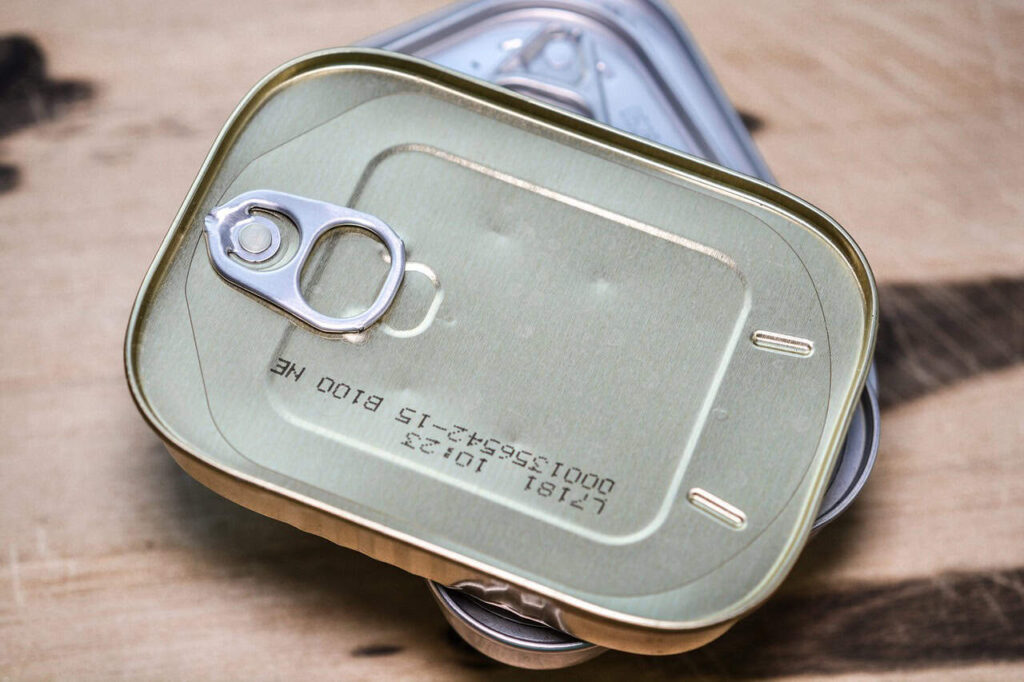
Fresh, organic, and locally sourced foods are more appealing to Millennials than canned options. This generation is more likely to cook with whole ingredients or choose minimally processed options.
They’re concerned about the nutritional value of their food and the environmental impact of packaging. This preference for fresh ingredients has changed how many Millennials approach cooking and meal planning.
Beer

Millennials are drinking less beer than previous generations. They’re turning to craft beers, hard seltzers, and other unique alcoholic beverages that offer more variety.
Forbes reported that Millennials consume less alcohol overall compared to older generations. When they do drink, they’re more likely to choose wine or spirits over traditional beers.
Cereal

Breakfast cereal, once a key morning food, loses appeal with Millennials. They pick healthier, easier choices like oatmeal and smoothies.
Young adults want fast breakfasts with better nutrition that match their busy days. Many Millennials see old-school cereals as too sugary and low on nutrition value.
Travel Agents

Online travel booking platforms have made traditional travel agents less necessary for Millennials. Young adults prefer to research and book their trips themselves, using websites and apps that offer reviews, price comparisons, and instant bookings.
Millennials enjoy the control and flexibility of planning their own travel experiences. They often rely on user reviews and social media recommendations when making travel decisions.
Newspapers and Magazines

Physical newspapers and magazines are being replaced by digital news and online content. According to a study by the American Press Institute, only 28% of Millennials pay for at least one news product.
Young adults prefer to get their news online, often through social media or news apps. They value the ability to quickly access and share information across various platforms.
Board Games

While Boomers enjoyed traditional board games for family entertainment, Millennials are more interested in digital and online gaming experiences. Young adults appreciate the variety and convenience of video games and mobile apps.
Some Millennials do enjoy board games, but they tend to prefer more complex, strategy-based games that offer unique social experiences.
Holiday Decorations
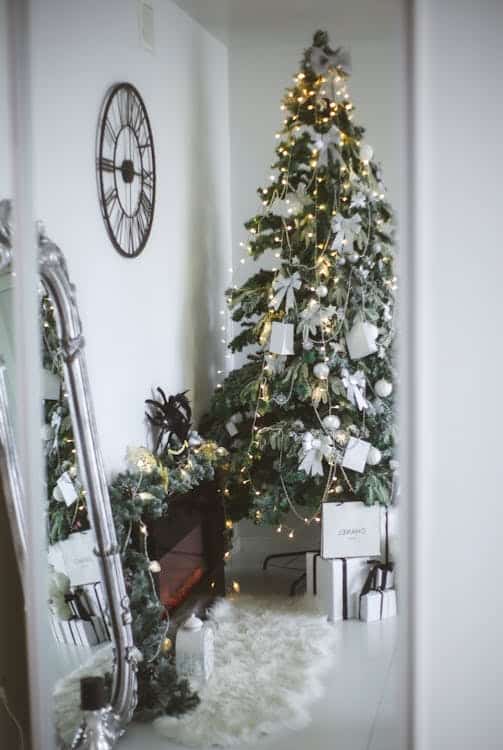
Millennials often keep holiday decorations simple and basic. They skip big setups and pick quiet ways to mark the season.
Many young adults choose decorations that last or serve many uses all year. Some Millennials like holiday events more than setup. They aim to make memories, not fancy shows.
Lottery Tickets

Boomers often buy lottery tickets regularly, but Millennials are less interested in this form of gambling. A Gallup survey shows that only one-third of Americans aged 18 to 24 have played the lottery, compared to almost two-thirds of those aged 50 to 64.
Young adults are more likely to save their money or invest it in other ways. Many Millennials view the lottery as an unreliable financial strategy and prefer to focus on building their careers or starting businesses.
Alarm Clocks

Traditional alarm clocks are being replaced by smartphones among Millennials. Young adults appreciate the multifunctional capabilities of their phones, which offer alarm features along with many other useful tools.
Smartphones allow Millennials to customize their wake-up experience with various apps and features. Some young adults are also exploring smart home devices that integrate with their phones for a more seamless morning routine.
Postcards

Millennials often keep holiday decorations simple and basic. They skip big setups and pick quiet ways to mark the season.
Many young adults choose decorations that last or serve many uses all year. Some Millennials like holiday events more than setup. They aim to make memories, not fancy shows.
 If you like what you are reading, then click like and subscribe to my newsletter. We share tips to waste less time and money.
Collector’s Items
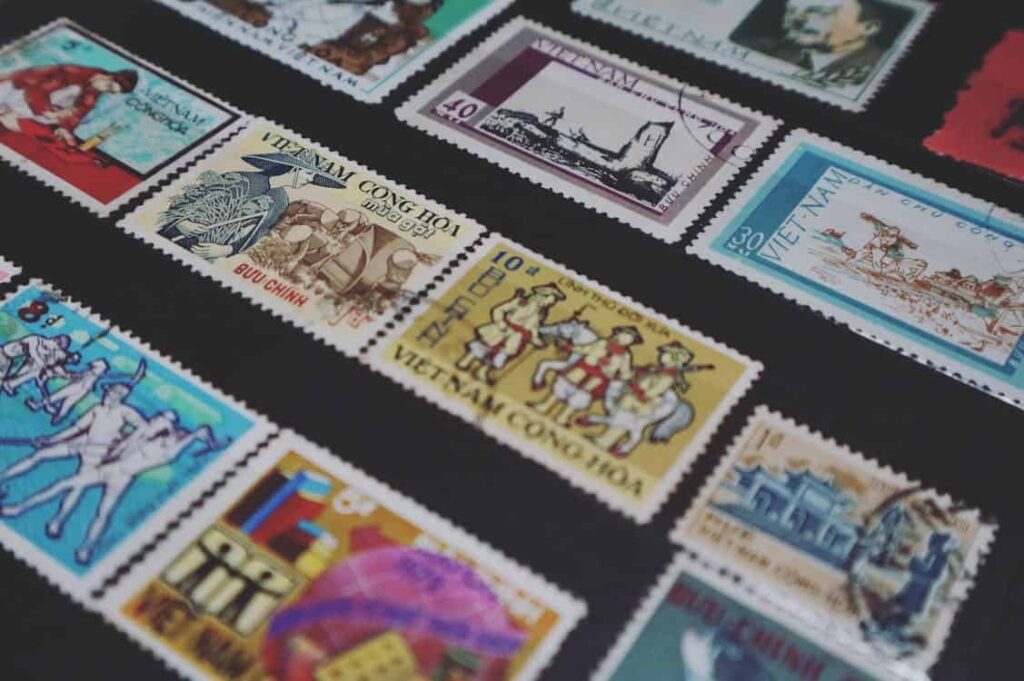
While Boomers might collect physical items like stamps and coins, Millennials are more interested in digital assets. Some young adults are investing in things like NFTs (Non-Fungible Tokens) as a modern form of collecting.
Millennials often value experiences over physical possessions, which impacts their interest in traditional collectibles.
Fine China

Fine china used to be a must-have for fancy dinners, but Millennials aren’t buying it anymore. They prefer casual meals and practical dishes instead of expensive table settings. Fox Business reports that Millennials’ lack of interest is causing problems for the fine china industry.
Young people don’t feel the same connection to these fancy dishes as their parents did, and they’re choosing easier-to-use options instead.
Silverware Sets
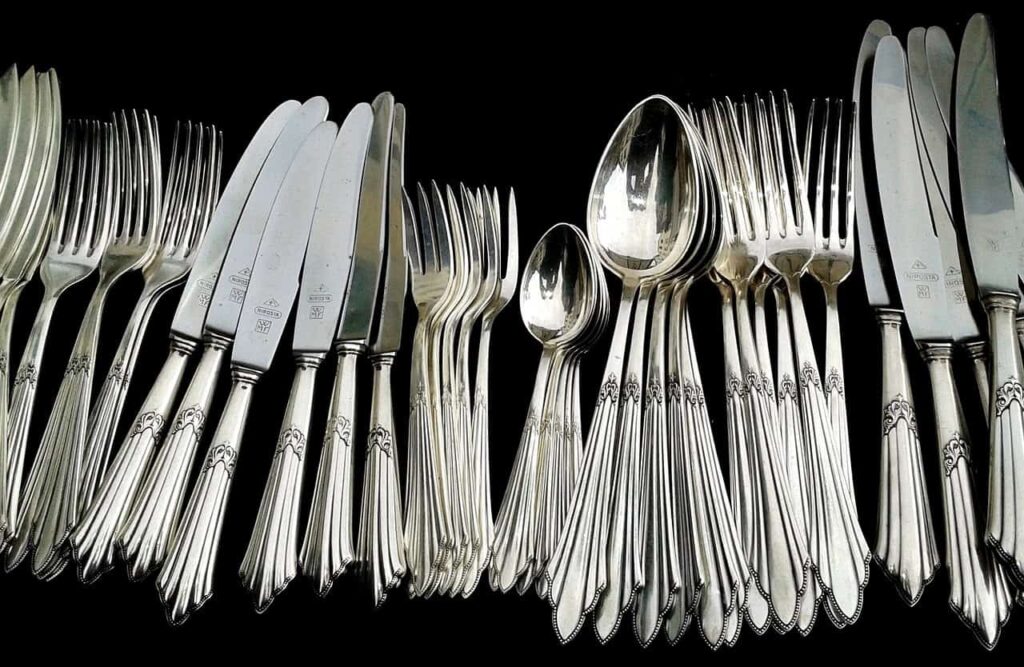
Millennials skip costly silver utensils too. They choose daily utensils that are simple to clean over fancy silverware sets.
More people eat casual meals at home now, so the demand for fancy silverware has dropped. Millennials want utensils that work in the dishwasher and match their busy days.
Antique Furniture

Boomers often love antiques for their history and craftsmanship, but Millennials are choosing modern, affordable furniture they can put together themselves. Stores like IKEA are popular because they sell stylish furniture that fits Millennials’ budgets and desire for flexibility.
The value of old English furniture has gone down by almost 40% in the last ten years, showing how tastes have changed between generations.
Wall-to-Wall Carpeting

Boomers often put wall-to-wall carpeting in their homes for comfort, but Millennials prefer hardwood or laminate floors. They like floors that are easy to clean and look more modern.
Many young homeowners and renters like bare floors because they can add rugs to change the look of a room without doing a big renovation.
Cable TV Subscriptions

As streaming services have become popular, many Millennials have stopped paying for cable TV. In 2023, 58% of Millennials didn’t have cable TV anymore. They like being able to watch shows whenever they want, pay less, and use different devices to watch.
Streaming services like Netflix, Hulu, and Disney+ are now the top choices for entertainment among younger viewers.
DVD/Blu-ray Collections
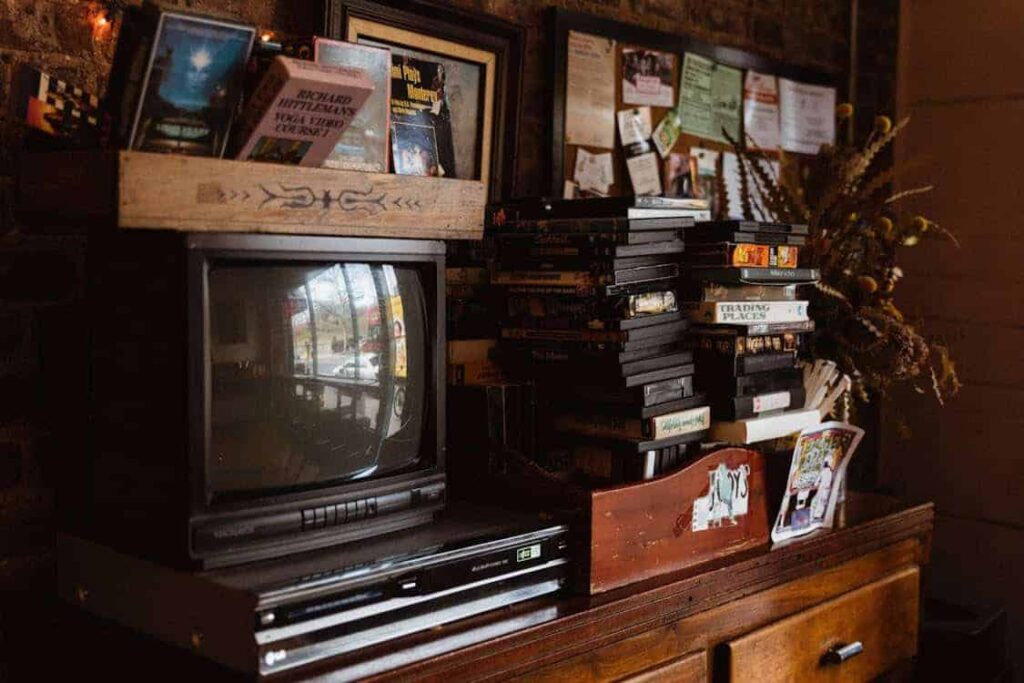
Millennials are getting rid of their DVD and Blu-ray collections and switching to digital and streaming options. They like being able to access lots of movies and shows without taking up space in their homes.
Many Millennials also worry about the environment and don’t want to buy plastic discs that will end up in landfills. Digital libraries are becoming more popular than physical collections.
Landline Phones

Most Millennials see no need for landline phones since everyone has smartphones. Mobile phones do much more than calls. They send texts, make video calls, and handle many other tasks.
Many young adults skip the extra phone bill. Their smartphones cover all they need, often with better quality and more features.
Home Stereo Systems

Big home stereo systems are being replaced by small Bluetooth speakers and streaming services. Millennials like being able to take their music anywhere, control it with their phones, and listen to any song they want without buying albums.
This change has led to fewer sales of traditional stereo equipment, as younger people care more about portability and connecting to their digital devices than having the best sound quality.
If you like what you are reading, then click like and subscribe to my newsletter. We share tips to waste less time and money.
Checks

While Boomers often use checks to pay for things, Millennials prefer digital payment methods. Apps like Venmo, PayPal, and mobile banking apps are fast and easy to use.
Young people like being able to split bills, send money right away, and keep track of their spending on their phones. Because of this, fewer and fewer Millennials are using checkbooks.
Houses

Boomers often saw buying a house as a sign of success, but many Millennials are finding it hard to do. Houses are expensive, the economy is uncertain, and young people have different priorities.
Yahoo Finance reported that most Millennials are renting instead of buying homes. This is partly because of money issues, but also because they want to be able to move easily if they need to change jobs.
Cars

Boomers often saw cars as a symbol of freedom, but Millennials in cities are choosing public transportation, ride-sharing services, and eco-friendly options like electric scooters.
Many young adults find car ownership expensive and unnecessary, especially with the rise of convenient alternatives. They’re more concerned with reducing their carbon footprint and saving money on parking and maintenance.
Motorcycles

The motorcycle industry is feeling the impact of changing generational preferences. While Boomers embraced motorcycle culture, Millennials are less enthusiastic.
CNBC noted that Millennials don’t like motorcycles as much as previous generations did. Young adults are opting for safer and more practical transportation options that fit their lifestyle and budget.
High-End Designer Brands

Millennials skip pricey designer labels and pick sustainable, ethical fashion. They check a brand’s effect on the planet and worker treatment before they buy.
This trend boosts eco-friendly, socially aware clothing brands that match these goals.
Formal Wear

As work environments and social settings become more casual, the demand for formal wear is decreasing among Millennials. A study found that young adults increasingly favor casual and athleisure styles over formal attire.
Many Millennials prefer versatile pieces that can be dressed up or down, rather than investing in outfits for specific formal occasions.
Wrapping Up

And there you have it, a look at how shopping habits changed between generations. These shifts go beyond personal tastes. They show big changes in our society, economy, and technology.
Not every Millennial or Boomer matches these patterns. But the trends show a generation that picks practicality, digital tools, and experiences over old material items.
Keep in mind, every purchase we make (or skip) adds to this big story of change between generations.
If you like what you just read, then subscribe to my newsletter.